
 Adventure Tours
I have watched a stretch of empty grass near the Mara River turn into a full tented camp in under eight hours. I have also watched that same camp vanish by mid-morning, folded into two Land Cruisers and a flatbed truck, leaving nothing but flattened grass and tire tracks. If you are the kind of traveler who wants to understand the mobile camp setup teardown process, not just the finished product, this is what that day actually looks like.
What a Mobile Safari Camp Actually Is
A mobile safari camp is a full tented camp that gets built, used for a few nights, then completely dismantled and rebuilt somewhere else. It is different from a fixed lodge like Mara Serena Safari Lodge, which sits on permanent foundations with concrete floors and a generator house that never moves.
A mobile camp uses canvas tents, a temporary kitchen tent, and portable ablution units. Everything gets carried in on vehicles and everything leaves the same way. That is what lets these camps sit inside conservancies and remote reserve corners that a permanent lodge could never legally or practically occupy.
The Mobile Camp Setup Teardown Process, Hour by Hour
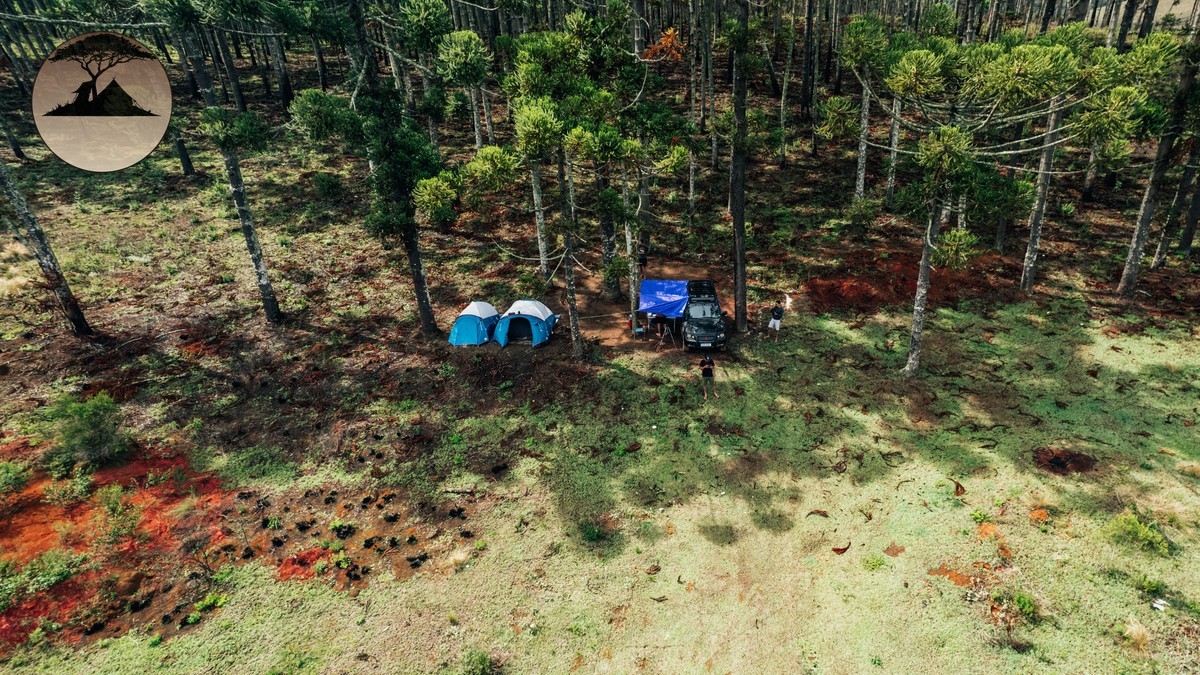
On a recent move for one of our Maasai Mara routes, the crew left a campsite near the Mara Triangle at 6am and reached the new site close to Talek at 8:30am, a drive of roughly 50km on reserve tracks. Setup began immediately.
By 9am, the mess tent frame was up and the kitchen crew had a gas cooker running for staff tea. By 11am, all eight guest tents were pitched, their steel frames square and canvas taut. Bucket showers went up next, then the long-drop toilets in their own canvas cubicles. By 1pm, camp beds, mattresses, and mosquito nets were in place inside each tent.
The full build, from bare ground to a camp ready for guests, took just under 9 hours that day. That number matches what other operators report for a full-service mobile camp: figure on 7 to 10 hours depending on crew size and terrain. A smaller, guest-assisted adventure camp can go up faster, sometimes in 4 to 5 hours, because the tents and kitchen setup are simpler.
Guests never see this part. You arrive by vehicle after a game drive, and the camp is already standing, lanterns lit, and a canvas bucket shower filled with hot water waiting in your tent.
How Teardown Works
Teardown moves faster than setup because there is no need to level ground or square up frames. On the same route, the crew struck camp in just under 2 hours, starting at 6am while guests were finishing breakfast and ending before 8am.
The order matters. Guest tents come down last, after bags are packed and loaded, so guests keep a private space until the final minute. Kitchen equipment and the mess tent go down first, along with the ablution units, since those take longest to clean and stow properly.
Everything gets sorted into marked crates: kitchen gear, tent poles, canvas, bedding, water containers. That sorting is what makes the whole system work. A camp with 115 or more individual items, from tent pegs to spice jars, cannot be packed loosely and still arrive intact.
Crew Size and Roles
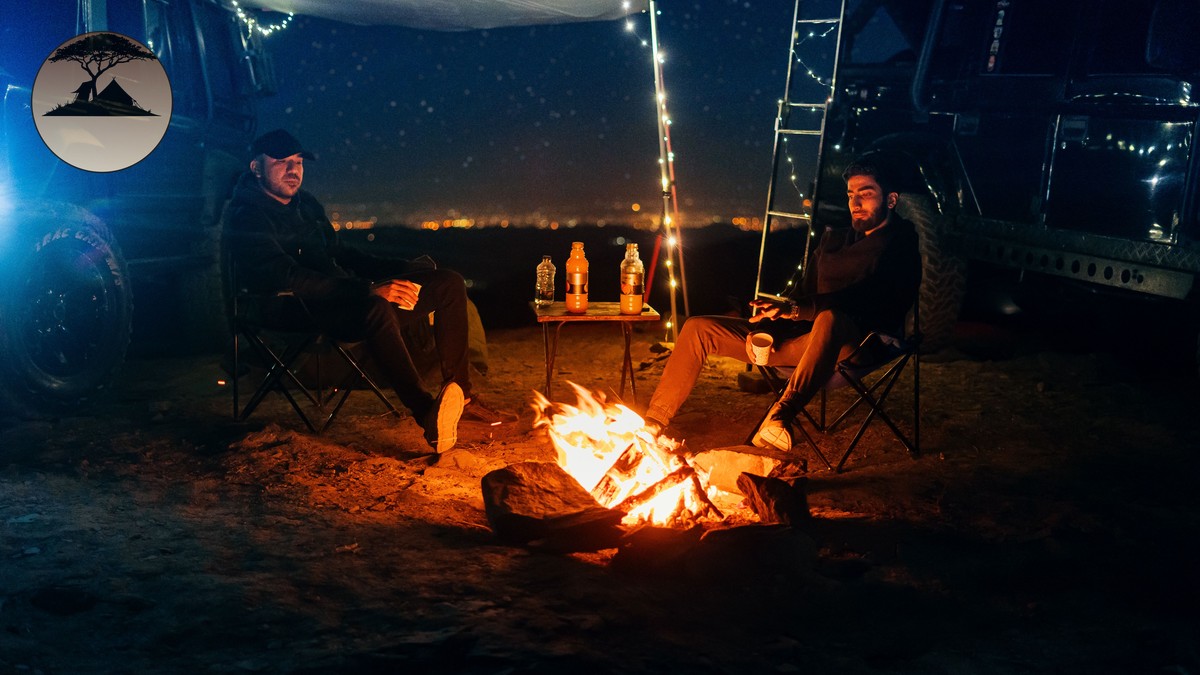
A full-service mobile camp typically travels with 8 to 12 staff. That includes a camp manager, two or three guides or drivers, a chef and one or two kitchen assistants, a couple of general camp hands, and sometimes a dedicated waiter for guest meals. Adventure-style camps run leaner, often 5 to 6 staff, with guests pitching in on lighter tasks like carrying water or helping fold their own tent canvas.
Vehicles and Equipment Used to Move Camp
Most mobile operators move camp using two vehicle types. Land Cruisers or similar 4x4s carry guests and light gear. A separate truck, usually a flatbed lorry, carries the heavy load: tent poles, canvas, kitchen boxes, water tanks, and folded camp beds.
On rough reserve tracks, especially after rain, that truck can take longer than the guest vehicles to cover the same 50km. Operators build that buffer into the schedule so camp is ready before guests arrive, not after.
What Guests Do While Camp Is Being Moved
You are almost never at camp during a move. The standard plan sends guests on a long morning game drive or a bush breakfast stop while the old camp comes down and the new one goes up elsewhere. On a well-planned relocation day, you might lose one afternoon game drive session, roughly 3 hours, compared to a day spent at a single fixed camp. That is the real cost of a mobile itinerary, and it is worth knowing before you book. If you are traveling with kids or older relatives, it is worth reading about how fast you should move between camps on a family safari before you commit to a route with frequent relocations.
Mobile Safari vs Fixed Lodge vs Fly Camp
| Camp Type | Typical Setup Time | Price Range (per person/night) | Facilities | Best Suited For |
|---|---|---|---|---|
| Fixed lodge (e.g. Mara Serena Safari Lodge) | Permanent, no daily setup | USD 250-450 | Ensuite bathroom, pool, mains or generator power | Comfort-first travelers, first-time safari guests |
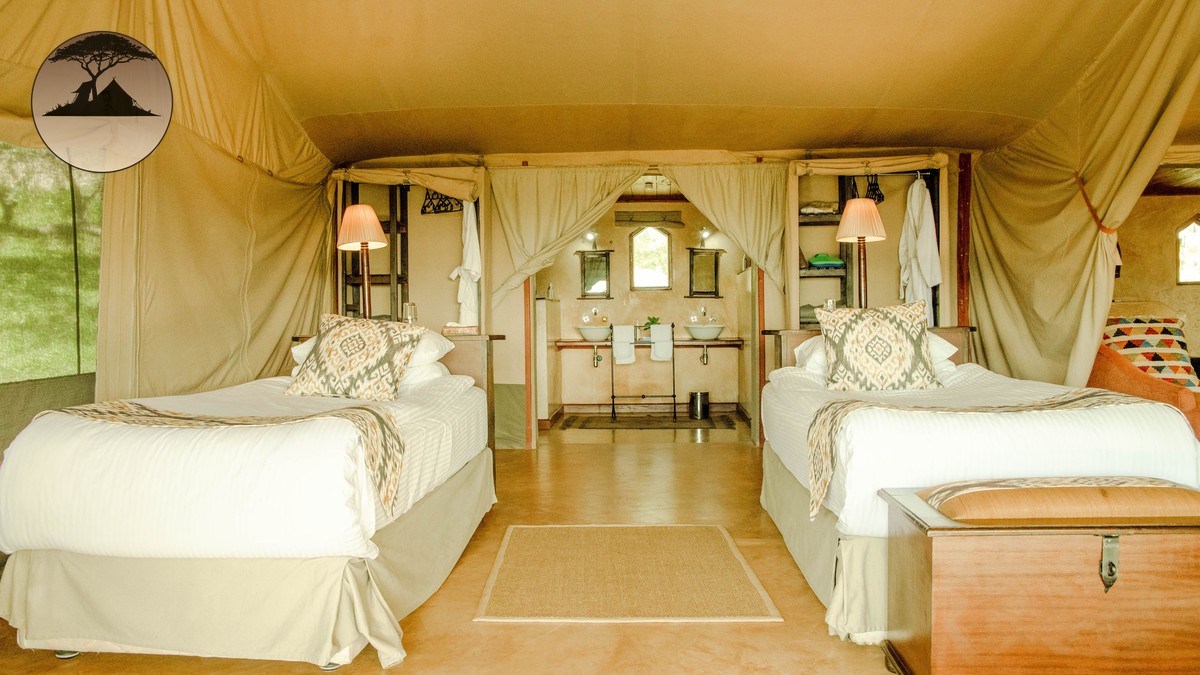
| Fully serviced mobile camp | 7-10 hours | USD 450-700 | Canvas ensuite tent, bucket or gravity showers, flush or long-drop toilet | Overlanding enthusiasts wanting remote sites with real comfort |
| Guest-assisted adventure mobile camp | 4-6 hours | USD 250-400 | Shared ablution tent, simple bucket shower | Budget-conscious campers happy to help with chores |
| Fly camp (1-2 nights, deep bush) | 2-3 hours | USD 100-200 add-on to a mobile safari | Bedroll or basic dome tent, no walk-in shower | Guests wanting one or two nights of true bush exposure |
Prices are indicative ranges for East African mobile safaris in 2026 and vary by season, conservancy fees, and group size. Maasai Mara National Reserve conservation fees alone run roughly USD 100-200 per person per 24 hours depending on which side of the reserve you enter and the season.
Types of Mobile Camps
Adventure or guest-assisted camps ask more of you. You might help carry water, set up your own bed, or take a turn washing dishes after a bush dinner. Fully serviced premium mobile camps do all of that for you, with staff handling every part of setup and teardown while you are out on a drive.
Fly camps sit at the far end. These are one or two-night add-ons, often reached on foot or by short drive from a main mobile camp, with minimal structure and maximum exposure to the bush. A star-bed night at a fly camp, sleeping on a raised platform under open sky with no tent walls at all, is about as close to sleeping outdoors in Africa as a paying guest can get.
Pros, Cons, and the Real Trade-Off
Mobile camps put you in places fixed lodges cannot reach, often deep inside conservancies or seasonal migration corridors. You get quieter sites, closer wildlife, and a genuine sense of being carried through the bush rather than housed in it.
The trade-off is time and cost. You lose game-viewing hours on relocation days, and full-service mobile camps generally cost more per night than an equivalent lodge room. If those hours and that budget matter more to you than remoteness, a lodge-to-lodge itinerary may suit you better.
How Often Camps Relocate
Most mobile operators move camp every 3 to 5 nights, following seasonal wildlife patterns like the wildebeest migration between the Serengeti and the Maasai Mara. A shorter 3-night stay before a move works well if you want to follow the migration closely. A 5-night stay gives you more full game-viewing days between moves. Camp placement also affects more than logistics. It shapes your light for photos too, so it is worth understanding how camp placement affects your golden hour photography when you are choosing a route.
What’s Included, and What Isn’t
A well-run mobile camp includes a private canvas tent, a proper bed with real mattress and linens, a bucket or gravity shower, a long-drop or flush toilet, and full board meals cooked on-site. Power is usually solar or generator-charged, limited to specific hours. If charging your camera batteries and phone matters to you, it is worth reading about what wifi and charging actually look like at a mobile camp before you pack.
Luggage allowance is the other detail people miss. Most mobile safaris cap you at one soft-sided bag, roughly 15kg, since duffel bags pack into the truck far better than hard suitcases.
The BestCamp Safaris Difference
We run our mobile camps with the same crew, vehicles, and routes on every trip, not a rotating cast hired per booking. Our camp managers know the Maasai Mara tracks well enough to plan moves around river crossings and weather, not just distance on a map. We tell you upfront how many game-viewing hours a relocation day will cost you, before you book, so there are no surprises once you are out there. And we run true fly-camp nights as an add-on on several routes, for guests who want one night with no tent walls at all.
Plan Your Mobile Camp Safari
If watching a camp come alive under canvas sounds like your kind of trip, we would like to help you plan it. Have a look at our mobile safari routes through the Maasai Mara, or get in touch through our contact page to talk through dates, pace, and whether a fly-camp night belongs in your itinerary.


