 Adventure Tours
Planning a Kenya safari from Mangalore, Udupi, or Bangalore is a big step. You want clear answers about flights, costs, and how close you can get to lions. This guide is written for Tulu speaking travelers Kenya safari planning, the kind that pays attention to light, patience, and getting the shot.
Let me start with the honest part. No safari camp in Kenya has Tulu speaking staff. English works at every camp, and Hindi is common with many guides. That is your realistic baseline. What you gain is a landscape built for photography, with camps that know how to feed a vegetarian from Karnataka properly.
Here is how to plan a photography focused safari, step by step.
Why a Tulu Speaking Travelers Kenya Safari Trip Needs Planning
A Tulu speaking travelers Kenya safari trip is different from a generic tour package. You are flying further, budgeting in rupees, and probably eating vegetarian daily. This guide covers parks, timing, gear, visas, and real costs.
Best Kenya Parks for Wildlife Photography
You cannot shoot everything in one trip, so pick parks based on what you want to frame.
Masai Mara National Reserve is the crown jewel, run by Narok County rather than the national government. The fee is USD 200 per adult per day from July to December, dropping to USD 100 from January to June. This is where the Great Migration crosses the Mara River, so if you want wildebeest in dusty columns, this is the place.
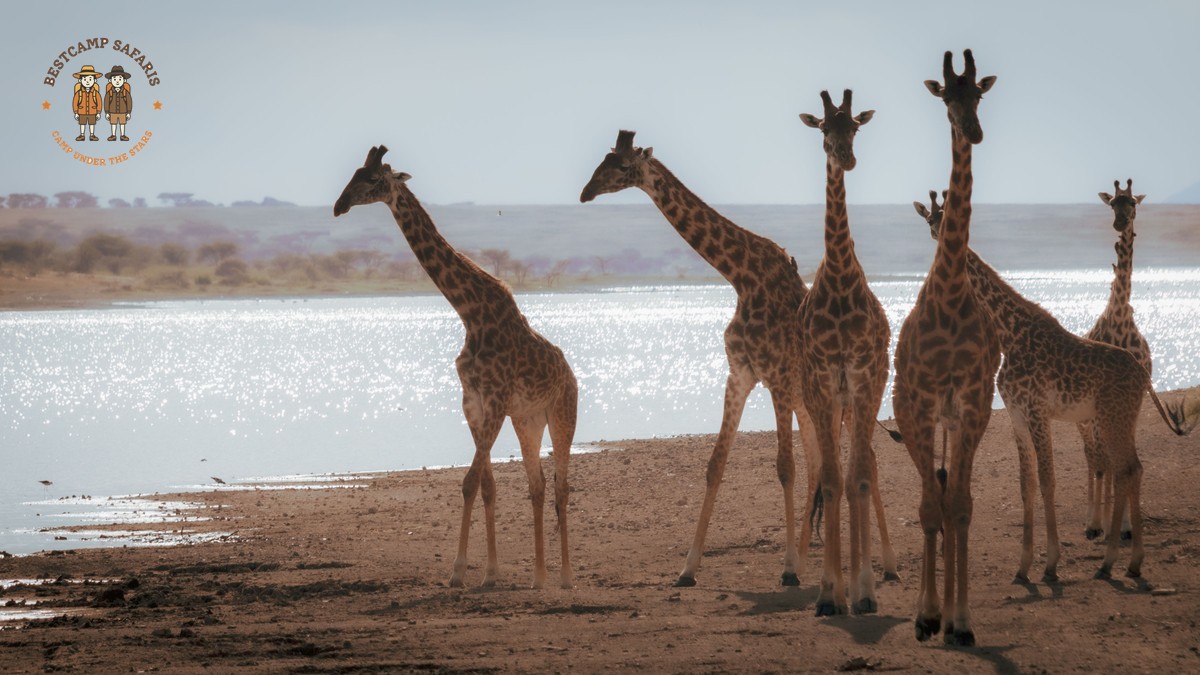
Amboseli National Park gives you elephants against Mount Kilimanjaro for USD 90 per adult per day. The light at sunrise is soft and pink, and the marshlands attract herds early morning.
Samburu National Reserve is drier and more remote, home to the reticulated giraffe and Grevy’s zebra. It is less crowded than the Mara, at around USD 70 per adult per day, but confirm with your operator.
Lake Nakuru National Park is for flamingos and rhinos, at USD 90 per adult per day. It is a compact park, good for a short stay.
Naboisho Conservancy sits next to the Mara. It is private land, so the fee is bundled into your lodge rate at USD 80 to 150 per person per night. The advantage is crowd control, since only a few vehicles are allowed per sighting.
Here is a quick comparison table for planning.
| Park or Reserve | Managed By | Non Resident Fee (Adult/Day) | Drive from Nairobi | Main Photo Subject |
|---|---|---|---|---|
| Masai Mara National Reserve | Narok County | USD 200 (Jul Dec), USD 100 (Jan Jun) | 5 to 6 hours | Great Migration, big cats |
| Amboseli National Park | Kenya Wildlife Service | USD 90 | 4 to 5 hours | Elephants, Kilimanjaro backdrop |
| Lake Nakuru National Park | Kenya Wildlife Service | USD 90 | 2.5 to 3 hours | Rhinos, flamingos |
| Samburu National Reserve | County Government | ~USD 70 (indicative) | 5 to 6 hours | Rare northern species |
| Naboisho Conservancy | Private | USD 80 to 150 per night (bundled) | 5 to 6 hours | Exclusive big cat viewing |
For a first photography trip, I recommend Amboseli plus the Mara for variety in landscape and animal behavior.
Best Time of Year and Time of Day
The dry season from late June to October is the easiest for photography. Animals gather at water sources. Grass is short, so you can see clearly.
The Great Migration peaks in the Mara from August to October. River crossings are not predictable. You need patience and a few days parked at the river. Camp positioning matters. A mobile camp near the Mara River saves you a long morning drive.
The green season from November to May is quieter and cheaper. You get dramatic skies and newborn animals. But the grass is tall, and some tracks close after rain.
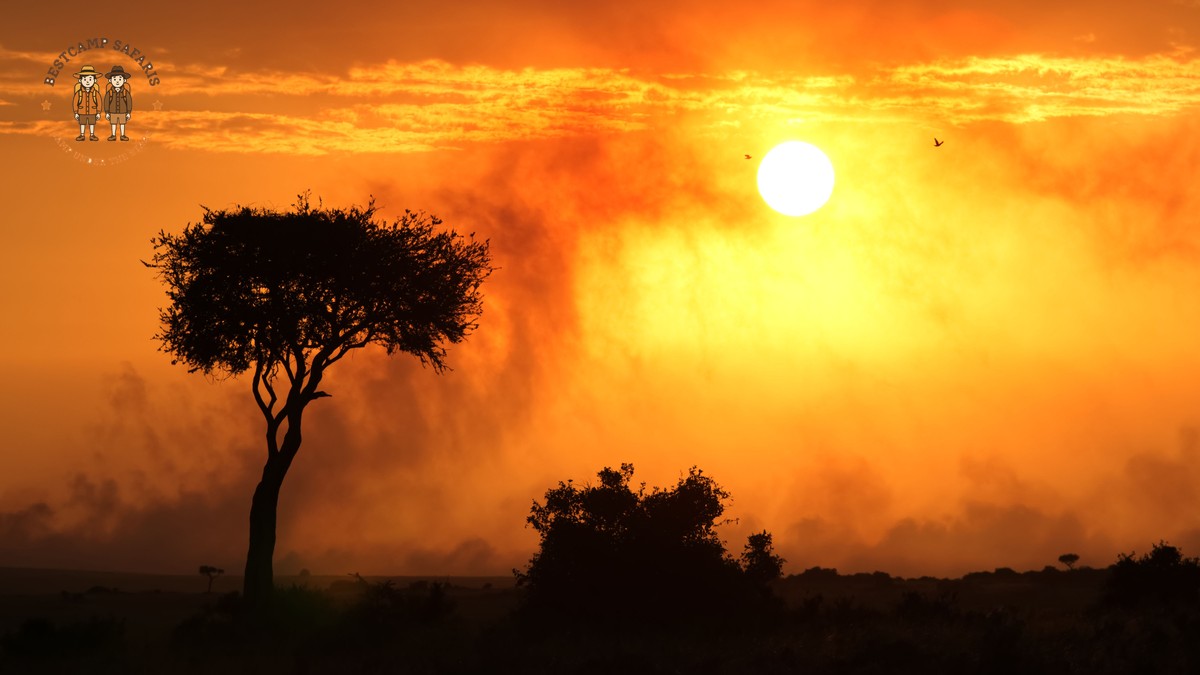
Time of day is non negotiable. Shoot in the first two hours after sunrise and the last two hours before sunset, when the light turns amber and the dust glows. Midday light is flat and harsh. Use that time for lunch, editing, or a nap in camp.
Camera Gear and Lens Recommendations
Do not bring a full kit, since you will not change lenses fast enough inside a vehicle. I suggest two camera bodies and two lenses: a 70-200mm f/2.8 for portraits and big cats, plus a 100-400mm or 150-600mm for birds and distant cheetahs. If you have a 1.4x teleconverter, bring it.
Your smartphone camera is useful for wide landscapes. For night skies, bring a fast prime lens like a 24mm f/1.4, since some camps in the Mara offer star bed nights.
Do not forget dust protection. Use a rocket blower and a microfiber cloth, since Kenya is dusty, especially in the dry season. Carry extra batteries and at least 1TB of memory cards.
Camera-Friendly Camps and Vehicles
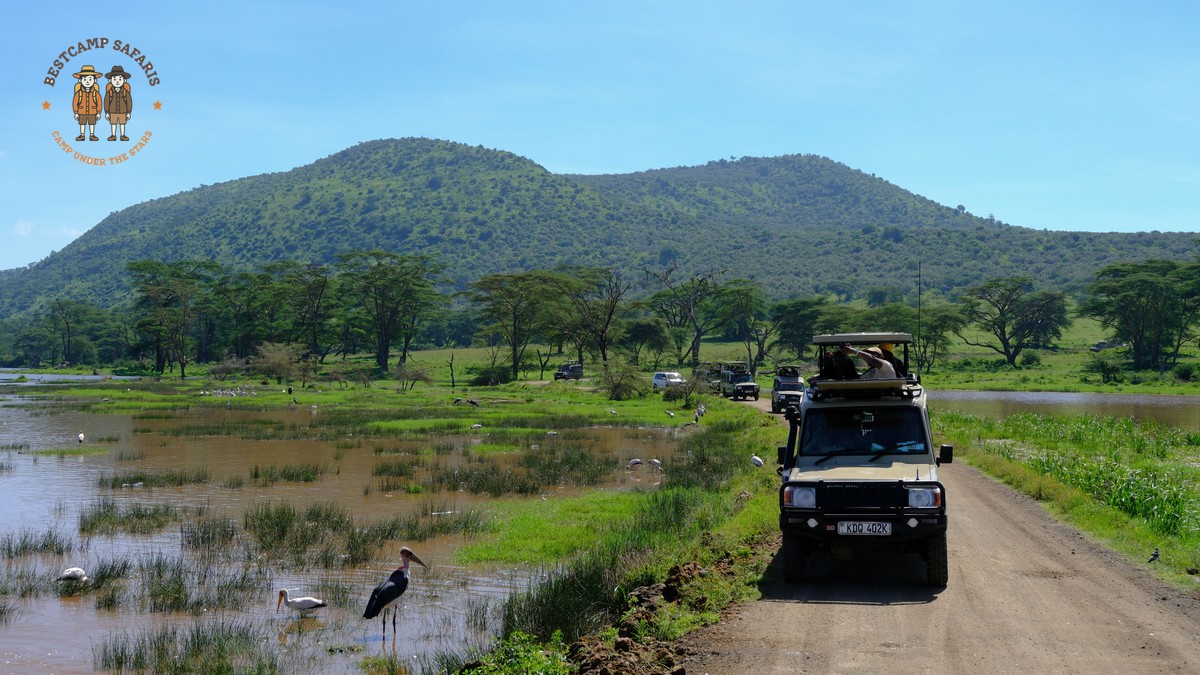
Ask your operator for camps with open sided Land Cruisers, which let you shoot from a low angle without heat distortion from closed windows.
Named camps with good photo reputations include Governors’ Camp in the Mara, Elephant Bedroom Camp in Samburu, and Ol Tukai Lodge in Amboseli. These are established camps, with guides who know where to position the vehicle for light.
For a closer feel, consider Salt Lick Safari Lodge in Tsavo or a mobile tented camp in Naboisho. Mobile camps move with the migration, so you wake up near the action. The tents have canvas walls and simple beds, and the morning air is cold when a porter brings you tea.
Getting to Kenya from Mangalore, Udupi, and Bangalore
You do not have a direct flight from Mangalore to Nairobi. The common route is Mangalore to Mumbai or Bengaluru, then Nairobi via Dubai, Doha, or Addis Ababa.
From Bangalore, you can fly direct to Addis Ababa on Ethiopian Airlines, then connect to Nairobi. Total travel time is about 10 to 12 hours plus layover, and a full day from Mangalore.
Book a connecting flight with at least three hours between legs. Nairobi’s Jomo Kenyatta International Airport is manageable, but immigration takes time.
Visa and Entry Requirements for Indian Passport Holders
Indian citizens need an Electronic Travel Authorization, known as an eTA, to enter Kenya. Kenya replaced its old e-visa system with the eTA in January 2024. You apply online through the official eTA portal, not the eCitizen site.
You need a passport valid for six months, a passport style photo, and proof of accommodation. The fee is about USD 30 per traveler.
Processing usually takes a few days, but apply at least two weeks before departure and save a copy of your approval on your phone.
You also need a yellow fever vaccination certificate if arriving from a yellow fever endemic country. India is not on that list, but carry your vaccination card anyway.
Trip Length and Sample Itinerary
A photography safari needs time. I recommend at least eight days on the ground, since seven days will feel rushed.
Here is a sample flow.
Day 1: Arrive Nairobi, rest at a hotel near the airport. Day 2: Morning drive to Amboseli, afternoon game drive. Day 3: Full day in Amboseli, sunrise shoot at the marsh. Day 4: Drive to the Mara, afternoon game drive. Day 5 to 7: Full days in the Mara. Focus on the river crossings and big cats. Day 8: Morning drive, then fly from the Mara airstrip to Nairobi. Day 9: Fly home.
This gives you six or seven game drives. That is enough for a strong portfolio.
Cost and Budgeting in INR
Safari costs add up fast, so plan carefully before you book.
Park fees for three days in the Mara during peak season run about USD 600 per person. Two days in Amboseli add USD 180, for USD 780 in park entry alone.
Accommodation is the largest cost. The sample itinerary above includes six nights at safari lodges, split between Amboseli and the Mara. Mid range camps charge USD 200 to 600 per person per night, so six nights run USD 1,200 to 3,600.
Add two nights in a Nairobi hotel at roughly USD 80 to 150 per night, plus local transport, transfers, and the internal flight from the Mara airstrip to Nairobi, another USD 300 to 700.
Adding it up, a realistic total for park fees, camps, meals, and local transport is USD 2,440 to 5,380 per person, excluding international flights. At roughly INR 83 to the dollar, that is about INR 2,00,000 to 4,45,000 per person.
Flights round trip from India cost roughly INR 45,000 to 70,000 more. Budget camps push the total toward the low end, luxury camps toward the high end.
Vegetarian and Tulu Nadu-Friendly Food
Most safari camps serve excellent vegetarian food and understand Indian diets. Expect dal, rice, roti, and vegetable curries. Many camps have a dedicated vegetarian menu, and chefs will adjust spice levels or offer Jain or vegan options on request.
Do not expect camps to know specific Tulu Nadu dishes by name. Kitchens are staffed and trained for broad Indian vegetarian requests, not regional Karnataka cooking. Ask for a mild vegetable curry with rice, and describe the flavor and spice level you want rather than naming a dish.
Tell your operator about your dietary needs at booking. Do not wait until you arrive.
Safety, Health, and Vaccination Basics
Kenya is safe for travelers who follow the rules. Stay inside the camp after dark, listen to your guide on game drives, and never stand up in an open vehicle near big cats.
Take anti malarial medication and carry insect repellent with DEET. Drink bottled water only, though most camps provide safe drinking water. Vaccination for hepatitis A and typhoid is recommended, and you should carry any personal medicines with you.
Etiquette and Communication with Guides
Your guide is your camera assistant. Tell them what you want, and if you need the vehicle repositioned for light, say so. Good guides love photographers.
Do not ask for the vehicle to break safety rules, and keep your voice low near animals. Silence is your best tool.
Guides speak English, and many speak Hindi. A few Swahili words like “asante” (thank you) go a long way.
The BestCamp Safaris Difference
BestCamp Safaris builds trips around light and patience, not just game counts. We book camps near the migration routes, so you spend less time driving and more time shooting. We work with vehicles that have open sides and good sight lines. We confirm vegetarian meals before you arrive. And we handle the visa, park fees, and internal flights so you can focus on your craft.
We have also written a guide showing how BestCamp structures a photography safari for another language group, and a guide on vegetarian safari camp food in Kenya.
If you need broader planning help, our Kenya trip planning guide for Hindi speaking travelers covers the basics too.
Start Planning Your Safari
You have the facts. The light is waiting. Talk to BestCamp Safaris about a photography itinerary built for you.
We will help you pick the right parks, book a camera friendly camp, and plan the flights from Mangalore or Bangalore. Your only job is to bring your camera and your patience.
Send us a message through our contact page or view our Kenya safari tours to get started.


