
 Adventure Tours
Rain changes a safari before the first cup of tea is poured. I have stood outside a mobile tented camp in the Masai Mara at 5am while a driver pressed his boot into the black cotton soil. We were checking whether the Land Cruiser would sink before the first game drive. That small test matters more than the weather forecast.
Can safari vehicles reach remote camps after heavy rain? Usually, yes, when the route stays passable and the vehicle has high clearance, low-range 4×4 capability, and an experienced driver. But the real answer is a route decision, not a blanket yes or no. This guide explains when you can still drive in, when to fly, and how operators make the call in Kenya.
Can Safari Vehicles Reach Remote Camps After Heavy Rain?
For this question the short answer is usually yes, but only when the route remains passable and the vehicle has high clearance, low-range 4×4 capability, and an experienced driver. Heavy rain can turn black cotton or sandy tracks into deep mud, wash out causeways, and raise river crossings quickly. A camp may remain open while road access is temporarily suspended.
The Masai Mara is the clearest example. The reserve’s black cotton soil absorbs water and turns slick. The tarmac from Nairobi to Narok still works in rain. But the roughly 90 km from Narok to the Sekenani or Talek gates is gravel and clay. In dry weather it takes about two hours. After a heavy downpour it can take four hours or more. Sometimes the gate road is passable while the track to a camp near the Talek River is not. A camp may sit one hour from the gate in dry weather and stay cut off for 48 hours after a storm. The county reserve still charges its non-resident entry fee. That is US$100 per adult per day from January to June and US$200 per adult per day from July to December. Access and entry are separate questions.
When Is a 4×4 Safari Vehicle Necessary?
A proper 4×4 is necessary when the final approach uses muddy, sandy, rocky, steep, or flooded tracks rather than maintained public roads. High clearance and low-range gearing matter more than a vehicle simply carrying a 4×4 badge. Remote northern Kenya routes may also require recovery gear, spare tyres, fuel planning, and communications equipment.
On the tarmac from Nairobi to Narok, a 2WD saloon is fine. But the moment you turn off for a conservancy like Naboisho or Mara North, you need real low-range 4×4. The same is true on the volcanic soil tracks approaching Amboseli and the sandy riverbeds in Samburu. A soft-road SUV with high clearance may cope in dry sand but not in sticky mud. A well-prepared safari vehicle carries two spare tyres, traction mats, a shovel, a tow strap, and a fixed radio or satellite phone. In a remote area, knowing who helps during a safari emergency matters as much as the gear in the truck. Some northern routes to Lake Turkana or the Chalbi Desert require extra fuel and a second vehicle as standard.
How Heavy Rain Changes Safari Roads and River Crossings
After heavy rain, driving times become estimates rather than guarantees. Mud can reduce speed, flooded dips may require waiting, and rivers can rise enough to make a crossing unsafe. Some tracks become passable again within hours, while waterlogged or damaged sections can close access for days or longer. Local reports are more reliable than a map.
Soil type decides how fast a road recovers. Black cotton soil in the Maasai Mara becomes deep and sticky. Volcanic ash soils on the Amboseli approach soften into a slippery film. Murram roads in Laikipia hold shape better but can wash out where culverts sit low. The Talek River in the Mara has several low causeways. One heavy night can put water over the causeway and close the shortest route between camps. The Ewaso Nyiro River near Samburu can rise fast. A crossing that was ankle-deep at 4pm may be waist-deep by 7pm. Do not drive through moving water deeper than the wheel hubs. If the bottom is not visible, turn around and wait. An hour or two often fixes the problem.
When Flying or Boating Is Better Than Driving
Flying is usually better when a camp is far from the nearest reliable road, when rain threatens a long transfer, or when driving would consume most of a safari day. Remote camps may use small bush airstrips, while some destinations require a vehicle-to-boat connection after arrival. The trade-off is higher cost and less overland travel experience.
Scheduled and charter bush flights leave from Wilson Airport in Nairobi. They land on gravel or grass airstrips inside or next to the parks. Here is a rough side-by-side for four named routes, using current non-resident fees and indicative transfer prices. Road transfer prices are per vehicle. Flight prices are per person and move with season.
| Route | Approx distance from Nairobi | Dry-season drive | After heavy rain (indicative) | Non-resident park or conservancy fee | Road transfer (per vehicle, indicative) | Scheduled bush flight (per person, indicative) |
|---|---|---|---|---|---|---|
| Nairobi to Masai Mara (Sekenani or Talek gate) | 250 km | 5-6 hr | 7-9 hr or temporarily closed | US$100/day Jan-Jun; US$200/day Jul-Dec (county reserve) | US$350-600 | US$250-450 (Wilson to Mara) |
| Nairobi to Amboseli (Kimana or Iremito gate) | 240-260 km | 4-5 hr | 5-7 hr | US$90/day (KWS) | US$300-550 | US$200-350 (Wilson to Amboseli) |
| Nairobi to Tsavo West (Mtito Andei gate, then camp tracks) | 240 km to gate | 4-5 hr highway plus 1-2 hr inside | 5-7 hr highway; inner tracks may close | US$80/day (KWS) | US$350-600 | US$230-400 (Wilson to Tsavo West airstrips) |
| Nairobi to Naboisho Conservancy (Mara) | approx 260 km | 5.5-6.5 hr | 8-10 hr or fly | US$80-150/person/night (bundled into camp rate) | US$400-700 | US$280-450 (Wilson to Naboisho airstrip) |
These numbers are planning ranges, not fixed quotes. Fuel, season, and demand shift them. Some camps are not reachable only by road or air. Lake Baringo island camps require a short boat transfer from Kampi ya Samaki after a road drive. In the Mara, a few river loops remain vehicle-accessible only in dry months. The fly-camp experience is often the point, not an inconvenience. Driving costs less per group and gives you villages, birds, and landscapes you never see from the air. But if a road transfer eats six to ten hours and risks an overnight delay, a flight can protect the trip. When a camp road is uncertain, it helps to think about how long safari camp moves take. A delayed move can push into the next morning’s game drive.
How Safari Operators Check Access and Recover Vehicles
Operators check conditions through camp managers, drivers, conservancy contacts, radio rooms, and recent reports from vehicles already on the route. They may delay departure, change the approach road, transfer guests between vehicles, or recommend flying instead. Recovery plans can include tow equipment, traction aids, spare tyres, and a second vehicle on particularly isolated routes.
In a conservancy like Ol Pejeta or Lewa, the control room tracks road conditions daily. In the Mara, camp managers radio each other before a transfer starts. A driver may phone ahead from Narok and learn that the Talek causeway is closed. Then the operator sends the vehicle via the Keekorok road instead, or holds the transfer until the next morning. Recovery is rarely dramatic. Usually it means digging, dropping tyre pressure on sand, laying traction mats, and using a second vehicle. Camps keep tow straps and shovels as standard kit. On isolated routes, a second vehicle is the backup plan.
What Travelers Should Do When a Camp Road Becomes Impassable
Contact the camp or safari operator before leaving the previous destination and ask for a current route decision, not a general seasonal forecast. If access is unsafe, accept a delayed transfer, a changed pickup point, a revised itinerary, or a flight where available. Do not attempt an unfamiliar flooded crossing or rely on a standard 2WD rental vehicle.
Ask specific questions. Is the Talek causeway open? Which gate should the rider use? Is the Naboisho or Olare Orok conservancy entrance dry? Ask for the name of the meeting point and the vehicle colour. Ask whether the camp will send a second vehicle to a hard-top road if the last few kilometres are too soft. If you are already at the camp and rain begins, stay put until the operator gives a route decision. Do not push a driver to attempt a flooded crossing. Reschedule the departure for the next morning if needed.
The BestCamp Safaris Difference
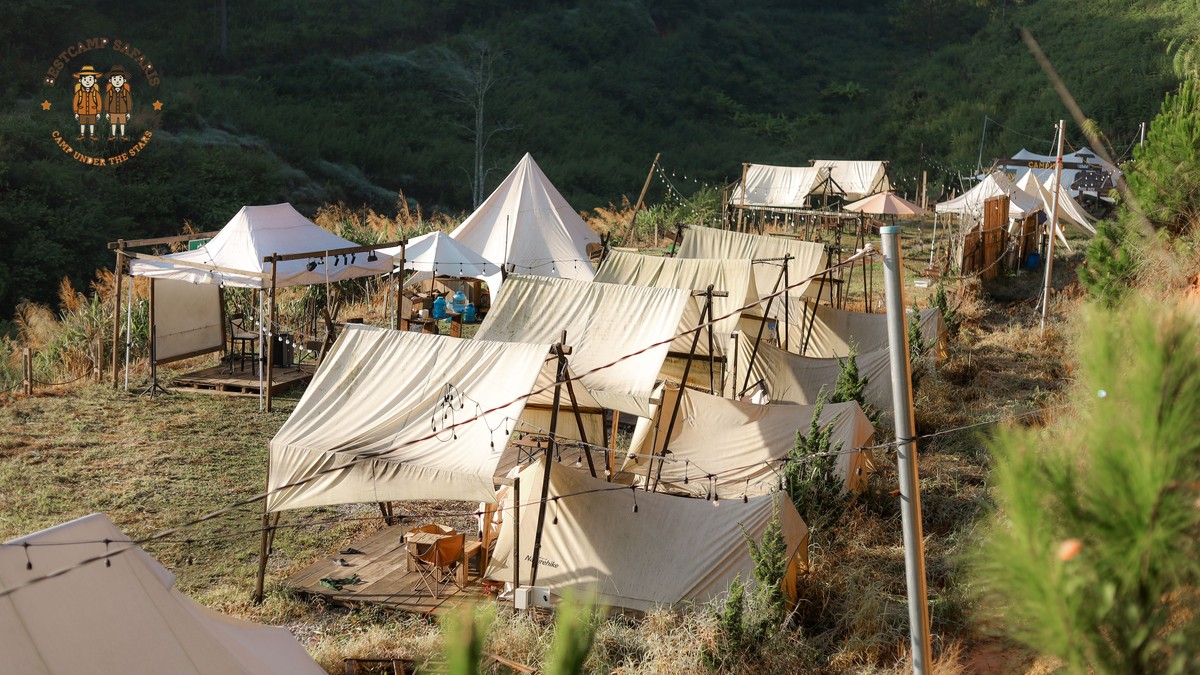
BestCamp Safaris plans mobile tented camps and fly-camps in places where access decisions shape every day. We choose camp sites with drainage in mind, not just views. We run our own vehicles with recovery gear and trained drivers who know each route.
In a mobile camp, the mess tent, kitchen, and guest tents stay in camp while the vehicle waits nose-out on firm ground. Before a vehicle leaves for a morning drive, the driver presses the soil with his boot and radios the camp manager. That routine is the difference between a smooth 5am start and sitting in mud at 6am. Families often ask whether children can join mobile camps. The answer is yes when the camp is sized and staffed for it. But wet-season access means the camp team must be ready to change the pickup point or delay a move. Before any transfer, BestCamp confirms the route with the camp or conservancy and shares a clear go, no-go, or wait decision with you.
Frequently Asked Questions
Can safari vehicles reach remote camps after heavy rain?
Often they can, but access depends on the specific route, soil, drainage, river levels, and the vehicle being used. A high-clearance 4×4 with an experienced safari driver may continue safely where a 2WD cannot, while severe flooding or washed-out tracks can require a delay or flight.
Do I need a 4×4 to reach a remote safari camp?
You need a 4×4 when the camp’s final approach includes deep sand, mud, rocky tracks, steep sections, or river crossings. Dry-season access may be possible in a high-clearance vehicle on some routes, but recent rain can change the requirement quickly, so confirm with the camp before departure.
What happens if the road to a safari camp is impassable?
The operator may wait for water to recede, use an alternative route, arrange a different pickup point, transfer guests by boat, or move the transfer to a light aircraft where an airstrip is available. The safest option depends on the location and current conditions, not simply on whether the camp itself is open.
Is flying to a safari camp better than driving?
Flying is usually better for very remote camps or after rain when a road transfer could take six to ten hours or become unreliable. Driving can cost less and provides additional wildlife viewing, but flying saves time and reaches areas that may be impractical to access by vehicle.
How do I check safari road conditions before departure?
Ask the camp or safari operator for a route update shortly before travel and again on the day of the transfer. Local drivers, camp managers, conservancy radio rooms, and recent vehicle reports are more useful than generic weather information because conditions can vary between nearby tracks.
Start Planning Your Remote Camp Route
Planning a mobile tented camp or fly-camp in Kenya? Tell us which places you want to reach and what time of year you are traveling. We will tell you honestly if the road is likely to be open and when a flight is the better choice. Start planning with BestCamp Safaris and get a route decision you can trust before you pack.


