
 Adventure Tours
Two nights in Kenya, one decision to make. Should your first safari go to Amboseli National Park or Lake Nakuru National Park? I have slept in mobile tents near both parks, and the two trips feel different from the first pour of 5am tea. This amboseli vs lake nakuru safari comparison uses real distances, park fees, and overnight options. It is built around the practical decisions that actually shape your trip.
Amboseli vs Lake Nakuru Safari: Which Park Is Better for You?
Choose Amboseli if elephants, open plains, and a chance of Mount Kilimanjaro views are your priorities. Choose Lake Nakuru if you want rhinos, birds, varied scenery, and a compact park that works well in one full day. For most first-time visitors with two nights, Amboseli feels more iconic; for limited time, Nakuru is more efficient.
I ask every traveler one question before I recommend a park: which two animals do you most want to see? If the answer involves elephants and big views, Amboseli wins. If it involves rhinos and a shorter drive, Lake Nakuru wins. The table below summarizes the practical differences.
| Park | Best for | Road distance from Nairobi | Typical drive time | Park entry fee (non-resident, per adult/day) | Recommended stay |
|---|---|---|---|---|---|
| Amboseli National Park | Elephants, open plains, possible Mount Kilimanjaro views | Around 240 km via Emali or Namanga | 4 to 5 hours | USD 90 | 2 nights |
| Lake Nakuru National Park | Rhinos, birds, varied scenery | Around 160 km via Naivasha or Mai Mahiu | About 3 hours | USD 90 | 1 to 2 nights |
These fees come from the Kenya Wildlife Service rates in effect for August 2026. Both parks charge USD 90 per adult per day for non-resident visitors. The real cost gap between the two parks comes from the vehicle hire and the number of nights, not the entry ticket.
Wildlife and Safari Highlights: Elephant Safari Kenya or Rhino Safari Kenya
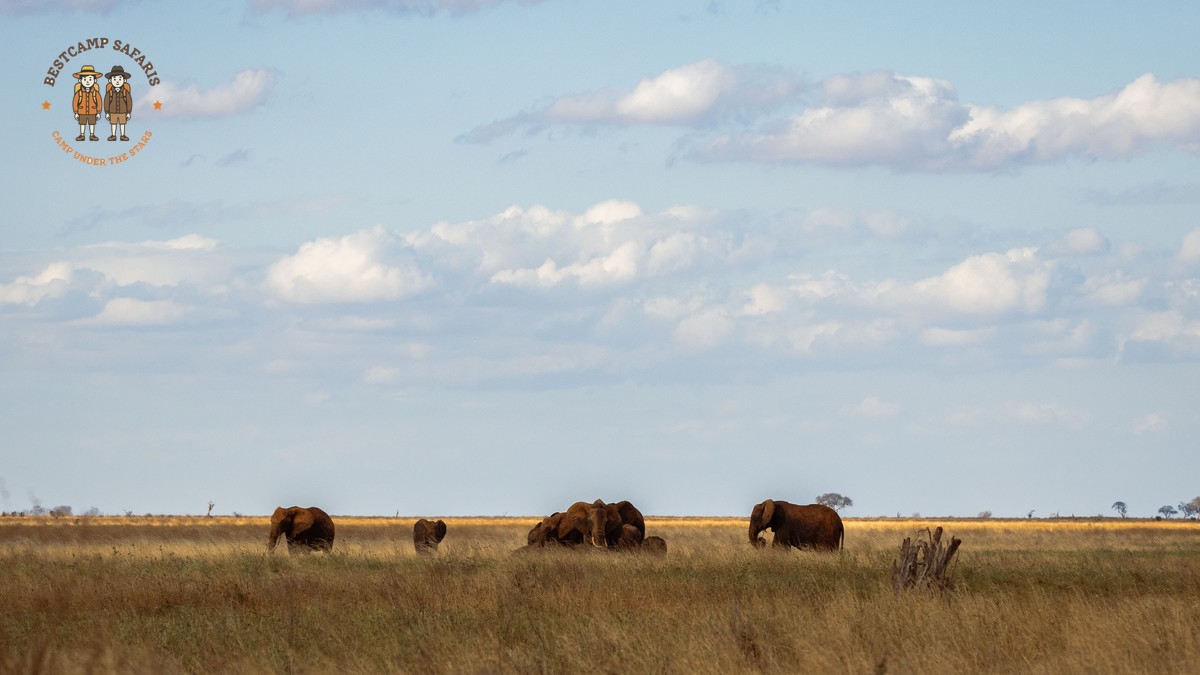
Amboseli is strongest for large elephant herds, buffalo, zebra, giraffe, hippos, and classic savannah sightings, but it is not a rhino destination. Lake Nakuru is the better choice for black and white rhinos, Rothschild’s giraffes, waterbirds, and habitat variety. Neither park guarantees every species, so choose around your top two wildlife priorities.
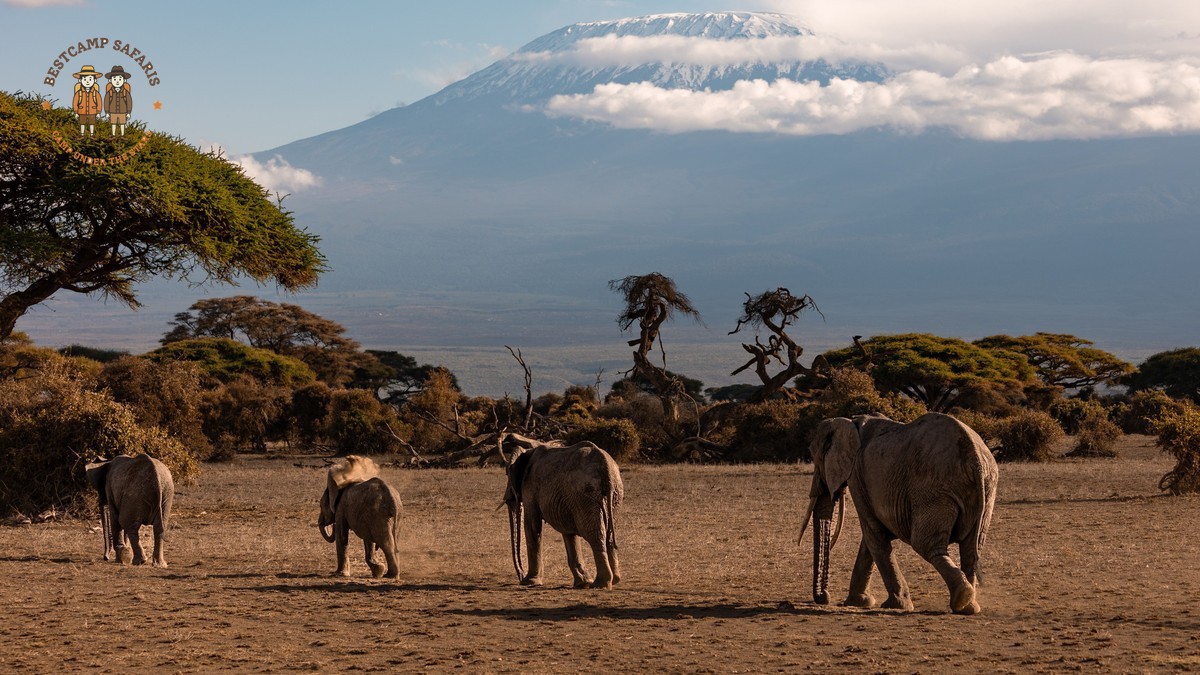
At Amboseli, the elephants around Ol Tukai are as relaxed as any I have seen. They feed in the permanent swamps, stir up dust in the dry lakebed, and often cross the track within a few metres of your vehicle. Drive the loop near the swamps in the early morning. On a clear day, Mount Kilimanjaro sits behind the same camera frame as the elephants.
Lake Nakuru is the rhino safari Kenya travelers talk about. Black rhinos hide in the bush, while white rhinos graze in open grassland. Ask your guide to radio other cars when one is spotted. The lake also attracts pelicans, herons, and flamingos when water levels are right. The forest on the escarpment holds black-and-white colobus monkeys, a species you rarely see in Amboseli.
Mount Kilimanjaro Views, Scenery, and Photography
Amboseli offers the more dramatic photography, especially when elephants or giraffes appear beneath Mount Kilimanjaro. The mountain is not visible every day because clouds and haze can block it, so treat the view as a major possibility rather than a guarantee. Lake Nakuru instead delivers lake, forest, escarpment, and flamingo or bird photography.
Early morning is your best window for Kilimanjaro views. The air is still clear before the clouds build over the summit. On my last Amboseli trip, the mountain stayed hidden until the final morning, and the elephants were still the highlight. Set your expectations around the wildlife, not just the postcard shot.
At Lake Nakuru, the photography is different. From Baboon Cliff you look over the shallow lake and the Rift Valley escarpment. White pelicans, cormorants, and other waterbirds sit close to the shore. You will spend more time with a zoom lens and less time waiting for one giant mountain to appear.
Park Size, Game-Drive Experience, and Days Needed
Plan two nights for Amboseli because its broader ecosystem and dispersed wildlife make multiple game drives worthwhile. Lake Nakuru’s compact area can usually be explored well with one full day, although two nights allow a slower pace and nearby attractions. Amboseli feels more spacious and landscape-led; Nakuru concentrates varied habitats and sightings closer together.
Amboseli is a flat basin that stretches toward the mountain. Animals spread across the middle and far side, so one short drive will not cover it. With two nights, you get an afternoon drive, a full morning drive, and a final drive before leaving. That rhythm matters. The light changes, the animals move, and the park opens up.
Lake Nakuru is compact enough for a full-day loop. You can start at the main gate, drive along the lake, stop at Baboon Cliff, drop down to Hippo Point, and return through the forest all in one day. For travelers booking a one-night safari, that efficiency is a huge advantage.
Travel Time and Logistics from Nairobi
Lake Nakuru is generally the easier Nairobi add-on, taking roughly three hours by road, while Amboseli commonly takes about four to five hours depending on the route and conditions. Amboseli also has flight options from Nairobi, whereas Nakuru is primarily a road destination. The best choice depends on whether time or scenery matters more.
The drive to Amboseli leaves the main highway at Emali and follows the track through Kimana toward the park gate. The tarmac is not complete for the whole route, so a 4×4 is the right vehicle. Allow about five hours with a comfort stop. Amboseli also has scheduled flights from Nairobi’s Wilson Airport to the Amboseli airstrip, which take around an hour and save a full driving day.
Lake Nakuru is the smoother Kenya safari from Nairobi. The route climbs through the Rift Valley escarpment, passes near Naivasha, and reaches the gate in about three hours. Most travelers reach Lake Nakuru by road, and a normal car can manage it, though a safari vehicle is still better for elevated game viewing.
Safari Cost, Park Fees, Camps, and Value
Lake Nakuru often offers better total value for a short safari because its shorter transfer reduces vehicle time and one-night itineraries are practical. Amboseli can cost more when its longer road transfer, two-night stay, or fly-in arrangement is included. Compare the complete quote: transport, park fees, accommodation, meals, and game drives, not just the nightly rate.
Park entry is the same at USD 90 per adult per day. The budget gap appears in the vehicle and the nights. A two-night Amboseli trip needs more driving days and two nights of lodging. A one-night Lake Nakuru trip needs one ground transfer and one night.
As an indicative range, mid-range camps in Amboseli run from about USD 250 to USD 500 per person per night. Options include mobile tented camps near the park gate and fixed lodges such as Ol Tukai Lodge. At Lake Nakuru, Lake Nakuru Lodge and Sarova Lion Hill Game Lodge sit on the escarpment above the lake, with a similar nightly range. For a fuller picture of how accommodation level moves the total, read our breakdown of Kenya safari costs by accommodation.
Best Time to Visit and Expected Crowds
Both parks are rewarding year-round, with dry periods generally making wildlife easier to spot and roads more predictable. Amboseli can be busy during popular high-season months, while Nakuru’s compact routes may feel crowded around concentrated sightings. Visit in shoulder or quieter dry-season periods for a better balance of wildlife, road conditions, availability, and price.
Amboseli is clear and productive in the dry months from around June to October. The permanent swamps hold water, so the elephant herds stay close. The long rains come around March to May, and the short rains arrive in November. Game viewing is still possible during rains, but clay roads can slow you down.
Lake Nakuru is also good in the dry season. The lake level changes from year to year, and that directly affects flamingo numbers, so ask your driver for the latest water report. School holidays and Christmas weeks are busy because the park is so easy to reach from Nairobi. For fewer cars at popular viewpoints, look for Kenya’s quietest dry-season months and pick a shoulder window when you can.
Can You Combine Amboseli and Lake Nakuru?
Yes, but combining them is most comfortable with at least four nights and a well-planned route. The parks are not a quick hop between neighboring gates, so the transfer can consume a substantial part of a day. Add both when you want elephants and Kilimanjaro in Amboseli plus rhinos and birdlife in Nakuru.
A workable route looks like this. Day one: drive Nairobi to Amboseli and take an afternoon game drive. Day two: full day in Amboseli. Day three: morning drive, then transfer toward Lake Nakuru. Day four: full day at Nakuru, then return to Nairobi. The drive between the two parks takes around five to six hours, so plan a lunch stop. Book the transfer as a game-drive extension, and the long hours become part of the adventure.
If you travel with children, keep the transfer day in mind. Read our notes on safari parks that suit toddlers before you commit to a long drive. One combined trip can give you an elephant safari Kenya and a rhino safari Kenya, but it deserves a relaxed schedule.
Frequently Asked Questions
Is Amboseli or Lake Nakuru better for safari?
Amboseli is better for elephants, open landscapes, and possible Mount Kilimanjaro views. Lake Nakuru is better for rhinos, birdlife, habitat variety, and short safaris from Nairobi. The right choice depends on whether scenery and elephants or efficient wildlife variety matters more.
Can you see rhinos in Amboseli?
Amboseli is not known as a rhino-viewing park and should not be chosen specifically for rhinos. Lake Nakuru is the stronger option because it supports important black- and white-rhino populations. Choose Amboseli for elephants and Kilimanjaro scenery instead.
Is Lake Nakuru worth visiting for one day?
Yes. Lake Nakuru’s compact size makes a full-day game drive practical, especially for travelers with limited time in Kenya. One day can provide opportunities for rhinos, giraffes, birds, lake scenery, and forest or escarpment views, although two nights create a more relaxed schedule.
How many days do you need in Amboseli?
Two nights and roughly two full or partial days are a good minimum for Amboseli. That schedule allows time for arrival, several game drives, elephant viewing, and opportunities for clearer Kilimanjaro conditions. A one-night visit is possible but leaves less flexibility if weather or transfer delays affect the itinerary.
Can you always see Mount Kilimanjaro from Amboseli?
No. Mount Kilimanjaro can be hidden by cloud, haze, or weather even when wildlife viewing is excellent. Early mornings often provide better photography conditions, but the mountain remains weather-dependent. Amboseli is still worthwhile for its elephants, wetlands, and open landscapes when the summit is not visible.
The BestCamp Safaris Difference
The BestCamp Safaris Difference shows up before sunrise. At a BestCamp mobile tented camp, we set up walk-in canvas tents on a flat piece of ground chosen by the guide. You sleep in a proper bed, and the en suite bathroom has a bucket shower and a safari loo. At 5am, a thermos of Kenyan tea is waiting outside your tent. The air is cool, the canvas is damp, and the first light over the plains arrives before the game drive.
In Amboseli, that first drive often means winding along the swamp-edge tracks while elephants feed. In Lake Nakuru, it means climbing through the escarpment forest to Baboon Cliff and scanning the grassland below for rhinos. The accommodation style differs between the two parks, but the routine feels familiar.
We keep group sizes small, use pop-up roofs on the vehicles, and build each itinerary around your nights and budget. That is why we can help you choose between Amboseli and Lake Nakuru without pushing you into a package that does not fit your schedule.
Plan Your Amboseli or Lake Nakuru Safari
Now you have the facts you need to choose. If elephants and Mount Kilimanjaro views still pull you, start with Amboseli National Park. If rhinos and birdlife are the priority and you have less time, Lake Nakuru National Park will serve you well.
The best next step is to talk to a trip expert who has slept in both places. Tell them how many nights you have, when you want to travel, and what wildlife you hope to see. They can quote the trip as a whole: flights or road, park fees, meals, camps, and game drives. Send your dates through our contact page and start planning your amboseli vs lake nakuru safari with BestCamp Safaris.


