
 Adventure Tours
The first time I woke up in a mobile camp, I heard the crew stacking tin plates before I opened my eyes. It was 5:40am in Samburu, still dark, and someone was already boiling water for coffee. That sound, more than any lion roar, is what mobile camping actually feels like day to day.
What Does Mobile Camping Include?
A mobile camping safari is a private tented camp that a crew pitches and dismantles at a new site every few days, following wildlife rather than staying fixed like a lodge. It typically includes walk-in canvas tents with proper beds, an en-suite bucket shower and toilet, a private guide and vehicle, and all meals cooked on-site. Nothing about it is do-it-yourself. You show up, and a full crew has already done the hard part.
Tents, Beds, and Bathrooms
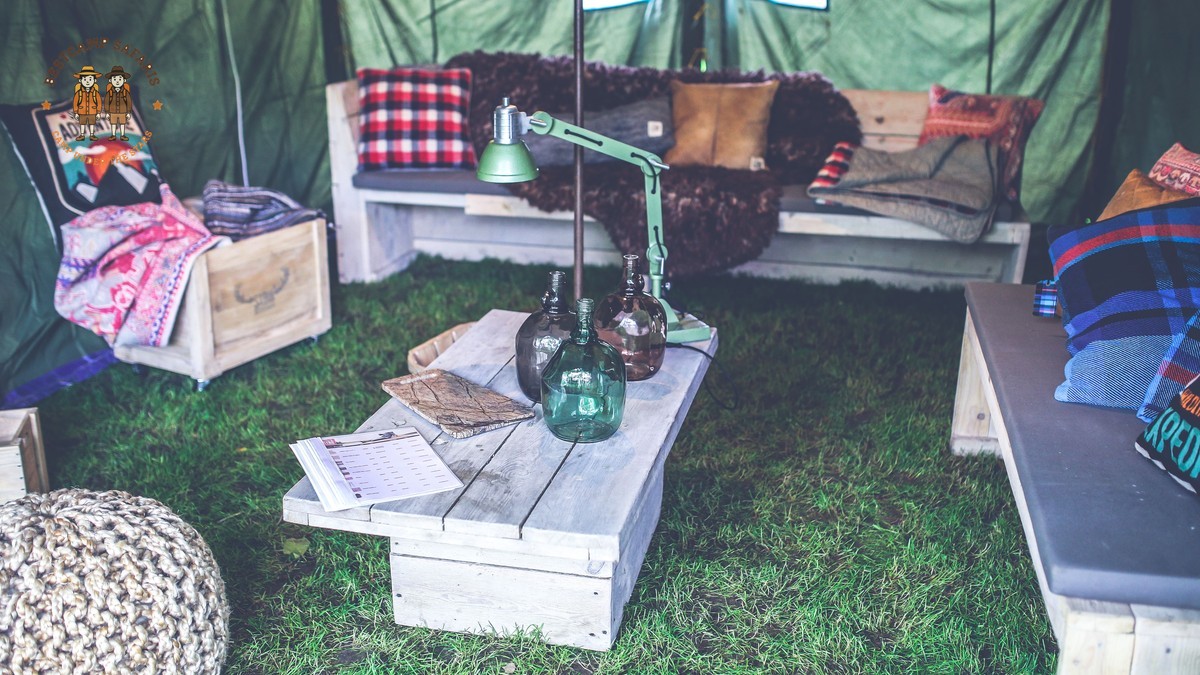
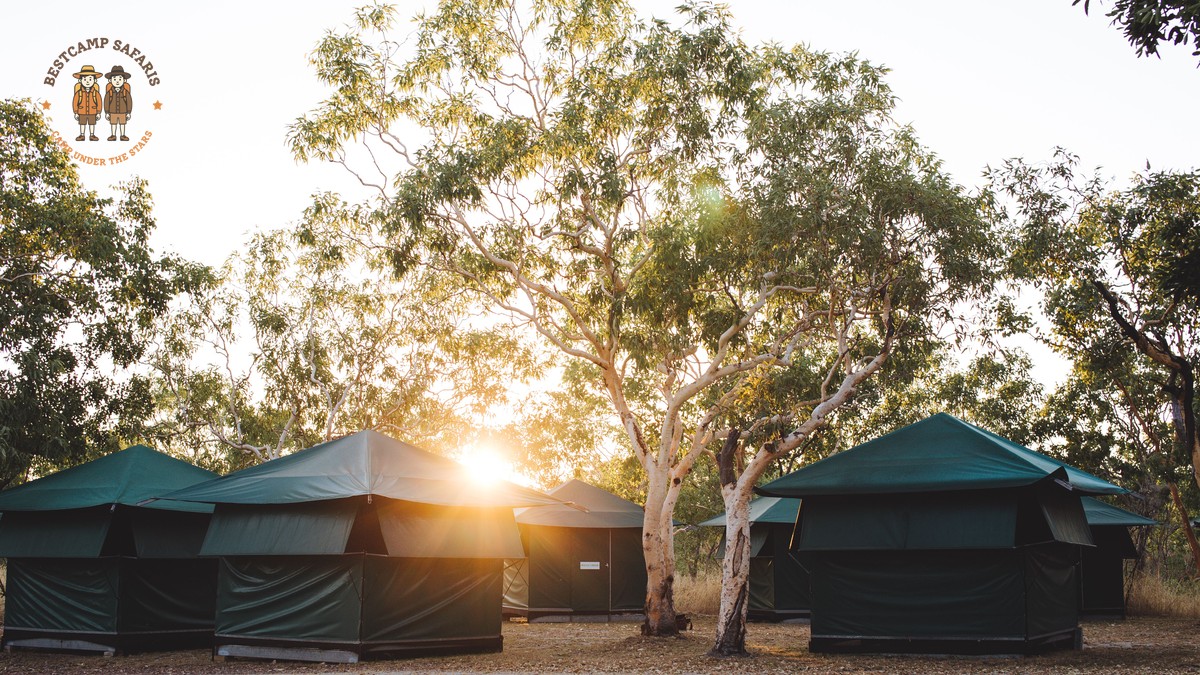
Mobile camping tents are walk-in canvas, often Meru-style, with real beds, sheets, and pillows rather than sleeping bags on the ground. Budget setups use shared dome tents with floor mattresses and communal ablutions. Classic and luxury tiers add private en-suite bucket showers and a flush or chemical toilet beside each tent, so you’re not walking across camp in the dark. A Meru tent safari usually means a canvas structure tall enough to stand in, with a small veranda where staff leave a bowl of hot water before dawn.
Meals and Dining
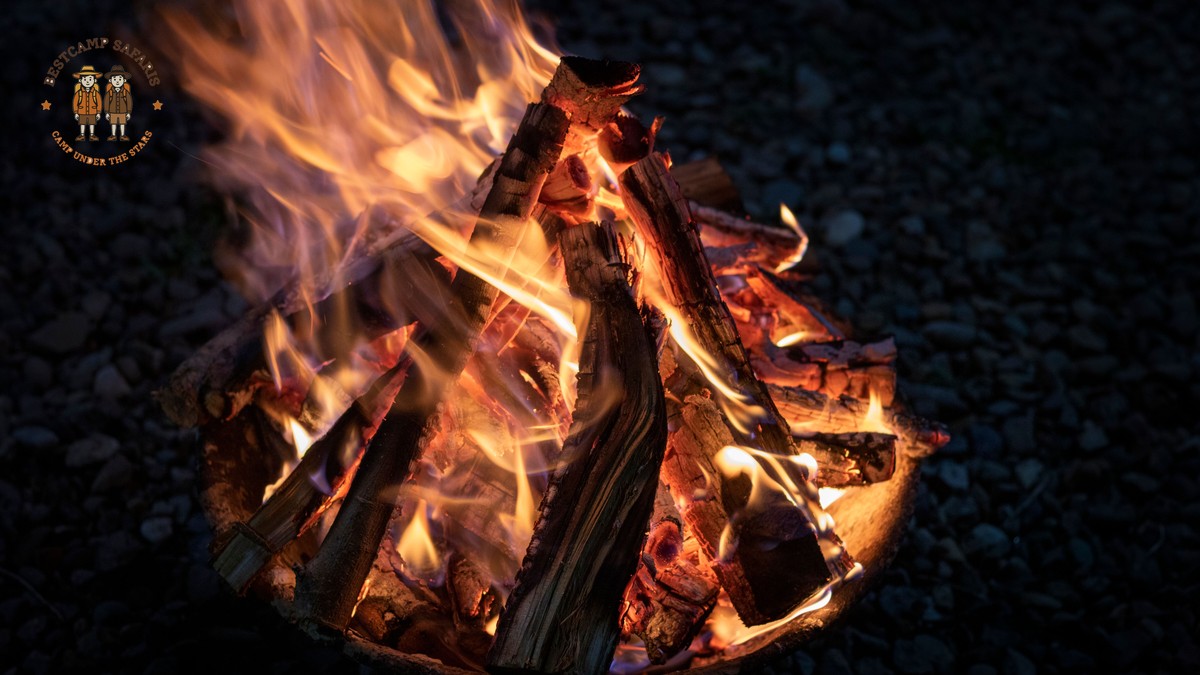
Three meals a day are included, cooked fresh over an open fire or camp kitchen by a dedicated safari chef, and served at a mess tent or fireside table. Expect a cooked breakfast, a packed or plated lunch depending on the day’s drive, and a multi-course dinner under lamplight. Soft drinks are included. Alcohol usually costs extra unless your operator says otherwise. I’ve watched a chef pull a sponge cake out of a buried charcoal oven in the middle of nowhere, no electricity in sight.
Staff and Guiding
A mobile camp travels with a private guide, a dedicated safari chef, and two to four camp assistants who set up and strike the tents, cook, clean, and handle every chore. Guests never touch the logistics. Guide-to-guest ratios stay small, typically one guide per vehicle of four to six people, which means more one-on-one time in the field than a shared lodge vehicle allows.
Vehicles and Activities
A private 4×4 vehicle and driver-guide are included for twice-daily game drives, plus walking safaris or night drives where local regulations allow. Because the camp relocates to follow wildlife, the exact activities shift with location. Sightings typically draw far fewer other vehicles than at a fixed lodge near a park gate, which is the whole point of going mobile.
What Mobile Camping Costs Per Day
Mobile camping splits into three tiers. Budget camps have shared dome tents and communal bathrooms and run $350 to $550 per person daily. Classic camps add private en-suite Meru tents and run $600 to $950. Luxury camps add larger tents and premium dining, starting near $950 to $1,200. Kenya’s Samburu and Laikipia camps span most of that range, with rates from about $350 for budget setups up to $950 or more for full luxury.
| Tier | Price/person/day (USD) | Tent setup | Bathroom |
|---|---|---|---|
| Budget | $350-$550 | Shared dome tent, floor mattress | Communal bucket shower and toilet |
| Classic | $600-$950 | Private walk-in Meru tent | En-suite bucket shower, chemical or flush toilet |
| Luxury | $950-$1,200+ | Large Meru tent with sitting area | En-suite flush toilet, hot bucket or gravity shower |
For a closer look at how these numbers shift by location, see how mobile camp rates compare across Laikipia.
Mobile Camping vs. Fly Camping
Fly camping is a lightweight, one- or two-night add-on where a small crew sets up simple dome or net tents with a mattress on the ground the same day you arrive, usually as a side trip from a base camp. Mobile camping is the primary camp for the whole trip, with proper beds, en-suite bucket showers, and a full crew, and it relocates every few days rather than every night. If your itinerary says “fly camp” for one night out of five, that’s an extra, not the whole holiday.
Mobile Camping vs. Permanent Tented Camps
Permanent camps and lodges stay fixed year-round with more electricity, WiFi, and amenities like pools, while mobile camps relocate every few days to track wildlife and offer simpler but more intimate facilities. Choose mobile camping for close-up migration or predator action, and choose a permanent camp for reliability and comfort. Most travelers on a longer itinerary do both, splitting nights between the two.
What to Pack
Pack lightweight, neutral-colored clothing, a warm layer for cold dawns since temperatures can drop to 8-12°C, a headlamp, and a soft-sided duffel since hard suitcases rarely fit in safari vehicles or light aircraft. Camps typically provide bedding, towels, and basic toiletries, so check your operator’s gear list before over-packing. BestCamp Safaris sends every guest a full checklist before departure, covering what to pack for a mobile camp and exactly what gear your camp provides, so nothing gets left off the plane by mistake.
That last part is where BestCamp Safaris differs from a lot of operators listing tents and meals on a webpage. We build the crew, vehicle, and camp layout around your specific route, not a fixed template, so a camping safari in Samburu looks different from one in Laikipia even at the same price tier.
If you’re still picturing what your own mornings would look like, that’s the right question to sit with. Every mobile camp runs a little differently depending on the guide, the crew, and the ground you wake up on. Have a look at BestCamp Safaris’ trip pages to talk through which tier and route fits what you’re after.


