
 Adventure Tours
Before the sun comes up, Meru National Park smells like dust, river mud, and smoke. A Meru National Park walking safari often starts exactly this way. You wake in canvas, pull on boots in the dark, and drink tea while a ranger checks a radio.
Today’s plan does not need an engine. You are going to walk.
At roughly KES 3,000, or about USD 23, per person per day for an organized walk, Meru is one of the most affordable places in Kenya to leave the vehicle behind. The walk fee is the headline, but a realistic trip also depends on park fees, ranger rules, and where you sleep. This guide fills in the details.
What is a Meru National Park walking safari?
A Meru National Park walking safari is a guided bush walk, usually two to three hours long, along riverine forest, open savannah, and low rocky hills. You move on foot while a guide reads tracks and an armed ranger watches the surroundings. In Meru, every route depends on that day’s wildlife report.
Meru covers about 870 square kilometers but sees a fraction of the visitors the Masai Mara does. Walkers head out early, often before the heat builds. On a good morning, a route of six to eight kilometers will stop constantly. You watch a dung beetle roll a ball, you squat beside an elephant footprint, and you learn why a thorn tree has bark missing at exactly giraffe height.
This is not a race from sighting to sighting. It is slow travel, and it changes the way you read the bush.
How much does a Meru National Park walking safari cost?
An organized Meru National Park walking safari costs KES 3,000, or about USD 23, per person per day. That published KWS rate covers the guided walk itself. It does not include park entry or the armed security escort, so those costs appear separately in your total.
Meru National Park park fees for non-resident adults currently run near USD 70 per 24-hour visit under KWS guidance. Treat that as a planning estimate. Kenya park fees change periodically, so the operator responsible for your booking should confirm today’s exact number before you pay.
| Park | Non-resident entry fee per adult/day | Published guided walking fee | Camping character |
|---|---|---|---|
| Meru National Park | Around USD 70 per 24 hours, confirm at booking | KES 3,000 (about USD 23) per person per day | Quiet camps along riverine country |
| Lake Nakuru National Park | USD 90 | Usually arranged with a guide or lodge | Compact park, easy access |
| Tsavo East National Park | USD 80 | Usually arranged with a guide or lodge | Wide-open bush and remote sites |
| Chyulu Hills National Park | USD 40 | Usually arranged with a guide or lodge | Hill walking with views toward Kilimanjaro |
| Nairobi National Park | USD 80 | Not the main draw for walkers | Quick half day near the city |
One warning about packaged quotes: lodges sometimes include a short nature walk in the room rate. This is not always the same as a KWS group walking safari. Ask whether entry, ranger, and walk fee are included or separate before you compare.
A self-driver who stays in KWS bandas pays entry at the gate and then books the walk through the park. When BestCamp Safaris builds a Meru camping safari, all these lines sit in one clear quote, with no surprises at checkout.
Where can you go walking in Meru National Park?
Most Meru National Park walking safaris start along sections of the Rojewero and Ura rivers, with extra guided walks near Kinna and Murera. Mughwango Hill is the standout for views across the Meru plains toward Mount Kenya. Routes shift with animal movement, water levels, and the ranger’s safety call.
A classic Meru National Park bush walk follows the Rojewero where the current slows around sandbanks. The trees lean over the water, and the ground stays soft enough to hold perfect prints. On the Ura side, you can walk near the historic ground where George Adamson raised orphan lions before the Born Free story made Meru famous.
Mughwango Hill takes you higher, where the air dries and the view opens toward the mountain. Your ranger may call another stop on a low kopje. You sit, drink water, and just listen to the wind move through the acacia.
What wildlife can you see on foot?
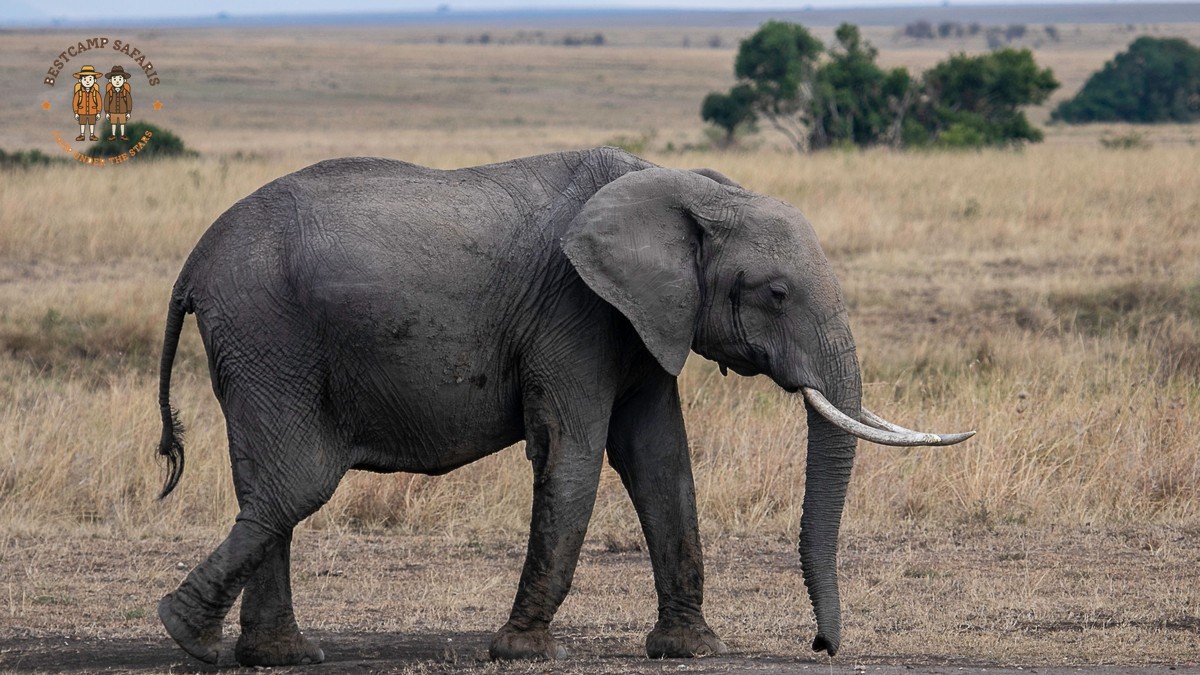
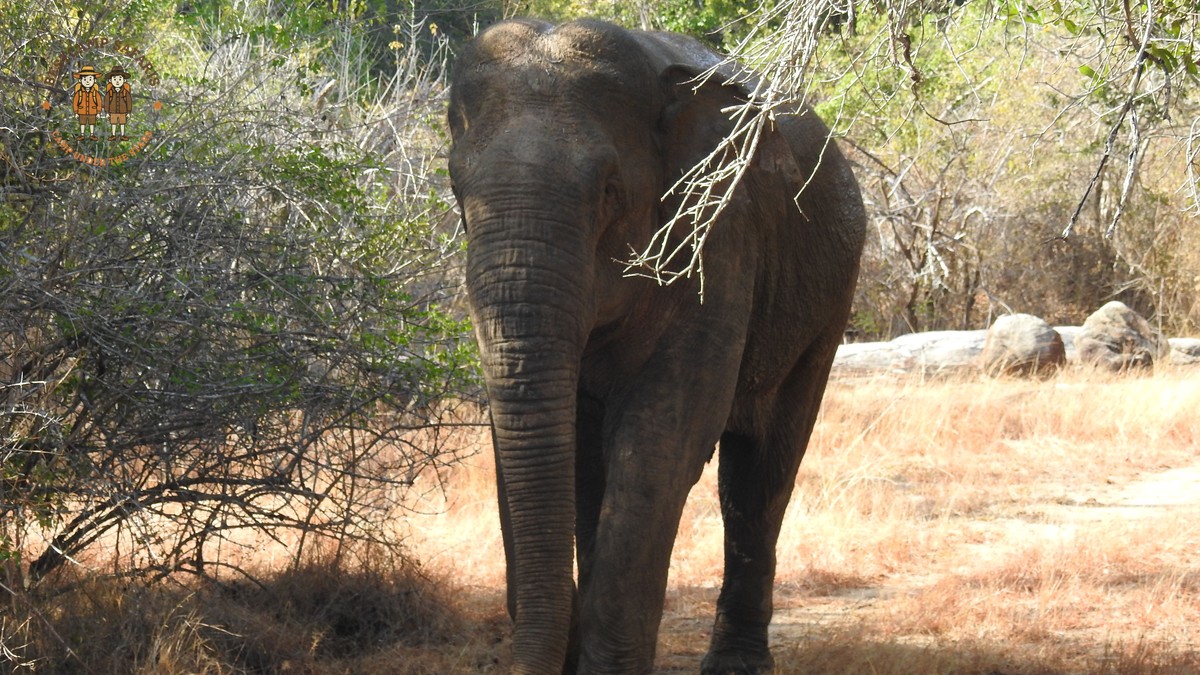
On foot, Meru rewards signs more than sightings. You may find footprints, dung, resting places, bones, and bird calls long before you see the animal that made them. Elephants, lions, rhinos, hippos, and buffalos live here, as do Grevy’s zebra and bohor reedbuck.
When an elephant crosses the river ahead, you know by the splash and the sudden lift of oxpecker heads. A rhino mud wallow tells its own story. Reticulated giraffe often watch you from the open woodland, while lesser kudu slip away through thick bush.
The scale of the park becomes personal. You stand where an animal stood hours earlier. You smell what it smelled. That is the point of a walk.
Is walking in Meru National Park safe?
Walking in Meru is safe only with an authorized guide and an armed KWS ranger or approved escort. The park is home to elephant, buffalo, lion, leopard, and rhino, so independent walking is not an option. Rangers choose the route and timing and can cancel a walk if conditions are wrong.
If you are searching for an armed ranger walking safari, Meru is the kind of park where the system feels routine. The ranger carries a rifle but also a radio. You follow instructions, keep noise low, and stop when told.
Camp safety follows the same logic. If you need to cross camp after dark, use a torch and tell someone. Keep your tent zipped. The ranger on duty is there to watch the boundary while you sleep.
Which Meru National Park camps make walking easy?
The best bases are Elsa’s Kopje, Rhino River Camp, Offbeat Meru Camp, Leopard Rock Lodge, and KWS self-catering bandas. They differ hugely in price, comfort, and style. Before booking, confirm who arranges the guide, the armed ranger, transfers, and the walking fee.
For tent lovers, the choice usually comes down to budget. KWS bandas offer simple self-catering shelter for travelers who already own gear. Tented camps like Offbeat Meru Camp put canvas between you and the night air. Elsa’s Kopje and Leopard Rock Lodge lean toward lodge-style luxury, costing several hundred dollars per person a night.
The practical camp also matters. A base near the Rojewero means less driving before your walk starts. Ask how far the property sits from the walking zones and whether the camp vehicles drop you at the trailhead. If you are weighing the option against another northern park, our guide to Meru versus Samburu for a camping safari explains the different rhythms of each.
What is the best time for a Meru National Park walking safari?
June to October and January to February are the easiest months for walking, with dry ground and predictable access. Short rains can arrive in November and December. The long rains of April and May can turn roads muddy and close some camp tracks, but they also soften the landscape and sharpen birding.
A dry-season walk means firmer footing on riverbanks and clearer views from the hills. You can still walk outside those months, just keep your plans flexible. If the route grows slick, the ranger will adjust rather than push you into a risky crossing.
Walkers who want private conservancy style as well can look north. Our Laikipia mobile camping itinerary shows how guided walking works on a different patch of Kenya.
How do you book and prepare for a walking safari in Meru?
Book through a safari operator, lodge, or KWS-approved channel before you arrive. Confirm the guide, armed ranger, meeting point, duration, price, and park-entry requirements in writing. Then pack closed hiking shoes, lightweight long trousers, sun protection, water, insect repellent, binoculars, and a small first-aid kit.
Think in layers. Mornings in Meru can hold a chill, while mid-afternoon heat is real. Choose neutral colors and sturdy soles, because you will cross sand, gravel, and damp river edge in one morning. Carry at least two liters of water per person on longer walks.
For a total trip budget that includes transport, campsites, and meals, start with our Kenya camping safari price breakdown. It turns the walk fee into a realistic safari number.
Frequently Asked Questions
Can you do a walking safari in Meru National Park?
Yes, walking safaris are available in Meru National Park on selected routes with a guide and armed ranger. Walks are usually arranged in advance and are not guaranteed to operate every day because route choice depends on wildlife and safety conditions.
How much does a walking safari in Meru National Park cost?
KWS lists organized group walking safaris at KES 3,000, or about USD 23, per person per day, excluding park entry and security. Add the applicable park fee, guide or operator charges, transport, and accommodation when calculating the total trip cost.
Do you need an armed ranger to walk in Meru National Park?
Yes, visitors should walk only with an authorized guide and armed ranger or approved security escort. Meru supports large predators and other dangerous wildlife, so independent walking is not an appropriate option.
What animals can you see on a Meru walking safari?
A walking safari focuses on tracks, dung, birds, insects, plants, and habitat details, but you may also see or read signs of elephants, lions, rhinos, hippos, Grevy’s zebra, and bohor reedbuck. Sightings are never guaranteed and depend on the route and current animal activity.
What is the best time to visit Meru National Park?
June to October and January to February are generally the best months for comfortable walking and easier road access. The short and long rains can produce greener scenery and strong birding, but April and May may bring muddy roads and some temporary closures.
The BestCamp Safaris Difference
Most people book a walking safari as an afterthought. We prefer to build a camping safari around the walk itself. BestCamp Safaris plans camping safaris in Meru and across Kenya, and our guides understand that a route on foot is just as important as a game drive.
When you travel with us, one team handles park entry, walking permits, rangers, tents, food, and that early tea. If the ranger calls off a walk because of close elephant, we adjust the day instead of rushing you past the reason. We camp where canvas separates you from the night, and we walk out again at first light. That is the version of Meru we want you to remember.
Plan Your Meru Walking Safari
Ready to plan a Meru National Park walking safari? Give us your dates and we will suggest a route built around two or three bush walks, a quiet campsite, and the right amount of time on foot. BestCamp Safaris handles the details from Nairobi to the first night in camp. Reach out on our contact page and we will shape an itinerary for your boots.


