
 Adventure Tours
If you have seen the Mara on a full morning game drive, Laikipia will feel different. This is a camping safari where the walk is the point, not just the transport. My best mornings there started before dawn, when tea arrived while the camp was still being packed around me. If you are comparing destinations first, read Laikipia versus Masai Mara camping.
How many days do you need for a Laikipia mobile camping itinerary?
Plan for 4 to 6 nights for a worthwhile Laikipia mobile camping itinerary. Four nights can cover a compact walking route. Six nights allows four mobile-camp nights followed by two recovery nights at a permanent camp such as Tumaren Camp. Shorter trips are possible but leave less time for transfers and acclimatisation.
I would not run a Laikipia walking safari under four nights. The access day uses too much of the first afternoon. Your legs also need time to learn rocky ground and rough paths. Six nights gives you active mornings plus enough slow afternoons to let the landscape sink in.
What does a realistic six-day Laikipia mobile camping itinerary look like?
A practical six-day plan is: Day 1, fly from Nairobi to Loisaba or Nanyuki and transfer to camp. Days 2 to 5, walk between mobile camps with camel support. Day 6, finish at Tumaren Camp or an airstrip and fly onward. Add two rest nights if you want more comfort after the walking section.
No two operators run the same line. Your guide adjusts by water, wildlife movement, and group fitness. Use the shape below as a template.
Day 1: Fly from Wilson Airport to Nanyuki or Loisaba. Meet the guide, complete the road transfer to camp, and take a short walk before dark.
Day 2: Wake before 6am for tea and breakfast. Walk 10 to 16 km while camels move the tents ahead. Stop for a bush lunch and reach the next camp by early afternoon.
Day 3: Walk another active morning, then rest under canvas during the heat. In the evening, take a slow walk or close the day with a sundowner.
Day 4: Head toward a water source or rocky ridge. Depending on your route and season, the afternoon may add swimming, kayaking, fishing, or a game drive in a support vehicle.
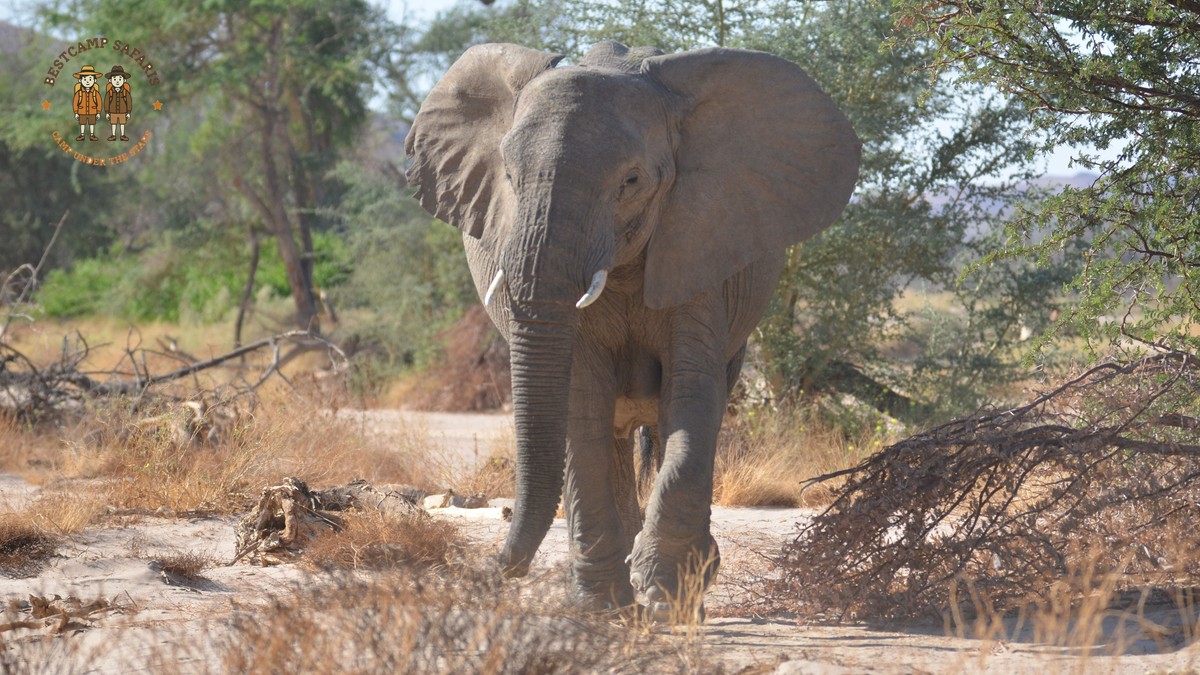
Day 5: Make the last full move toward the exit airstrip. Listen for elephant breaking branches and ask the guide to read the tracks you pass.
Day 6: Take a short morning walk, breakfast outside, then transfer to Tumaren Camp or the airstrip for a shower and the flight back to Nairobi.
How do you get to Laikipia mobile camps from Nairobi?
The fastest access is a scheduled or charter flight from Nairobi’s Wilson Airport to Loisaba, Nanyuki, or another nearby private airstrip, followed by a camp transfer. Driving from Nairobi generally takes about five to six hours to the Laikipia area. Confirm the exact airstrip and final transfer when booking because routes depend on camp location.
For a fly-in Laikipia safari from Nairobi, book the morning flight. The road from Nanyuki to many camps runs for roughly 60 to 90 minutes on murram, which gets slow after rain. Ask whether your day rate includes the internal flight or whether it comes as a separate ticket.
What is each day like on a Laikipia walking safari?
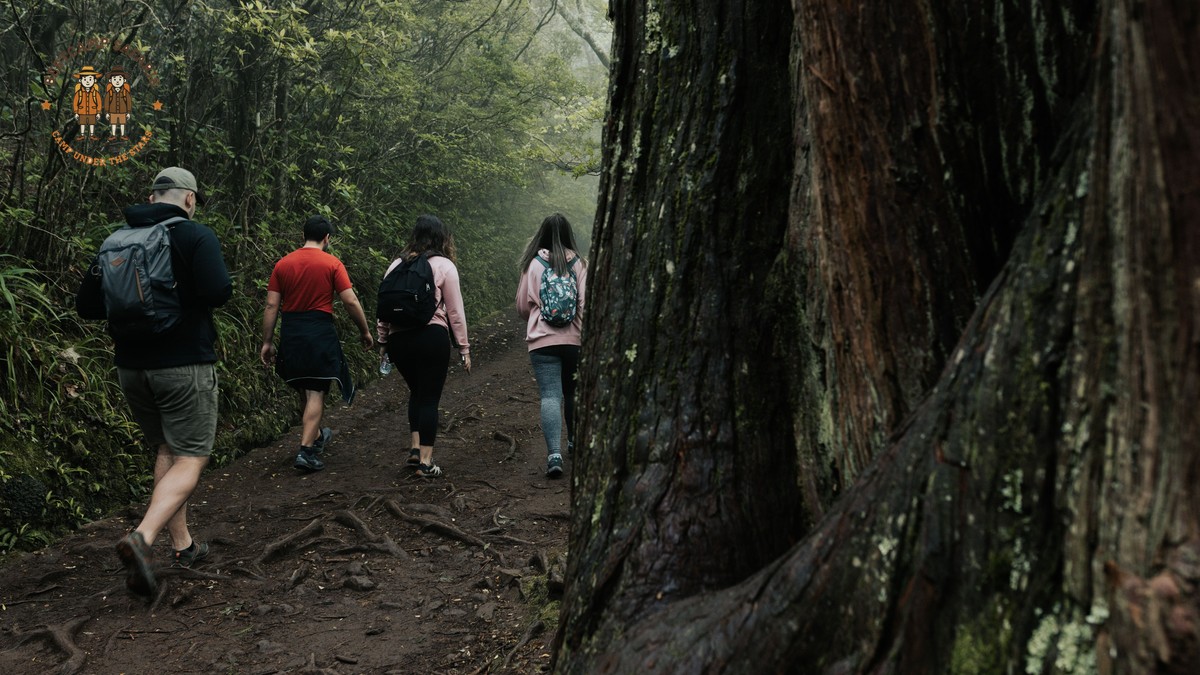
Most days begin with an early breakfast and a guided morning walk to the next campsite, while the camel team moves equipment ahead. Guests usually arrive around lunchtime, rest during the hottest hours, then choose an evening walk, wildlife activity, sundowner, or camp-based relaxation. This rhythm combines active mornings with unhurried afternoons.
The night before a move, you hear the camp wake up in the dark. Canvas rustles, tent poles clank, and the ground crew talks in low voices. At 5am, the ground under your sleeping mat feels hard before coffee changes your mood. Camp tables fold, the fire dies, and by the time the sun is fully up, the only proof of last night is flattened grass. That is the point of a mobile camp.
How far do you walk each day on a Laikipia walking safari?
Expect roughly 10 to 16 kilometres of walking on active mornings, usually over uneven, hot, and sometimes rocky ground. The experience suits reasonably fit travellers who can walk for several hours and tolerate basic camp conditions. Guides can adjust the pace, but this is not a vehicle-only safari and should not be sold as effortless.
That range is honest. Some mornings feel like a warm stroll. Other mornings cross dry riverbeds or black cotton soil. Tell your operator if a 16 km day sounds too hard. They can shorten a stage and add a rest afternoon, but a walking safari still asks for sturdy boots, a day pack, and a little stubbornness.
How much does a Laikipia mobile camping itinerary cost?
Budget approximately USD 400 to USD 950 per person per day, depending on whether the trip uses a basic Air Bed and Camel setup, classic mobile camping, or a luxury camp. Higher rates generally include tents, staff, meals, drinks, activities, and internal transfers. International flights, some Nairobi accommodation, park or conservancy fees, and gratuities may cost extra.
The table below compares typical route lengths, not one exact operator.
| Route shape | Walking mornings | Mobile-camp nights | Access from Nairobi | Cost guide per person per day |
|---|---|---|---|---|
| 4-day compact | 3 mornings, 10-14 km each | 2 to 3 | Fly to Nanyuki or Loisaba; road transfer 60-90 minutes | USD 400-650 |
| 6-day balanced route | 4 mornings, 10-16 km each | 4 plus a final fixed stop | Fly to Nanyuki or Loisaba; road transfer 60-90 minutes | USD 450-800 |
| 7-day slower route | 5 mornings, 10-16 km each | 5 plus one or two fixed nights | Fly to Nanyuki or Loisaba; road transfer 60-90 minutes | USD 500-900 |
The daily rate sounds high until you read what it hides. On a basic camel-supported route, you pay for a full guiding team, camp crew, food, fuel, and equipment, not just a tent. Siruai can sit at the upper end because activity options require more staff and gear. Conservancy fees in private Laikipia land are often quoted from around USD 80 to 150 per person per night, and they may be separate, so ask for the full written arithmetic. Compare a lighter version on the Laikipia fly camping costs page before you decide.
When is the best time for a Laikipia walking safari?
The best timing depends on your route, rainfall, and whether the priority is walking comfort or wildlife concentration. Dry periods usually make tracks and camp moves easier. Green season can bring dramatic scenery but less predictable roads and walking conditions. Ask the operator which conservancies and airstrips remain practical for the month you plan to travel.
Many walkers prefer the drier stretches from June to September and from January to February. If you can move with the rains instead of fighting them, you will see greener valleys and fewer vehicles.
Which Laikipia mobile camps and route options should you compare?
Karisia’s camel-supported mobile camps suit travellers prioritising a moving walking route. Tumaren works well as a comfortable beginning or recovery stop. Siruai offers a more activity-rich mobile-camp base with game drives, walks, kayaking, and hiking. Choose the route by walking ability and desired comfort rather than by camp name alone.
Use the comparison table above as a yardstick, then test one or two operators. Confirm who moves the gear, whether the camp has solar lights or charging, how shower water is heated, and what happens if rain blocks the route. These are the same mobile camping safety checks in Kenya that matter at the booking stage. Good planning makes the ground at 5am easier to love.
The BestCamp Safaris Difference
Laikipia is easy to mismanage. A travel agent can book a lodge, add a game drive, and call it a safari. The BestCamp Safaris Difference begins with route design. BestCamp Safaris asks who in your group walks, how many rest stops you need, and whether a camel route or a permanent camp would suit your comfort level.
BestCamp Safaris then matches you with a named operator such as Karisia, Siruai, or Tumaren Camp. We confirm conservancy fees, transfers, and inclusions in writing before you pay. The result should feel like your walk, not someone else’s template.
Which Laikipia mobile camping itinerary should you choose?
Choose the six-day balanced route if you want a classic, camel-supported camping safari and you have time for four proper walking mornings. Choose the four-day compact plan if you are fit, short on time, and ready to walk from day two. Choose the seven-day slower route if you want to add a recovery night or two near Tumaren Camp.
When you are ready to plan, BestCamp Safaris can turn this Laikipia mobile camping itinerary into a clear package with dates, transfers, and a price. Start on the contact page with your group size and the walking style that feels right for you.


