
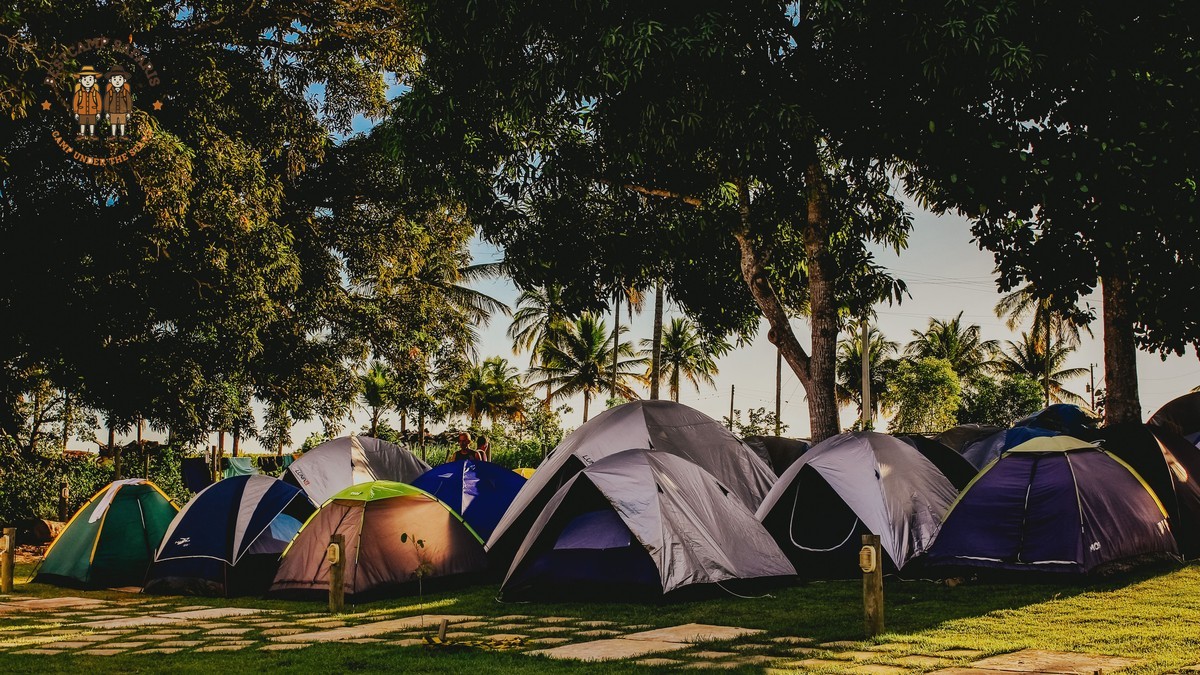
 Adventure Tours
On paper, a Laikipia fly camp experience is simple. You walk or ride into the bush, eat by fire, and sleep under canvas or open sky. In reality, the details decide whether it feels wild in the right way or just uncomfortable. This checklist tells you what to ask before you book a camping safari in Laikipia.
BestCamp Safaris has helped guests compare these options for years. The version below comes from nights spent on foot, by camel, and around campfires with named operators such as Laikipia Wilderness Camp, Sosian, El Karama, Sabuk, and Karisia.
1. Choose Your Laikipia Fly Camp Experience Style
A Laikipia fly camp experience is an overnight safari in a lightweight, remote camp reached by vehicle, foot, camel, or horseback. Expect a simple tent or bedroll, a campfire meal, guided wildlife viewing, and dark, quiet nights away from lodge facilities. Some trips return to a permanent camp, while others move between sites.
- Lodge sleep-out. The easiest test is one night away from a lodge such as Sosian, Sabuk, or El Karama. You walk a short distance to a platform or tent, with a real shower waiting the next morning.
- Walking fly camp. For a longer immersion, base yourself at Laikipia Wilderness Camp near Rumuruti. You carry a small day pack while staff set up the night camp ahead of you.
- Camel-supported safari. Karisia Walking Safaris runs routes with camels carrying food, water, and bedding. Some trips cross private ranches and finish near the Mathews Range, making this a true camping safari that moves with you.
2. Plan a Kenya Fly Camping Night
Most Kenya fly camping nights begin with a late-afternoon transfer or walk, followed by a sundowner, campfire dinner, and sleep in a small tent, open-air bed, raised platform, or bedroll. Guides remain responsible for camp security, while mornings usually bring coffee, breakfast, a bush walk, and wildlife tracking before departure.
- Around 16:00, you move from the main camp on a short walk or drive, sometimes only a few kilometres.
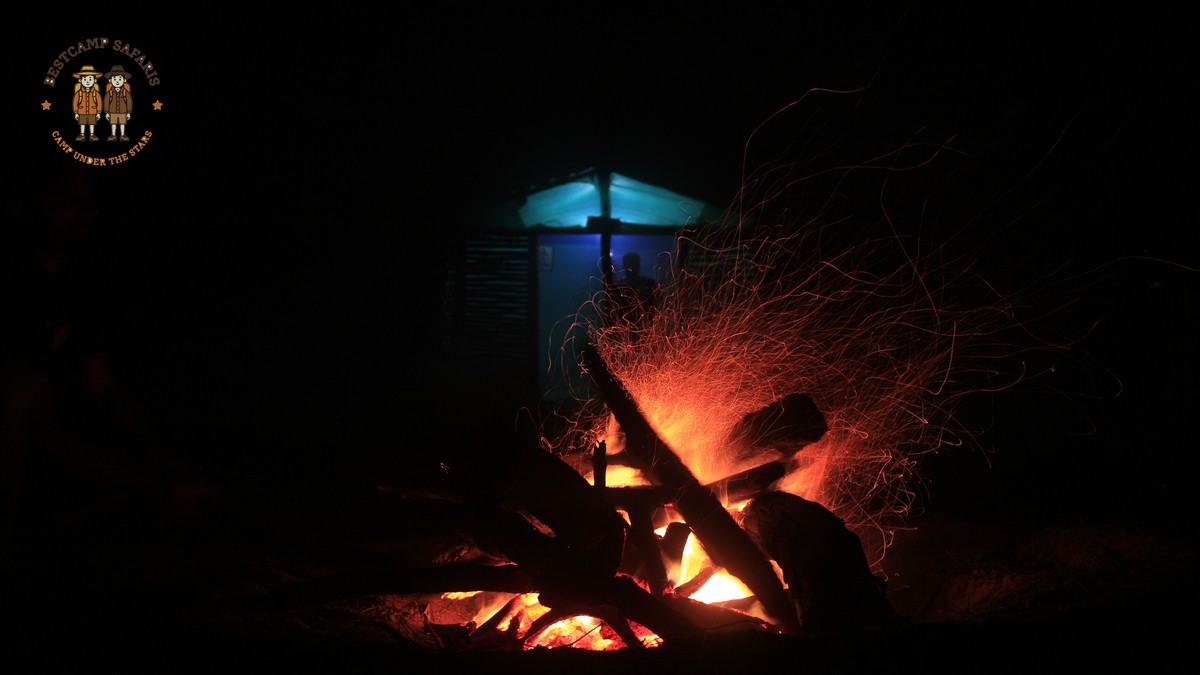
- At dusk, the crew lights the fire. Dinner is usually cooked over coals, and no one rushes you after dark.
- After dinner, you may sleep in a dome tent, under a netted bed, or on a raised platform. A guide stays close by through the night.
- At first light, coffee arrives, followed by a short game walk and breakfast. The camp is packed up soon after you leave.
- Bring a headlamp, since charging points are rare in fly camp and most devices only charge back at the base camp.
3. Understand Walking Safari Laikipia Distances
Walking safari Laikipia routes commonly involve four to six hours on foot and roughly 8 to 20 kilometres per day, depending on terrain, wildlife stops, and the itinerary. Camels or a support vehicle can carry tents, bedding, food, and water, and some operators can use camels to assist tired walkers.
- Ask for the daily route before you commit. Eight kilometres at altitude feels different from eight kilometres on flat ground, since Laikipia sits on a high plateau.
- Know that the walk is the point. Your guide will stop for tracks, birds, and elephant behaviour, so do not expect to cover distance quickly.
- Plan a rest day if you are new to walking safaris. A two-night route with one full walking day is kinder than three long days in a row.
- Confirm the support plan. A vehicle or camel should be available for tired walkers, and water is carried for you on longer routes.
4. Compare Where to Fly Camp in Laikipia
Laikipia fly camping is available through different styles of conservancy and lodge operation, including Laikipia Wilderness Camp, Sabuk, El Karama, Sosian, Ol Malo, Borana, and Karisia. Choose a lodge sleep-out for convenience, a camel-supported walking safari for immersion, or a private conservancy camp for more structured comfort and wildlife access.
- Sosian suits couples who want a mix of horse riding, walking, and sleep-out comfort.
- Laikipia Wilderness Camp is best for walkers who want simple canvas and experienced guides.
- Karisia is the strongest choice for a multi-night camel-supported route.
- Sabuk, El Karama, and Ol Malo all offer lodge-based sleep-outs with different levels of walking and family focus.
Before comparing quotes, run through our practical checks for choosing a Kenya fly camp. The right choice depends on fitness, travel style, and comfort needs.
5. Ask What Your Laikipia Fly Camping Cost Includes
A practical planning range for a fully supported Laikipia fly camping trip is about $650-$950 per person per day, although the final rate depends on camp category, group size, transfers, walking support, season, and whether activities are included. Published activity-only estimates can be much lower, so confirm exactly what the operator’s daily price covers.
For example, a four-day, three-night route for two people runs roughly $5,200 to $7,600 before flights. That covers guiding, food, equipment, transport, conservancy fees, and safety support.
| What you are paying for | Typical answer I hear |
|---|---|
| Daily all-inclusive fly camp rate | $650-$950 per person per day |
| Conservancy fee | Usually included, but ask; if listed separately expect an indicative $80-$150 per person per night |
| Specialist walking guide | Normally included in the daily rate |
| Movement between base camp and fly camp | Usually included |
| Alcoholic drinks and laundry | Often extra |
| Flight from Nairobi to Nanyuki | Usually extra |
- Ask what the quote excludes. Most camps leave out bar drinks, laundry, and gratuities.
- Check if the price is per person sharing. Solo travellers often pay a supplement.
- Confirm the number of walking days. A three-night walking route may include only two full walking days.
- Check the season. Rates often rise in July, August, and the dry months.
- See our page on the current Laikipia fly camping cost. It is updated when camps change their published rates.
6. Run the Fly Camp Safety and Packing Checklist
A professionally run fly camp should include an experienced guide, a clear security plan, suitable sleeping equipment, safe camp placement, drinking water, and emergency communications. Pack layered clothing, broken-in walking shoes, a headlamp, sun protection, insect repellent, a warm layer, personal medication, and a soft bag rather than a hard suitcase.
- Ask about the guide ratio. One guide should not be responsible for a large group at night.
- Request the security plan. A trained night guard should stay awake or remain within earshot.
- Confirm emergency communication. Many camps carry satellite phones or two-way radios, since phone signal fades in the bush.
- Wear shoes you have already tested. Blisters are the fastest way to ruin a walking safari.
- Pack in layers. Laikipia is high country. Nights can feel cold even after hot afternoons.
- Bring a soft duffel bag. Hard cases are awkward on a camel and inside small safari vehicles.
- Read our guide to mobile camping safety in Kenya for wildlife procedures, camp placement, and evacuation planning.
7. Decide Who It Is Really For
Laikipia fly camping suits travellers who value wilderness, walking, privacy, star-filled skies, and a simple campfire evening more than hotel-style amenities. It is a strong fit for active couples, families with older children, photographers, and repeat safari travellers, but less suitable for guests who need daily luxury facilities, short walks, or guaranteed close-up sightings.
- Choose it if you want silence. The trade-off for no lodge buffet is real wilderness.
- Skip it if you need daily en-suite bathrooms. Some fly camps have bucket showers or basic long-drop toilets. That is part of the deal.
- Try one night before a long route. BestCamp Safaris often tells first-timers to sleep out near their lodge before booking a five-night camel safari.
- Bring older children, not toddlers. Multi-night walking routes rarely suit young children. Lodge sleep-outs may suit families better, but confirm age rules with each camp.
Your Next Step: Test It for One Night
Start with a one-night lodge sleep-out in Laikipia. Send BestCamp Safaris your rough dates, fitness level, and number of nights. Ask for a written quote that lists the camp, walking distance, and inclusions. Once that plan feels honest, the stars can do the rest.
Ready to plan your laikipia fly camp experience? Contact the BestCamp Safaris team through the contact page and ask about sleeping out in the wild.


