
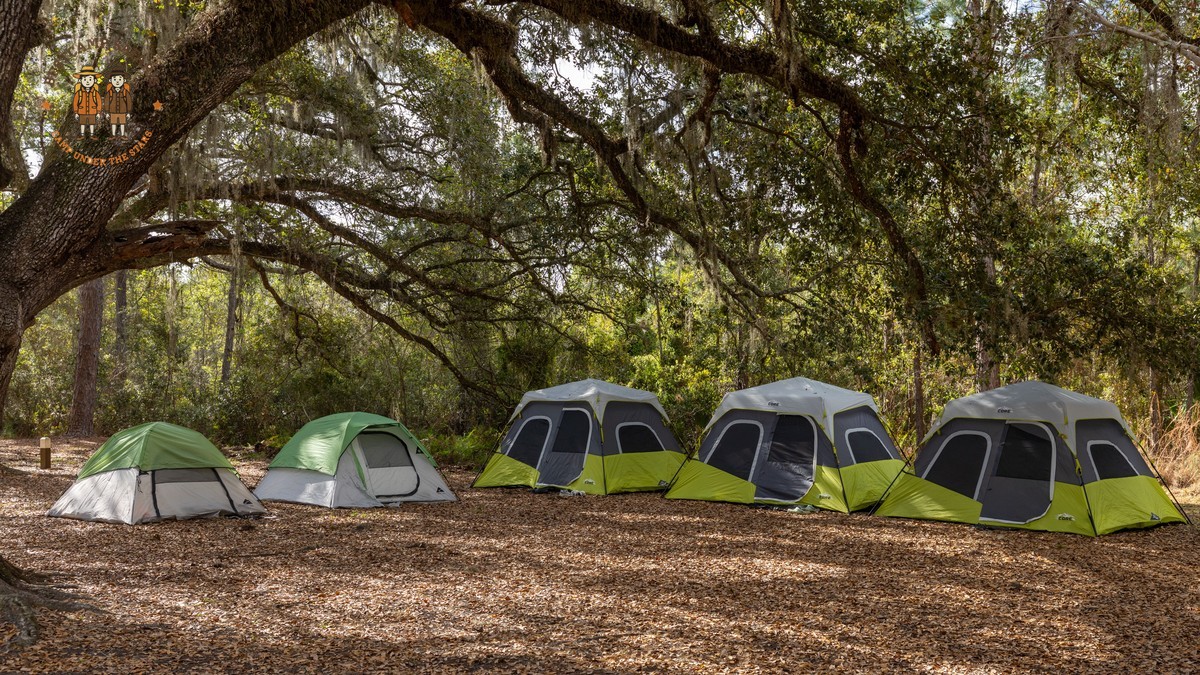
 Adventure Tours
Rain is not the biggest risk for a Masai Mara camping rainy season trip. Mud is. I have spent enough wet mornings in canvas to know the difference between a soggy trip and a good one. This guide is practical, not a weather lecture. You will get the months that work, the camp features that matter, and the road reality between Nairobi and the reserve.
1. The Honest Trade-Offs of a Green-Season Safari
The main benefits are lower accommodation rates, fewer vehicles, green scenery, cleaner air, strong birdwatching, and excellent photography conditions. The drawbacks are muddy roads, wet canvas, occasional flooding, disrupted drives, and some camps closing for maintenance. Rainy-season camping is best for flexible travelers who value solitude and price over guaranteed dry-road access.
If your dates are flexible, choose the end of a rain window rather than the peak. May is usually calmer than April. December is often easier than November. Avoid booking a pure fly camp for the first night after sustained rain if you do not want to carry gear over muddy ground. Save that for a dry spell.
2. Masai Mara Long Rains and Short Rains, Month by Month
The Masai Mara has long rains from March through May, with April usually the wettest month, and shorter rains in November and December. January and February are often a relatively drier break. Rain commonly arrives in afternoon storms rather than lasting all day, but timing varies by year.
For a camping safari, this makes May and November the best low-season compromises. The table below compares the two wet windows with the rest of the year.
| Period | Rain pattern | Reserve fee per adult/day | Camping verdict |
|---|---|---|---|
| Jan-Feb | Largely dry with brief showers | USD 100 | Good road access, dry-ish fly camps |
| Mar-May | Long rains; April usually wettest | USD 100 | Green scenery, few vehicles; mud risk near Talek |
| Jun | Start of cooler dry season | USD 100 | Dryer mornings with fewer high-season crowds |
| Jul-Oct | Main dry season | USD 200 | Migration camps full; roads usually reliable |
| Nov-Dec | Short rains | USD 200 | Fresh grass, afternoon storms, easier access than April |
The Narok County Government sets these reserve fees, not KWS. Camps inside a private conservancy like Naboisho or Mara North bundle entry into the nightly rate, roughly USD 80 to 150 per person per night. A mid-range tented camp in green season runs USD 180 to 350 per person per night, including meals and drives. Always confirm current rates before booking.
3. Pick a Camp That Is Not Afraid of Rain
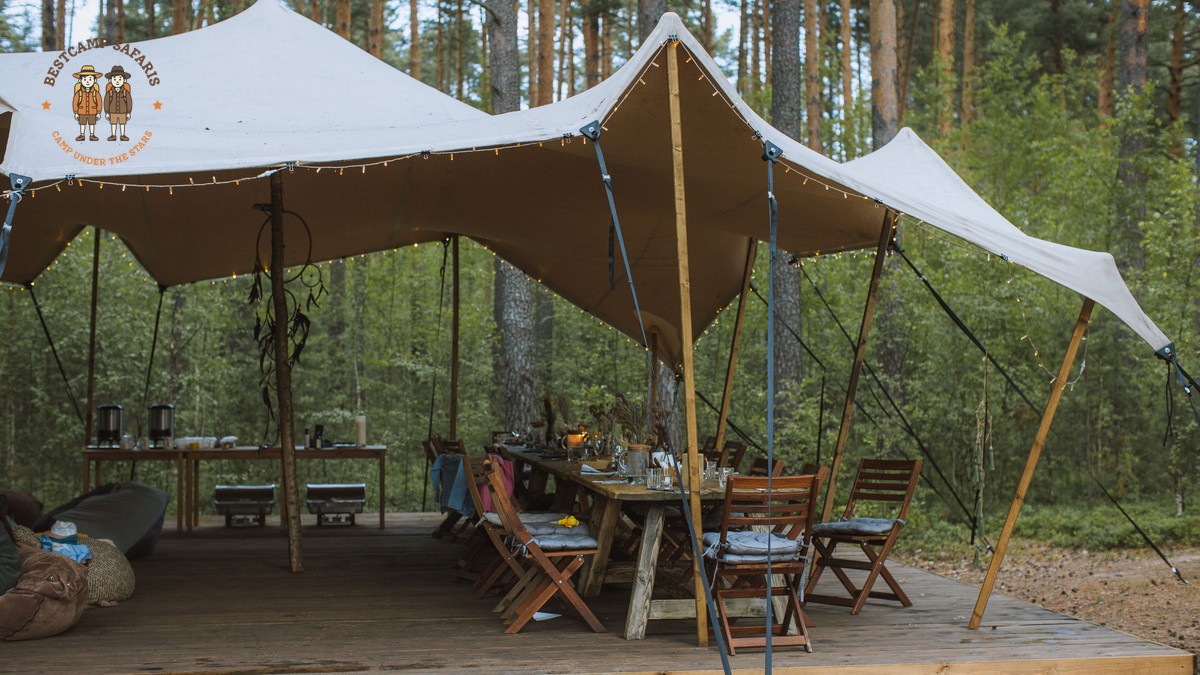
Rainy-season camping can be comfortable when the tent has a waterproof flysheet, a raised sleeping area, dry storage, and a sheltered dining space. Expect cool mornings, damp ground, and quieter camps. Comfort depends more on camp quality and drainage than on the calendar.
When I run Masai Mara camping rainy season trips with BestCamp Safaris, the wet-weather checks start before the first tent peg goes in. A proper rainfly should extend past the door. Camp beds go on small platforms or raised legs, never flat on the ground. Boots live under the awning, not inside your sleeping bag. Dry clothes stay sealed in separate dry bags.
Ask your operator how drainage works and where the mess tent sits. A sheltered dining space matters more than an extra side table. If you are new to the format, our Masai Mara mobile camp rainy-season tips covers setup. Also read fly camp versus mobile camp in the Masai Mara if you are torn between a walk-in site and a vehicle-based base.
4. Masai Mara Road Conditions After Rain
Rain can make Masai Mara tracks slippery and black-cotton-soil roads difficult or temporarily impassable, especially during sustained April storms. Game drives may start later or use different routes after heavy rain, while four-wheel-drive vehicles and flexible routing reduce disruption. Confirm the final road condition and transfer plan with the camp before departure.
Most drivers reach the reserve from Nairobi through Narok Town. The route to Sekenani Gate or Talek Gate runs roughly 270 to 300 km. Plan on five to six hours in dry weather, and seven to nine hours after heavy storms, sometimes with a wait at a river crossing. Rain usually arrives in bursts, which gives roads time to recover.
Black cotton soil around the Talek River turns into a slide after a downpour. If road time worries you, fly to Musiara Airstrip or Ol Kiombo Airstrip. Keep one full day on either side of your trip scheduled loosely.
5. What to Pack for a Masai Mara Camping Rainy Season
Pack a waterproof jacket, quick-drying layers, a warm fleece, and waterproof walking shoes. Add dry bags, spare socks, a headlamp, insect repellent, and a rain cover for camera gear. Use soft-sided luggage that staff can carry easily, and keep one full change of clothes sealed in its own dry bag.
Think wet camp mode, not just safari mode. A hooded jacket that covers a hat beats a fancy raincoat. Two pairs of quick-drying trousers beat jeans. Waterproof shoes handle the drives, sandals handle camp. Keep a spare set of underwear and a towel sealed by the tent door.
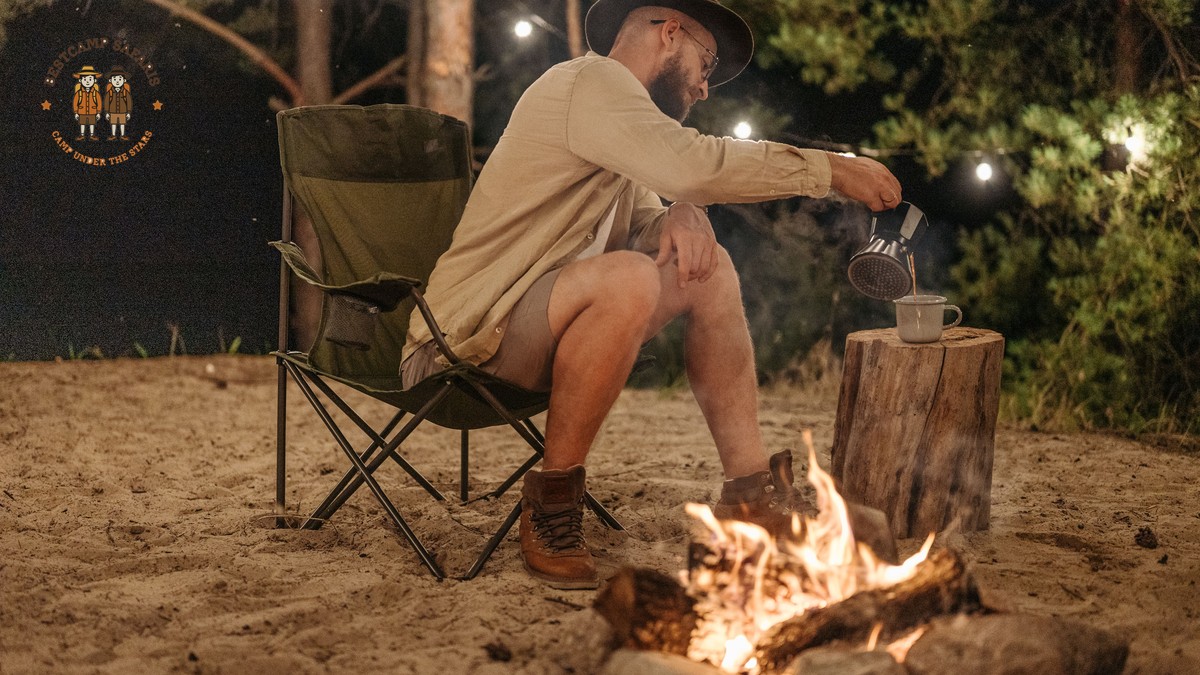
At 5am the world outside the tent is damp, and warm dry layers matter more than an extra lens. If you return after dark, camp staff meet you with lanterns and walk you in by lamplight. That small ritual is why a well-run camp feels easy in the rain.
6. Masai Mara Camp Closures, Low Season Prices, and Booking Advice
Some seasonal mobile and tented camps close during the long rains, especially in April and May, while permanent lodges with stronger all-weather access tend to stay open. Rates can drop 25 to 35% in low season, but weigh the savings against limited access and camp availability.
Do not assume a camp is open just because its website says green season. Ask for the exact operating calendar. Some camps close for two weeks. Others close for two months. Get the refund policy in writing.
BestCamp Safaris can route a Kenya camping safari through this period by using semi-permanent camps for the wettest weeks and fly camps only in drier windows. That split protects your nights without sacrificing the canvas experience. To build a budget, start with our Kenya camping safari price breakdown.
7. Green-Season Wildlife and Photography
Rainy-season safaris still offer strong resident-wildlife viewing, fresh grazing, migrant and resident birdlife, dramatic skies, and vivid green landscapes. Wildlife can be less concentrated than in the dry season, and heavy rain may interrupt a drive, but fewer vehicles improve sightings. Green-season photography is especially strong after showers when dust settles and light clears.
The long rains bring a flush of grass that spreads grazing animals out, but resident predators stay. Leopards hold territories along the Talek and Mara Rivers. Birders will find more migrants in the green season than in July. After a storm, wait a few minutes. The light turns soft, the dust settles, and herds appear on fresh ground.
Keep your camera in a rain cover between shots. Do not chase one perfect sighting. The Mara green season has fewer vehicles, so you can sit longer with a pride or a leopard without another car pressing in.
Plan a Rainy-Season Camping Safari That Fits the Weather
You do not have to gamble with the rain when the trip is built by people who know the ground. Tell the BestCamp Safaris team which Mara moments matter most to you, and we will match your dates to an open camp with a road plan that makes sense. Use the contact page to start planning, and pack your mud-sensible boots.


