
 Adventure Tours
You have seen the Mara from a lodge. It was unforgettable. Now you want canvas walls, a campfire, and mornings that start with birdsong instead of a buffet. The Meru versus Samburu camping question comes up often with repeat visitors ready to leave the main circuit.
Meru National Park is green and quiet. Samburu National Reserve is dry and dramatic along the Ewaso Nyiro River. They are different trips, and both work well as a camping safari.
Step through this checklist in order. You will end with the right park, the right nights, and a realistic daily budget.
1. Which Park Is Better: Meru or Samburu?
Choose Samburu for distinctive northern species, dry landscapes, and generally easier wildlife viewing. Choose Meru for greener scenery, fewer vehicles, rhino conservation, and a more secluded camping experience. Samburu is the safer single-park choice for first-time northern Kenya visitors. Meru suits repeat safari travelers who value habitat variety and wilderness over predictable sightings.
| What matters | Samburu National Reserve | Meru National Park |
|---|---|---|
| Famous for | Samburu Special Five and steady game viewing | Meru rhino sanctuary, varied habitats, quiet roads |
| Scenery | Dry scrub, red earth, Ewaso Nyiro River | Thirteen rivers, doum palms, forest and plains |
| Suggested nights | 3 nights, or 2 on a longer route | 2 to 3 nights, 3 for rhino mornings |
| Road transfer between the two parks | Around 190 to 250 km, commonly 4 to 5 hours | Same leg |
Use this table as the short version. The sections below go deeper.
2. Compare Wildlife and the Samburu Special Five
Samburu is the stronger park for reliably spotting Grevy’s zebra, reticulated giraffe, gerenuk, Beisa oryx, and Somali ostrich, often called the Samburu Special Five. Meru also holds several of these species, plus elephants, lions, cheetahs, buffalo, abundant birdlife, and protected black and white rhino areas. Thicker vegetation can make sightings less immediate.
Answer three wildlife questions before you commit:
- If all five northern specialists are your goal, Samburu gives you the best odds in the shortest time.
- If the Meru rhino sanctuary matters more, book Meru National Park and plan a full morning there.
- If big cats already fill your memory cards from the Mara, Meru rewards patience with space around every sighting.
3. Match the Landscape to Your Camping Style
Samburu delivers iconic dry-country scenery: red soil, open scrub, rocky hills, and the Ewaso Nyiro River. Meru feels greener and more varied, with thirteen rivers, doum palms, riverine forest, broad plains, and wooded areas. Choose Samburu for dramatic arid photography and Meru for lush habitats, solitude, and a stronger sense of remote wilderness.
The difference is sharp before sunrise. In Samburu, you step out into dry air and red dust while elephants cross the river. In Meru, mist sits over the doum palms and the bush feels almost green. That sounds like a small detail. In a camping safari, it changes the whole day.
4. Pick a Camp: Luxury Name or Mobile Canvas
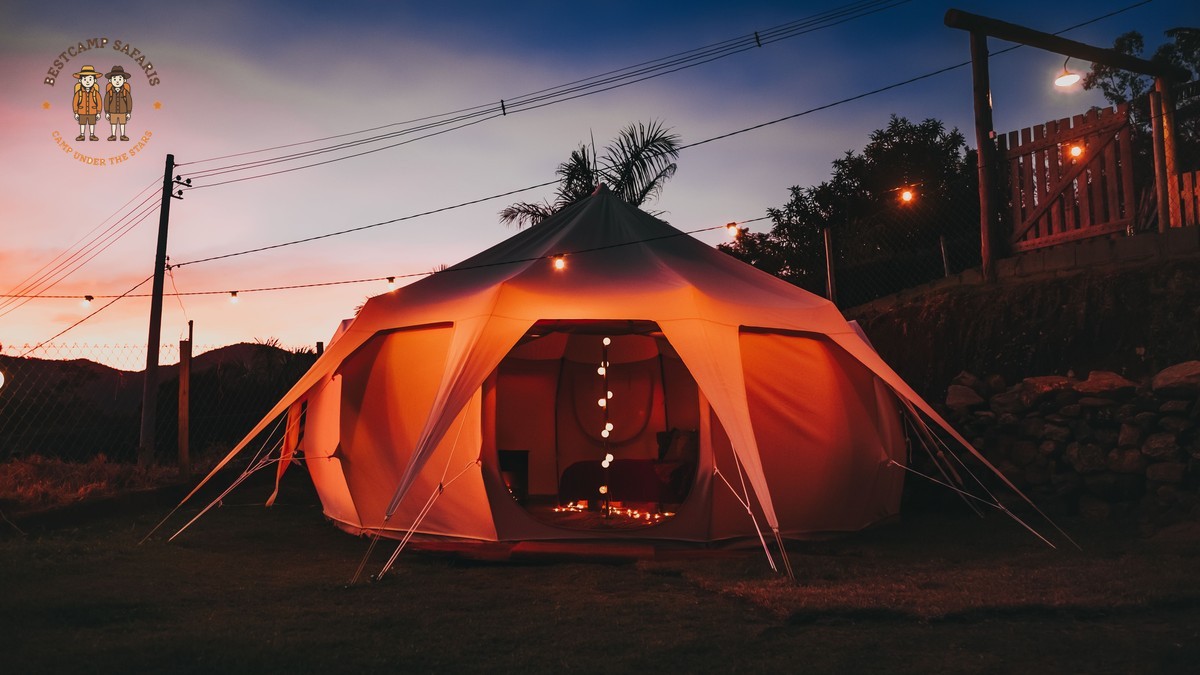
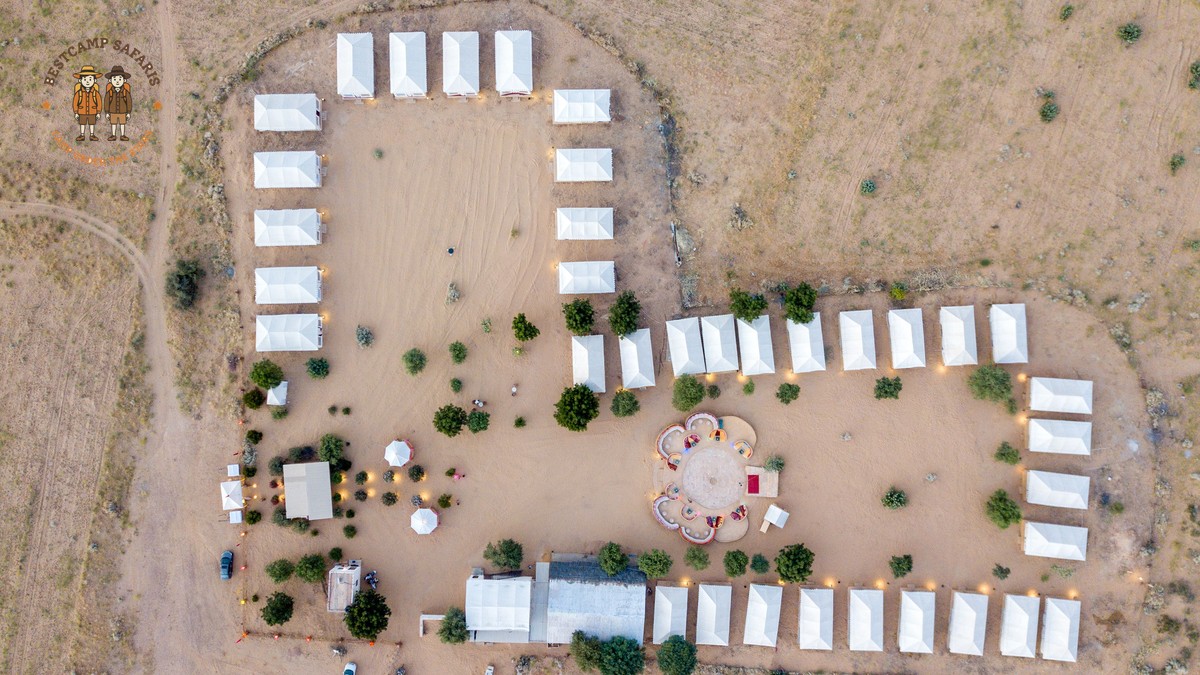
Samburu offers the widest range of camps, from budget lodges and mobile-style tents to riverfront and luxury properties such as Elephant Bedroom Camp, Samburu Intrepids, Saruni Samburu, and Sasaab. Meru has fewer camps but distinctive options, including Ikweta Safari Camp, Rhino River Camp, Elsa’s Kopje, and remote bush camping with fewer nearby vehicles.
Start your shortlist with these names:
- Samburu: Elephant Bedroom Camp, Samburu Intrepids, Saruni Samburu, or Sasaab for riverfront luxury.
- Meru: Ikweta Safari Camp for value, Rhino River Camp for bush comfort, Elsa’s Kopje for views.
- For real mobile camping, BestCamp Safaris handles the full routine, from bush breakfast to bucket shower.
If you are torn, read our mobile camp versus lodge comparison first.
5. Budget Safari Camp Prices and Park Fees
A practical camping budget is roughly $350 to $900 per person per day for a private or small-group Meru-Samburu circuit. Mid-range Samburu stays run about $350 to $600 per person per night. Meru options run from about $150 at Ikweta to $600 or more at premium camps. Park fees are extra or bundled differently by operator.
Ask these questions before you compare quotes:
- Does the rate include park entry, campsite fees, meals, guiding, and vehicle?
- KWS raised several non-resident fees in October 2025. For scale, Nairobi National Park is USD 80 per adult per day, and Chyulu Hills is USD 40.
- Meru runs on KWS rates, and Samburu is county-run. Confirm both current fees in writing.
- For mobile pricing on one side of the route, see our Samburu mobile camping costs guide.
6. Plan Road Time, Flights, and Logistics
Samburu is usually the easier first stop from Nairobi or Nanyuki. The road transfer between Samburu and Meru is approximately 190 to 250 kilometers and commonly takes four to five hours. Both parks can be reached by charter or scheduled safari flights, but flight schedules, airstrips, road conditions, and vehicle availability should be confirmed before booking.
Scheduling rules that save travel days:
- Leave Nairobi early. The drive to Samburu takes most of a day.
- When dates are tight, fly. Charters land at Samburu Airstrip and Meru’s Mulika Airstrip.
- Driving between parks? Nanyuki makes a sensible stop. This is the longest transfer on the route.
- Flexible dates? Kenya’s shoulder-season safari weather often means emptier roads and greener views.
BestCamp Safaris bundles road or air transfers with camp nights in one per-person quote.
7. Set Your Crowd and Game-Viewing Expectations
Samburu generally offers more predictable wildlife viewing but can have more vehicles around popular sightings and river areas. Meru is typically quieter and more private, yet its dense bush and riverine vegetation can make animals harder to spot. Samburu prioritizes sighting efficiency, while Meru prioritizes space, atmosphere, and exclusivity.
The signal is a 5 a.m. game drive. In Samburu, you may have company at the first river crossing. In Meru, you can drive long stretches alone. If your last safari had too many convoys, Meru feels like a treat. If your days are few, Samburu’s reliable sightings win.
8. Choose the Right Number of Nights
Allow three nights in Samburu for a focused northern-specialties safari, or two nights if it is one stop within a longer itinerary. Meru deserves at least two nights, with three nights better for relaxed game drives and rhino-focused exploration. A balanced combined circuit is six nights: three in Samburu and three in Meru, excluding extra time in Laikipia.
A six-night route could look like this:
- Days 1 to 3: Samburu National Reserve. Chase the Samburu Special Five along the Ewaso Nyiro.
- Days 4 to 6: Meru National Park. Use mornings for rhino habitat and varied game drives.
Return to Nairobi on day 7. With fewer nights, pick one park and spend all your time there. If you want to add a third stop, read our Laikipia camping extension guide before you book.
Your Next Step: Start Your Meru Versus Samburu Camping Safari
Your next move is concrete. Message BestCamp Safaris with your travel dates and ask for a proposal titled Meru versus Samburu camping. Then ask for named camps, per-person daily costs, and park fees in one quote. We will turn this checklist into a route.
Start planning your Meru versus Samburu camping safari with BestCamp Safaris.


