 Adventure Tours
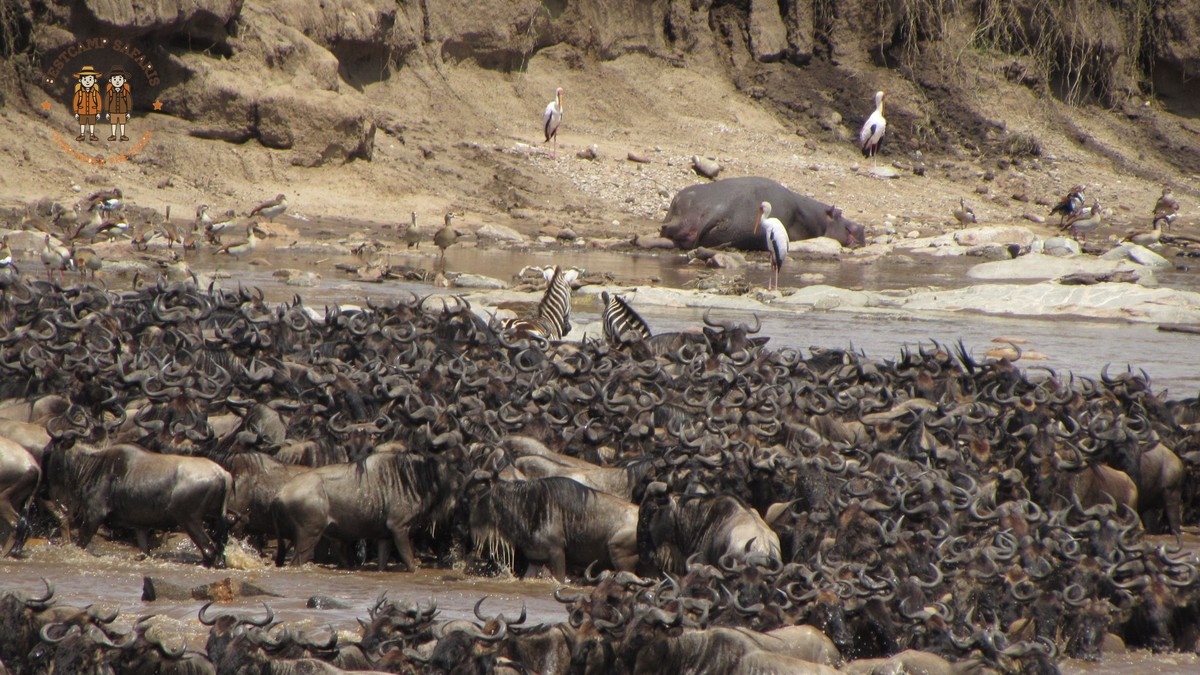
Every safari season I hear the same worry: you drive for hours, miss the crossing, and watch the herd scatter. You cannot control wildebeest, but you can control where your camp sits. In the Mara, camp location matters more than the camp name. It shapes your morning route, your golden-hour light, and how many vehicles gather at the same river bend. This guide maps seven strong Masai Mara migration camp locations by river access, gate, and realistic drive time.
Where are the best Masai Mara migration camp locations?
The strongest migration camp locations are around the northern Mara River, Musiara, the Mara Triangle, and the Talek River. Governors’ Camp and Little Governors’ suit northern river access. Mara Serena overlooks the Mara Triangle. Rekero sits near a Talek River crossing. Private conservancies offer fewer vehicles but may be farther from specific crossings. Here is the short version.
- Northern Mara River and Musiara Marsh. This pocket sits closest to the river bends where crossings happen most often. Governors’ Camp and Little Governors’ Camp are the classic northern bases.
- Mara Triangle. The western wedge between the Oloololo Escarpment and the river stays quieter. Mara Serena Safari Lodge sits right above it with excellent first light.
- Talek River and the central reserve. Rekero Camp is the wilderness name here. It places you near a Talek crossing and lets you pivot toward many sectors in one drive.
- Sand River and the southeast. Herds arriving from Tanzania often pause near the Sand River in early and late season. A mobile camp here cuts long repositioning drives.
- Olare Motorogi Conservancy. Porini Lion Camp limits vehicle numbers and allows night drives. You trade a longer run to the Mara River for private bush.
- Mara North Conservancy. Mara Plains Camp pairs big-cat density with strict vehicle rules. Walking and night drives add a new dimension to your day.
- Seasonal mobile camp location. Some camps move with the wildebeest. Ask the operator which month the camp will stand before you book.
Best camps near Mara River crossing points
For the quickest access to famous Mara River crossings, prioritize camps in the northern reserve near Musiara and the river, including Governors’ Camp, Little Governors’, and Sanctuary Olonana. Mara Serena is well placed for the Mara Triangle, while camps farther south may suit migration arrival periods but require longer game-drive repositioning.
Governors’ Camp spreads along a bank that gives your guide a short, direct run to the usual July to October crossing areas. Little Governors’ adds the charm of a boat ride across the river before dawn. Sanctuary Olonana sits on a private stretch, so you can wait with space around you. All three sit closer to river crossings than camps based on the Talek side.
Here is the honest part. Proximity to a crossing does not guarantee a sighting. Wildebeest read rain, grass, and river level. What a river camp gives you is time. You start within minutes of the action instead of spending those minutes driving from the far side of the reserve.
Masai Mara camps by reserve sector and gate
Musiara and the northern Mara are commonly accessed through Musiara-area routes. The Mara Triangle is associated with Oloololo access. The southeast uses Sekenani or Sand River approaches, and the Talek sector connects with Talek-area routes. Camp choice should match the crossings and wildlife areas you want, not just the reserve name.
Use this table as a starting point for comparing named areas and camps.
| Camp or area | Sector / access | Nearest gate / airstrip (indicative) | Transfer time (indicative) | Migration advantage |
|---|---|---|---|---|
| Governors’ Camp | Northern reserve, Musiara | Musiara Airstrip | About 15 minutes by vehicle | Close to Mara River crossing bends |
| Little Governors’ Camp | Northern reserve, Musiara | Musiara Airstrip | About 15 minutes plus short boat ride | Same river system, more intimate base |
| Sanctuary Olonana | Private Mara River bank | Musiara Airstrip | Around 20 to 25 minutes | Private river view with fewer vehicles |
| Mara Serena Safari Lodge | Mara Triangle, Oloololo side | Mara Serena Airstrip | About 5 minutes (2 km) from airstrip | Open triangle drives and wide scenery |
| Rekero Camp | Talek River, central reserve | Keekorok or Talek routes | 45 to 90 minutes | Talek crossings and flexible multi-sector drives |
Non-resident entry to the Masai Mara National Reserve is USD 100 per adult per day from January to June, and USD 200 from July to December. These rates come from Narok County, which runs the reserve, not Kenya Wildlife Service. Conservancies charge separately. Expect roughly USD 80 to USD 150 per person per night for conservancy access, bundled into your room rate. Always confirm current fees when you book.
Inside the reserve versus private conservancy camps
Camps inside the reserve usually provide the most direct access to reserve wildlife areas and established crossing zones. Private conservancy camps generally offer lower vehicle density, walking or night-drive possibilities, and more exclusive guiding, but they may sit outside the reserve and require longer transfers to particular Mara River crossing points.
I have camped in both settings, and the difference is real. A reserve camp such as Rekero lets you start before the gates open and be near river action in minutes. But reserve rules restrict walking safaris and night drives. In the Mara North, Naboisho, or Olare Motorogi conservancies, you can add those experiences. You also obey lower vehicle limits. For a photographer, that means more time with an animal and less time framed by bumpers behind you.
BestCamp Safaris often builds a mixed safari. Begin at a camp near the Mara River for crossing chances, then shift to a conservancy for the final two nights. That gives you the best of both without committing to one mobile camp versus lodge setup. If you need total stillness outside the tent, our camp privacy checks page lists the questions that matter.
How to choose a camp location for the Great Migration
Choose a northern river camp if river crossings are the main priority. Choose a Mara Triangle camp for western-Mara scenery and broad game drives. Choose a private conservancy for privacy and specialist activities. Check the camp’s seasonal operating dates, nearest airstrip, gate access, daily drive plan, and realistic transfer time before comparing rates.
Then ask four practical questions. Where will the herd be in the month you travel? Which gate or airstrip serves your chosen camp? Do you want a river view or open plains for photography? Will off-road vehicle rules affect the shots you want?
Read the seasonal operators’ calendar closely. Some river camps close from April to June. If you arrive in November, the herd may already be drifting south. A Sand River-area camp can beat a Musiara base then. The golden hour matters too, so check whether the camp faces east for sunrise or west for sunset. Compare dates carefully with our guide to quieter Mara months before locking in.
At BestCamp Safaris, we match the location to your dates, not the other way round. We build camping safaris with two moves: a river camp for crossing attempts, then a move into a conservancy for privacy. That keeps the morning light on your side and the vehicle count low during peak hours.
Plan Your Migration Camp with BestCamp Safaris
Ready to compare real river camps? Tell us your dates, and we will map the locations that make sense for the migration month. Our team can suggest the exact sector, gate, and airstrip transfer before you pay a deposit. Start with a free draft itinerary from BestCamp Safaris, no pressure. Plan your Masai Mara migration camping safari.