
 Uncategorized
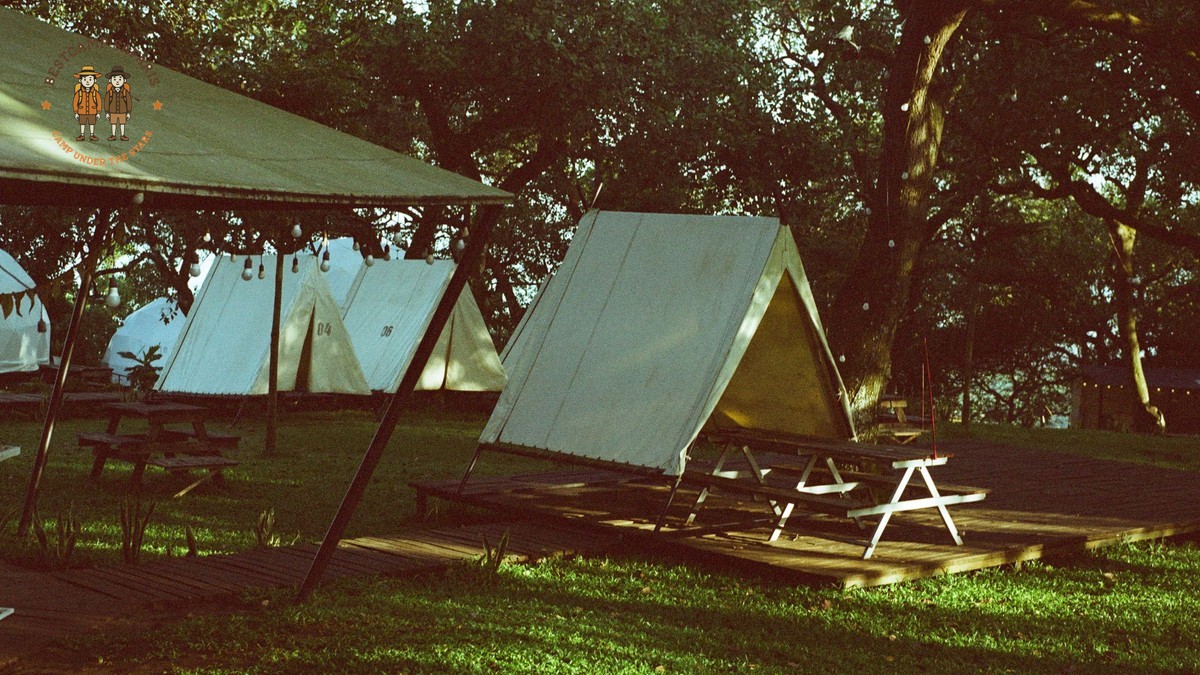
Your first night in a safari tent sounds simple: canvas walls, zipped door, camp bed. What guests rarely see is the cleaning routine behind that fresh smell of canvas and cotton. So how are safari tents cleaned? A tent that looks crisp after a dusty day does not stay that way by chance. Camps rely on seven housekeeping steps. Here is the order they usually follow.
1. How Are Safari Tents Cleaned Daily? Sweep the Floor and Remove Rubbish
Housekeeping typically cleans the floor, bedside tables, chairs, luggage area, door handles, light switches, basin, shower, toilet, and other guest-touch surfaces. Sheets, towels, and bathroom consumables are replaced according to the camp’s service policy. Soft furnishings are brushed, aired, or professionally treated when necessary instead of being soaked in place.
At a permanent tented camp near Amboseli National Park, housekeeping arrives mid-morning while you are out on a game drive. One person sweeps the floor straight toward the entrance. Another empties the waste bin, wipes the table, replaces towels, and fluffs the mosquito net away from the bed. In sandy camps, door mats are shaken outside first. This daily routine solves the real problem: dust, not heavy dirt.
2. Turn Over the Tent Between Guests
Between guests, staff normally remove rubbish and used linen, sweep or vacuum dust and grit, wipe high-touch surfaces, clean the bathroom, inspect the tent for damage, and air the room. Fabric is spot-cleaned with mild soap and water rather than aggressively scrubbed. Deep washing is scheduled when canvas is heavily soiled or damp.
At a mobile camp in the Mara North Conservancy, a guest turnover usually takes 45 to 90 minutes, depending on tent size. Mattress protectors are checked for stains. If a protector stayed clean, it is aired and turned. If not, the mattress pad goes into the laundry bag. Fresh duvets come from sealed storage bags. The team leaves the door open for 20 minutes before zipping it shut. That airing step keeps the tent from smelling like trapped body heat.
3. Spot-Clean the Canvas With Mild Soap and Water
Use clean water, a soft sponge or brush, and mild soap or a cleaner approved for outdoor fabric. Avoid bleach, harsh household chemicals, abrasive scrubbing, pressure-washer jets, machine washing, and tumble drying because they can damage coatings, seams, mesh, or waterproofing. Always follow the tent manufacturer’s fabric-care instructions.
A canvas safari tent is usually cotton or cotton-polyester with a water repellent finish. Strong chemicals shorten its life. For regular tent fabric cleaning, camp staff tackle a muddy mark with a damp sponge and a tiny drop of mild soap. They rub in small circles, rinse with a second sponge, then dab the area dry. No pressure washer. No wire brush. If a full panel needs washing, it is unclipped and washed flat on a tarpaulin. Drying can take two to three days, so camps plan that job between guest groups.
4. Clean Floors, Windows, and Mosquito Nets Without Soaking the Tent
Canvas is cleaned while supported and taut, beginning with loose dust, leaves, sand, and insects. Staff use a soft brush, sponge, clean water, and a small amount of mild or specialist tent cleaner on marks. Clear windows and screens receive gentler wiping, while floors are swept and mopped without saturating the tent structure.
The lowest part of a canvas safari tent collects the most red dust and insects. Housekeepers sweep leaves away from the outside seam each morning. Inside, floors are mopped with a barely damp cloth, never a full bucket of water. Clear PVC windows get a soft cloth, not paper. Mosquito netting is unzipped fully and inspected for holes. A small tear is sewn before evening, when insects become active. At camps with mesh ceilings, staff use a lint roller to lift dead insects instead of wetting the fabric.
5. Dry the Tent Completely to Stop Mould
A cleaned safari tent must be opened and ventilated until the interior, exterior, seams, floor, and removable fabrics are fully dry. Staff use airflow and shade where possible, because trapped moisture encourages mould and strong sun can damage fabric. A tent should never be packed or closed for storage while it still feels damp.
After a thunderstorm near Chyulu Hills National Park, a canvas tent can feel damp in the corners by morning. The fastest fix is to unzip both doors, open window flaps, and let the breeze pass through. In strong sun, staff dry wet canvas in partial shade, because direct ultraviolet light can fade and weaken the fabric. Mould and mildew grow quickly in folded seams, so the crew checks zipper tapes, the seam where the floor meets the wall, and the underside of the bed. Tent waterproofing is reapplied before the long rains arrive. At night, the last set of eyes on the canvas is often the askari who watches the camp overnight.
6. Clean Bathrooms and Manage Camp Waste Carefully
Many permanent safari tents include an en-suite bathroom with a toilet, basin, and shower, while some mobile or fly-camping tents use shared or separate bush facilities. The bathroom arrangement should be confirmed for the specific camp, because “safari tent” describes a range of accommodation styles.
Where a tent has an en-suite bathroom, housekeeping treats it like a small hotel room. The toilet bowl, rim, and seat are wiped with a separate cloth that never touches the basin or shower. Shower floors are rinsed and squeegeed after each guest. In mobile camps, waste is handled differently. Chemical toilets are emptied carefully, and all shower water is directed into a soakaway so it does not pool near the sleeping area. Camps also plan where hygiene bins go. If you want the honest details, ask how the team handles disposal. Many camps share the same system described in how safari camps handle period products.
7. Deep-Clean After Departures, Rain, and Camp Moves
Daily service usually handles visible dirt, rubbish, bathroom hygiene, high-touch areas, and linen. A deeper clean is more likely after a guest departure, heavy rain, dust, spills, insects, or a camp move, while canvas inspections and repairs happen periodically. The exact schedule depends on occupancy, weather, tent design, and whether the camp is permanent or mobile.
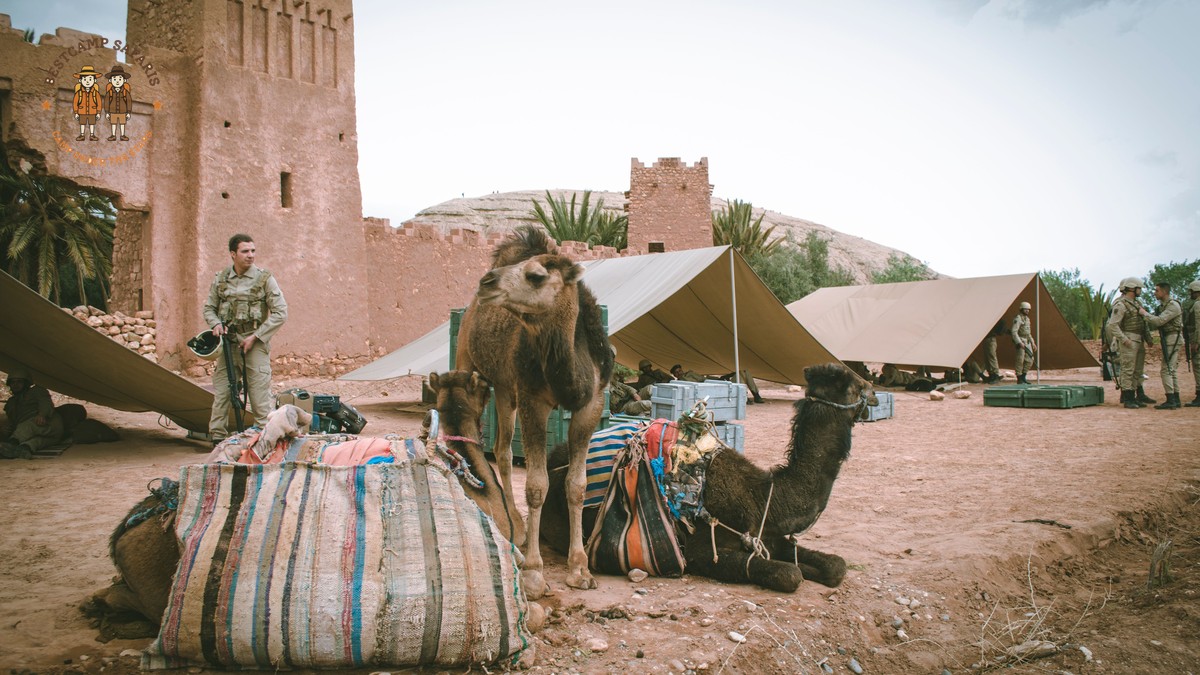
Many camps take a rest day every four to six weeks. Tents are unpegged, flipped, and inspected on both sides. Poles are wiped, guy ropes are checked, and groundsheets are scrubbed and dried. If the camp is moving, the deep clean comes just before pack-down so the next site starts with clean canvas. For the full logistics, see what happens during a camp move. BestCamp Safaris asks camps about cleaning frequency before recommending a route. A mobile camping safari in Kenya needs a lighter cleaning system than a permanent lodge, but the standard is the same: no guest should open a tent and wonder if the bed is fresh.
Your Next Step: Ask About Housekeeping Before You Book
Now you know the routine. Your next step is to choose a camp that can show you how it works. Ask how often tents are deep-cleaned, whether the bathroom is en-suite or shared, and what happens after heavy rain. BestCamp Safaris matches travelers with permanent tented camps and mobile camping safaris that fit their comfort level. Start with our Kenya camping safari itineraries or send us a note through the contact page.


