 Wildlife Tours
At 2am in a mobile tented camp beside the Mara River, the last sound before sleep is often a pair of boots on dry grass. That is the askari making rounds. Askari is the Swahili word for guard. On a camping safari in Kenya, an askari is the person who watches safari camp overnight while you sleep.
On a BestCamp Safaris mobile camp, the askari works with the same small crew that pitches your tent and serves dinner. You may not see them after dark, but you will hear them, and you will notice their torchlight moving between tents.
Who Watches Safari Camp Overnight?
Who watches safari camp overnight? A trained night guard called an askari watches most safari camps overnight. The askari patrols the tent area and perimeter, monitors wildlife movement, and escorts guests between tents and shared areas after dark. Larger camps may use two or more guards in rotation. A manager or radio operator coordinates alerts and emergencies.
During the day, your guide reads tracks from a vehicle. At night, the askari reads the same bush on foot. The job is not to chase animals or scare them away. It is to know where animals are moving and to make sure no guest walks into that path. Most askaris carry a torch, a radio, and a whistle or air horn. Some camps also add a small bell outside each tent.
What Does an Askari Do at Night?
An askari patrols camp paths, checks the area around tents, watches for animals, and responds when guests need assistance. The role is different from that of a guide or driver because it focuses on night movement and safari camp security.
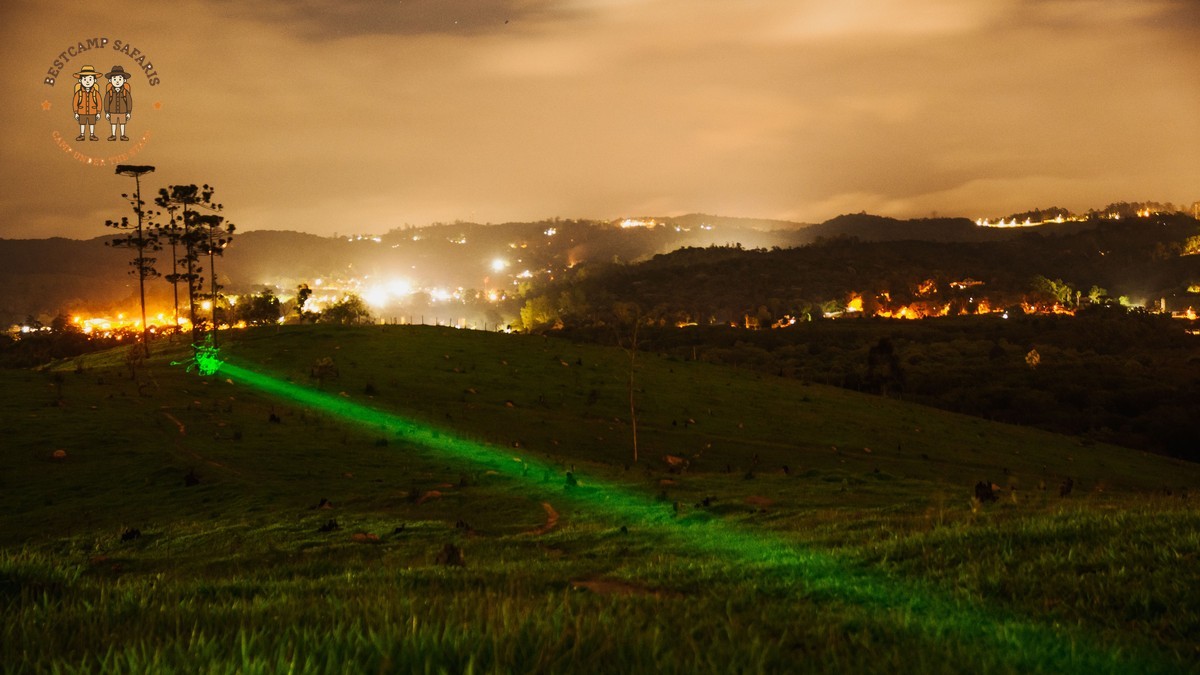
The night patrol is not dramatic. It is a loop, a torch beam, and a radio check. When an animal is close, the askari does not knock on your tent. Their first move is to stay still, watch the animal’s direction, and warn the rest of the camp by radio. If the animal keeps moving toward guest tents, the guard may use a quiet signal to wake staff without causing panic.
Ask what your camp expects the askari to do if a buffalo walks between the dining tent and a guest tent. A clear answer tells you that the camp has thought through the problem before you arrive.
How Do Night Escorts Work?
After dark, guests usually call the camp by radio, bell, whistle, air horn, or voice and wait inside their tent until an askari arrives. The guard walks ahead with a torch, checks the route, and escorts you to the dining tent, bathroom, or another tent. Unfenced camps generally require this for every night journey.
Calling for an escort feels strange the first time. You pick up the radio in your tent or wait until you hear footsteps nearby. Then you wait. Do not unzip until the askari arrives. When you reach the bathroom block, the askari waits outside and walks you back. They also check that your tent zip is fully closed before you enter.
For first-time safari travelers who worry about sounds at night, read our guide to the nocturnal animals you may hear on a Kenya safari. It helps you tell a rustling bush from a passing elephant.
Is It Safe to Sleep in an Unfenced Safari Tent?
Sleeping in an unfenced safari tent is generally safe when the camp follows reliable procedures and guests follow the briefing. Keep the tent fully zipped, do not store food inside, and never leave after dark without an escort. If an animal is close, remain inside and contact staff rather than opening the tent.
Camp type | Typical Kenyan setting | Night security | Indicative rate per adult per night — | — | — | — Mobile tented safari camp | Amboseli, Tsavo, and the Maasai Mara | Small crew plus one or more askaris; escorts required | USD 120 to USD 350 before park fees Unfenced fixed tented camp | Naboisho Conservancy or Mara North Conservancy | Askari on patrol; radio escorts after dark | USD 400 to USD 900, often including conservancy fee Fenced lodge or tented camp | Lake Naivasha or the outskirts of Nairobi | Gatehouse staff, lit paths, and an askari on call | USD 180 to USD 450
The rates above are a rough guide, not a quote. Entry fees are separate. In Amboseli National Park, KWS charges non-residents USD 90 per adult per day. The Maasai Mara National Reserve charges USD 100 from January to June and USD 200 from July to December. In Naboisho or Mara North, expect a conservancy fee of roughly USD 80 to USD 150 per person per night, usually bundled into your camp rate.
For lower-cost options, our Maasai Mara budget camping costs page explains what is included at cheaper campsites.
What Should You Ask Before Booking?
Ask whether the camp is fenced, whether an askari is available throughout the night, how escorts are requested, how many guards cover the shift, and what happens if radios or power fail. Also confirm the distance between tents and shared areas, the lighting on paths, and whether solo guests receive the same escort service.
A good camp manager can describe exactly where the askari sits and how calls are handled. They should also explain what happens on a night with heavy rain, wind, or an animal inside the camp boundary. If a camp cannot answer these practical questions, keep looking.
On a small BestCamp Safaris camp, the team knows every guest by name before dark. That makes the night routine easier to trust. Solo travelers may want to read more about private tent options for solo safari guests before choosing a shared departure.
Frequently Asked Questions
Who Guards the Camp at Night?
A trained safari camp guard called an askari usually guards the camp at night. The askari patrols the grounds, watches for wildlife, and escorts guests between tents and shared facilities after dark.
Can You Walk Around a Safari Camp at Night?
Do not walk alone at night in an unfenced safari camp. Use the radio, bell, or whistle and wait for the askari. Even a short trip to the bathroom needs an escort.
Do Safari Camps Have Security at Night?
Most reputable safari camps provide overnight security through askaris or other trained staff. Their duties include perimeter patrols, guest escorts, radio communication, and spotting animals near tents.
Are Unfenced Safari Camps Safe?
Unfenced safari camps can be safe when staff maintain night patrols and guests follow camp rules. Keep your tent zipped, do not leave after dark without an escort, and stay inside if wildlife is nearby.
How Many Guards Watch a Safari Camp Overnight?
The number depends on the camp size. A small camp may have one askari available at a time. Camps with ten or more tents may use two or more guards in rotation so one can run an escort while another stays on patrol.
Before you book, ask the camp manager to show you where the askari will stand, how you will call for help, and what happened on the quietest night last month. That conversation tells you more than any star rating. At BestCamp Safaris, the askari is already part of every mobile camp, and we are happy to walk you through the night routine before you choose your dates. When you are ready, contact BestCamp Safaris and ask about upcoming mobile tented safari departures in the Maasai Mara, Amboseli, and Tsavo.