
 Adventure Tours
Planning a family safari in Kenya starts with one question: what age is right for my children? This kenya safari family age guide answers that directly. It also covers camp age rules, family-friendly parks, activity cutoffs, and Kenya safari child rates. You will find a comparison table below with real drive times and current park fees.
The guide reflects what families actually experience on safari. Early starts, long drives, camp routines, and small decisions shape the trip. If an option feels tight for your child’s age, we say so plainly.
What Is the Best Age for a Kenya Safari?
Ages 6-12 are usually the easiest for a Kenya safari. Children in this range can manage early starts, several hours in a vehicle, and basic wildlife-safety instructions, while still finding elephants, lions, and giraffes exciting. Ages 8-12 are the strongest all-round fit for longer drives, junior activities, and a classic Maasai Mara itinerary.
That does not mean other ages are impossible. Kenya has no single national minimum age for its parks. Every camp and activity sets its own policy. In practice, children under five need short drives and flexible schedules. Six-year-olds start to sit quietly when it matters. By eight, most children handle a full safari day, including a dawn drive and an evening drive.
For most families, the sweet spot runs from about age 5 to 12. Younger children can still enjoy a trip, but you need the right camp, a private vehicle, and realistic expectations for daily distance. This guide treats that range as the planning default.
Kenya Safari Family Age Guide: Rules by Child Age
There is no single national minimum age for a Kenya safari; each camp, lodge, operator, and activity sets its own rules. Under-fives need short drives and flexible lodge-based plans. Ages 5-7 generally suit family properties and private vehicles. Ages 8-12 can handle fuller safari days. Teenagers usually have the widest activity choice.
Here is how we plan for each age group:
- Ages 0-2: Stay close to Nairobi or Naivasha. Keep drives under two hours. A private vehicle lets you stop for feeds and nappy changes.
- Ages 3-5: Choose family-friendly safari lodges Kenya with pools and enclosed grounds. Take a short morning drive, a long midday break, and a 60-90 minute afternoon drive. Some tented camps will not accept children under 5 or 6.
- Ages 6-8: This is the turning point. Most children follow safety rules and sit through a two-hour drive. Junior ranger programs at Ol Pejeta work well here.
- Ages 9-12: A full safari day becomes realistic. Expect early starts, picnic breakfasts, and short evening drives.
- Ages 13 and up: Expect the widest activity choice. Walking safaris are common from about age 8-12 depending on the operator. Some specialist camps restrict guests to 16 and older.
Which Kenya Camps and Lodges Accept Children?
Family lodges and properties with solid rooms, family suites, pools, connecting rooms, and private vehicles usually provide the widest access for children. Unfenced tented camps often set minimum ages around 5-8, while some specialist camps restrict guests to 12 or 16. Confirm the exact minimum age, room setup, babysitting, and vehicle policy directly with every property before paying.
For younger children, a permanent lodge with a pool is often easier than a mobile tent. In Amboseli, Ol Tukai Lodge and Amboseli Serena Safari Lodge offer family rooms inside the park. At Ol Pejeta, Sweetwaters Tented Camp is fenced and runs a strong family program. In the Maasai Mara, Kilima Camp and Mara Serena Safari Lodge arrange private vehicles for families.
When you book through BestCamp Safaris, we confirm each camp’s minimum age, room size, and junior rate before suggesting it. Family suite layouts vary widely, so we also check how safari camp rooms are assigned before finalizing your booking.
Best Kenya Safari Parks for Families
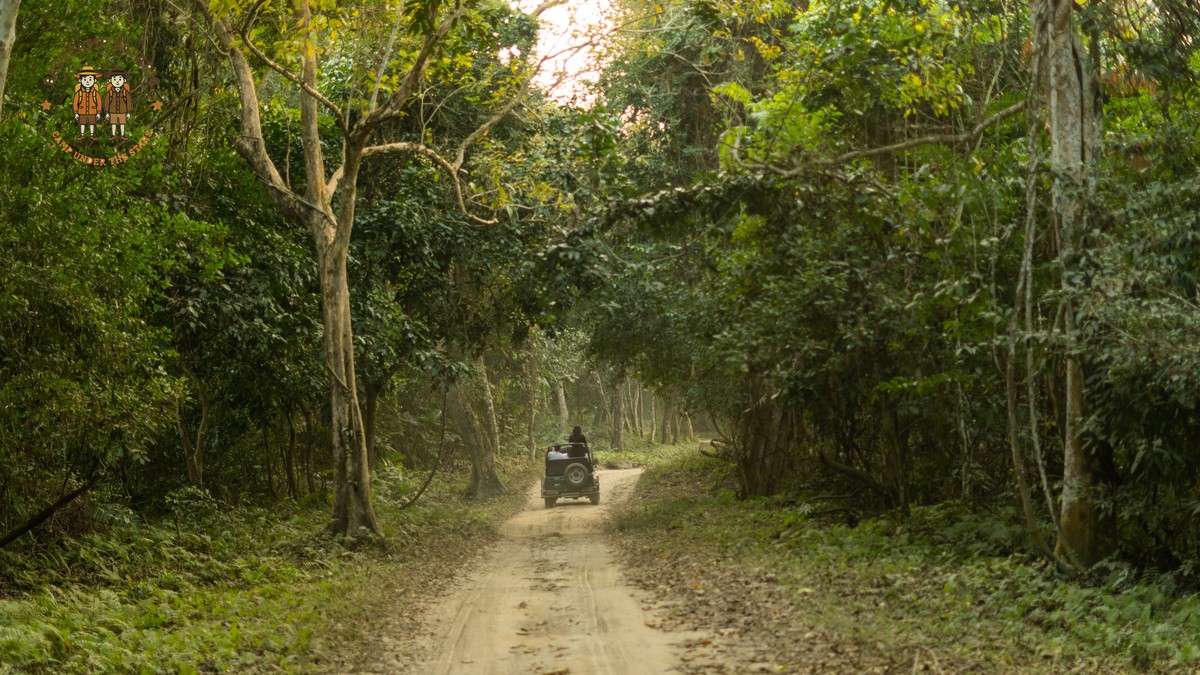
Nairobi National Park is easiest for toddlers and short first drives. Ol Pejeta suits children from about 6 with rhinos, chimpanzees, and varied activities. Amboseli works well for elephant-focused trips. The Maasai Mara is best for older children who can manage longer drives or a short flight. Hell’s Gate adds cycling and walking for active families.
| Park or conservancy | Drive from Nairobi | Best for | Non-resident adult fee per day |
|---|---|---|---|
| Nairobi National Park | 7 km, 20-30 min | First safari, toddlers | USD 80 |
| Lake Nakuru National Park | 160 km, about 3 hrs | Rhinos, flamingos | USD 90 |
| Ol Pejeta Conservancy | 220 km, about 3.5 hrs | Chimps, rhinos, junior rangers | Bundled, about USD 80-150/person/night |
| Amboseli National Park | 240 km, about 4 hrs | Elephants, Kilimanjaro views | USD 90 |
| Masai Mara National Reserve | 270 km, 5-6 hrs or 45-min flight | Big cats, migration | USD 100 Jan-Jun, USD 200 Jul-Dec |
Lake Nakuru works well for a first safari with young children. The road from Nairobi is smooth, the park is compact, and rhino sightings are reliable. Amboseli offers wide-open views and huge elephant herds. The Mara rewards older children who can handle longer drives or a short flight.
The fees in the table are per adult per day for non-residents, verified in July 2026. Ol Pejeta charges a bundled conservancy rate rather than a daily park ticket. Child rates vary by park, so ask for the current figure at booking.
Kenya Safari Activities With Minimum Age Limits
Standard game drives are usually the most accessible activity. Walking safaris commonly require children to be about 8-16. Night drives often start around 6-8. Hot-air balloon flights commonly require a minimum age of 7 or 8. Treat every age as provisional: the operator, conservancy, guide, and camp may apply stricter rules.
Balloon rides over the Mara are a family highlight, but most operators set the minimum at 7 or 8. Children below the limit cannot fly, so plan the balloon for a morning when the older children are awake.
Walking safaris carry the strictest rules. A child who talks or moves too much can put the group at risk, so guides are honest about limits. In private conservancies like Naboisho and Mara North, walking is often allowed from about 8 or 12, depending on the provider. Night drives are rare in national parks, but conservancies offer them and usually accept children from around 6-8.
Most Kenya safari activities for children work best in the early morning. List every intended activity when you book. The camp can confirm the age rules before you arrive, which prevents a disappointed child at the trailhead.
How to Plan Comfortable Game Drives With Children
Use a private vehicle and schedule one short morning drive and one shorter afternoon drive. Return to camp for breakfast, swimming, naps, and lunch, and keep daily road transfers limited where possible. Nairobi National Park, Naivasha, and Ol Pejeta can reduce travel fatigue for younger children, while a flight to the Mara can replace a long road journey.
A private vehicle matters as much as any age rule. You control the pace. You can leave a lion sighting early if the children are hungry, or stay longer if everyone is thrilled. Shared vehicles run on the guide’s schedule, not yours.
A typical family day at camp looks like this:
6:00 am: Quick snack box. 6:30 am: Two-hour morning game drive. 8:30 am: Full breakfast back at camp. 10:00 am: Pool, books, or a nap. 12:30 pm: Lunch and rest. 4:00 pm: Afternoon tea. 4:30 pm: 90-minute evening game drive. 6:30 pm: Sundowner and dinner.
Road fatigue comes mostly from transfers between camps, not game drives. A direct flight from Nairobi to the Mara takes about 45 minutes and costs about USD 150-250 per adult one way. For younger children, that is often worth the cost.
Many camps prepare simple children’s portions from the same locally sourced menu. Read about what children can expect to eat at safari camps before you choose a lodge. Malaria is present in most safari areas. Ask your doctor about child-safe antimalarials before you travel.
Kenya Safari Child Rates and Family Costs
Child pricing depends on the park authority, camp, operator, and child’s age, so there is no universal Kenya safari child rate. Some published guidance indicates children aged 3-11 may pay about 50% of adult rates. Ages 12-17 often pay about 80%. Under-threes may be free. Families should request a written, itemized quote because policies vary.
Park fees are charged per adult and per child. In the Masai Mara, Narok County sets the rates. The reserve charges USD 100 per adult per day from January to June and USD 200 from July to December. Children usually pay less, but the exact child rate depends on the ticket office and the child’s age.
Camp and lodge rates follow their own logic. A mid-range family lodge in Amboseli may quote USD 350-600 per adult per night on full board. Children under 12 often pay 50-75% of that rate. Ask for a written itemized quote that shows park fees, conservancy fees, flights, tips, and child rates separately. That makes it easy to compare trips. For a fuller picture, review what a Kenya safari cost usually includes before you get quotes.
The BestCamp Safaris Difference
We build family safaris around the child’s age, not a fixed template. When you book with BestCamp Safaris, we confirm each camp’s minimum age before suggesting it. We book private vehicles for families with children. We schedule game drives around nap times and meal times. We choose lodges with pools and family rooms when that matters to you.
Our guides are used to families. They explain animal behavior in simple terms, point out small creatures children love, and know when to end a sighting early. After dark, camp staff walk with you and your children by lamplight. For many kids, that evening walk is part of the adventure.
We keep the pace honest. If a long road transfer will hurt your child’s enjoyment, we say so and offer a shorter route or a flight instead.
Frequently Asked Questions
Can kids go on a safari in Kenya?
Yes, children can go on safari in Kenya, but the suitable itinerary depends on their age, temperament, and the camp’s rules. Families with young children should choose a private vehicle, shorter drives, flexible meal and sleep times, and accommodation designed for children.
What is the best age for a Kenya safari?
Ages 6-12 are generally the easiest for a Kenya safari, with ages 8-12 often the best fit for longer game drives and junior activities. Younger children can still go, but the itinerary should prioritize short drives, nearby parks, naps, and family-friendly lodges.
Is there an age limit for Kenya safaris?
Kenya has no single national age limit for entering its parks and reserves. Individual camps, lodges, safari operators, conservancies, and activities set their own minimum ages, so confirm every property and planned activity before booking.
Can toddlers go on safari in Kenya?
Toddlers can go on some Kenya safaris, especially private lodge-based trips near Nairobi or with family-focused properties. Many classic tented camps restrict very young children, and long drives, early starts, heat, and wildlife around unfenced camps can make the experience demanding.
Are children allowed on walking safaris in Kenya?
Walking-safari age limits vary, but many operators set minimum ages between 8 and 16 because children must remain quiet, follow instructions, and respond safely near wildlife. Confirm the exact rule with the walking guide and camp rather than relying on the child’s age alone.
Plan Your Family Safari With BestCamp Safaris
You now know the age ranges, camp rules, park options, and child rates for a Kenya family safari. The next step is matching those details to your own children’s ages and your travel dates.
Tell BestCamp Safaris the ages of your children, your travel dates, and your budget. We will recommend camps that accept those ages, arrange a private vehicle, and build a daily schedule that keeps the pace comfortable. We handle the park fees, flights, rooms, and small details that matter with children.
Start the conversation with BestCamp Safaris today. Contact our team to begin planning.


