
 Wildlife Tours
One question I hear from first-time safari travelers is simple: how do safari camps handle menstruation? The short answer is that they handle it well, but the details depend on where you sleep. I have done it myself in a mobile tented camp. I know the ground feels cold at 5am, and I know the camp manager is your best resource.
Good camps treat periods as a normal part of guest care. They give you a place to dispose of waste, a way to wash, and privacy when you need it. You still need to pack well. You still need to follow a few rules. This guide walks you through every step.
What to pack for your period on safari
Pack enough of your preferred pads, tampons, liners, or reusable products for the full itinerary, plus several extras. Add opaque sealable bags, hand sanitizer, toilet paper, pain relief, spare underwear, and a small amount of biodegradable detergent. Do not rely on remote camps or village shops to stock your preferred brand or size. For the rest of what to bring, check our Kenya safari packing list.
If you use a particular size or absorbency, bring the whole trip supply. The shop at Sekenani Gate in the Masai Mara might have some basics, but not your exact brand. In Amboseli, small dukas near Ol Tukai Lodge are not a pharmacy. Plan as if the nearest dependable shop were five hours away, because it often is.
Menstrual products on safari are light and pack easily. A small zip pouch keeps them organized. Use it inside your main duffel, not in the top pocket where dust can reach it. Carry a daypack version for game drives with three or four products, a stack of sealable bags, and hand sanitizer.
How do safari camps handle menstruation?
Camps handle it mainly through clear disposal systems and staff who explain them on arrival. Wrap each used pad, tampon, applicator, or wipe, seal it in an opaque bag, and place it in the bathroom bin or disposal container identified by camp staff. Never flush, bury, or burn items yourself, and never leave them in the bush. Carry sealed waste from drives and walks back to camp for approved disposal.
Camp systems vary. Most permanent lodges, such as Sarova Mara Game Camp, have a small covered bin beside the toilet. Luxury tented camps like Kichwa Tembo Tented Camp use the same bin system inside an en-suite tent. A mobile camp often uses a lidded metal or plastic container in the shared bathroom tent.
The rule is the same everywhere: wrap, seal, bin. Period waste disposal on safari is not complicated, but it must be done correctly. Camps that carry waste out for proper treatment are the norm in well-run operations. Staff will show you the exact container on your first day. Listen carefully.
Using toilets and changing during game drives
Ask the guide about the next planned stop before leaving camp, and keep spare products plus sealed waste bags in your daypack. If you must change away from camp, use a discreet toilet arrangement, pack out every used item, and return it to camp. Many itineraries include lunch or rest breaks for changing.
Safari camp toilets are not always available when you are on a drive. Morning drives often leave at sunrise and may run four hours before a real break. That is why your daypack matters. Before we left for a morning in the Mara, I put three tampons, two pads, a small pack of tissues, and a few zip bags inside mine.
If you need to change while watching wildebeest cross the river, tell your guide quietly. He will drive to the next picnic site, ranger post, or lodge. It is a normal request. No guide should make you feel awkward about it. If you prefer, ask for a pop-up privacy tent before booking. Some camps offer one on longer drives.
Laundry and washing period underwear at camp
Assume safari-camp laundry will not wash underwear, bras, period pants, or reusable pads unless the camp confirms otherwise. Hand-wash intimate items privately with a small amount of suitable detergent, then use a discreet line or drying area. Ask about water availability and privacy before choosing reusable products.
Most camps do not include underwear in guest laundry. The exception exists, but you should ask twice before assuming. Kenya safari camping comfort levels vary, and laundry policy is one of the details that changes with the camp style.
At a permanent lodge you may have a private bathroom sink. At a mobile tented camp, the washing station is usually near the bathroom tent. Use a small detergent sachet and cold water. Wring out the item, roll it in a dry towel to remove extra water, then hang it on a discreet line. Ask the staff where the morning sun hits. They know the exact spot.
Menstrual cups and reusable products in remote camps
A menstrual cup can work on safari, but it requires reliable hand hygiene, safe water, privacy, and a way to clean or sterilize it. Empty menstrual blood into a toilet where camp rules allow, rinse with safe water, and follow the manufacturer’s cleaning instructions. Permanent lodges are usually easier than basic mobile camps.
I used a menstrual cup on a trip through Chyulu Hills. The caveat was that I needed clean water, a private place to wash my hands, and time to empty the cup without rushing. At a lodge with an en-suite bathroom, this is simple. In a mobile camp, I asked for a jug of boiled water and a clean bowl the night before.
Do not sterilize a cup over a campfire. Bring cup wipes or a small bottle of sterilizing solution instead. Rinse the cup with clean water, empty the blood into a toilet if allowed, and clean it with wipes. Then store it in its pouch until the next change.
Safety, privacy, and comfort while menstruating
Menstruation does not prevent you from joining game drives or make wildlife more likely to attack you. The practical concerns are access to changing facilities, waste storage, hydration, cramps, and privacy. Tell your guide discreetly if you need a break, a different seat, medication, or an unscheduled bathroom stop.
Period or no period, you can do the full safari. Lions do not care about your cycle. The real issues are practical. Cramps can make a bumpy Land Cruiser seat feel worse. Take pain relief before the drive. Sit near the door if you may need to leave the vehicle at a rest stop.
Privacy in a mobile camp is different from a lodge. The bathroom tent is usually a short walk away. At night, a lantern and a staff escort are available if you ask. This matters more when you are menstruating. If that feels like too much, choose a permanent lodge. For a closer look at the sleeping arrangements, this breakdown of how private safari tents are at night will help you picture it.
Comparing lodges, tented camps, and mobile camps
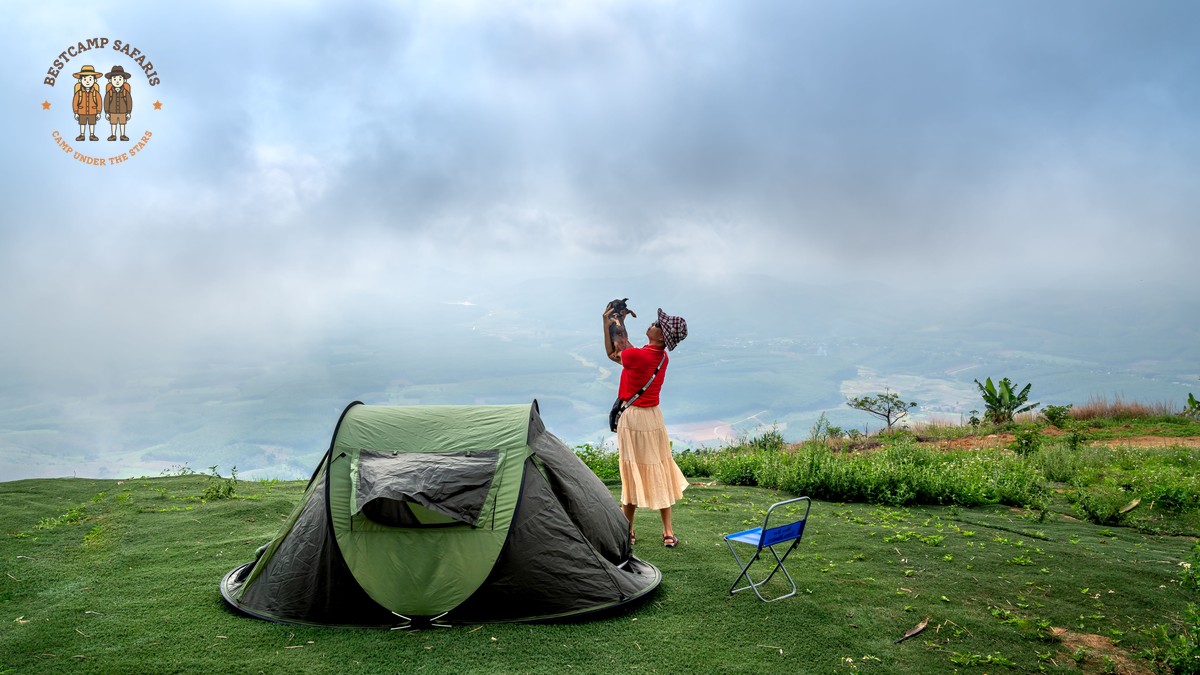
Permanent lodges give the most privacy for periods, with en-suite bathrooms and daily housekeeping, for USD 250-600 a night. Luxury tented camps match that privacy in canvas, for USD 400-1000. Mobile tented camps use a shared bathroom tent with a private disposal system, for USD 150-350. Toilets, waste handling, and laundry policy are what differ most between the three styles.
Prices are indicative and change with season.
| Camp style | Named examples | Toilet and handwashing | Period waste and laundry | Indicative price per night |
|---|---|---|---|---|
| Permanent lodge | Ol Tukai Lodge, Amboseli; Sarova Mara Game Camp | En-suite flush toilet, running water, daily housekeeping | Bathroom bin, laundry service often excludes underwear, can arrange if asked | USD 250-600 |
| Luxury tented camp | Kichwa Tembo Tented Camp, Mara Bushtops Tented Camp | En-suite tent bathroom or private pit latrine, bucket or plumbed shower | Bathroom bin, housekeeping changes linen, underwear laundry usually not included | USD 400-1000 |
| Mobile tented camp | BestCamp mobile sites in Masai Mara, Chyulu Hills, Lake Nakuru | Shared bathroom tent with eco toilet or long-drop, separate washing station, handwashing area | Lidded disposal tin in bathroom tent, staff briefing, hand-wash laundry with provided bucket | USD 150-350 |
Distances, park fees, and your planning
Masai Mara sits about 270 km from Nairobi, a 5-6 hour drive. Amboseli is about 240 km away, 4-5 hours by road. Lake Nakuru is closer, about 160 km, roughly 3 hours. Non-resident park fees run USD 90 to USD 200 per day, depending on the park and season.
Longer distances mean fewer chances to restock period supplies along the way. Check our Masai Mara park fees guide for current rates before you book.
| Destination | Approx. road distance from Nairobi | Standard drive time | Non-resident entry fee per adult per day |
|---|---|---|---|
| Masai Mara National Reserve | 270 km | 5-6 hours | USD 100 (Jan-Jun), USD 200 (Jul-Dec); run by Narok County Government |
| Amboseli National Park | 240 km | 4-5 hours | USD 90 (KWS) |
| Lake Nakuru National Park | 160 km | 3 hours | USD 90 (KWS) |
These fees are current as of October 2025. If you visit a park not listed here, check the official park fee before booking. The more you know about distance and cost, the easier it is to build a safari that feels comfortable.
The BestCamp Safaris Difference
BestCamp Safaris does not assume every guest starts a safari feeling confident about periods. We plan around the logistics that actually matter. Before you arrive, we send a packing list that includes sealable bags and detergent. Your guide knows to plan routes with bathroom stops. The camp team shows you the disposal container on the first day.
Our mobile camps are not rough by accident. They are rough in a managed way: real beds, clean toilets, and staff who have answered these questions many times. Use our guide on what to ask a safari camp before booking, and add period questions to it. Ask about laundry, handwashing, and toilet type. The answer should tell you a lot about the camp.
Frequently Asked Questions
Can you still go on safari if you have your period?
Yes, you can go on safari while menstruating and participate in normal activities. Bring enough familiar products, plan for limited shopping opportunities, carry sealed waste bags, and tell your guide if you need a comfort or bathroom break.
What do you do with period waste on safari?
Wrap the used product in toilet paper or its wrapper, seal it in an opaque bag, and return it to camp. Put it in the bathroom bin or disposal container specified by staff. Never leave menstrual waste in the bush, bury it, or flush it.
Can you flush tampons in a safari camp toilet?
No. Do not flush tampons, pads, applicators, liners, or wipes, even when the camp has a flush toilet. Septic, chemical, composting, and long-drop systems can block or malfunction when they receive menstrual products.
Do safari camps provide pads and tampons?
Some camps may have emergency supplies, but guests should not depend on them. Remote camps can be hours from shops and may not stock the preferred product, absorbency, or size. Pack supplies for the entire trip and bring extras.
Do safari camps wash underwear?
Many safari camps do not wash women’s underwear, bras, period pants, or reusable pads as part of guest laundry. Plan to hand-wash intimate items yourself unless the camp confirms a different policy. Pack a small detergent sachet and ask where private items can dry.
Plan your Kenya safari around your body and your budget
Now you know what to expect. The next step is finding a camp that fits your comfort level. BestCamp Safaris can match you with a permanent lodge, a luxury tented camp, or a mobile tented camp. Tell us when in your cycle you will travel and what you need. We will handle the rest. Start by browsing our Kenya safari packages, or contact the BestCamp Safaris team for a personal plan.


