
 Adventure Tours
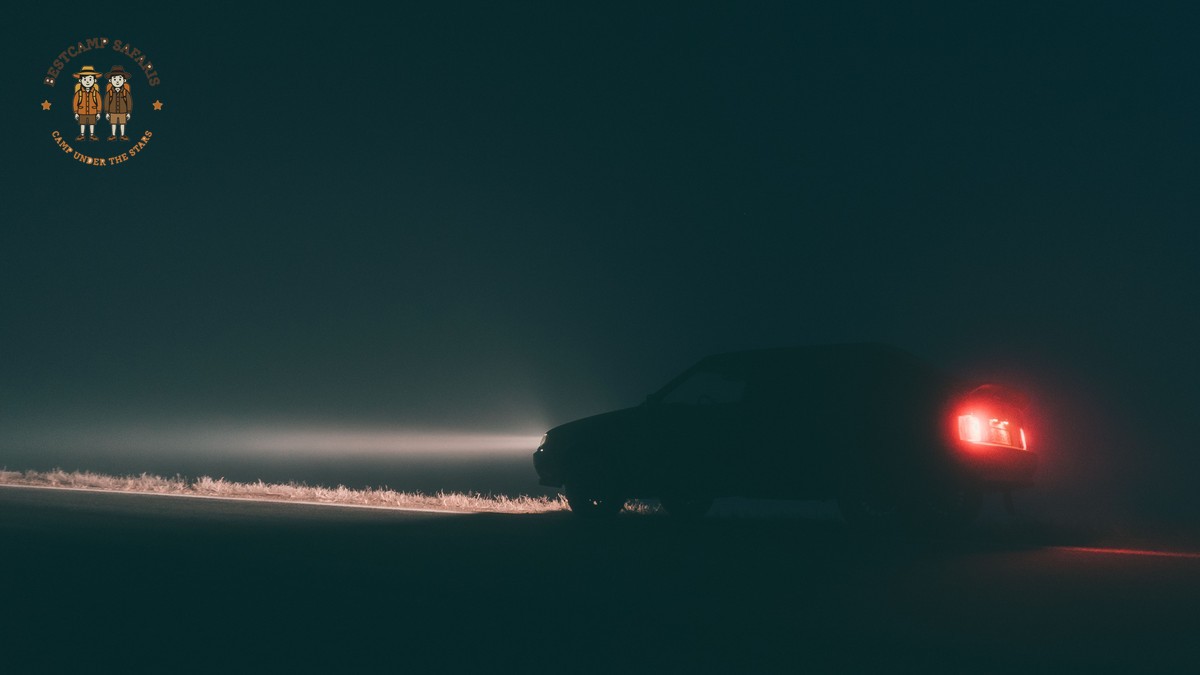
I remember my first night in a tent in the Masai Mara. The canvas rippled in the wind. A hyena whooped somewhere toward the Talek River. I lay still and asked myself the same question you are asking: is a safari tent private at night?
The short answer is yes, if you pick the right camp and follow its rules. But private does not mean the same thing in every tent in Kenya. It can mean your own bedroom with a zipped door. It can also mean a shared bathroom 30 meters away and a staff escort after dark.
This guide separates privacy from safety. It explains how Kenya’s camps space tents, what happens if you need a bathroom at 3am, and what camp staff actually do to keep you secure. The details come from nights spent in mobile tents, permanent lodges, and star beds between the Mara and Chyulu Hills. When you see a price here, it is either a published fee from Kenya Wildlife Service or Narok County, or an indicative range clearly labeled as such.
Is a Safari Tent Private at Night?
Yes, a safari tent is private at night when its door is fully zipped, but the level of seclusion depends on the camp. Your sleeping space is reserved for your party. Dining areas, paths, guides, and vehicles may be shared. Privacy improves when tents are widely spaced behind natural screening.
The first thing to know: a tent is not a hotel room with a lock. Most safari tents close with two heavy zippers on the inside. You can also add a padlock or carabiner on many models. That keeps people out when you are inside. It also keeps your belongings in view.
What makes a tent feel private is spacing. In a well-run camp, tents sit far enough apart that you cannot hear your neighbor’s conversation. In Kenya, permanent camps like Angama Mara or Kilima Camp place their tents along a ridge or river line. You might see the next tent through the trees, but you rarely see inside it. Mobile camps can be even more isolated.
The main shared spaces are the dining tent, lounge, campfire, and vehicles. Other guests may walk past your tent on the way to their own unit. At night, most camps switch to escort systems at dinner time. After dinner, a guard walks you back. That walk is itself a privacy signal: staff stay outside while you settle in. For the sounds you may hear around camp at night, read what you may hear around camp at night.
Safari Tent Safety: Are Safari Tents Safe From Wildlife After Dark?
A properly closed safari tent at a professionally managed camp is designed to keep guests secure, even when wildlife moves nearby. Canvas is not a rigid wall. The essential protection is the zipped entrance, staff oversight, and guest behavior. Never open the tent to investigate sounds or feed animals.
Kenya’s best safari camps are not fenced. That is part of the point. Elephants may graze near camp. A hippo may snort from a nearby river. Lions use the same bush paths at night. A tent is a cloth wall between you and that world. It works because the zipper is the door, and the door stays shut.
Camps choose sites with care. They look for old animal trails, water sources, and seasonal movement. They also position tents on raised platforms or on the ground with sturdy poles. Once inside, the rules are simple. Keep food and toiletries outside or sealed. Do not go out to investigate. If something brushes the canvas, sit still and call the camp.
The real safety net is staff. Night guards patrol while you sleep. Some camps use solar lights around the perimeter. Others place a whistle or radio beside the bed. This is safari camp security in practice. For more on how camps lock, peg, and monitor tents, see how mobile camps secure tents from wildlife.
What Happens When You Need to Leave Your Safari Tent at Night?
Call camp staff for an escort whenever you need to leave after dark. Many camps provide a whistle, radio, bell, or telephone so a night guard can walk you to the dining area or another tent. Do not walk alone, even if the path appears short or the camp is fenced.
At some point you will need the bathroom at night. Maybe you drank too much chai at sundowner. Maybe you cannot sleep. It happens to everyone.
In most Kenyan camps you have three tools: a whistle, a battery-powered radio, or a phone. Blow the whistle twice or call reception. A guard arrives with a torch and walks you to the bathroom block or dining tent. He waits outside and walks you back.
Do not walk alone. Even a short path can cross a path used by a buffalo or elephant. This applies to permanent camps and mobile camps alike. In mobile camps set up for one group, the escort is often a single askari in a small tent near yours.
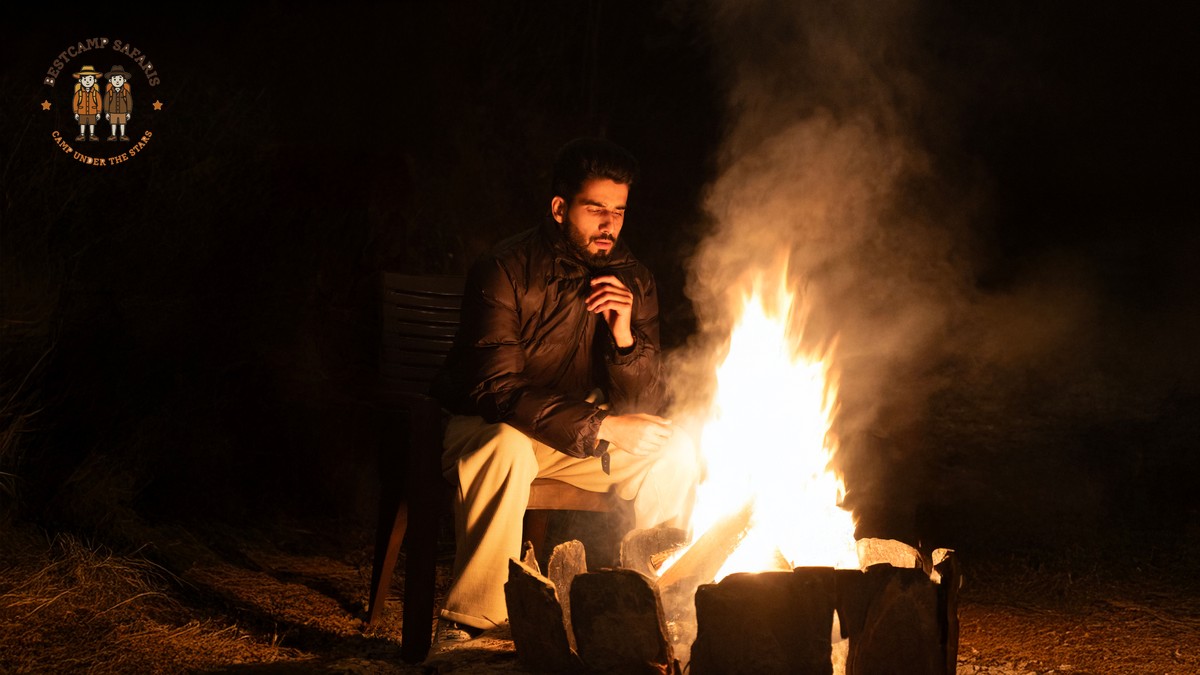
Honeymoon couples often ask whether they can sit outside their tent at night. The answer depends on the camp. A private veranda outside your zipped tent is fine for a late-night chat. Wandering into the bush is not. If you plan a star-bed night, staff will push the mattress out, light the lantern, and collect you at first light.
Do Safari Tents Have Private Bathrooms and Secure Doors?
Many permanent and luxury safari tents include an en-suite bathroom, lockable or zipped entrance, lighting, mosquito protection, and a private veranda. Mobile camps may instead provide shared bathrooms or simpler closures. Confirm the exact bathroom arrangement, door style, and nighttime lighting before booking.
Bathroom setup is where “private” gets confusing. A private tent does not always mean a private bathroom. In permanent camps, en-suite is the norm. You get a flushing toilet, a shower, sometimes a clawfoot tub, all inside the canvas. In classic mobile camps, bathrooms are often shared. You walk a short distance to a block with toilets and bucket showers. Pack a headlamp and keep it on the bedside table.
Luxury mobile camps blur the line. Many now offer en-suite bucket showers with hot water poured by staff at your request. You pull a cord and water runs from a canvas bag. It feels very honeymoon, but you should book it explicitly.
Door types matter too. Permanent tents may have a wooden door plus an outer canvas zip. Mobile tents usually have a zipper entrance with two zips and a padlock eye. Some add an interior clip so no one can open the canvas from outside. Ask the camp for the exact door style before you pack.
This is where most online discussions of safari tent privacy go wrong. A private safari tent usually means your own sleeping unit, entrance, bathroom, and veranda. It does not mean a private camp. A camp may have eight or twelve tents. Only an exclusive-use camp gives you the whole site.
Safari Tent Privacy: How Much Privacy Do Different Safari Camps Provide?
A private safari tent gives your group exclusive use of one accommodation unit, but it does not automatically make the entire camp private. Shared camps still have communal dining, staff, and sometimes shared vehicles. For complete seclusion, ask about an exclusive-use camp or a private mobile camp for your group.
Use this table to compare what your money buys. Rates are indicative per person per night in high season. They exclude national park or conservancy fees.
| Camp type | Real Kenya example | Typical tent spacing | Bathroom | Escort after dark | Indicative rate, per person, per night, full board |
|---|---|---|---|---|---|
| Luxury permanent tent | Angama Mara, Masai Mara | 20-50 m apart | En-suite, plumbed | Yes, to and from dinner | USD 1,000-1,800 |
| Standard tented camp | Kilima Camp, Masai Mara | 10-20 m apart | En-suite or shared | Yes, on request | USD 350-700 |
| Mobile tented camp | BestCamp Safaris mobile camp in Chyulu Hills or the Mara | 15-40 m apart | En-suite bucket shower or shared | Yes, always | USD 250-600 |
| Exclusive-use camp | Private mobile camp for one group | No neighbors | En-suite or shared | Yes, always | USD 1,500-3,500 per night for the whole camp |
These ranges are indicative. Real prices depend on season, meals, and number of nights.
Fees outside the camp also shape your budget. The Masai Mara National Reserve charges USD 200 per adult per day from July through December, and USD 100 from January to June. Conservancies like Naboisho or Mara North bundle their nightly fee into your lodge or camp rate, usually USD 80-150 per person per night. National parks like Amboseli and Lake Nakuru charge USD 90 per adult per day. Chyulu Hills National Park, at the edge of our mobile camp territory, charges USD 40 per adult per day. These entrance fees are separate from your tent and meals.
If you want complete privacy, ask for an exclusive-use camp. You get the whole site, your own chef, guide, and vehicle. It costs more, but it removes every shared element. This is the level of safari tent privacy that honeymooners often imagine, and it is worth the extra budget if you can swing it.
The BestCamp Safaris Difference
BestCamp Safaris builds small mobile camps for honeymooners and families who want the real canvas experience without giving up privacy. Our tents are spaced so you do not hear your neighbors. Each tent gets a night escort, a bathroom plan confirmed before booking, and a torch beside the bed.
Before you arrive, we scout the site. We look for shade, drainage, and a clear view. The tent you sleep in is set up before dark, with the bed made and a lantern burning. Dinner ends with a guard walking you back under the stars. That is the moment most guests realize their tent is as private as a room in a lodge, and a better story besides.
We also respect budget. A splurge-worthy fly-camp under the stars can cost less than a luxury lodge if you pick the right season. We will tell you exactly what is shared and what is yours alone. That clarity is the BestCamp Safaris difference.
Frequently Asked Questions
Is a safari tent private at night?
Usually, yes. Your tent is reserved for your party and can provide a private bedroom, bathroom, entrance, and veranda, but shared camp facilities and vehicles may remain communal. Keep the tent fully zipped for privacy and security.
Are safari tents safe at night?
Safari tents are generally safe at night when operated by a reputable camp and kept fully closed. Staff monitor the camp and escort guests after dark. Follow the briefing, keep food outside the tent, and never walk around independently.
Can animals get into safari tents?
Wild animals can pass close to tents in unfenced camps, but they normally do not enter a properly closed, occupied tent. Keep zippers closed, do not leave food or scented items inside, and contact staff rather than opening the tent when you hear movement.
Can you leave a safari tent at night?
Yes, but you should leave only with a staff escort. Use the camp radio, whistle, bell, or call system to request help. This rule applies even when your tent is near the dining or reception area.
What does a private safari tent include?
A private safari tent commonly includes exclusive use of the sleeping unit, a private entrance, and often an en-suite bathroom and veranda. It does not necessarily include a private camp, guide, safari vehicle, meals, or staff. Ask the operator to define exactly what is private.
Worried about passports and camera gear while you are on a game drive? Read how safari camps secure valuables.
Plan Your Kenya Safari With BestCamp Safaris
Ready to sleep under canvas in the Masai Mara or the Chyulu Hills? BestCamp Safaris builds camps around your honeymoon budget, with the spacing, en-suite setup, and night escorts that make a safari tent feel private. Tell us your dates and how much privacy you want. We will handle the rest. Plan your trip with BestCamp Safaris.


