
 Uncategorized
It is 5am in the Masai Mara. The ground is cold beneath the tent. A few lanterns flicker, and the camp cook is already at work. Coffee smells mix with the damp grass. I have slept in mobile tented camps many nights, and I always ask the same question: how do safari camps secure food without turning the whole site into a buffet for wildlife?
The short answer is teamwork. Food stays in secure kitchens and stores, not in guest tents. Staff control smells, manage waste, and keep a strict kitchen routine. This post walks through each step of that routine, from the supply run to the last plate washed after dinner.
Why Safari Camps Keep Food Out of Guest Tents
Safari camps keep food, snacks, toiletries, and rubbish out of guest tents because smells can attract insects, monkeys, baboons, rodents, and larger wildlife. Staff store food in the camp kitchen or a secure store, while guests should hand personal snacks to staff rather than leaving them in luggage or beside the bed.
A tent wall is not a barrier. Baboons can unzip a tent if they smell something sweet. A hyena can bite through canvas if it decides a wrapper has value. That is why every camp I know treats the sleeping area as food-free.
At BestCamp Safaris, we repeat this rule on the first evening: no food in tents. The rule is not about controlling guests. It is about protecting everyone. A camp that feeds animals, even once, teaches them to return. That lesson ends with a frightened guest or a problem animal being removed.
You do not have to be an expert to help. Leave chocolates, gum, and fruit in your day bag. Hand sealed snacks to the camp manager. If you bring drinks, keep them in the dining area. The rule about food in safari tent is simple: nothing stays overnight. If you want to understand the tent itself, read our guide on how mobile camps secure tents from wildlife.
How Do Safari Camps Secure Food
Camps protect food by combining closed kitchens, lockable dry stores, sealed containers, coolers or refrigerators, and controlled access during preparation. The exact setup varies by camp, but the principle is consistent: keep food secured when unused, separate storage from sleeping areas, and avoid leaving supplies unattended.
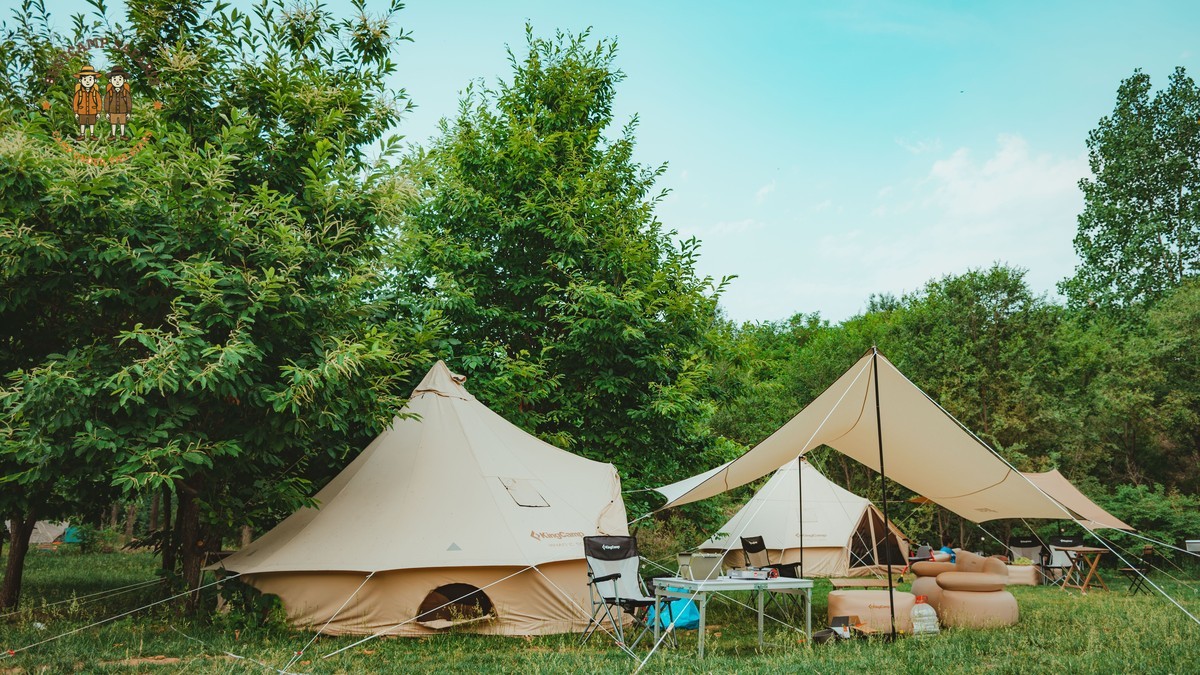
In a permanent camp, the kitchen often has solid walls and a locked pantry. In a mobile tented camp, the kitchen might be a separate tent with a lockable steel trunk. The trunk holds rice, pasta, flour, sugar, and spices in sealed plastic bins. The cook keeps fresh produce in cooler boxes under shade cloth. This is safari camp food storage done properly.
Access is controlled. Not every staff member has the key. During meal preparation, the store opens once and closes again. The cook takes out what is needed, prepares it, and clears the area. This habit is part of camp kitchen safety, and it reduces the chance that an animal learns to connect humans with food.
Storage is also placed away from tents. In many camps, the kitchen and store are downwind from sleeping areas. That keeps cooking smells from drifting toward guests. It also gives staff a clear line of sight to the store door from the dining tent. If something feels wrong, they can react before a creature reaches the food. This wildlife-safe food storage model works because it removes the easiest meal option before animals know it exists.
How Safari Camps Manage Rubbish, Leftovers, and Food Smells
Staff collect scraps, leftovers, packaging, and wash-up waste promptly instead of leaving them around dining or sleeping areas. Clean cooking surfaces, covered rubbish containers, immediate dishwashing, and careful disposal reduce odours that may attract wildlife. Guests should never throw food scraps outside or burn them in a campfire.
The process starts after every meal. Staff scrape plates over a bin, stack dishes, and wash with hot water. Dish water is dumped far from camp or into a designated pit. Meat bones and fruit peels go into a covered bin. The bin is locked once full.
Food waste management at a safari camp is not glamorous, but it is essential. In some camps, waste is collected by a county service and taken to a facility in town. In remote areas, staff may carry rubbish out on their departure day. Either way, nothing edible stays in the bush overnight.
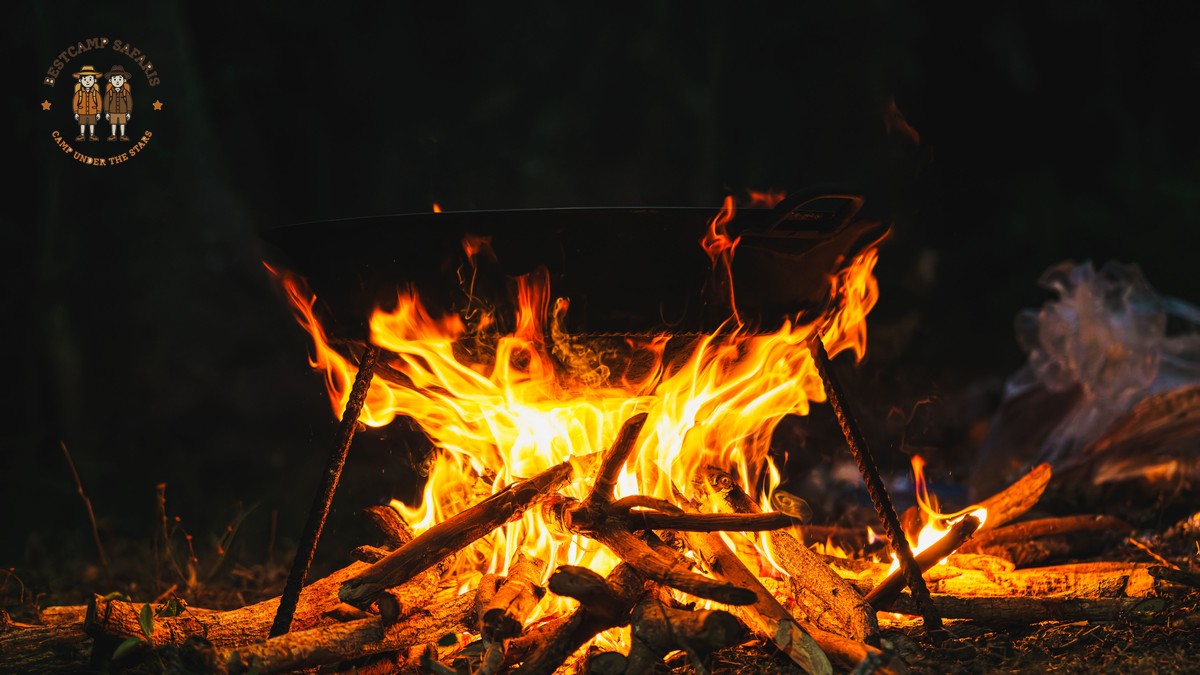
Guests sometimes think burning scraps is safer. It is not. A half-burned maize cob smells like roasted food. A charred bone still has grease. That is why camp staff manage fires carefully. For a closer look, read our guide on how safari camp fires are managed safely.
How Camps Keep Meat, Dairy, and Produce Cold
Remote camps use refrigerators, freezers, insulated cooler boxes, ice, or dry ice according to their location and power supply. Perishable foods are sealed, opened as needed, and used in meal order to reduce warming. A camp with limited refrigeration may rely more on fresh deliveries, preserved ingredients, and shorter menus.
In a permanent camp with solar power, a large fridge can run all night. In a mobile camp, the kitchen often uses 50 to 100 litre cooler boxes. Ice blocks are made at a base camp or bought in town. This is remote camp refrigeration in practice.
The cold chain begins before meat arrives. A supplier in Nairobi packs chicken in a cold box. The camp vehicle carries it to the park gate. The cook checks the temperature, then moves the meat into the camp fridge or cooler. Perishables are cooked within 24 to 48 hours. Leftovers are never saved for the next day.
Distances matter. A camp in the Masai Mara cannot pick up a missing ingredient in ten minutes. The drive from Nairobi takes hours, and park fees add to the cost of every supply run. The table below shows the distances and current non-resident park fees for three common routes.
| Route | Approx distance from Nairobi | Approx drive time | Non-resident park fee (current) |
|---|---|---|---|
| Nairobi to Masai Mara (Sekenani Gate) | 270 km | 5.5 hours | USD 100 Jan-Jun / USD 200 Jul-Dec |
| Nairobi to Amboseli (Kimana Gate) | 240 km | 4 hours | USD 90 per day |
| Nairobi to Tsavo East (Bachuma Gate) | 300 km | 5 hours | USD 80 per day |
The Mara fee is set by Narok County, not KWS. The fees above are correct after the October 2025 update. These numbers explain why a camp menu is not a supermarket. If a mobile camp is far from the supply gate, it may offer fewer choices. That is the honest trade-off. A remote fly-camp near the Mara River may serve eggs, beans, and fresh fruit for breakfast instead of a full buffet. The food is safe. It is just simpler.
What Guests Should and Should Not Bring Into Tents
Guests should not keep food, drinks, wrappers, scented toiletries, or dirty dishes in a safari tent. Store personal snacks with camp staff, close tent doors and windows, and follow instructions about dining areas and rubbish. These simple rules reduce wildlife visits without requiring guests to handle dangerous animals themselves.
Before bed, do a quick check. Look under the bed and inside your daypack. Remove gum wrappers, mints, and lip balm with sugar. Set your water bottle outside the tent or in the dining tent. Put your camera bag near the bed, but keep it closed. This stops odours from building up.
What about allergy snacks? If you need a snack for medical reasons, store it with the camp manager. Tell the team at breakfast where it will be kept. This is also the moment to mention any dietary needs. Camps can adjust menus, but they need notice. For a full look at this side of camp food, read our guide on how safari camps handle allergies.
Close your tent entrance and window flaps at night. Check the floor before you zip the door. A banana peel, a granola bar, or a wet wipe left behind can undo the whole kitchen system. The rule about food in safari tent is the easiest rule to follow.
The BestCamp Safaris Difference
At BestCamp Safaris, food security is built into the daily rhythm of camp. We do not treat it as a lecture. We make it part of the evening briefing and the morning wake-up. Our teams lock the dry store at sunset. They cool the meat before it ever reaches the camp vehicle. They pack out every empty tin and banana skin. The result is a camp that feels calm, both for you and for the wildlife.
Before you book any camp, ask three questions. Where is the food stored? How is cold food kept cold? Who handles the waste? These are reasonable questions. A camp manager should be able to answer without hesitation.
BestCamp Safaris runs mobile tented camps in the Masai Mara and Amboseli. We use lockable trunks, covered bins, and coolers suited to the route. We also keep a shorter, fresher menu when a site is remote. You will never be fed food that has sat in a warm car for six hours.
Frequently Asked Questions
Here are the questions I hear most often from first-time safari travelers.
How do safari camps keep food safe from animals?
Safari camps keep food in kitchens, stores, refrigerators, freezers, coolers, or sealed containers rather than guest tents. Staff also control food preparation, clean dining areas quickly, and remove rubbish and leftovers so animals are not rewarded for approaching camp.
Can I keep snacks in my safari tent?
No. Snacks and drinks should be kept with camp staff or in the camp’s approved food-storage area because smells can attract insects and wildlife. Even unopened food, wrappers, and toiletries may be treated as attractants in a wildlife area.
Where do safari camps store food?
Food is usually stored in a camp kitchen, pantry, lockable dry store, refrigerator, freezer, cooler, or sealed food container. The precise arrangement depends on whether the camp is permanent, mobile, or supplied from a nearby town. Guests can ask the camp manager how personal food is handled.
How do safari camps stop animals from smelling food?
They reduce odours by sealing food, limiting access to kitchens and stores, washing dishes promptly, covering rubbish, and removing food waste. Guests help by keeping snacks and scented items out of tents and by using only designated eating and rubbish areas.
What happens to food waste at safari camps?
Staff collect food scraps, packaging, and leftovers as part of the camp’s waste routine rather than leaving them in the bush. Disposal methods vary by location and camp policy. Guests should never scatter scraps, bury waste casually, or burn food waste because partial burning can still attract wildlife.
Plan Your Safari With BestCamp Safaris
Ready to see how a secure camp kitchen works in person? Let BestCamp Safaris handle the logistics. We can answer your questions about mobile tented camping, food storage, and what to pack. Start by browsing our mobile camping safaris or reach us through the contact page.


