
 Wildlife Tours
When you plan your first Kenya safari with a severe food allergy, the real question is how do safari camps handle allergies once you are hours from the nearest hospital. It is not whether the website has a dietary requests box. The real question is who is cooking at 5:30 in the morning and what that kitchen actually looks like. It is also what happens if a trace of the wrong ingredient slips into a packed game-drive box. I have sat in enough canvas mess tents to know that the answer changes camp by camp. Some permanent lodges around Amboseli have the space and staff to run a separate prep area. A mobile camp moving through the Maasai Mara may have a single folding table and a gas burner. Both can work, but neither should promise zero risk.
How Do Safari Camps Handle Allergies? Accommodation Basics
Many established safari camps can accommodate severe food allergies when guests provide written details well before arrival, but no remote kitchen should promise zero risk. Permanent camps with fixed kitchens and experienced chefs generally offer more control than mobile camps. Travelers must confirm preparation procedures directly and carry prescribed emergency medication at all times.
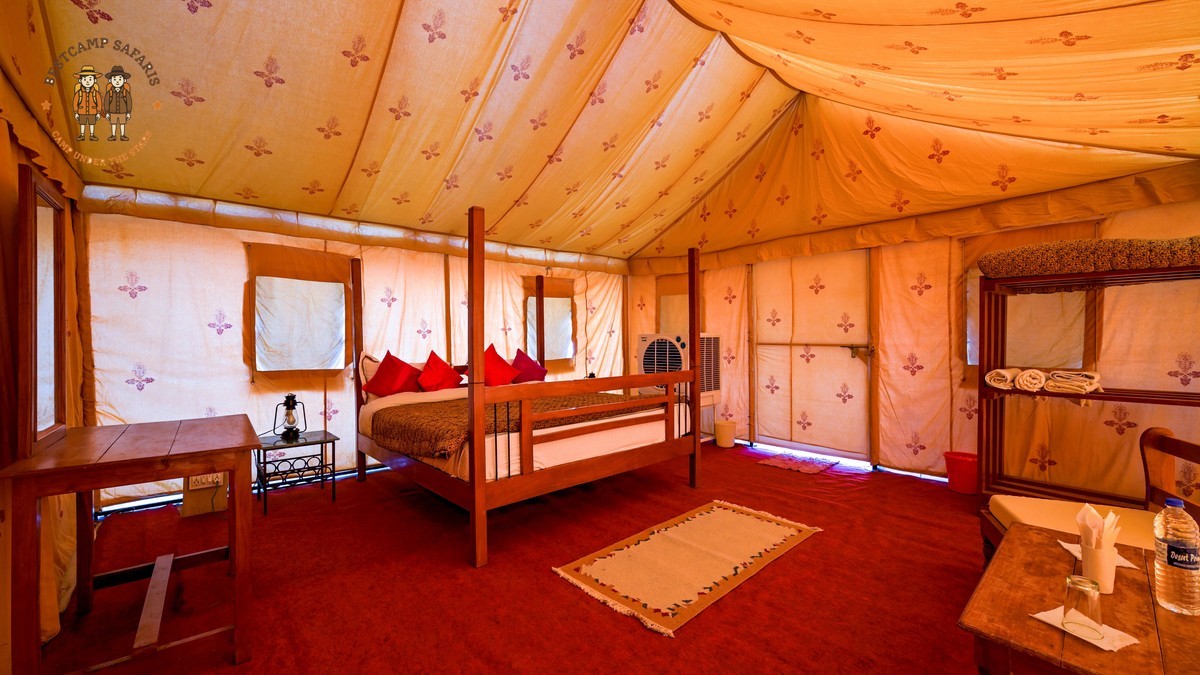
Think of a permanent lodge first. A camp near Lake Nakuru or Tsavo West usually has a solid kitchen with a cold chain, locked dry storage, and a chef who has cooked in the same room for multiple seasons. Cross-contact control is still a procedure, not a guarantee, but there is room to separate a chopping board, use clean oil, and keep a labeled container away from the main service line. A mobile tented camp in Naboisho or Mara North is different. The kitchen may be a canvas mess tent with open shelves and a bucket wash station. The cooks are skilled, but everything shares less space and fewer sealed containers. You should also know that Naboisho and Mara North conservancy fees run about USD 80 to 150 per person per night, bundled into lodge rates. That fee is separate from the Masai Mara National Reserve fee, which is set by Narok County, not KWS.
What to Tell the Camp Before Arrival
Tell the operator the exact allergen, reaction severity, whether trace exposure can cause anaphylaxis, and every related dietary restriction. Send this information in writing four to six weeks before travel for severe or combined allergies, then reconfirm with each camp, the chef or manager, and the guide on arrival.
Write it like a short medical note, not a preference. For example: “Allergic to peanuts and tree nuts. Anaphylaxis to any trace. No peanut oil, no nuts in snacks, no sauces thickened with peanut paste. Two epinephrine auto-injectors carried at all times.” If you also avoid gluten or dairy, list that separately. Four to six weeks is not a courtesy. Many camps outside Nairobi receive supply runs only once or twice a week from Narok, Naivasha, or Nairobi. A specific gluten-free flour or dairy-free spread may need to come on that truck. If it does not, the camp needs time to plan around it.
How Camps Prevent Cross-Contamination
Ask whether the camp uses a separate preparation area, clean utensils, dedicated cookware, fresh oil, separate storage, and an allergy log visible to every kitchen shift. Some camps prepare the allergy meal first and simplify dishes to plain meat, vegetables, or rice. These controls reduce risk but cannot eliminate it completely.
In a lodge with a fixed kitchen, a cook might mark a red chopping board and keep it on a high shelf. In a mobile camp, the chef might clean one gas burner and use a new pan. Your plain chicken gets cooked before sauces are added to the other guests’ food. Ask whether staff change gloves and whether oil in the fryer is shared. Shared oil is a real problem for nut or seafood allergies. Also ask if the camp has an allergy log that the night crew will see, because dinner is often cooked by a different shift than breakfast. For a closer look at one common restriction, read our guide to how safari camps handle gluten-free meals safely.
Buffets, Packed Lunches, and Game-Drive Meals
Individually plated meals prepared in the kitchen are usually easier to control than buffets, where shared utensils and accidental contact create uncertainty. Ask how packed breakfasts and lunches are labeled, stored, and transported on game drives. Carry safe snacks because remote resupply may be infrequent and specialty products may not be available.
Buffets are where most mistakes happen. A spoon drops from the cashew dish into the rice, or a guest uses the same tongs for the nut-crusted chicken and the plain potatoes. That is why a traveler with severe allergies should ask for plated service, even when the rest of the table walks the buffet. At a bush breakfast, your meal may be packed at 5:30 a.m. in a foil container and loaded into a metal box on the vehicle. Ask the guide to keep yours in the cab or in a separate cool bag. If you cannot verify the handling, do not eat it. Packed lunches are often eaten at a dry riverbed or under an acacia, not near a kitchen where questions can be asked easily.
What Travelers Should Carry for Anaphylaxis
Carry all prescribed emergency medication, including two unexpired epinephrine auto-injectors when medically advised, in hand luggage and on every game drive rather than leaving it in the tent. Also pack safe snacks, a written allergy card, medication instructions, and a copy of the camp’s written confirmation.
Keep the auto-injectors in your day bag, not in your checked bag and not in your tent safe while you are out. A game drive can run six hours from camp, so the medication needs to be with you. The cabin of a vehicle can get warm, so use an insulated pouch without ice packs if your doctor advises. Pack enough for the whole trip plus a buffer, because Kenyan pharmacies outside Nairobi may not carry the exact device you use. A small laminated card in English and Swahili helps at bush stops and small lodges.
What Happens in an Allergy Emergency
If exposure occurs, follow the traveler’s prescribed emergency plan immediately and alert the guide or camp manager, who can coordinate first aid, communications, road transfer, or air evacuation. Remote locations mean response times are longer than at home, so camp support is not a substitute for carrying medication and confirming emergency arrangements before departure.
In the Mara or Tsavo you may be 200 kilometers from the nearest full hospital. Your guide and camp manager will be your first line, but they are not paramedics. A remote camp can call a medical evacuation provider, and some have first aid kits with oxygen. A helicopter cannot reach you in minutes the way an ambulance does in a city. Ask before you book how the camp would actually respond. Also ask whether the guide carries a satellite phone and how long the nearest airstrip is from camp. Read more about who helps during safari emergencies in remote camps.
Questions to Ask Before Booking
Ask who will prepare the meals, whether separate equipment and storage are available, how the kitchen records allergies, how game-drive food is labeled, whether buffets can be avoided, what ingredients can be sourced locally, whether specialty items cost extra, and how the camp would respond to a medical emergency.
Write these questions down and ask for written answers:
- Who is the chef or camp manager I can email directly?
- Can you give me a written statement of your cross-contact controls?
- Will my game-drive breakfast be labeled and kept separate?
- If I cannot eat the packed lunch, can the lodge supply plain rice cakes or fruit?
- Is there an extra charge for imported gluten-free bread or dairy alternatives? Get it in writing.
You can also browse our Kenya safari itineraries to see which camps publish clear allergy protocols before you book. While you compare camps, keep the real park costs and road access in mind, because these affect where you can reasonably stay and how far help would need to travel.
| Destination | Non-resident adult park fee (USD) | Road distance from Nairobi (approx km) | Typical drive time |
|---|---|---|---|
| Masai Mara National Reserve | 100 Jan-Jun / 200 Jul-Dec | 250 | 5 to 6 hours |
| Amboseli National Park (KWS) | 90 | 250 | 4 to 5 hours |
| Lake Nakuru National Park (KWS) | 90 | 160 | 3 hours |
| Tsavo East National Park (KWS) | 80 | 300 | 5 to 6 hours |
| Tsavo West National Park (KWS) | 80 | 270 | 5 to 6 hours |
| Nairobi National Park (KWS) | 80 | 10 | 30 to 45 minutes |
| Chyulu Hills National Park (KWS) | 40 | 210 | 4 to 5 hours |
Masai Mara National Reserve is administered by Narok County Government, not KWS. Naboisho and Mara North conservancy fees are roughly USD 80 to 150 per person per night, bundled into lodge rates. All fees are current non-resident adult rates.
The BestCamp Safaris Difference
BestCamp Safaris does not tell you that every camp handles allergies the same way. We ask the questions for you, in writing, before you pay your balance. We send each lodge or mobile camp a short allergy brief with your exact allergens, severity, and required meal formats. We ask for the name of the chef or manager who will confirm the controls. Then we send you the camp’s written response, so you are not relying on a tour company’s vague promise. If a camp cannot honestly meet your level, we say so and help you choose a different camp. We also brief the guide before departure, because your guide is the person who will carry the radio and manage an emergency.
Frequently Asked Questions
Can safari camps handle severe food allergies?
Many established camps can prepare meals for severe allergies if they receive detailed written notice in advance. Ask for the camp’s actual cross-contamination procedures and never assume accommodation means zero risk. Carry prescribed emergency medication with you throughout the safari.
How much notice do safari camps need for food allergies?
Give notice when booking, ideally four to six weeks before arrival for anaphylaxis-level or multiple allergies. This allows the operator to brief every camp and arrange specific ingredients through infrequent remote supply runs.
Do safari camps charge extra for allergy-friendly meals?
Standard dietary accommodations are often included, but a camp may charge for imported or highly specific ingredients. Ask BestCamp Safaris or the camp to confirm any specialty-food or supply cost in writing before paying the balance.
How do safari camps prevent cross-contamination?
Depending on the camp, controls may include separate preparation areas, clean or dedicated utensils, separate cookware and oil, labeled storage, allergy logs, and individually plated meals. Guests should ask which controls are actually used because practices vary between permanent lodges and mobile camps.
How are allergies handled during game drives?
The camp kitchen usually prepares the packed breakfast or lunch, so the meal should be labeled and kept separate from other boxes. Confirm the process before departure, tell the guide about the allergy, carry emergency medication and safe snacks, and avoid eating food whose ingredients or handling cannot be verified.
Plan Your Allergy-Safe Safari with BestCamp Safaris
If you are ready to plan this level of detail, we are ready to help. Tell BestCamp Safaris your exact allergens, reaction severity, travel dates, and the camps or parks you are considering. We will send the same written questions to each kitchen and share the responses with you before you commit. Start by visiting our contact page or browse our Kenya safari itineraries.


