
 Adventure Tours
At 5:10 a.m. in a mobile tented camp in the Maasai Mara, the ground is still cool under your boots. You hear water hiss on last night’s coals before the first game drive. That sound is not an afterthought. It is the final check in a camp fire routine that started before you sat down. So how are safari camp fires managed? They are managed by staff, in cleared zones, with water ready, and often with a simple rule: no fire is safer than a risky one.
Who is responsible for managing a safari campfire?
Safari campfires should be lit, supervised, and extinguished by trained camp staff, not left to guests. A staff member controls the fire’s size, watches changing wind, keeps water or an extinguisher nearby, and confirms embers are cold before the area is closed. Unattended cooking or campfires should be extinguished immediately.
At a well-run Kenya camp, that person is usually the camp manager, a senior guide, or the chef. In a small fly-camp in Naboisho Conservancy, the same person who boils water for the bush breakfast also tends the evening fire. Guests do not add firewood. This is not because guests cannot be trusted. It is because staff need to watch the fire in relation to tents, wind, and animals. I have sat by a fire in Amboseli where the wind shifted in minutes. The askari shifted our chairs before anyone asked. That is the system working.
Where are safari campfires built and how are they contained?
A safari campfire is normally placed in a designated fire pit or cleared mineral-soil area, well away from tents, vegetation, fuel, and low branches. The fire remains small and physically contained with a ring or pit. Camps preserve clear routes around sleeping areas so guests can leave quickly if necessary.
The exact setup changes by camp, and it often depends on whether you have booked a mobile tented camp or a permanent lodge. In a mobile Mara camp, the pit might be a half circle of stones on bare earth, 20 to 30 metres from the nearest canvas tent. In a permanent tented camp at Tsavo West, you might get a raised steel fire bowl on a swept compound. Fly-camps that move seasonally often dig a shallow pit and refill it when leaving. The important detail is not the look. It is the cleared radius around the flames. No dry grass, no spare firewood stacked within reach, no low acacia branches overhead.
| Kenya camp or park area | Approx drive from Nairobi | Non-resident park fee (adult/day) | Typical campfire containment detail |
|---|---|---|---|
| Masai Mara National Reserve (Narok County) | 225 km, 5-6 hours by road | USD 100 Jan-Jun, USD 200 Jul-Dec | Stone-ringed pit 20+ m from canvas tents, cleared radius |
| Amboseli National Park (KWS) | 215 km, 3.5-4 hours | USD 90 | Fire pit near mess tent, shovel and water drum at edge |
| Lake Nakuru National Park (KWS) | 156 km, 2.5-3 hours | USD 90 | Raised metal fire bowl on cleared lawn |
| Tsavo West National Park (KWS) | 240 km, 4-5 hours | USD 80 | Rock-lined pit, no fire when red dust and wind pick up |
| Naboisho Conservancy (private) | 240 km to the Mara, flight option available | USD 80-150 per person per night bundled | Fly-camp fire rings moved seasonally |
These numbers are current as of October 2025. Masai Mara is run by Narok County, not KWS, so its fee is separate. Private conservancies like Naboisho and Mara North bundle fees into lodge rates, usually USD 80 to 150 per person per night. The fire ring is always part of a larger camp layout, not a decoration.
How Are Safari Camp Fires Managed to Stop Them from Spreading?
Staff prevent spread by clearing combustible grass and leaves, limiting the amount of wood, monitoring sparks and wind, and keeping water, beaters, shovels, or extinguishers available. Camps store fuel and generators away from sleeping and social areas, never burn plastic or rubbish, and maintain firebreaks or fire lanes where local conditions require them.
A good camp treats the fire area like a small controlled burn. The manager checks the ground for dry thatch. Wood is kept in a separate pile, never leaning against the fire ring. In conservancies where camps sit inside wildlife areas, staff often rake a one to two metre mineral strip around the pit. Some camps keep a backpack water pump near the kitchen tent, not across camp. If you sleep in a star-bed platform, there is often no fire directly underneath. The fire stays downwind and below.
What happens in windy, dry, or high-fire-risk conditions?
The safest decision may be not to light a guest campfire. Camp managers should consider wind, drought, vegetation dryness, weather forecasts, park restrictions, and local fire-danger rules before approving one. Strong winds or unusually dry conditions can mean replacing the fire with lanterns or another low-risk evening activity. If you are planning around the driest months, it helps to read our guide to the best time for a Kenya safari before you book.
I have had two completely different evenings in Tsavo. One was a long fire with stories and roasted groundnuts. The next night the wind picked up red dust before sunset. The manager cancelled the fire. We ate early under LED lanterns and listened to hyenas from the mess tent. That cancellation felt disappointing for ten minutes. Then it felt correct. Dry-season campfires are not banned everywhere in Kenya. But they are often skipped during the driest months, especially in Tsavo East and Tsavo West, where the grass carries fire fast. A camp that says no is making the call you would make if you knew the fuel load.
How are safari campfires extinguished safely?
Staff extinguish a safari campfire with plenty of water, stir and separate the logs and ashes, then add more water until hissing stops and no heat or glowing embers remain. The fire is not considered safe merely because flames have disappeared. Staff verify that the ashes are cool before leaving or going to bed.
This is the step most guests miss. You finish your tea and walk back to your tent by lamplight. You hear the fire being doused behind you. The staff member does not pour one bucket and leave. They stir the coals with a shovel, pour again, stir again. In the morning the pit is a dark wet circle, not a warm grey mound. That is how you know it was done. Some camps use a fire blanket or sand for small fire bowls. Water is still the common method because it cools fast.
What should guests do around a safari campfire?
Guests should remain in the supervised seating area, follow staff instructions, keep clothing and belongings away from flames, and never add wood or leave children unattended near the fire. Do not enter the cooking area or approach wildlife attracted by food and smells. Tell staff immediately if sparks, smoke, or wind direction changes.
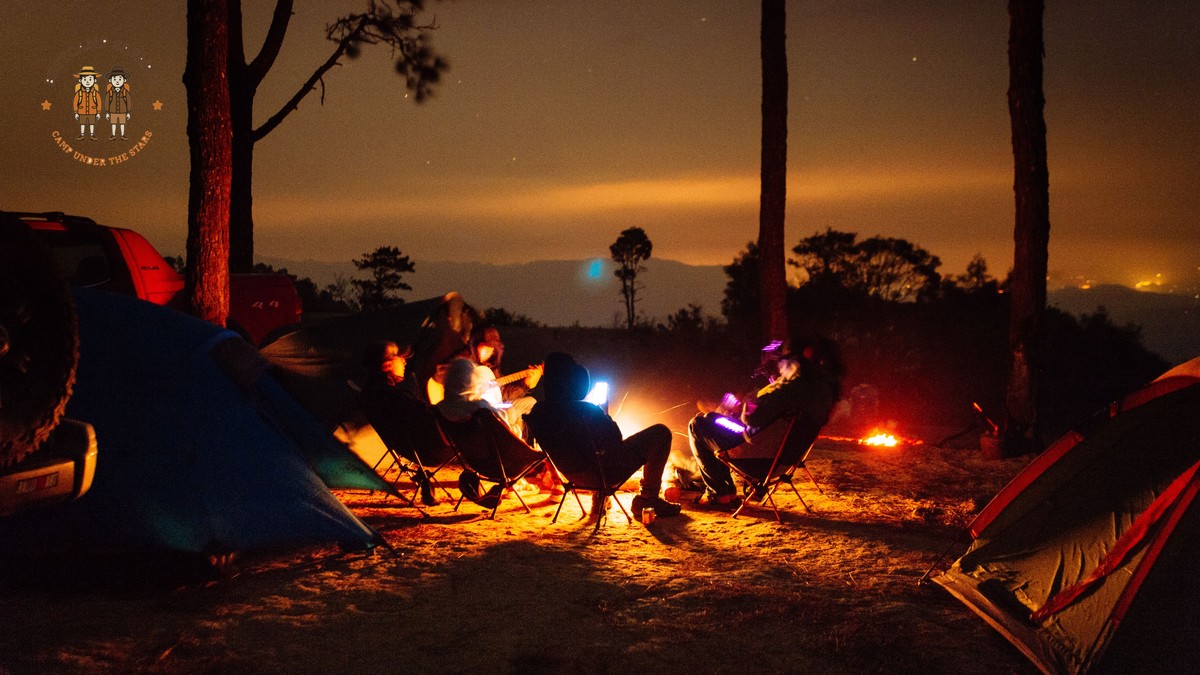
The campfire circle is not a free for all. Chairs are placed a safe distance back. If the wind shifts, staff move the chairs, not the fire. You might be asked to sit on the other side. Keep loose scarves and camera straps tucked, and check our packing guide for a Kenya safari if you are not sure what to bring for cool, dusty evenings. Never stand between the fire and the bush when an animal is near the camp edge. That is not just fire advice. It is wildlife advice. If you see an ember jump beyond the ring, say something. Staff would rather hear about a spark than a grass fire.
What happens if a fire becomes uncontrolled?
If flames or embers begin spreading, guests should move away, alert camp staff, and follow the camp’s evacuation instructions rather than trying to fight a growing fire themselves. Staff raise the alarm, use appropriate equipment only when the fire is still small, contact the relevant emergency service or park authority, and account for everyone.
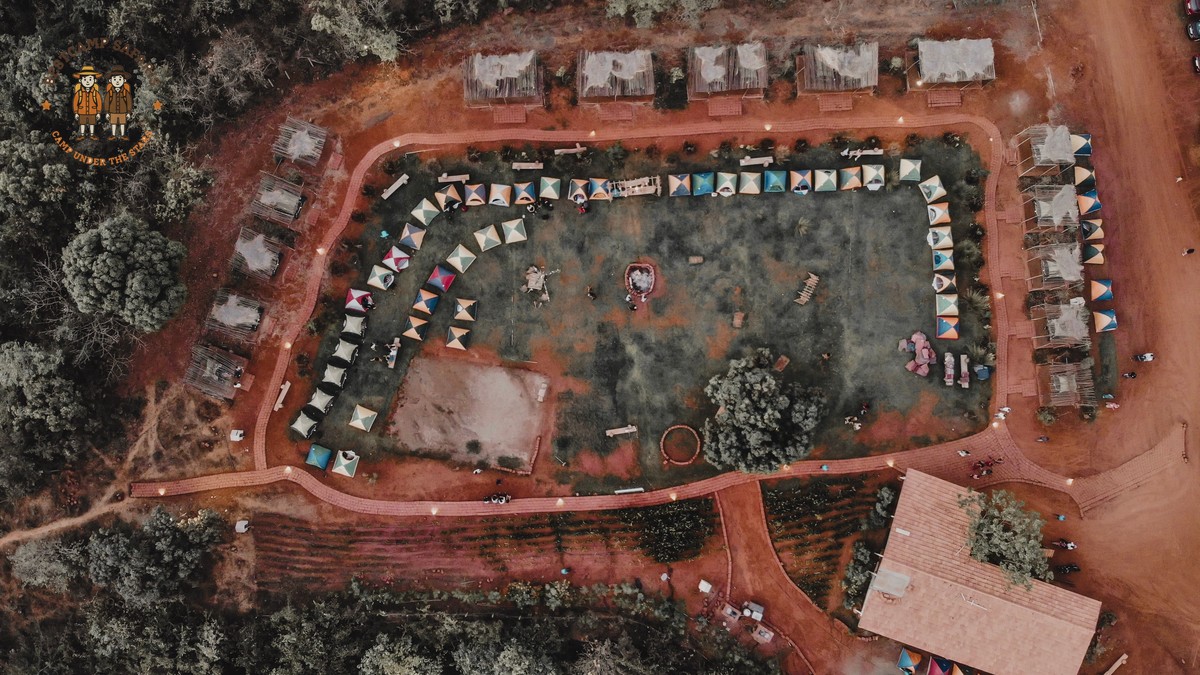
Remote camps plan for this before guests arrive. Tents are laid out with clear exit paths. Staff know where the nearest water point and vehicle track are. If a fire grows beyond a few metres, the priority is people, not property. The camp manager will call the conservancy or KWS emergency line. That is the same system described in who helps during safari emergencies in remote camps. You should move to the vehicle or the designated muster point and wait for a head count.
The BestCamp Safaris Difference
BestCamp Safaris plans campfire logistics as part of trip design. We choose camps where fire management is explicit, with cleared pits, trained staff, and documented dry-season protocols. We brief guests before the first night: where the fire sits, who to tell about sparks, and why a skipped fire is normal. We also match camp type to your style, whether that is a mobile tented camp in the Mara, a fly-camp in Naboisho, or a star-bed in Tsavo. The campfire is never treated as a guarantee. It is a controlled evening event with a clear off switch.
Frequently Asked Questions
Are safari campfires safe?
Safari campfires can be safe when trained staff supervise them, the fire is contained and separated from tents and vegetation, and conditions permit lighting it. Camps should cancel fires during dangerous wind or drought and extinguish every ember before staff leave the area.
Who watches a campfire at a safari lodge?
Camp staff, usually the camp manager, chef, guide, or another trained team member, should watch the fire continuously while it is burning. Guests should not assume a fire is safe to leave unattended, even if it appears small or nearly extinguished.
Can safari camps have campfires during the dry season?
Some camps can operate campfires during the dry season, but permission depends on local park rules, fire restrictions, wind, and vegetation conditions. A responsible camp may cancel the fire entirely when the risk of sparks spreading is higher than normal.
How do safari camps put out fires?
Staff normally drown the fire with water, stir the ashes and logs, and repeat the process until there is no hissing, glow, smoke, or detectable heat. They should not leave simply because the visible flames have gone out. Ashes must be cool before the site is considered safe.
What should you do if a safari campfire spreads?
Move away from the fire, warn nearby people, and tell camp staff immediately. Follow evacuation instructions and do not attempt to tackle a spreading fire unless trained staff direct you and the fire remains small enough to control safely.
Plan Your Campfire Evenings with BestCamp Safaris
Ready to sit around a properly managed campfire in Kenya? Let us match you with a camp where the fire is part of the routine, not the risk. Plan your trip with BestCamp Safaris and we will handle the fire safety details before you arrive.


