
 Uncategorized
First-time safari travellers often pack pill bottles and then realise they do not know where store medicine safari camp. A game drive vehicle gets hot. A mobile tent has no bedside fridge. Camp staff are busy with meals and wildlife. This guide answers it with a Kenya-specific plan. I write as someone who has woken in a canvas tent before a 5am game drive. The practical answer is simpler than most general camping advice suggests.
Where Store Medicine Safari Camp: Everyday Storage for Guests
Keep everyday tablets, capsules, and sealed liquids in their labelled original containers inside a waterproof pouch. Store that pouch in the coolest shaded part of your tent or room, never in direct sun, a parked vehicle, or a hot window area. Ask camp staff for a secure option if children, wildlife, theft, or extreme heat worry you.
Start with the original bottle or blister pack. Labels list temperature, light, and moisture rules. A pharmacy printout of your prescription also helps if you need a replacement later.
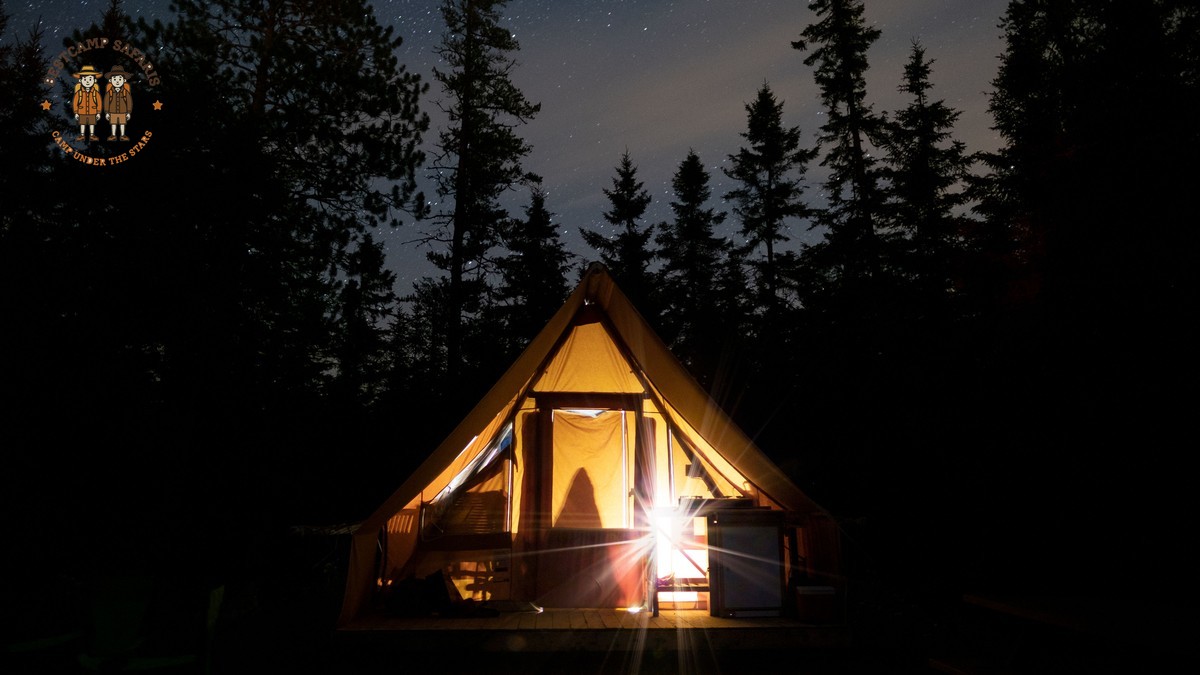
You do not need a fridge for most tablets. A dry bag or thick zip pouch works well. Place it under a bed or on a low table on the shaded side of the tent. In a mobile tent at Naboisho or Mara North, the hottest area is the roof pocket above the bed by late afternoon.
Ask camp staff for locked storage if the tent has no lock or if you are travelling with children. Keep medicine out of reach of vervet monkeys and baboons. They open unattended bags quickly.
How camp type and location change storage
The same rule changes with the camp, the power setup, and the distance to a pharmacy.
| Location or conservancy | Typical camp style | Approx drive from Nairobi | Current non-resident entry or conservancy fee | Guest fridge often? | Best storage move |
|---|---|---|---|---|---|
| Masai Mara National Reserve | Tented or mobile camp | 270 km, 5-6 hrs by road | USD 100 adult/day Jan-Jun, USD 200 adult/day Jul-Dec, county fee | Not guaranteed | Shaded pouch plus ask manager |
| Naboisho Conservancy or Mara North Conservancy | Canvas tented camp | 280 km, 5.5-6.5 hrs | USD 80-150 per person per night, private conservancy bundled fee | Sometimes, ask ahead | Fridge request before arrival |
| Amboseli National Park | Lodge or permanent tent | 240 km, 4-5 hrs | USD 90 adult/day, KWS fee | Usually yes | Fridge shelf plus backup cooler |
| Lake Nakuru National Park | Lodge | 160 km, 2.5-3 hrs | USD 90 adult/day, KWS fee | Usually yes | Seal against humidity |
| Tsavo East or Tsavo West | Lodge or tented camp | 300-350 km, 5-6 hrs | USD 80 adult/day, KWS fee | Usually yes | Same heat rules apply |
These fees are current as of August 2026. Masai Mara is a county-run reserve, not a KWS national park. That matters because its fee structure changes by season.
How Should Refrigerated Medicine Be Stored at Camp?
Medicine marked refrigerate should stay within the temperature range on its label, usually in a monitored camp refrigerator or a properly managed insulated cooler. Confirm refrigerator access before arrival, keep the medicine in its original packaging, and never place it directly against ice or in a freezer. Freezing can damage some medicines.
Insulin, some eye drops, growth hormone, and certain antibiotics need a reliable cold chain. Before you book, ask your BestCamp consultant to check each camp. BestCamp confirms this during trip planning.
At Amboseli and Lake Nakuru lodges, a guest fridge or a kitchen fridge is common. At a Mara mobile camp, the camp may keep a small solar fridge in the mess tent. Ask whether it runs all night or only while the generator is on.
Bring a small digital fridge thermometer. Check the fridge temperature on arrival. Label your pouch with your name and the required range.
Never put medicine directly on ice. Direct contact can freeze it. Wrap cold packs in a cloth. Keep the medicine in a separate sealed bag inside the cooler.
How Can Medicine Be Protected from Safari Heat, Humidity, and Water?
Protect medicine by leaving it in the manufacturer’s container, placing that container in a waterproof zip bag or sealed medication pouch, and carrying it deep inside day luggage rather than in a parked vehicle. Heat, humidity, direct sunlight, and water can reduce medicine quality. Use shade and insulation without exceeding the labelled storage conditions.
Safari vehicles cool down at 6am but warm fast. A closed car on a game drive track can hit 35 to 40 degrees Celsius by 10am. Keep medicine in your day pack, not the dashboard.
Use a wide-mouth dry bag for boat or rain days. Lake Nakuru afternoons can bring short rains. The bag keeps labels readable.
For tablets, do not store them in the bathroom of a lodge. Steam from a hot shower raises humidity. A sealed pouch on the desk is better.
Pack your own over-the-counter basics. Antihistamine, rehydration salts, loperamide, paracetamol, ibuprofen, and motion sickness pills all belong in the same waterproof pouch.
Should Guests Rely on a Safari Camp’s First-Aid Kit or Bring Their Own Medicine?
Bring every prescription, routine medicine, and personal over-the-counter treatment from home, plus extra supply for delays. Use the camp first-aid kit only as backup. Camps commonly carry basic items such as dressings, antiseptic, pain relief, and rehydration products, but supplies vary. Remote camps may be far from pharmacies or hospitals.
Most established camps, from the Mara to Amboseli, keep a basic kit in the office and another one in the vehicle. Guides often carry a smaller pouch with dressings and antiseptic.
Do not assume the camp has your blood pressure tablets or a specific asthma inhaler. They do not.
In Naboisho or Mara North, the nearest full pharmacy can be in Talek, Aitong, or Narok. Drive times vary from 30 minutes to two hours depending on road conditions after rain. Lake Nakuru and Nairobi have quicker access, but still bring your own supply.
For details on who responds first, see who helps during a safari emergency.
What Should Guests Do If Medicine Is Lost, Damaged, or Running Out?
Tell the guide or camp manager immediately. Explain the medicine name and dose. Contact your doctor, insurer, safari operator, or emergency-support provider instead of borrowing another traveller’s prescription. A camp may help coordinate transport or contact a pharmacy. Replacement can take time in remote areas. Original labels, a prescription copy, and spare doses matter.
Tell your guide or camp manager before dinner, not at breakfast. The earlier staff know, the more options they have.
Keep a photo of every prescription label and a copy of your prescription on your phone and in your luggage. That helps a doctor or pharmacist replace it.
Do not borrow a similar pill from another guest. Doses, made-up brands, and inactive ingredients differ. You can make things worse.
If a bag goes missing between camps, tell the team right away. Most lost safari items are found within a day. Read what happens if you lose something at camp.
For serious medical issues, you need a clear plan. Read who handles safari medical emergencies in Kenya.
The BestCamp Safaris Difference
When you book with BestCamp Safaris, medicine storage is not a last-minute panic. Our pre-departure checklist asks about prescriptions, allergies, and medical conditions. We then confirm fridge access and temperature support at each camp on your route.
On a classic 7-night route that pairs Amboseli, Lake Nakuru, and the Masai Mara, that means checking a lodge fridge, a bathroom-safe shelf, and a mobile camp cooler before you pack. If the route includes Naboisho or Mara North, we check whether the solar fridge stays on overnight.
We also brief guides on which guests carry insulin or emergency medicine. They keep an eye on cooler packs during game drives. It is the kind of detail that matters when camp is two hours from the nearest pharmacy.
At the same time, we are honest. A remote BestCamp camp cannot guarantee a specific pharmacy stock or replace every prescription. We help you plan around that with extra doses and paper copies.
Frequently Asked Questions
where should I store medicine in a safari camp
Store non-refrigerated medicine in its labelled original container inside a waterproof pouch, in a shaded and relatively cool part of your tent or room. Keep it away from direct sunlight, vehicle heat, humidity, and places where children or wildlife could reach it. Ask camp staff about secure storage if needed.
do safari camps have refrigerators for medication
Some permanent camps and lodges may have a refrigerator, but availability, temperature monitoring, access, and power reliability vary. Contact the specific camp or safari operator before departure and confirm the medicine’s exact storage requirement. Never assume that a general food refrigerator or ice box is suitable for every prescription.
can I keep insulin in a safari camp
Insulin usually requires careful temperature control. Confirm the manufacturer’s instructions and arrange refrigerator or insulated-cooler support with the camp before travel. Do not freeze insulin or leave it in a safari vehicle. Carry sufficient supply, a temperature-safe backup plan, and medical documentation in case evacuation or resupply is needed.
how do you keep medicine cool on safari
Use the camp refrigerator when the medicine requires refrigeration. Otherwise, keep it shaded and insulated rather than unnecessarily cold. For travel between camps, use an insulated medication cooler with suitable cold packs. Prevent direct contact between medicine and ice. Check the label or ask a pharmacist before choosing a cooling method.
does a safari camp have a first aid kit
Established safari camps generally keep basic first-aid supplies, and guides may carry a smaller kit in the vehicle, but contents differ by camp and destination. Basic kits may include dressings, antiseptic, pain relief, and rehydration salts. They are not a substitute for personal prescriptions or specialist treatment.
Plan Your Medicine-Safe Safari With BestCamp Safaris
The right storage plan starts before you board the plane. BestCamp Safaris can check fridge access, route distances, and backup options at every camp on your itinerary. Plan your trip with BestCamp Safaris by visiting our contact page. We will help you sort the practical side of safari medicine storage before you fly.


