
 Uncategorized
You can get your period on a game drive, at a bush breakfast, or on the morning you break camp near the Talek River. The question is not whether it is okay. The question is how do safari camps handle menstrual products and laundry when the nearest pharmacy is hours away. This guide covers permanent lodges, luxury tented camps, and mobile camps in Kenya.
How Do Safari Camps Handle Menstrual Products? A First-Timer’s Guide
Yes, you can go on safari while menstruating, but plan as though shops and supplies will be unavailable between camps. Pack enough of your preferred products for the entire itinerary plus several extras, carry a discreet sealable waste bag on drives and walks, and ask camp staff privately about disposal and laundry when you arrive.
In Kenya, periods do not pause between Amboseli and the Masai Mara. You may leave Nairobi at 7am, reach Amboseli after about 220 km and five and a half hours, and not pass a supermarket until you return. Tsavo East is similar. The drive from Nairobi through Voi can take six hours. Stock up in Nairobi at Carrefour, Naivas, or Quickmart before the safari starts. A pack of regular sanitary pads may cost roughly KES 150 to KES 700 depending on brand and number. Tampons are available, but the choice is narrower.
Use this table to compare bathroom and disposal setups by camp type in Kenya.
| Camp type / example | Region and distance from Nairobi | Typical bathroom | What to do with used pads and tampons | Underwear laundry policy |
|---|---|---|---|---|
| Permanent lodge, Amboseli Serena Safari Lodge | Amboseli National Park, about 220 km, 5.5 hour drive; KWS park fee USD 90/adult/day non-resident | En suite flush toilet, lidded bin | Wrap and put in the bin; housekeeping empties it | Usually available, but confirm before handing over underwear |
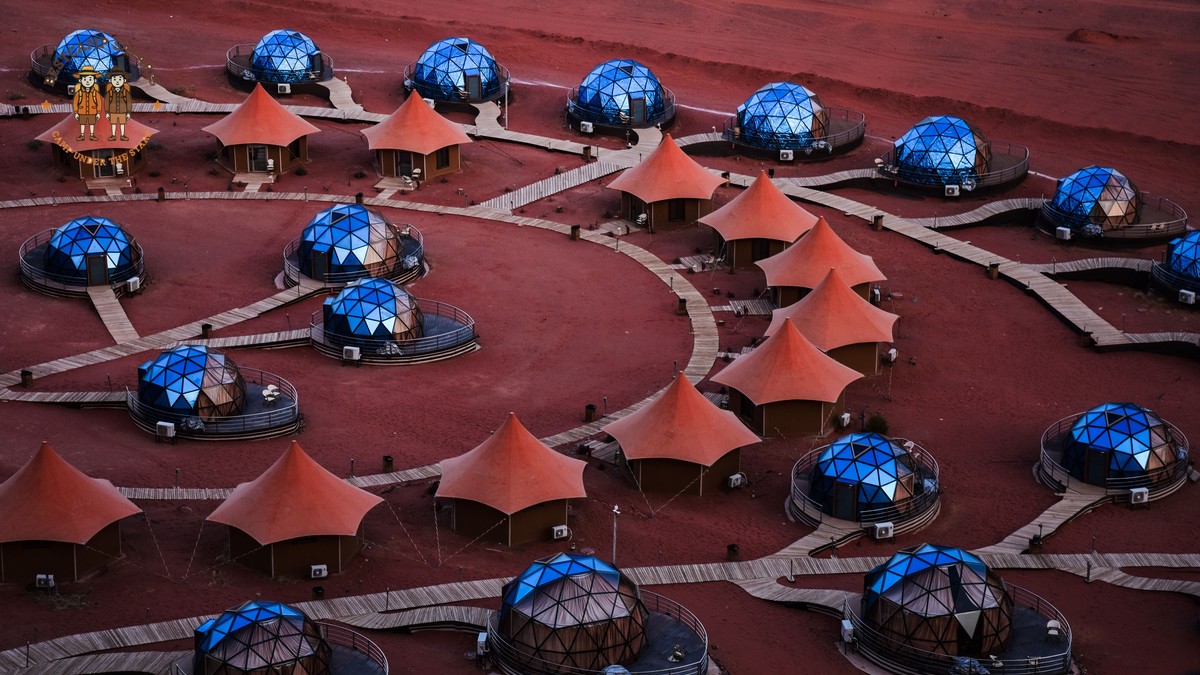
| Luxury tented camp, Kichwa Tembo or Mara Intrepids | Masai Mara, about 250 km, 6 hour drive; Mara entry USD 100 adult/day Jan-Jun, USD 200 adult/day Jul-Dec | En suite safari shower, flush toilet, small covered bin | Wrap and place in a sanitary bag or bin; never flush | Often excludes underwear, bras, and period pants |
| Mobile camp, BestCamp Safaris Mara North mobile camp | Mara North Conservancy, adjacent to Masai Mara; conservancy fee roughly USD 80-150/person/night | Shared long drop, bucket shower, handwash stand | Carry sealed waste to the central disposal point; no bin inside tent | Guests hand-wash private items |
What Menstrual Products Should You Pack for a Safari in Kenya?
Bring the products you already know work for you, because remote safari camps may not stock your preferred pads, tampons, liners, or pain relief. Pack the full trip’s supply, several spare products, sealable opaque bags, tissues or sanitary bags, hand sanitizer, and any cup-cleaning supplies. Do not rely on buying replacements near camp.
For a seven day Kenya safari, do not bring a few and hope. If your usual cycle needs four pads per day, a five period day is 20 products. Pack 30 or more, plus a few liners. Heat, dust, sweat, and long game drives can make you want to change more often. Keep two or three products in your day pack, not just one. On a full day drive in the Masai Mara, you can be out from 6am to 6pm. Some women prefer a menstrual cup because it can stay in place longer, and that depends on your access to safe water, which the cup section below explains. For a full checklist beyond menstrual supplies, see our Kenya safari packing list.
How Should You Dispose of Used Pads and Tampons at Safari Camps?
Wrap used pads, tampons, applicators, and wipes, place them in a small opaque sanitary or sealable bag, and follow the camp’s waste instructions. Never flush menstrual products, put them in a composting or chemical toilet, bury them, or leave them in the bush. Carry drive or walking-safari waste back to camp for disposal.
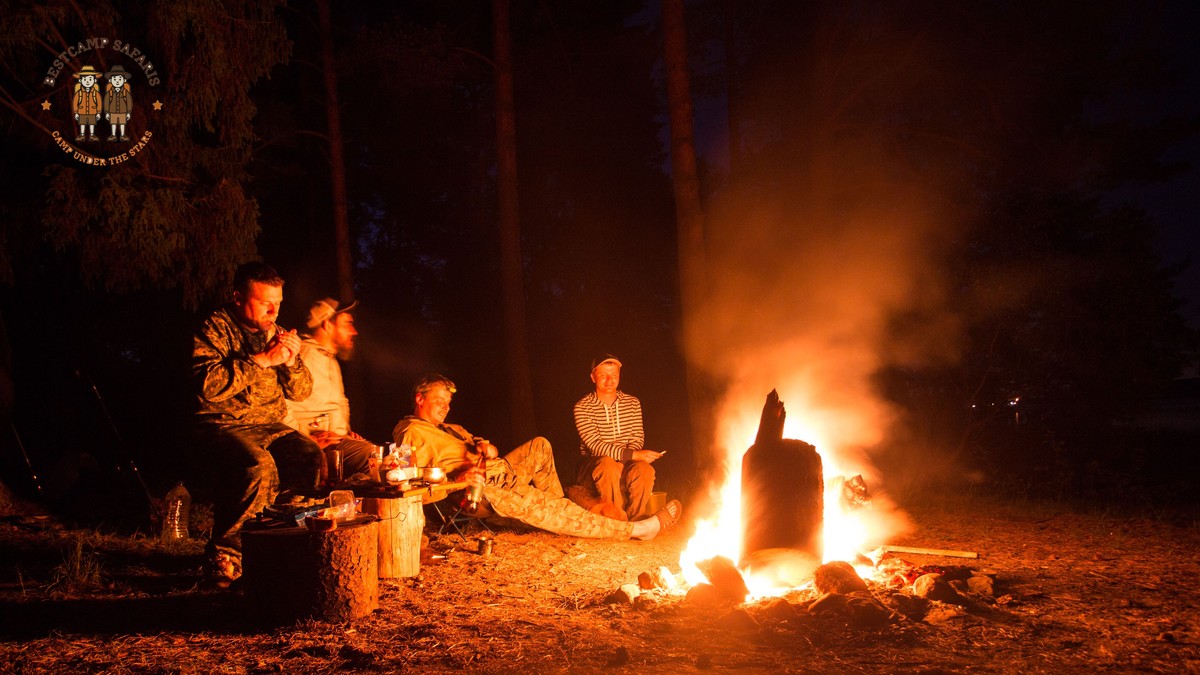
Each camp type handles waste differently. At a permanent lodge like Amboseli Serena Safari Lodge, the bathroom usually has a small covered bin. Wrap the used item in toilet paper, place it in a sanitary bag if you brought one, and close the bin. At a luxury tented camp in the Mara, ask on arrival whether housekeeping empties the bathroom bin daily or whether you should bring a separate opaque bag to the central waste point. At a mobile camp such as a BestCamp Safaris camp in Mara North Conservancy, there may be no bathroom bin inside the tent. The clean rule is to carry your own sealable waste bag, tie it off, and hand it over at the designated drop. Do not bury used pads or tampons. Hyenas, jackals, and baboons dig up waste.
What Should You Do With Menstrual Products During a Game Drive or Walking Safari?
Carry a private pack-out kit in your day bag: tissues, hand sanitizer, spare products, and two leak-resistant opaque bags. If you need to change away from camp, wrap and seal the used product immediately, keep it with you, and return it to camp rather than leaving it behind. Wildlife can investigate discarded waste.
Game drive days start early. In the Maasai Mara, a full day drive can cover 50 km or more on rough tracks. There is no guarantee of a bathroom for hours. Keep a small dry bag or zip bag with two spare tampons or pads, a wad of toilet paper or travel tissues, hand sanitizer, and two opaque disposal bags. If you need to change, do it behind a vehicle or in a private bush stop. Double bag the used product, and carry it back to camp. The same applies on a walking safari near Hell’s Gate or along a private conservancy trail. You are close to animals, and the ground matters.
Do Safari Camps Wash Period Underwear and Reusable Menstrual Products?
Do not assume camp laundry will wash period underwear, bras, panties, reusable pads, or other intimate items. Many safari operators ask guests to hand-wash these privately using water and a small amount of suitable detergent, then hang them discreetly to dry. Confirm the camp’s policy before placing anything in a laundry bag.
Laundry is a sensitive topic. Many Kenyan camps wash shirts and safari trousers. Few accept underwear, bras, period pants, or reusable pads. The reason is cultural and hygienic. Staff may not want to handle intimate items, and camps cannot guarantee hot water or private drying. At a permanent lodge, you may find a laundry bag for general clothing, but underwear is often excluded. At a mobile camp, you manage it yourself. If you use period underwear, bring a small tube of travel wash or a zip bag with a scoop of powder. Wash in your tent basin, wring gently, and hang inside your tent or ask where to dry items away from view. Before you commit to line drying, read our guide on how long safari camp moves take. A tent that moves every morning will not give reusable pads enough time to dry in the sun.
Can You Use a Menstrual Cup at a Safari Camp?
A menstrual cup can work well on safari if you already use one confidently, but it requires reliable hand hygiene and safe water. Empty it only where the camp’s toilet and waste rules allow, wipe or rinse it with safe water, and sterilize it between cycles according to the manufacturer’s instructions and camp facilities.
A cup reduces waste and saves bulk, but it asks more from you. If you can insert and remove it without a mirror, it works well in a tent. If you need two hands, running water, and a clean surface, a cup may feel harder in a bucket shower camp. Use bottled or filtered water for rinsing, never shared tap water from a mobile camp bathroom. Empty the cup into the toilet or the camp’s designated place, never on the ground. Wipe it with a dedicated cloth, and sterilize it at the end of each cycle. At a permanent lodge, the sink makes this easier. At a mobile camp, use bottled water and store the cup in a clean cotton bag until you can boil it.
How Do Safari Toilets and Septic Systems Handle Menstrual Products?
Safari toilets may use septic tanks, long drops, chemical systems, or composting designs, and none should receive pads, tampons, wrappers, or wipes. Use the bathroom bin or sanitary bag supplied by the camp, or ask staff where sealed waste belongs. A flush toilet does not make menstrual products flushable.
Plumbing does not change the rule. A flush toilet at a lodge in Amboseli or Lake Nakuru may look normal. Behind it is a septic tank, a soak pit, or a package treatment plant. Pads and tampons do not break down. They can block the pipe within a week, and that means a plumber drives in from a town. A chemical toilet in a mobile camp is even more sensitive. It has a small tank and a holding volume measured in liters, not a sewer line. A long drop or composting toilet is a pit, not a bin. If you drop a tampon in, staff may not be able to retrieve it safely. Ask where the sealed waste should go. No camp expects guests to know, so the question is normal.
What Hygiene and Privacy Arrangements Should You Expect at Camp?
Expect a private en-suite or shared bathroom depending on the camp, but do not assume every tent has a sanitary bin or that staff will discuss menstruation proactively. Keep sanitizer and spare products accessible, ask a female staff member or camp manager if preferred, and request discreet disposal guidance or a private place to dry washed items.
Most camps give you a private en-suite bathroom if you are in a permanent lodge or luxury tent. A mobile camp may have a shared long drop, a bucket shower, and a handwashing stand that is private but not fancy. Before you book, check how private a mobile camp is. If you want to speak to someone about disposal or need a bin, ask a female staff member or the camp manager. At a family run camp, the manager may be the chef or guide, but they will still help. Keep hand sanitizer in your day bag, not just your tent. You will use it after opening the vehicle door, before touching food, and after any pad change. Know that safe water matters too. Read our guide on whether safari camp shower water is safe to understand what comes out of the bucket and what should not touch broken skin.
The BestCamp Safaris Difference
BestCamp Safaris does not pretend you will find a pharmacy in the Mara. During pre trip planning, we ask about what you need and plan rest stops before the roads turn to dirt. On arrival, we brief you on where to put sealed waste, what the laundry policy is, and where to dry private items at each camp. Our guides carry spare toilet paper, hand sanitizer, and extra opaque waste bags in the vehicle, not just for periods but for the ordinary reality of long dirt roads. We also plan camp moves so you are not trying to wash period underwear at 5am before a six hour transfer.
Frequently Asked Questions
Do safari camps provide pads or tampons?
Some camps may help in an emergency, but guests should not depend on safari camps to stock their preferred pads or tampons. Remote camps can be hours from shops and may have limited supplies, so pack enough for the entire trip plus extras.
Can you flush tampons in a safari lodge toilet?
No. Do not flush tampons, pads, liners, applicators, or wipes, even when the lodge has a flush toilet. Septic, chemical, and composting systems can block or malfunction when they receive menstrual products. Wrap used items and place them in the designated waste bin or bag.
Where do you throw away sanitary pads on safari?
Wrap the used pad in toilet paper or a sanitary bag, seal it inside an opaque bag, and put it in the bathroom bin or disposal container indicated by camp staff. During drives and walks, keep the sealed waste in your day bag and return it to camp rather than leaving it outdoors.
Can safari camps wash underwear?
Safari laundry services often handle ordinary clothing but may exclude underwear and other intimate items, so ask before handing them over. Plan to hand-wash period underwear or reusable pads privately with suitable detergent and hang them to dry, using the camp’s guidance about water use and privacy.
Can I use a menstrual cup on safari?
Yes, if you already use a menstrual cup comfortably. Bring the cleaning supplies you need, wash your hands before and after handling it, use safe water for rinsing, and follow the camp’s rules for disposing of menstrual fluid and cleaning water.
Plan Your Kenya Safari with BestCamp Safaris
Tell us which day your cycle is likely to fall, and we will build the route around reliable plumbing, private bathrooms, and realistic laundry stops. Browse our Kenya safaris or reach the BestCamp Safaris contact page to start a no pressure conversation.


