
 Adventure Tours
I have watched rain pound a fly-camp mess tent while the morning coffee went on anyway. I have also stood on dry earth in the first week of March, wondering where the green season went. The Kenya safari March April weather question is not one answer. It is three different trips: early March, late March, and April.
If you are a repeat Africa visitor, you already know the Mara from a lodge verandah. You may now want Samburu, Laikipia, Meru, or the Chyulu Hills fly-camps. You want honest logistics, not a generic month guide. This post gives you road-by-road detail, real fees, camp logic, and what the ground actually feels like at 5am before a game drive.
Kenya Safari Weather in March
March is a transition month. Early March is often hot and relatively dry, while showers become more frequent from mid to late March as the long rains approach. Daytime temperatures in safari areas commonly sit in the mid to high 20s Celsius, with warm afternoons, cooler mornings, rising humidity, and increasingly green vegetation.
In Amboseli, a late March afternoon can feel heavy before the first storm, and the sky turns a flat grey over Kilimanjaro. In the Masai Mara, the grass is still manageable in the first two weeks, but by the last week you may see water standing in low spots near Talek. At 5am in a tented camp outside Naboisho Conservancy, the canvas is cool, the ground is damp, and the first cup of tea tastes better than the forecast suggests.
For an East African safari, early March often still feels like a short dry season. Later in the month, the air changes. The dust on the game tracks turns to a red paste. Afternoons become humid, and the first real downpours arrive without much warning. Plan accordingly. A March itinerary benefits from shorter drives and a flexible afternoon schedule.
Kenya Safari Weather in April
April is generally Kenya’s wettest safari month, with frequent heavy showers or thunderstorms, especially in the afternoon and evening. Temperatures remain comfortable rather than cold, but cloud cover, humidity, and saturated tracks can affect driving. The reward is exceptionally green scenery, fresh air, low visitor numbers, and strong photographic light between showers.
I have stood in the Mara during an April storm and watched a watercourse rise in the time it takes to finish a cup of tea. The rain often comes hard for an hour or two, not all day, but when it comes, it can be dramatic. The good photographic light appears right after the rain, when the cloud edges break and the grass shines. That light is why some photographers deliberately travel in April.
You lose some predictable game drives. You gain landscapes that look completely different from the dry months. This is also the season when canvas camp staff re-peg guy lines, dry towels by the kitchen fire, and bring hot water bottles to the table. If that sounds like roughing it, it is not. It is simply a more camp-centered safari.
Kenya Safari March April Weather: Rain, Roads, and Logistics
Rain does not usually fall continuously all day, but April downpours can make unpaved park tracks slippery, deeply rutted, or temporarily impassable. Build flexibility into transfers, use an experienced 4×4 guide, avoid overly ambitious multi-park schedules, and confirm current camp access and route conditions before departure. Flooding remains a genuine possibility in exposed areas.
The table below uses real routes and non-resident park fees as of July 2026. Compare distances, drive times, and wet-season realities before you commit to a park.
| Route | Distance | Dry-season drive | April reality | Park or reserve fee |
|---|---|---|---|---|
| Nairobi to Lake Nakuru National Park | about 160 km | 3 to 4 hours | Tarmac most of the way, but lake shore loops can get sticky | USD 90 per adult per day, KWS |
| Nairobi to Amboseli National Park | about 240 km | 4 to 5 hours | Emali to Kimana section can flood at culverts | USD 90 per adult per day, KWS |
| Nairobi to Masai Mara National Reserve, Sekenani gate | about 250 km | 5 to 6 hours | Narok to Sekenani unpaved section becomes greasy and rutted | USD 100 per adult per day January to June, Narok County, not KWS |
| Nairobi to Tsavo East National Park, Voi gate | about 330 km | 5 to 6 hours | Nairobi to Voi tarmac stays viable, park tracks turn to mud | USD 80 per adult per day, KWS |
| Nairobi to Chyulu Hills National Park, Kibwezi access | about 210 km, then a rough park track | 4 to 5 hours | Volcanic clay around Chyulu is very slippery after storms | USD 40 per adult per day, KWS |
The fees are fixed. The roads are not. After a heavy April downpour, even a confident guide will slow to walking pace on the stretch from Narok to Talek. You may need to change a planned afternoon drive, or sit out one hour of rain in the Land Cruiser with the roof hatch closed. In Laikipia or Meru, black cotton soil is the real issue. Once saturated, it clings to tyres and turns short transfers into long ones.
The solution is not a bigger vehicle. It is a shorter route list and a guide who knows which tracks drain first. This is exactly where our Kenya safari road conditions guide helps, because wet-season routing is a local skill, not a guess from a map.
Wildlife, Photography, and Park Choices
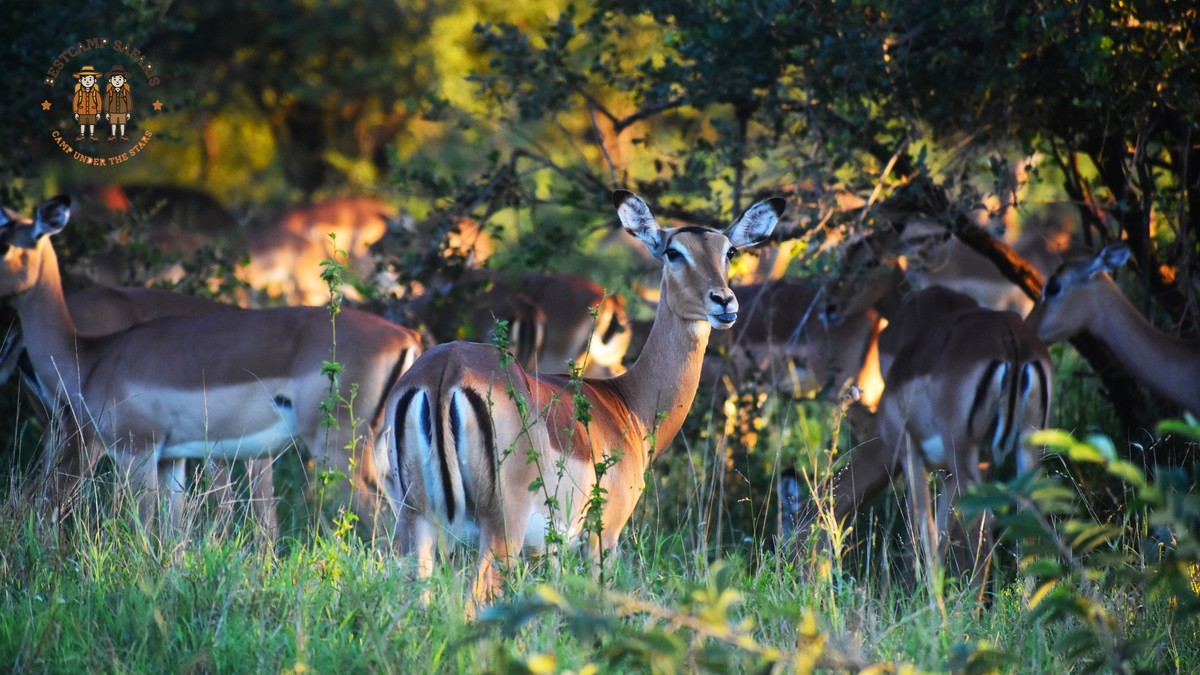
Wildlife viewing remains worthwhile in March and April, although animals may be more dispersed around fresh water and thick vegetation can reduce visibility. The season is excellent for green-landscape photography, dramatic skies, birds, and newborn animals, with fewer vehicles around sightings. The Masai Mara, Amboseli, and selected conservancies can work well when matched to current access conditions.
In Amboseli, elephants move between the swamps and the plains, and you can photograph them against dark green papyrus. The birding in Lake Nakuru and the surrounding acacia woodland is outstanding in April, with fresh migrants and breeding plumage. In the Mara, the long grass can hide a lioness, but when you do find lions with cubs in the rain, the contrast of wet grass and dark coats is exactly what predator photography on safari tries to capture.
For repeat visitors who have already seen the Mara from a lodge, this is the season to try a fly-camp in Meru or a conservancy on the Laikipia Plateau. These areas are quieter in normal years and can be exceptional in green-season light. Pairing Lake Nakuru with Amboseli is also one of the easiest wet-season Kenya safari park combinations, because the tarmac sections reduce your exposure to mud. Just do not expect every track to be open. Ask the camp manager about access before you add a third park.
Safari Prices, Camp Closures, and Value
March and especially April are among Kenya’s lowest-demand safari periods, so some camps offer substantial low-season discounts, while others close for maintenance or because access becomes difficult. The cheapest advertised rate is not always the best value: compare what remains open, whether transfers are included, and whether the itinerary can adapt to rain. April commonly offers the greatest savings.
Park fees do not drop in the green season, so your savings come from the lodge or camp. Masai Mara National Reserve costs USD 100 per adult per day from January to June. Note that Narok County runs that reserve, not KWS. Amboseli costs USD 90. Tsavo East and Tsavo West cost USD 80. Chyulu Hills costs USD 40. Mara North and Naboisho Conservancy fees usually run from USD 80 to USD 150 per person per night, bundled into lodge rates, not lower.
In April, I have seen small tented camps in Laikipia or Meru drop from a high-season rate of about USD 500 per person per night to somewhere near USD 350 for a fly-camp stay. Those are indicative figures, because each camp sets its own low-season rate. A four-night stay or a small group often earns better rates still. But the biggest mistake is chasing the cheapest camp without checking access. A very cheap April offer can mean a camp that is cut off for two days after rain, with no alternative game drive. Better to pay slightly more for a camp that stays open and adjusts its routes.
What to Pack for a March or April Safari
Pack a breathable waterproof jacket, lightweight rain trousers, quick-drying layers, warm clothing for early drives, waterproof bags for cameras and phones, and shoes that tolerate mud. A fleece or light insulated layer is useful because pre-dawn game drives can feel cool even when afternoons are warm. Avoid relying on umbrellas, which are awkward in open safari vehicles.
I keep a small dry bag inside my camera bag, and a headlamp for walking to the bathroom at night. Canvas camps often have lanterns by the path but not always between your tent and the mess. Wet-season grass means wet shoes every morning. Bring two pairs, and do not assume a camp fire will dry them overnight. Gaiters help on slippery airstrips and muddy camp paths, but they are optional for most guests. The real essentials are dry feet, a warm layer at 5am, and a waterproof cover for your binoculars.
Is March or April a Good Time for a Kenya Safari?
March is the safer choice for travelers who want a balance between manageable weather and lower-season value, particularly in the first half of the month. April suits flexible travelers who prioritize lower prices, solitude, lush scenery, and photography over predictable roads and guaranteed sunshine. Neither month is universally best; the right choice depends on weather tolerance, budget, and itinerary flexibility.
Early March often beats late March for clear roads and dry tracks. By late March, you should expect some rain, but the season still feels off-peak and the park fees are at their lower Mara rate of USD 100, not the July to December USD 200. April goes a step further. You may have two or three afternoons where the rain changes everything. If your idea of a good safari includes a camp crew packing away a bush breakfast before the clouds open, April can be brilliant. If you want the highest chance of uninterrupted game drives, choose the first week of March.
The BestCamp Safaris Difference
Most safari advice gives you a month. We give you the actual week, the actual track, and the actual camp. When you book a March or April safari through BestCamp Safaris, the guide does not stick to a brochure route. He or she calls the camp manager at 6am to ask whether the Likile bridge near Mara North is open or whether the Meru shortcut is too slick after last night’s storm.
We also keep your itinerary short in the wet season. Three parks in seven nights works in August. In April it can mean three rushed transfers and a lot of mud. We would rather put you in one or two areas and let a fly-camp build its day around the weather. You get fewer vehicles around sightings, more unhurried coffee, and more honest answers about what the clouds will do after lunch.
Frequently Asked Questions
Is March a good time for a Kenya safari?
Yes, especially in early March, when conditions can still be warm, relatively dry, and favorable for game drives. Rain risk generally increases toward the middle and end of the month as Kenya moves into the long-rain season, so travelers wanting the best balance should avoid building a rigid itinerary around late March.
Is April a good time for a Kenya safari?
April can be an excellent value month for travelers comfortable with rain and flexible logistics. It is typically the wettest month, so muddy roads, temporary flooding, reduced visibility, and camp closures are possible. But the landscape is lush, visitor numbers are low, and prices are often at their most attractive.
Does it rain all day in Kenya in April?
No. April often brings heavy afternoon or evening downpours rather than uninterrupted rain every day, although longer wet periods can occur. Early game drives may still be productive, and conditions can change quickly. Expect cloud, wet tracks, and occasional schedule changes.
Will safari roads be muddy in April?
Some roads and off-road tracks will become muddy in April, particularly after heavy storms or in poorly drained areas. Experienced operators can adjust routes, vehicle choices, departure times, and park combinations, but no operator can remove the risk of temporary closures or slower transfers during exceptional rain.
Can you still see wildlife in Kenya during the rainy season?
Yes. Wildlife remains present throughout the rainy season, and the green conditions can improve scenery, birdlife, and photographic atmosphere. Thick vegetation and abundant water may make some animals harder to locate, but fewer vehicles and fresh young wildlife can compensate for the reduced predictability of sightings.
Plan Your March or April Safari with BestCamp Safaris
If you know which weeks you are considering, tell us. We can build either a classic Amboseli and Lake Nakuru route with lower rain risk, or a Laikipia and Meru fly-camp circuit for the green-season photography you have been thinking about. We will anchor the plan to current road reports and camp openings, not a generic month calendar. Plan a March or April safari with BestCamp Safaris.


