
 Wildlife Tours
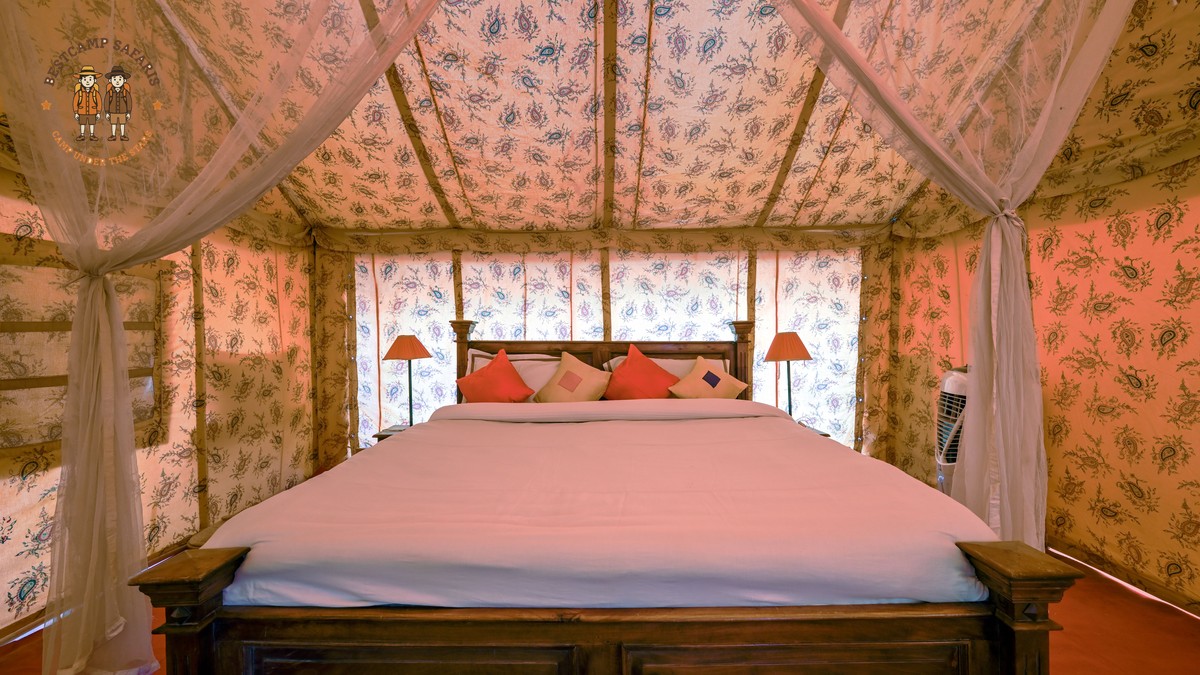
A mobile camp is not a budget afterthought. You sleep in a real canvas tent with a proper bed, a bedside lamp, and a washbasin. You wake before first light to the sound of a kettle being set up in the dining tent. The guide is already loading the vehicle. The Kenya safari mobile camp price covers far more than a sleeping bag on the ground. The range is wider than most first-time safari travelers expect.
I have sat in a canvas chair at 5am. I held a tin mug of coffee while the camp crew packed a bush breakfast into a wooden box. That experience has very little in common with a public campsite. A mobile camp is a full safari operation that moves with the wildlife. The rate includes staff, meals, game drives, and a level of comfort that changes sharply between budget, mid-range, and premium camps.
What a Mobile Safari Camp Is
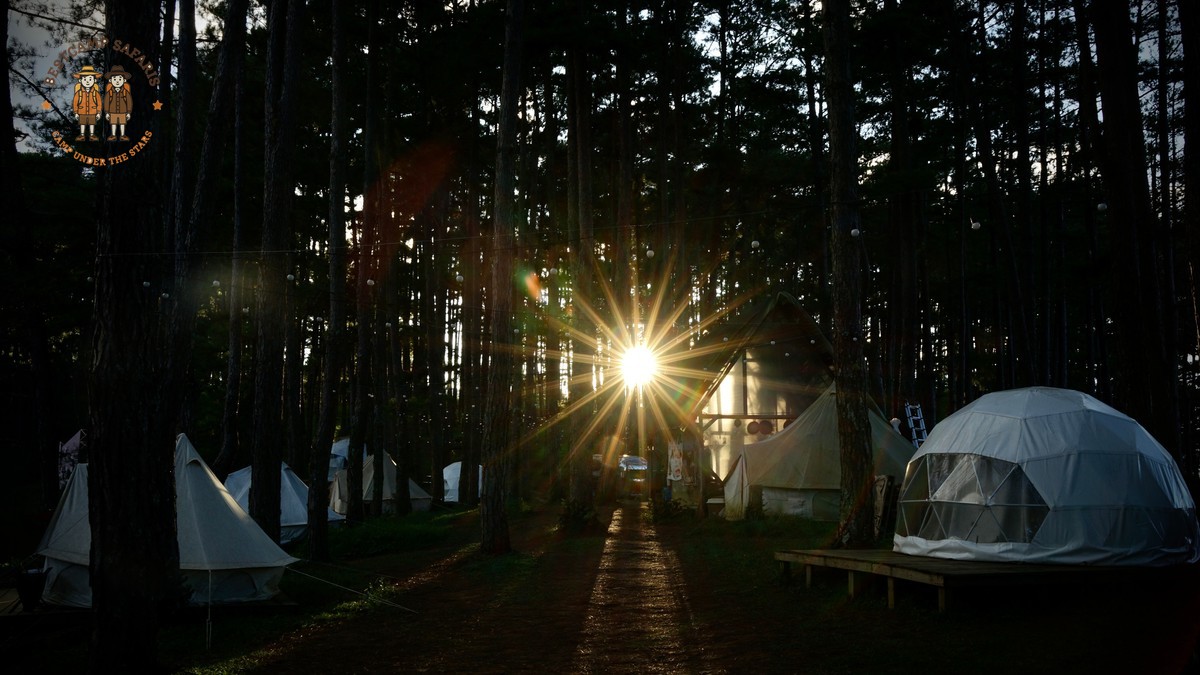
A mobile camp is a temporary tented setup. The crew can pack it onto a truck and move it when the animals move, when the grass changes, or when the season dictates. You get a canvas tent, a bed with sheets and blankets, a small table, a lantern, and usually a bucket shower. It sits attached to the rear of the tent. Hot water comes when you ask for it. The dining tent has a long table, camping chairs, and a cook who turns a simple gas flame into full meals.
If you are curious, read what food is served at a Kenya mobile camp. It is usually camp-cooked and far better than the phrase “camp food” suggests. The daily routine is predictable. You wake early for tea and biscuits. Then you head out on a game drive. You return for a bush breakfast or brunch. You rest in camp during the heat of the day. Later, you take an afternoon drive. You enjoy sundowner drinks. Dinner arrives by lamplight. The camp team handles water, security, laundry requests, and the quiet logistics that make the whole thing feel safe.
Kenya Safari Mobile Camp Price Per Person Per Night
Most Kenya mobile camp prices are quoted per person per night. They are based on two people sharing a tent. Solo travel costs more. Children sometimes pay less. The rate you see on a website is rarely the total daily cost. Park or conservancy fees often sit outside the camp rate. This is the first thing to ask.
The table below gives realistic per person nightly ranges for different mobile camp levels in Kenya. These are indicative price bands for non-resident adults sharing. A specific camp may fall above or below these bands. The final figure depends on season, location, and whether it is a true mobile camp or a semi-permanent tented camp.
| Mobile camp level | Typical price per person per night (sharing) | What you usually get | Example locations or camp names |
|---|---|---|---|
| Budget mobile camping | USD 220 to 350 | Basic canvas tent, shared bucket shower or long-drop, group vehicle, simple full-board meals | Simple camps near Talek or outside Amboseli |
| Mid-range mobile camp | USD 400 to 700 | En-suite bucket shower, better bedding, shared 4×4 game drives, full board, camp staff | Mara North Conservancy, Naboisho Conservancy |
| Premium mobile or fly camp | USD 750 to 1,200 plus | Private vehicle, en-suite bucket shower, wine, walking add-ons, fly camping extensions | Serian Nkorombo, Siruai, Leleshwa |
A budget camp can feel adventurous. A premium camp feels like a small lodge that happens to move.
Named Mobile Camps and Sample Rates
Camps like Serian Nkorombo in the Masai Mara, Siruai, and Leleshwa generally sit in the premium tier. Their published rates commonly land between USD 750 and USD 1,200 per person per night. The exact figure depends on season and whether the rate includes a shared camp or a private vehicle. These camps are often positioned for the Great Migration. They may move to follow river crossings. The nightly rate usually includes meals, drinks, game drives, and the camp crew. It may still exclude the Masai Mara National Reserve entry fee.
On the budget side, a community-run mobile camp outside Amboseli or near the Talek area might charge USD 250 to 350 per person per night. That rate often includes basic meals and a shared vehicle. The bathroom may be a simple bucket shower behind a canvas screen. It is honest, functional camping with a guide. You pay less because the camp has fewer staff, simpler food, and less private space.
Peak Season Versus Low Season Pricing
Two different prices move with the season. The camp rate often rises by 20 to 40 percent during the July-to-October migration and the December holiday period. The government or conservancy entry fee also changes in the Masai Mara.
The Masai Mara National Reserve is run by Narok County, not KWS. Its non-resident adult fee is USD 100 per adult per day from January to June. It rises to USD 200 per adult per day from July to December. This covers the peak migration window. That fee is per adult, per 24-hour day. Two people staying two nights can easily add USD 400 to USD 800 in reserve fees before the camp rate even begins.
Amboseli National Park, Lake Nakuru National Park, Tsavo East, Tsavo West, and Nairobi National Park all charge KWS non-resident fees. The current rate is roughly USD 80 to 90 per adult per day. Chyulu Hills National Park is lower at USD 40 per adult per day. Private conservancies such as Mara North Conservancy and Naboisho Conservancy usually charge a separate conservancy fee. It is roughly USD 80 to 150 per person per night. In many conservancy camps, that fee is bundled into the nightly rate. In the national reserve, it is not.
What the Mobile Camp Rate Includes
Inclusions vary by camp. These are the line items you should expect on a standard mobile camp invoice.
- Full-board meals, usually breakfast, lunch or bush brunch, afternoon tea, and dinner.
- Drinking water in camp and in the vehicle.
- The tent, bed, bedding, towels, and camp furniture.
- A warm bucket shower or basic en-suite bathroom, filled on request.
- Game drives in a shared or private 4×4, depending on the rate.
- A professional driver-guide or naturalist guide.
- Vehicle fuel, park map, and cool box for drinks.
- Camp staff, including the cook, camp manager, and night watchman.
- Basic security, especially in conservancy camps.
Fresh coffee, campfire time, and a hot water bottle in your bed are common. You see these at mid-range and premium camps. It matters more than you think at 5am.
What the Mobile Camp Rate Excludes
Most mobile camp rates do not include everything. These are the usual exclusions.
- Masai Mara, Kenya Wildlife Service, or conservancy entry fees.
- Bar drinks beyond water, tea, and coffee, depending on the camp.
- Premium wines and spirits.
- Tips for the guide and camp staff.
- International flights and Kenya visa fees.
- Nairobi hotel nights before or after the safari.
- Travel insurance and emergency medical evacuation cover.
- Single supplement if you travel alone or want a private tent.
- A private vehicle upgrade if the rate is for shared game drives.
- Hot air balloon safaris, Maasai village visits, and other extras.
Always ask for a written line item. It should state whether the park or conservancy fee is in or out. This one line explains more about the final Kenya safari mobile camp price than any glossy brochure.
Park, Reserve, and Conservancy Fees
Here is the exact fee picture for the places most mobile camps visit.
| Area | Fee authority | Non-resident adult fee per day |
|---|---|---|
| Masai Mara National Reserve | Narok County, not KWS | USD 100 Jan to Jun, USD 200 Jul to Dec |
| Amboseli National Park | KWS | USD 90 |
| Lake Nakuru National Park | KWS | USD 90 |
| Tsavo East National Park | KWS | USD 80 |
| Tsavo West National Park | KWS | USD 80 |
| Nairobi National Park | KWS | USD 80 |
| Chyulu Hills National Park | KWS | USD 40 |
| Mara North or Naboisho Conservancy | Private conservancy | Roughly USD 80 to 150, often bundled into lodge rate |
Private conservancies charge daily or nightly conservancy fees. That money supports land leases and community programs. If you want more context, read how Maasai Mara conservancies benefit wildlife and local communities. For a first-time traveler, a conservancy camp often feels easier. The fee is already inside the rate, and the vehicle density is lower.
Private Camp, Shared Camp, and Single Supplement Costs
Most mobile camp prices assume two people sharing. A solo traveler should expect a single supplement. It is roughly 30 to 50 percent on top of the per person sharing rate.
A private mobile camp is a different cost structure. Instead of paying per person, you pay for the entire camp and its crew. A small private mobile camp in the Mara can run from USD 1,500 to 3,500 per night for the whole group. That may sound high. A family or two couples can split the cost. They often end up close to the same per person price as a shared camp. They also get far more control over the route.
If you want a private vehicle but still share the camp, budget extra. The cost is roughly USD 200 to 350 per vehicle per day at many mid-range operations. Ask before you book.
Mobile Camp Versus Lodge and Budget Camping
A true mobile camp gives you better positioning and flexibility. The camp can move to follow the migration. It can also sit on a quiet river bend away from permanent lodges. You may hear lions from your tent. You walk a short distance to a vehicle under lamplight. Mobile camps have simpler bathrooms. They have fewer fixed structures. They also have less predictable logistics in heavy rain. Read what happens if it rains on safari before you book a green-season date.
A permanent safari lodge has stone cottages, swimming pools, and running water. It also costs more. It stays in one place. It shares the area with more vehicles. A public campsite costs very little. However, you bring your own tent, food, and cooking gear. You do not get a guide or a game drive vehicle.
For many first-time safari travelers, a mid-range mobile camp is the honest middle. You get the full safari routine. You get a real bed and a private bucket shower. You get a guide. You do not pay lodge prices for facilities you may not use.
How to Choose the Right Mobile Camp
Start with your comfort tolerance. If the idea of a shared bathroom is fine, a budget mobile camp makes a lot of sense. If you want an en-suite bucket shower and a private vehicle, choose a premium camp. Ask what the private vehicle line item costs.
Then check the location. A camp inside a private conservancy has lower vehicle traffic. It often includes the conservancy fee. A camp inside the Masai Mara National Reserve has easier access to the reserve itself, but you add the reserve fee separately. The Kenya safari mobile camp price is not just the nightly rate. It is the nightly rate plus entry fees, vehicle upgrades, the single supplement, and seasonal differences.
Also consider how you will reach the camp. The road transfer from Nairobi to the Masai Mara covers roughly 270 km.
The BestCamp Safaris Difference
BestCamp Safaris works with first-time safari travelers every week. We translate mobile camp quotes into a simple daily cost. We show you the camp rate. We show you the reserve or conservancy fee. We show you the vehicle basis and the single supplement. You see all of this before you pay anything. We do not hide the park fee in a footnote.
We also match the camp style to your tolerance for dust, shared bathrooms, and early starts. If you want a private camp for a family, we tell you the whole-camp cost. If you want the cheapest honest mobile camp option, we build the road route. We also explain the trade-offs. The goal is to make sure you know exactly what each line in your Kenya safari mobile camp price pays for.
Plan Your Mobile Camp Safari
Ready to see your own Kenya safari mobile camp price in a clear, line-by-line quote? BestCamp Safaris can put one together around your dates, group size, and comfort level. Start planning with BestCamp Safaris.


