 Adventure Tours
Sardinian speaking travelers mobile camping in Kenya face one extra question that most guides skip. Can you book this trip in your own language? The short answer is yes, with some planning.
You have slept out under the stars in the Gennargentu. You know how a good tent feels after a long day of walking, and you know a great landscape means little if the camp routine is uncomfortable.
A mobile camping safari in Kenya works the same way. The canvas is your home, the camp moves with you, and the routine matters as much as the wildlife.
This guide covers what mobile camping means, where camps operate, what it costs, and how to organize the language support you need.
What Sardinian Speaking Travelers Mobile Camping Trips Look Like
A mobile camp is a temporary tented camp that moves between locations. The crew packs beds, tables, chairs, cooking gear, and sometimes the showers into a truck or Land Cruiser.
You arrive at a new site in the evening. By the time you return from a game drive, tents are up, beds are made, and dinner is cooking over a camp stove.
The key difference from a lodge is permanence. A mobile camp is built and dismantled every few days, so it can follow the wildlife. If the wildebeest migration moves, your camp can move with it.
For the camping enthusiast, the experience feels closer to real bush life. You hear lions at night from inside canvas, not from behind stone walls.
Best destinations for mobile camping in Kenya
Not every park allows mobile camping. Conservancies and private reserves are usually more flexible than national parks.
The Masai Mara National Reserve is the most famous destination, run by Narok County Government rather than Kenya Wildlife Service. Within the ecosystem, conservancies like Naboisho and Mara North offer a more exclusive experience, bundled into your camp rate, with fewer vehicles and better walking.
Amboseli is a top pick for elephant viewing with Mount Kilimanjaro behind. Lake Nakuru offers rhinos and flamingos. Tsavo East and Tsavo West, the largest parks in Kenya, feel wilder than the Mara. Chyulu Hills, near Amboseli, offers excellent walking country. Fees and drive times for each are below.
| Destination | Administered by | Fee per adult per day | Drive from Nairobi (approx) | Best for |
|---|---|---|---|---|
| Masai Mara Reserve (Jan-Jun) | Narok County | USD 100 | 5-6 hours (270 km) | Migration, big cats |
| Masai Mara Reserve (Jul-Dec) | Narok County | USD 200 | 5-6 hours (270 km) | River crossings, migration |
| Naboisho Conservancy | Private | USD 80-150/night bundled | 5-6 hours (280 km) | Exclusive vehicles, walking |
| Amboseli National Park | KWS | USD 90 | 4 hours (240 km) | Elephants, Kilimanjaro views |
| Lake Nakuru National Park | KWS | USD 90 | 2.5-3 hours (160 km) | Rhinos, flamingos |
| Tsavo East / Tsavo West | KWS | USD 80 | 3-4 hours (230 km) | Remote wilderness, red elephants |
| Chyulu Hills National Park | KWS | USD 40 | 3.5 hours (200 km) | Walking safaris, volcano views |
How mobile safari camps move and operate
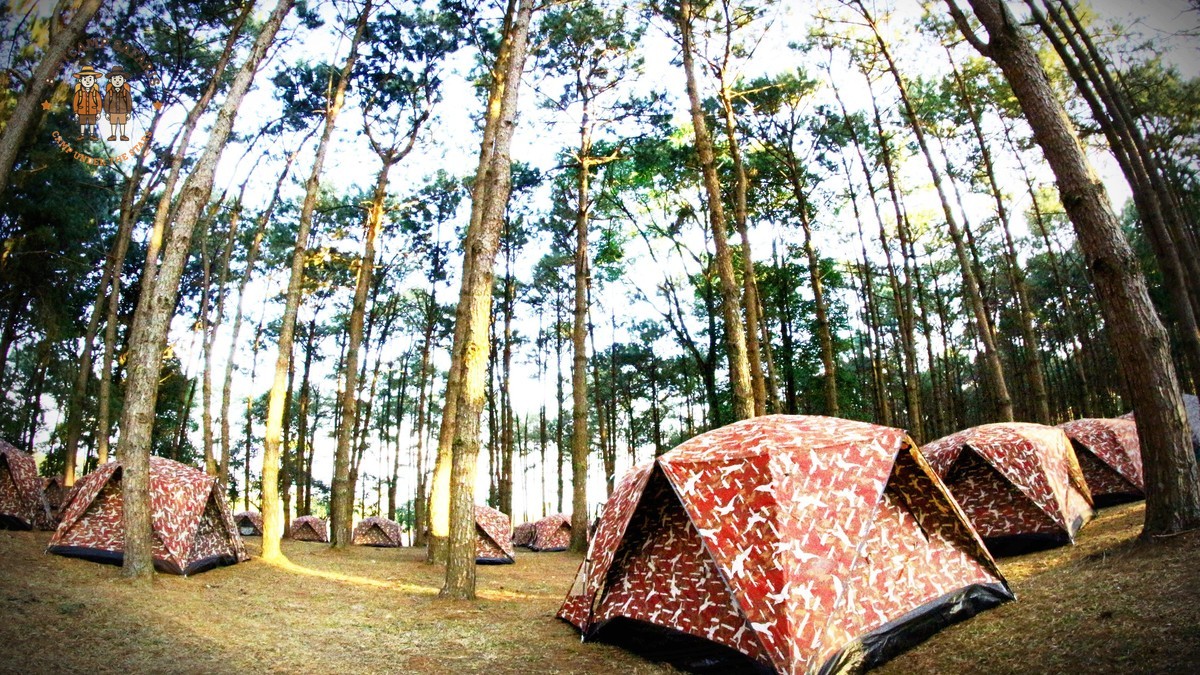
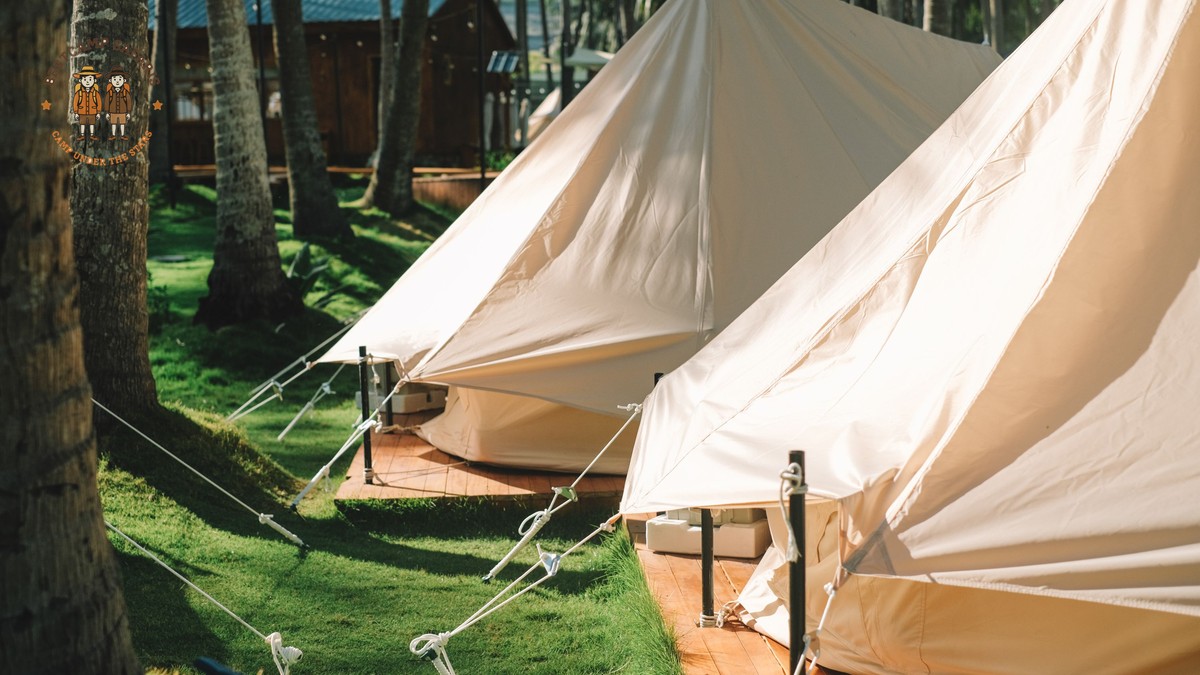
A typical mobile camp has between 6 and 12 tents, each with a proper bed, pillows, sheets, and a blanket. Some camps use walk-in tents tall enough to stand up inside.
The crew moves ahead of you during the day. While you watch lions, they break camp, drive to the next site, and rebuild everything before you return.
Bathroom arrangements vary. Higher-end camps bring a portable bathroom tent with a flush toilet and a bucket shower, where you pour warm water from a bag or can with a hose. More basic fly-camps use a shared pit latrine and a simple shower stall.
Electricity comes from a solar panel or a generator, so power is not constant, and Wi-Fi is rarely available. Mobile camping trades some permanent facilities for quieter, more flexible wilderness access.
Wildlife viewing and seasonal timing
The single biggest reason travelers choose mobile camping is the Great Migration in the Masai Mara. From July to October, wildebeest and zebra cross the Mara River from Tanzania, and camps position near the crossing points. Peak season also means higher fees, since the reserve charges USD 200 per day.
If your schedule is flexible, consider June or November. The migration is still in the area, the reserve fee drops to USD 100 in June, and November’s short rains bring greener landscapes and fewer vehicles.
Outside the Mara, Amboseli is good year-round for elephants, with the clearest Kilimanjaro views from June to October. Tsavo is strongest in the dry season, when animals gather near water.
Sample Kenya mobile camping itineraries
Here is a practical 7-night route for Sardinian speakers who want the full mobile camping experience.
Day 1: Nairobi to Amboseli
The drive takes about 4 hours on a mostly paved road. You arrive in time for an afternoon game drive. Night one is in a mobile camp inside or just outside the park.
Day 2: Amboseli full day
Spend the day watching elephants against the Kilimanjaro backdrop on open plains with excellent visibility. Night two is at the same camp.
Day 3: Amboseli to Chyulu Hills
A short 1.5-hour drive takes you to Chyulu Hills, walking country where a ranger accompanies you on foot. Night three is a fly-camp in the hills.
Day 4: Chyulu Hills to the Masai Mara
This is the longest transfer of the trip, so plan it with care. Chyulu Hills to Nairobi is roughly 200 km and 3.5 hours. Nairobi to the Masai Mara adds another 270 km and 5 to 6 hours. Back to back, that is close to 470 km and 9 or more hours, too long for one comfortable day.
Because of this, most operators fly this leg instead. A light aircraft connects the Amboseli area to the Mara in about 1 to 1.5 hours, for roughly USD 200 to 350 per person, one way. If you prefer to drive, split the transfer into two days with an overnight near Nairobi.
For this 7-night itinerary, we recommend the flight. You arrive at your mobile camp in the Mara by early afternoon, in time for a game drive before dark.
Days 5-7: Masai Mara
You spend three full days in the Mara ecosystem, with the first two nights in the reserve or in Naboisho Conservancy. Your camp may move once to follow the herds, and the final night could be near the Sand River or the Talek River.
Families and older travelers can manage mobile camping, but should choose a camp with private bathrooms and a more comfortable vehicle.
Mobile safari costs and what is included
A mobile camping safari price depends on the season, the number of nights, and the level of comfort. Most operators quote per person per night, based on two people sharing a tent.
As a labeled range, expect USD 350 to 700 per person per night for a mid-range to premium safari in the Mara. Fly-camps in Chyulu Hills cost less, around USD 200 to 400, usually including your tent, meals, a guide, a vehicle, and game drives.
Ask what the quote includes before you book. Typical inclusions are:
- All meals and drinking water
- Private 4×4 vehicle with pop-up roof
- Professional guide and camp crew
- Park or conservancy fees
- Fly-camp or mobile camp setup
Exclusions are usually:
- International flights, visas, and travel insurance
- Alcoholic drinks and tips for the crew and guide
- Extra activities like hot air balloon rides (USD 450 per person, indicative)
Park fees add up fast in the Mara, where the reserve fee is USD 100 or 200 per day. Confirm whether your quote already includes those fees.
Language support for Sardinian-speaking travelers
The honest answer is that very few Kenyan guides speak Sardinian. It is a minority language even within Italy, and Kenya’s tourism industry works mainly in English, with some Swahili, German, French, and Italian.
The practical solution is to book through an operator who offers Sardinian or at least Italian-speaking support. BestCamp Safaris arranges a pre-trip video call in your language, and an Italian-speaking guide can handle daily logistics on safari, with the camp crew communicating through the guide.
If you are comfortable in English, you have more guide choices, since most professional Kenyan guides speak it fluently. Wanting Sardinian on the ground usually means a small premium for a specialized guide.
For daily interaction with the camp crew, learn a few Swahili greetings. “Jambo” means hello, “asante” means thank you, and “hakuna matata” means no problem.
What to pack for a mobile camping safari
Pack light but complete. The camp provides beds and bedding, so you bring everything personal.
- Headlamp with spare batteries, for night trips to the bathroom
- Power bank and solar charger
- Lightweight layers: warm jacket for mornings, t-shirt for midday
- Wide-brimmed hat and sunscreen
- Insect repellent with DEET
- Comfortable walking shoes for fly-camp walks
- Small binoculars and a reusable water bottle
- Basic first aid kit and personal medicines
- A small duffel bag, since many camps limit luggage to 15 kg in soft bags
Leave valuables at home. Carry your passport and cash in a small waist pack.
Safety, health, and practical travel advice
Mobile camping is safe when you follow the rules. Stay inside the tent at night, never walk alone after dark, and follow your guide’s instructions on game drives. Most camps post a night watchman.
Health matters too. Visit a travel clinic 6 to 8 weeks before departure. Kenya requires yellow fever vaccination if you are arriving from a country with risk of transmission, so check current entry rules before you fly. Antimalarial tablets are strongly recommended for everyone.
Daytime temperatures in the Mara range from 20 to 30 degrees Celsius, with cold mornings around 10 to 15 degrees. Pack a fleece for the 5 am game drive.
The BestCamp Safaris Difference
BestCamp Safaris is built for people who want canvas, not concrete. Every itinerary sets up real mobile camps with walk-in tents and proper beds at named sites in the Mara, Amboseli, and Chyulu Hills, moving with the herds when the season demands.
We also understand the language gap. Sardinian speaking travelers mobile camping with us get a pre-trip planning call in their own language, an Italian-speaking guide option, and written materials in Italian or English.
We publish transparent pricing, so you see exactly what is included and what is not, with no hidden extras at the gate.
For a quieter, more flexible alternative to lodges, our Corsican-speaking travelers’ guide covers similar ground for another minority language group. The Romansh-speaking travelers’ guide and the Sami-speaking travelers’ guide offer honest cost breakdowns from other cultural perspectives.
Ready to plan your mobile camping safari?
You already know how to camp. Let us handle the Kenya logistics, match the right camp style to your experience, confirm all park fees, and set up the language support you need.
Plan the trip with BestCamp Safaris by visiting our safari tours page. Tell us your preferred dates and we will send a sample itinerary with exact prices.
Su bentu hat bortadu a miezu. The wind has turned in your favor. The savanna is waiting.


