
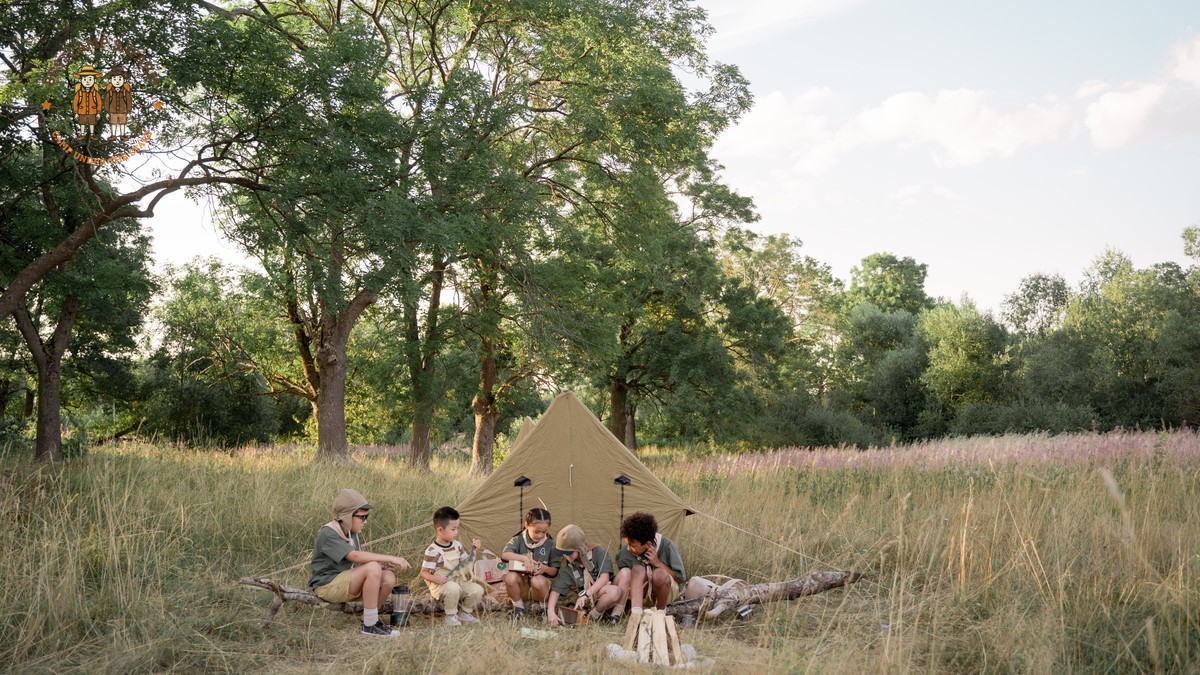
 Adventure Tours
You live in Lusatia. You speak Sorbian at home, German at work, and you have spent more weekends in a tent than in a hotel. Now you want to see lions, not from a lodge veranda, but from a camp chair at night, with canvas between you and the dark.
A mobile camping safari in Kenya is exactly that. Here is how it works, what it costs, and how you get there from Berlin, Dresden, or Leipzig.
What a mobile camping safari actually is
A mobile camp is not a lodge. It is not a permanent camp with wooden decks and a pool. A mobile camp is a full camp that moves with you.
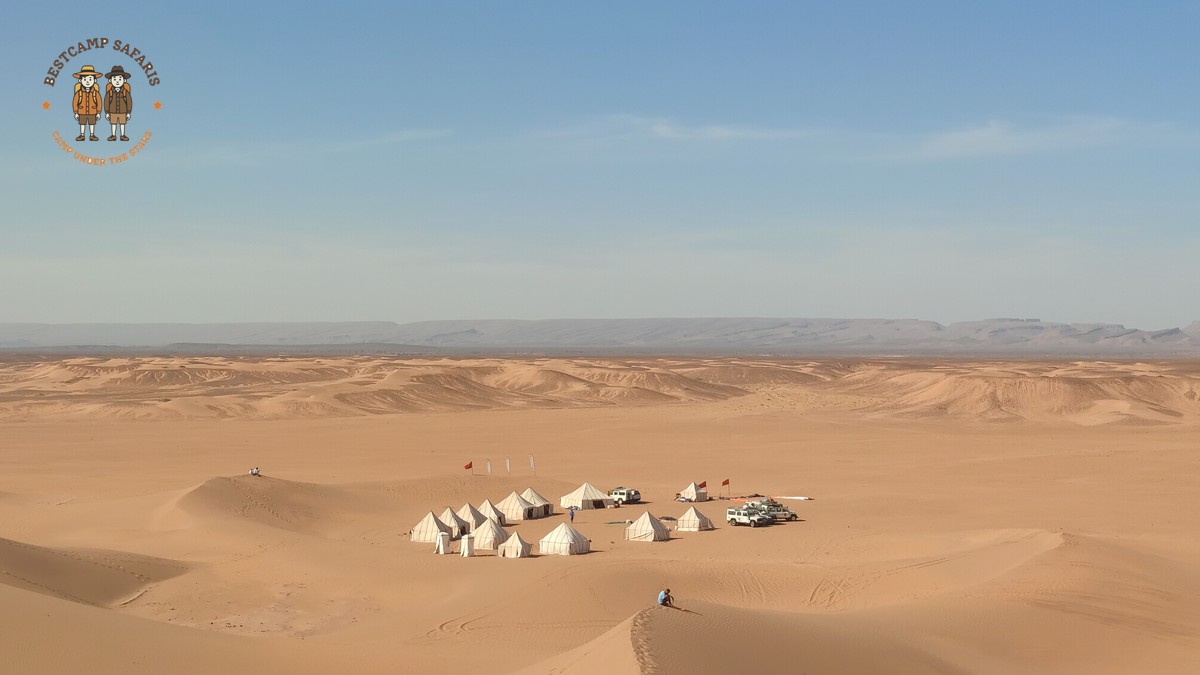
A crew drives ahead of you in a support truck. They carry tents, cots, mattresses, a camp table, cooking gear, chairs, and a simple camp shower. By the time you arrive after an afternoon game drive, the camp is already pitched. Dinner is cooking. Your bed is made.
Each morning, you wake before sunrise. The crew packs the camp while you are on your morning game drive. By lunch, the site is clean and empty. You drive to the next valley, and the whole thing happens again.
The tents are walk-in domes or ridge tents, high enough to stand in. You sleep on a cot with a foam mattress. There is no electricity, no wifi, and usually no phone signal. There is a pit latrine at most public campsites, or a simple private toilet tent at semi-permanent camps.
This is not roughing it in the backpacker sense. It is comfortable camping, done properly, far from the crowds.
Scottish Gaelic speaking travelers’ Kenya safari guide covers similar ground for another European minority language community, and the practical advice about camp comfort transfers well.
Mobile vs. lodge safari: the real difference
| Factor | Mobile camping safari | Lodge / permanent camp safari |
|---|---|---|
| Where you sleep | Walk-in tent, canvas, no walls | Stone, wood, or canvas suite with a door |
| Location flexibility | Camp moves every 1 to 3 nights | Fixed location for your whole stay |
| Night sounds | Everything, right outside your tent | Distanced by walls and a veranda |
| Game drives | Full 6 AM start and sunset drive | Same, but you return to a permanent room |
| Cost per person per night | USD 150 to 350 (see below) | USD 250 to 800+ for mid-range to luxury |
| Crowds | Near zero, especially on conservancies | Depends on the lodge and the season |
| What you remember | The canvas, the stars, the smell of smoke | The views from your deck |
The price difference is real. A mobile camping safari costs roughly two-thirds of an equivalent lodge stay. You trade a solid wall for canvas, and you gain the experience of being truly in the bush.
Camping styles and what each costs
All prices are per person per night and include a guide, crew, all meals, and camp setup. They do not include park fees, drinks, or tips. These are indicative ranges from current operator rates, and your exact cost will depend on the season and number of travelers.
| Camping style | What you get | Indicative cost per person/night |
|---|---|---|
| Public campsite, own gear | You bring your tent, the guide drives you in a safari vehicle | USD 80 to 120 |
| Fly-camp / walk-in camp | Minimal setup, bedroll under the stars or a small tent, no fence | USD 120 to 180 |
| Semi-permanent mobile camp | Walk-in tent, cot, bush shower, toilet tent, crew cooks | USD 180 to 280 |
| Luxury mobile camp | Larger tent, full bedding, proper shower, canvas dining tent | USD 280 to 450 |
For example, a 6 night semi-permanent mobile camping safari in the Masai Mara and Amboseli works out to roughly USD 1,200 to 1,700 per person for the camp itself, before park fees.
Named places where the camp actually pitches
The parks and conservancies below are the ones mobile camping safaris use most. They are named because they are real, and because each offers a different version of the bush.
Masai Mara National Reserve. The classic. Park fees are USD 200 per adult per day from July to December, and USD 100 from January to June. That is the peak season price, and it is worth paying. The Mara River crossings happen here.
Naboisho Conservancy. Private, next to the Mara. Camping fees run roughly USD 80 to 150 per person per night, added on top of your camp cost. No fence, fewer vehicles, incredible lion densities. This is where a true fly-camp shines.
Amboseli National Park. KWS fee is USD 90 per adult per day. The camp pitches on the southern edge with Mount Kilimanjaro on the horizon. Elephants walk through camp most mornings.
Chyulu Hills National Park. KWS fee is USD 40 per adult per day. Remote, volcanic, and green. This is a walking safari area with mobile camps that move between springs.
Tsavo East and Tsavo West. USD 80 per adult per day. Vast, dry, and emptier than the Mara. Galana River camps in Tsavo East are a personal favorite.
Lake Nakuru National Park. USD 90 per adult per day. A shorter stop for rhino viewing, with a semi-permanent camp near the lake edge.
What bush camp life actually looks like
The first night is strange. You know the sounds are animals, but your brain does not classify them quickly. A lion roar, close and low, vibrates through the canvas. Hyenas whoop. Something brushes the tent wall, and you lie still, listening, until your heart slows.
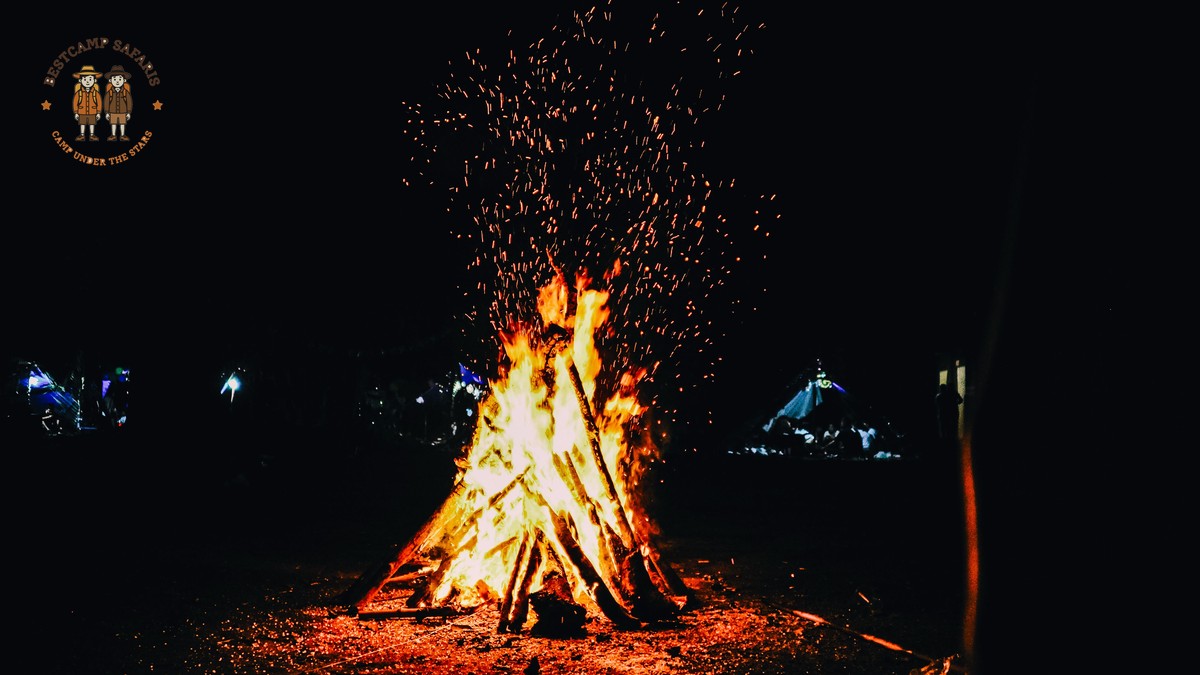
The guides tell you stories over dinner. The campfire is small and efficient. Dinner is cooked on a gas stove, not open flame, and it is proper food: grilled chicken, vegetables, rice, sometimes a fresh bread baked in a Dutch oven. Coffee is ready before the 5 AM wake-up call.
You walk to your tent after dark with a lantern. There is no fence. The camp is chosen to be safe, not to be a zoo exhibit. The crew and guides are armed with nothing more than bright flashlights and experience.
Safety is a system, not luck. Camps are pitched away from game trails and water sources. Food is stored and cooked away from sleeping tents. Guides stay awake in shifts at a semi-permanent camp. The risk is managed, not eliminated, and that is exactly why it feels real.
By night three, you stop flinching. By night five, you fall asleep to the sounds. You will never sleep that well in a lodge again.
For the mobile camping safaris for Bislama speakers guide, we wrote about the same experience from a Pacific perspective. The details of camp life are the same. What changes is the travel route from your home.
What to pack for a mobile camping trip
You do not need to bring a tent. The camp provides everything heavy. You need personal gear only.
- Headlamp with spare batteries. The most important item you will pack.
- Warm layers. Mornings in the Mara are 10 to 15 degrees Celsius.
- A lightweight sleeping bag liner. The camp mattress has a sheet, but your own liner helps.
- Comfortable walking shoes and sandals.
- Neutral colored clothes. No bright whites or navy blue; they attract tsetse flies.
- Binoculars, camera, and spare memory cards.
- A power bank, charged fully before you leave Nairobi.
- Personal toiletries, including wet wipes for bush showers.
- A small daypack for game drives.
Leave the hairdryer at home. There is no power point in a tent.
Getting to Kenya from Lusatia
Your nearest major airports are Berlin Brandenburg, Dresden, and Leipzig. All three serve connections to Nairobi Jomo Kenyatta International via a hub in Frankfurt, Munich, Zurich, or Amsterdam.
A typical routing is a 6 hour flight from Berlin to Doha, then another 5 hours to Nairobi. Some travelers connect through Addis Ababa instead, with a shorter final leg of about 2 hours to Nairobi. Total travel time is 12 to 15 hours each way. A return flight in peak season costs roughly USD 700 to 1,100 from Berlin.
From Nairobi, you have options. A domestic flight from Wilson Airport to the Mara’s Ol Kiombo Airstrip takes 45 minutes. A road drive is 5 to 6 hours. For Amboseli, fly to Amboseli Airstrip in 40 minutes, or drive 4 hours. Most mobile camping safaris start with one road day to adjust, then use a light aircraft for the second park.
Will your guide speak German?
No safari company in Kenya has a Sorbian-speaking guide. We will be honest about that.
However, German is widely spoken among guides who work with European travelers, and it is close to universal among Sorbs as a second language. You can request a German-speaking guide with your booking. Your Sorbian stays for the two of you, or for your family group, which is exactly how most Lusatian families travel.
The Romansh-speaking travelers’ mobile camping safari guide addresses the same reality for Swiss Romansh speakers. Every one of these guides works in English, and most work in German on request.
Best time of year for mobile camping
July to October is the dry season in the Mara and the Great Migration peak. This is the classic time, with the highest fees and the most vehicles. Book 8 to 12 months ahead.
January to February is the calving season in the southern Mara and the short dry season. It is warmer, quieter, and the fees drop to USD 100 per day for the Maasai Mara. This is the sweet spot for campers.
March to May is the long rain season. Most mobile camps close. The bush is green, the animals are spread out, and the roads are muddy. Avoid this window for your first trip.
November and December bring short rains. It is possible but unpredictable, and the grass is high, which makes game viewing harder.
For a first mobile camping safari, target January or February. The price is lower, the crowds are thinner, and the weather is reliable.
Common questions
Is mobile camping safe in Kenya? Yes, when run by a professional operator. The camp crew manages night safety, and the camp positions are chosen after years of use. You will hear animals, and occasionally see them move through the camp. That is the point.
How much does a mobile camping safari cost per day? Budget for USD 250 to 400 per person per day all inclusive. That covers camp, guide, meals, park fees, and a domestic flight. A semi-permanent camp at USD 200 plus a USD 200 Mara park fee in peak season lands you at USD 400.
Can I do a solo mobile camping safari? Yes, but you pay a single supplement, usually 30 to 50 percent more per person. Group trips of 4 to 8 people spread the crew cost and get the best per-person rate.
Do I need to bring my own tent? No. The operator provides tents, cots, and bedding. Bring your own liner and pillowcase.
The BestCamp Safaris Difference
We run mobile camping safaris for travelers who want the real thing. Our crews have camped every site we recommend, and our guides request German speaking duty when you book.
Your package includes park fees in the quote, not as a surprise at the gate. We name the campsites on your itinerary before you pay. And our vehicles carry proper camp gear, not worn loaner equipment. We pitch the camp in daylight, check the tent seams, and test the shower before you arrive.
From Lusatia, you fly to Nairobi, sleep one night in a guesthouse, and head to the bush the next morning. By the second evening, you will sit by a campfire far off the nearest paved road, and the canvas of your tent will feel like home.
Plan your Sorbian-speaking mobile camping safari
Ready to trade lodge walls for canvas and sleep under the same stars as the lions? We can build a mobile camping itinerary that starts from your travel dates, fits your budget, and puts you in the right park for the season.
Start planning your Kenya mobile camping safari with BestCamp Safaris. Tell us when you want to travel, and we will send you a day by day plan with camps, costs, and a German speaking guide on request.
More safari planning resources
- Best time to visit Kenya map from SafariPure
- Best time to visit Kenya from Trunktrails Safaris
- Best time to visit Kenya month-by-month map from Valley Safaris
- Best time to visit Kenya on Touring Insights
Related guides: A Sami-Speaking Traveler’s Guide to Mobile Camping in Kenya.


