
 Wildlife Tours
You have already seen the Mara from a lodge veranda. You watched the crossing from a packed viewpoint. You loved it, but now you want something different.
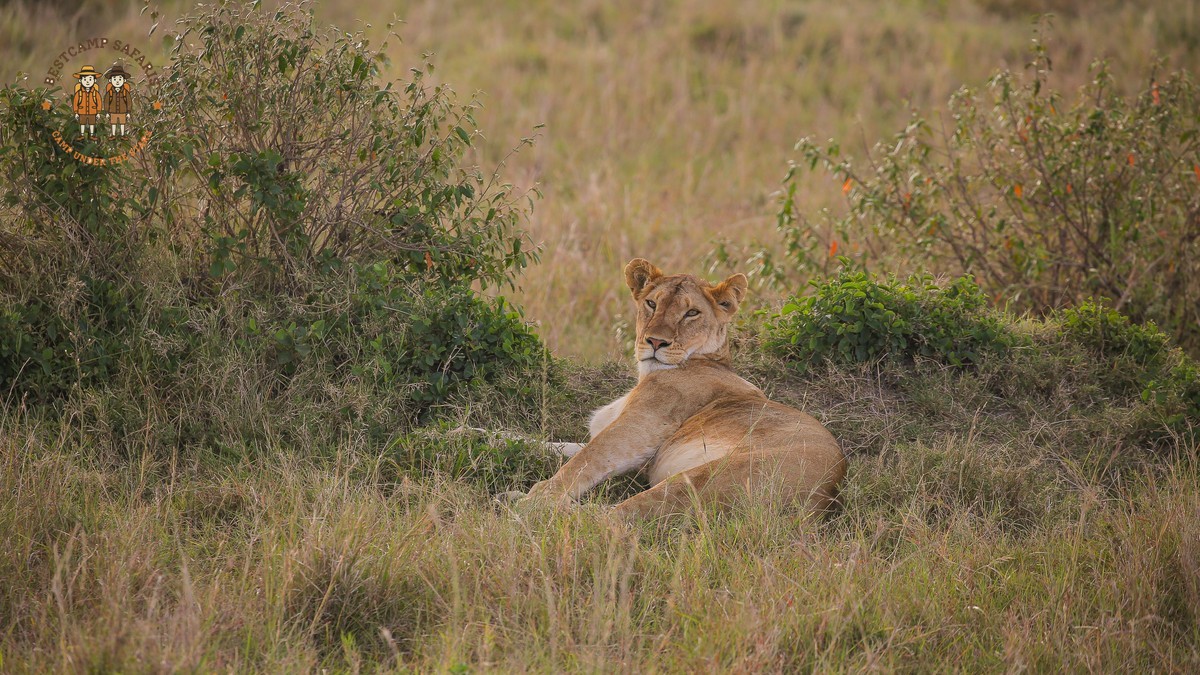
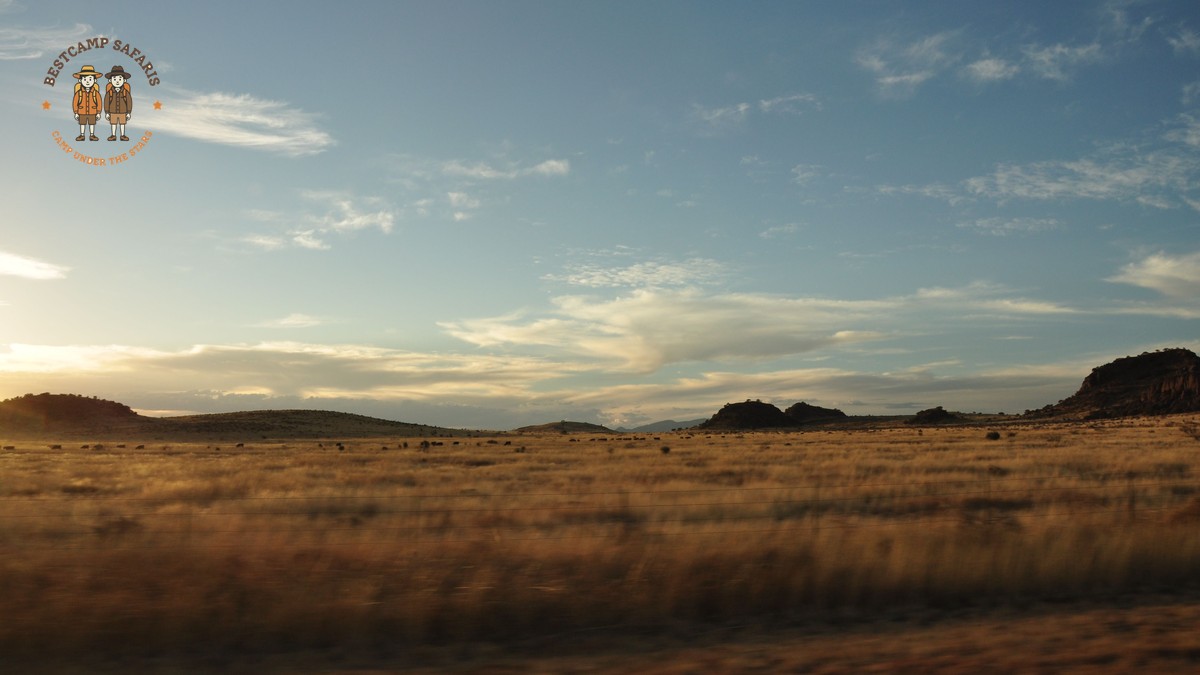
This is a Javanese speaking travelers Kenya safari guide for people who want the quieter side of the country. Think Samburu’s dry riverbanks, Laikipia’s open plains, and the rolling hills of Chyulu. Think fly-camps and star-beds. Think off-peak seasons where you hear lions, not other tourists.
We built this guide with hyper-local details. Flight routes from Surabaya and Yogyakarta. Halal food options at specific camps. Honest talk about language. And real costs in USD so you can plan without guesswork.
Let us start with the basics.
Javanese Speaking Travelers Kenya Safari: Choose Your Region
This is not a generic guide. It is written for repeat visitors from Java who want to go beyond the classic circuit. You know what a game drive feels like. Now you want to know what it feels like to sleep under canvas in the middle of a conservancy.
The good news: Kenya rewards repeat visitors. The parks you already know are busy. The places we talk about here are not.
Focus your energy on four regions:
- Samburu National Reserve for dry-country wildlife.
- Laikipia Plateau for private conservancies and walking safaris.
- Meru National Park for true wilderness.
- Chyulu Hills for volcanic landscapes and fly-camps.
These areas work best between January and March, and again from June to October. The crowds are thinner. The grass is shorter. The wildlife viewing is excellent.
Best Time to Visit Kenya for Safari
Kenya has two dry seasons and two wet seasons. For repeat visitors, the secret is the shoulder months.
January to March is the dry season in most of the country. The weather is hot and clear. The Mara can be quiet after the December crowds. Samburu is at its best. This is our favorite window for off-the-beaten-path trips.
June to October is the main dry season. The wildebeest migration happens in the Mara from July to October. Park fees jump to USD 200 per adult per day in the Mara starting in July and holding through December. Most repeat visitors skip the Mara in peak season.
November and April to May are the wet months. Some camps close. Roads get muddy. But the bush is green, the birds are spectacular, and prices drop by 30 to 40 percent.
For your kind of trip, aim for January to March or June. You get great game viewing and smaller crowds.
How Many Days Do You Need for a First Safari?
For a first safari, seven days is the sweet spot. It gives you three full safari days plus travel time.
For a repeat visitor wanting Samburu, Laikipia, and Chyulu Hills, plan for ten to fourteen days. You need at least two nights per camp. Driving between regions takes time. A typical day of driving is four to six hours.
Here is a realistic ten-day itinerary:
- Day 1: Arrive in Nairobi. Overnight near the airport.
- Day 2: Fly or drive to Samburu. Two nights.
- Day 4: Drive to Laikipia. Three nights.
- Day 7: Fly to Chyulu Hills. Three nights.
- Day 10: Fly back to Nairobi. Depart.
This pace lets you settle into camp life. You get morning and afternoon game drives. You sleep well. You do not feel rushed.
Group Safari vs Private Safari vs Tour Operator
You have options. Each has trade-offs.
Group safaris put you in a shared vehicle with strangers. They cost less. You follow a fixed schedule. Great for solo travelers who like company.
Private safaris give you a vehicle and guide to yourself. You set the pace. You decide when to linger at a leopard sighting. This costs more, about 30 to 50 percent above group rates.
Tour operators like BestCamp Safaris design custom trips. They handle logistics, bookings, and ground transport. They also negotiate better rates at camps. For a repeat visitor who wants specific regions and a particular style, a good operator is worth the fee.
Our suggestion: book a private safari with a local operator. You get flexibility without the stress of self-driving on rough roads.
What to Expect from Safari Accommodation
Forget the image of hotel rooms. Safari camps are different.
At a typical mobile tented camp, you sleep in a canvas tent on a raised wooden platform. The bed is real, with proper linens. The bathroom is en suite, often with a bucket shower. Hot water arrives in a metal canister when you ask for it.
Nights are quiet. You hear hyenas whoop and lions cough. The ground under your tent is hard. You learn to walk carefully to the bathroom after dark with a flashlight.
In Laikipia, try a star-bed. The mattress rolls out onto a deck under the sky. You fall asleep watching the Milky Way. Mosquito nets keep the bugs off.
Fly-camps in Chyulu Hills are simpler. No permanent structures. Just tents, a fire, and a cook. You walk in with a guide. Dinner is cooked over coals. This is one of the purest ways to experience the bush.
Typical Costs of a Kenya Safari
Costs vary wildly. Here are honest figures for a mid-range private safari.
- Budget camping: USD 150 to 250 per person per night.
- Mid-range tented camp: USD 300 to 500 per person per night.
- Luxury fly-camp: USD 600 to 1,000 per person per night.
Park fees add a big chunk. Use these indicative 2025 rates as a planning guide:
| Park or Reserve | Fee per adult per day |
|---|---|
| Masai Mara (January to June) | USD 100 |
| Masai Mara (July to December) | USD 200 |
| Amboseli National Park | USD 90 |
| Lake Nakuru National Park | USD 90 |
| Tsavo East or West | USD 80 |
| Chyulu Hills National Park | USD 40 |
| Nairobi National Park | USD 80 |
Private conservancies like Naboisho and Mara North charge roughly USD 80 to 150 per person per night, bundled into your lodge rate.
For a seven-day trip with three nights in the Mara and three nights in Amboseli, expect to pay:
- Park fees: USD 570 to 870 per person (Mara at USD 100-200 per day plus Amboseli at USD 90 per day, three nights each).
- Camp fees: USD 1,800 to 3,500.
- Transport and guide: USD 600 to 900.
- Flights within Kenya: USD 300 to 500.
Total: around USD 3,270 to 5,770 per person. This is higher than a domestic trip to Baluran or Taman Safari Indonesia. But you get a completely different experience.
Packing List and Gear Essentials
You come from a tropical climate. Kenya is different. Mornings and evenings are cold, especially in open vehicles.
Pack layers. A fleece jacket, a windbreaker, and a warm hat. Long trousers for game drives. Shorts for camp. A headlamp and spare batteries. Sunscreen and insect repellent. Binoculars are essential.
Do not pack bright colors. Neutral tones like khaki and olive work best. Skip camouflage, which is restricted in Kenya.
If you wear glasses, bring a spare pair. Dust gets everywhere. A small first-aid kit with rehydration salts is smart.
Leave the formal clothes at home. Safari camps are casual. A clean shirt for dinner is enough.
Combining Safari with the Kenyan Coast
You can add a beach break after your safari. The coast is hot and humid, a nice contrast to the bush.
Fly from Nairobi to Mombasa or Diani Beach. The flight is about an hour. Diani Beach has white sand and turquoise water. Kilifi and Watamu are quieter alternatives.
We recommend three to four nights on the coast. The beach is a chance to rest, swim, and eat fresh seafood. Coastal hotels cater to Muslim travelers well. Many have halal kitchens and prayer rooms.
Visa and Entry Requirements for Indonesian Citizens
Good news. Indonesian citizens can get an eTA for Kenya.
Apply online before you fly. The eTA costs about USD 34 per person. It is valid for 90 days. Processing takes up to three working days. Apply at least two weeks before your trip.
Your passport must be valid for at least six months beyond your arrival date. You also need proof of a return ticket and enough funds for your stay.
Yellow fever vaccination is only required if you arrive from, or have recently transited through, a country with risk of yellow fever transmission. Indonesia is not classed as a yellow fever risk country, so travelers flying direct from Java do not need the vaccine or certificate for entry. If your route connects through a country where yellow fever is present, check that country’s requirements before you fly, since Kenyan border officials may ask for proof in that case.
Getting to Kenya from Java (Surabaya, Yogyakarta, Semarang Routes)
You do not need to fly through Jakarta alone. Here are real options from Java.
From Surabaya (Juanda Airport): Fly to Doha or Dubai, then connect to Nairobi. Qatar Airways and Emirates offer one-stop options. Total travel time is 15 to 20 hours depending on layover.
From Yogyakarta (Yogyakarta International Airport): Fly to Singapore or Kuala Lumpur, then connect to Doha or Dubai, then to Nairobi. This adds a stop but works well. Scoot and AirAsia fly to Singapore, then you catch Qatar or Turkish Airlines onward.
From Semarang (Ahmad Yani Airport): Your best bet is a domestic flight to Jakarta or Surabaya, then an international connection. There are no direct international flights from Semarang.
Expect to pay USD 600 to 900 for a round-trip fare from Java to Nairobi. Book early for better prices.
Halal Food and Muslim-Traveler Considerations
Kenya has a significant Muslim population. Halal food is available, but you must request it.
Most mid-range and luxury safari camps can provide halal meat if you tell them in advance. The kitchen will prepare chicken, beef, or goat that is halal-certified. Vegetarian options are always available and often excellent.
For self-drive travelers, look for halal eateries in Nairobi and Mombasa. The neighborhoods of Eastleigh and Mombasa’s Old Town have good halal restaurants. In the bush, stick to camp meals.
Prayer is easy. Camps have open spaces. You can pray in your tent or under a tree. Many camps will arrange a private space if you ask. During Ramadan, camps can adjust meal times for you.
Currency, Cash, and Tipping
Kenya uses the Kenyan Shilling (KES). US dollars are accepted in most tourist areas.
Bring small USD bills. USD 1, 5, and 10 notes are handy for tips. Do not bring torn or old bills. They get rejected.
Tipping is expected. Budget USD 10 to 15 per person per day for your guide. USD 5 to 10 per day for camp staff. Leave tips in cash at the end of your stay.
ATMs are common in Nairobi and Mombasa. In the bush, carry enough cash. Most camps accept credit cards but charge a 3 to 5 percent fee.
Language and Communication with Guides
Here is an honest note. Javanese is a distinct regional language from Bahasa Indonesia.
Most Kenyan guides speak English and Swahili. A few speak basic Indonesian. Very few speak Javanese. Do not expect Javanese fluency.
The good news: guides are experts at non-verbal communication. They point, they gesture, they use photos. You will understand each other fine.
If you want an Indonesian-speaking guide, request one through your operator. BestCamp Safaris can arrange a guide who speaks Bahasa Indonesia for an additional fee. Confirm this at booking. Do not assume it is included.
For Javanese speakers, we recommend writing down key phrases. Use the Latin alphabet, since that is what guides can read. Simple phrases like “stop here” and “slow down” work well.
The BestCamp Safaris Difference
BestCamp Safaris is not a big chain. We are a local operator who lives and works in Kenya. We know the conservancy managers by name. We know which camp cook makes the best chapati. We know the exact spot in Chyulu Hills to watch the sunrise.
We specialize in off-peak and off-the-beaten-path trips. We design itineraries for repeat visitors who want more than the classic route. We handle your eTA guidance, your internal flights, your camp bookings, and your guide.
We also understand your needs as a Javanese traveler. We arrange halal meals. We book camps with prayer spaces. We can pair you with a Bahasa Indonesia speaking guide when available.
You will sleep in real canvas tents. You will wake at 5am to the sound of tea being poured. You will walk into camp after dark by lamplight. This is not a brochure. This is how we travel.
If you want a comparison, here is a quick look at our recommended regions:
| Region | Best for | Suggested nights | Park fee per day |
|---|---|---|---|
| Samburu | Dry-country wildlife, less crowded | 2 nights | USD 70 (indicative) |
| Laikipia | Private conservancies, walking | 3 nights | USD 80-150 bundled |
| Meru | True wilderness, few visitors | 2 nights | USD 80 |
| Chyulu Hills | Fly-camps, volcanic views | 2 nights | USD 40 |
Final Planning Checklist
- Apply for your eTA at least two weeks before departure.
- Book flights from Surabaya or Yogyakarta with a stop in Doha or Dubai.
- Check if your route transits a yellow fever risk country and carry proof if it does.
- Request halal meals from your camp at least 48 hours in advance.
- Confirm whether your guide speaks Bahasa Indonesia or English.
- Bring small USD bills for tipping and park fees.
- Pack layers, a headlamp, and binoculars.
- Plan for 10 to 14 days for the off-beaten-path circuit.
- Budget USD 3,300 to 5,800 per person for a solid week.
- Add three to four nights on the coast to relax after the safari.
You have seen the Mara. Now see the Kenya that most visitors never reach. The dry plains of Samburu. The open skies of Laikipia. The quiet hills of Chyulu.
Start planning your trip with BestCamp Safaris today. We will build an itinerary around your dates, your budget, and your sense of adventure. Let us show you the Kenya we love.
Ready to plan your next safari? Check our Kenya safari tours or contact our team for a custom itinerary.
More safari planning resources
- Bush and beach safari from SafariPure
- Diani Beach guide from Trunktrails Safaris
- Kenya national parks map from Valley Safaris
- Samburu National Reserve guide on Touring Insights
Related guides: Kashmiri Speaking Travelers Kenya Safari: 2026 Guide.


