 Wildlife Tours
Planning a family safari from Limpopo, Mpumalanga, or Gauteng to Kenya is a big step. You have questions about flights, malaria tablets for the kids, and whether a tent is a good idea at all. This guide answers those questions directly.
This is a Tsonga speaking parents family safari guide built for exactly those questions. We focus on what Tsonga-speaking parents need to know. The good news is that Kenya is closer than you think. The flights are short, the camps are welcoming, and children are treated with genuine warmth.
Kenya Safari Safety for a Tsonga Speaking Parents Family Safari with Young Children
Yes, Kenya is a safe and suitable destination for children. Most safari camps accept kids from age 4 or 5. Some special family camps take toddlers as young as 2.
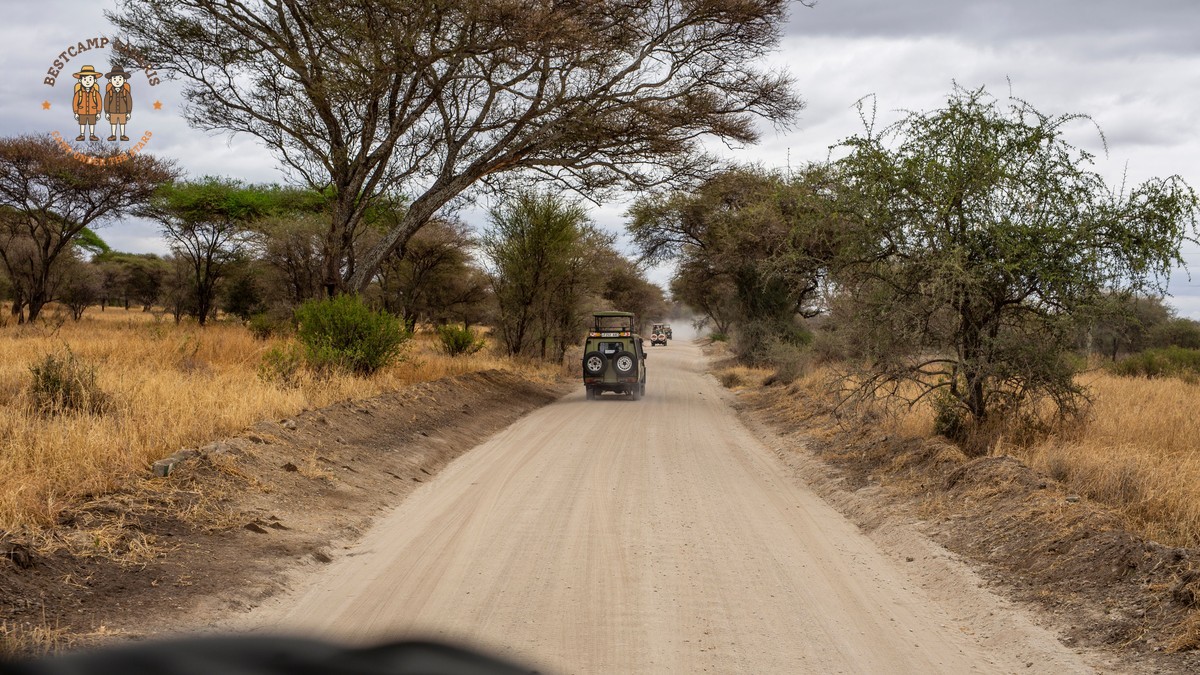
Game drives are the main activity. They are bumpy but not dangerous. You stay inside the vehicle at all times. Guides are trained to keep you safe.
Malaria is the biggest health topic for children. Kenya has malaria risk in most safari areas. The Masai Mara and Amboseli both have risk.
Your doctor or a travel clinic can prescribe the right antimalarial for your child. Common options include atovaquone-proguanil (Malarone) or doxycycline for older kids. Start the medication before you fly.
The camp will have a first aid kit. For serious issues, a doctor can reach most camps within a few hours. Nairobi has excellent hospitals if needed.
Flights from Johannesburg to Nairobi: Real Times and Costs
Kenya Airways and Airlink fly direct from Johannesburg (JNB) to Nairobi (NBO). The flight takes about 4 hours and 5 minutes. This is shorter than a drive from Johannesburg to the Kruger Park.
Fares start from around ZAR 8,800 one-way per adult. Children under 12 often get a discount. You will need to check the exact price when you book.
From Nairobi, you take a small domestic flight to the airstrip near your camp. The flight to the Masai Mara takes about 45 minutes. This is the easiest way to travel with kids.
Kenya eTA and Yellow Fever Requirements for South African Passports
Every traveler entering Kenya needs an eTA, including babies. It is not a visa, but it is required.
The eTA is applied for online before you travel. It costs about USD 34 per person. You need a valid passport, a return ticket, and proof of accommodation.
For South African citizens, no yellow fever certificate is needed unless you are traveling from a yellow fever country. South Africa is not a yellow fever area. So, for a direct flight from Johannesburg, no certificate is required.
However, check your own vaccination records. Typhoid and hepatitis A are often recommended for kids. Tetanus shots should be up to date.
Best Parks and Reserves for Families
Kenya has several parks, but not all are equal for a first family trip. Here is a clear comparison.
| Park / Reserve | Drive from Nairobi | Best for Kids | Park Fee (Non-Resident Adult, per day) |
|---|---|---|---|
| Masai Mara National Reserve | 5-6 hours road, 45 min flight | Big cats, wildebeest, wide open spaces | USD 100 (Jan-Jun), USD 200 (Jul-Dec) |
| Amboseli National Park | 4-5 hours road, 40 min flight | Elephants, views of Mt Kilimanjaro | USD 90 |
| Lake Nakuru National Park | 2-3 hours road | Rhinos, flamingos, shorter drives | USD 90 |
| Nairobi National Park | 30 minutes | Quick safari near the city, rhinos | USD 80 |
The Masai Mara is the most famous. The wildlife viewing is spectacular. But the road trip from Nairobi is long and bumpy.
Amboseli is flatter and easier for a short visit with young kids. Elephants walk right past your vehicle. The views of Kilimanjaro are world class.
Lake Nakuru is a good add-on if you want to see rhinos without a long flight.
Choosing a Family-Friendly Camp or Lodge
The right camp makes all the difference. Look for camps that explicitly welcome children.
Key features to check:
- Family tents or suites with two bedrooms
- Childminding services (extra cost usually)
- A pool or a fenced area for play
- Flexible meal times
- No age limit for staying in a family tent
The Masai Mara has several good options. The Naboisho Conservancy, which is private, has camps with lower vehicle densities. This means a more personal experience. Fees here are bundled into lodge rates, roughly USD 80-150 per person per night.
A lodge with a watering hole is a great choice. Kids can watch elephants from the safety of the deck while the parents relax. A family suite means you are not split across two rooms.
Ask about the camp’s policy. Some camps do not take children under 6 for walking safaris or night drives. But the standard game drives in the private vehicle are fine.
How a Family-Sized Tent Setup Actually Works
You will sleep in a large canvas tent. It is not a small camping tent.
Most family tents have a main sleeping area with a double bed. A second room has twin beds for the children. A private bathroom is attached at the back.
The bathroom includes a flush toilet, a sink, and a hot water shower. Water is heated by solar or by a bucket system. You pull a lever and water flows from the showerhead.
At night, the camp staff lights a lantern or lamps at your door. The tent zips shut from the inside. The ground is hard packed dirt, but there is a thick mattress on top.
At 5am, you hear the camp wake up. The rangers talk softly outside your tent. The smell of coffee drifts over. Your guide knocks on the tent frame, not the door, to keep your privacy.
It is comfortable, but not a hotel. You will hear lions at night. That noise is a feature, not a bug.
What Game Drives Are Actually Like with Kids
A game drive lasts about 3 hours in the morning and 2 hours in the late afternoon. You are in a pop-up roof vehicle.
Your kids share a row with you. Bucket seats have seatbelts. A cooler box sits under the seat.
The guide drives slowly over dirt tracks. The vehicle bounces. For kids under 5, a lap cushion helps.
Expect a lot of stopping. The guide will pause for lions, then move, then stop for a giraffe. The pace is gentle.
The middle of the drive is a quiet time. Kids may nap. Bring a small toy, a coloring book, or a tablet with headphones. Realistic parents pack these.
Bush breakfasts are a highlight. The camp packs a table, chairs, and a hot breakfast. You stop under an acacia tree. The kids can stretch their legs safely with the guide watching.
Best Time of Year to Travel with Children
The dry season from July to October is the best time for wildlife. This is also the peak season with higher fees. The Masai Mara fee is USD 200 per adult per day from July to December.
January to June is drier in the south. Amboseli and Lake Nakuru are great. The fee drops to USD 90 for many parks. The grass is lower, making animals easier to spot.
For small children, the cooler months from June to August are more comfortable. April and May are the long rains. Some roads close.
How Many Days Should You Plan For?
For a first family safari, plan 6 to 7 days in Kenya. Here is a simple structure:
- Day 1: Arrive in Nairobi, rest
- Day 2: Nairobi National Park morning safari
- Day 3: Fly to Masai Mara, afternoon drive
- Day 4: Full day in the Mara
- Day 5: Morning drive, fly back to Nairobi
- Day 6: Leisure day or visit the elephant orphanage
- Day 7: Depart
This pace avoids rushing. Two full days in one park are better than moving every night.
Packing List and Health Precautions for Kids
Pack light. Most camps provide a laundry service for a small fee.
- Light clothes for day wear
- A warm fleece for early mornings
- Closed shoes for walks
- High-SPF sunscreen and hats
- Kids insect repellent with DEET (use a children’s formula)
- Antimalarial medication
- Rehydration sachets
- Small backpack for each child
- Binoculars (a cheap pair works)
- A camera you are willing to let them drop
The camps in the Mara provide bottled water. For toddlers, bring your own pouches of formula if needed.
Costs, Budgeting, and Child Discounts
A family of four should budget for park fees, flights, and accommodation.
- Park fees: USD 400 to USD 800 per day for two adults and two kids. The rate varies by park and season. Kids over 12 pay full adult rate. Younger kids often pay a reduced rate, but Kenya parks have specific rules. Check with your operator.
- Internal flights to the Mara: roughly USD 150 per person one way.
- Camp rates: USD 200 to USD 800 per adult per night, depending on luxury. Child discounts range from 20% to 50% off the adult rate.
It is not a cheap trip, but it beats a European family holiday for value. Always ask for the full price breakdown before booking.
Non-Drive Activities for Kids
The game drives are great, but kids need breaks. Kenya has excellent day activities.
The David Sheldrick Wildlife Trust in Nairobi raises orphaned elephants. You can visit in the morning. Kids watch the baby elephants get milk. This is a memorable experience.
The Giraffe Centre in Nairobi lets you feed a giraffe from a raised platform. It is easy and fun.
A cultural village visit to a Maasai manyatta is educational. Kids see how families live. To avoid a tourist trap, go with a camp guide, not a random roadside stop.
The hot air balloon over the Mara is a highlight for older kids, usually age 7 and up. It costs about USD 450 per person. The landing breakfast is part of the experience.
The BestCamp Safaris Difference
We plan family safaris for Southern African parents. We understand the Tsonga-speaking family context. You are not a tourist from New York. You are a neighbor from Limpopo or a cousin from Giyani.
We handle the Kenya eTA for every family member. We match you with camps that have real family suites. We confirm childminding quality and check the pool is fenced.
We also know that the flight path matters. You want the JNB-NBO direct route, not a two-stop connection from Maputo. We book the right flights and advise on the internal safari links.
We show you the real cost in Rand before you commit. No hidden park fees. No surprises at the gate.
We take the planning stress off you. You pack the snacks, we handle the rest.
Ready to Plan Your Family Safari?
We want to help you plan this trip. Kenya is safe, beautiful, and close to home. The kids will talk about it for years.
Contact the BestCamp Safaris team. Tell us the ages of your children and your rough dates. We will send you a detailed plan with camp options and a clear price in Rand.
You can find this family safari planning guide and more on our website. Start with our guide for family safari planning by language and region or see our mobile camping safari guide for Afrikaans-speaking travelers for a different style of trip.
Also read about why camp proximity matters for early game drives with kids. Then reach out when you are ready.
Visit our Kenya family safari tour page or message us through the contact page. We will send you a no-pressure itinerary with a clear quote. Your family adventure starts with one easy message.


