 Adventure Tours
There is a feeling you get when you step off the plane at Jomo Kenyatta International. The air is warm, the soil smells like rain, and the rhythm of the street is familiar. For many Jamaican travelers, coming to Kenya is less like visiting a foreign country and more like a homecoming you have been preparing for your whole life.
This is a Jamaican Patois speaking travelers safari guide built for you. You have probably seen the Maasai Mara from a lodge deck. Now you want to sleep under canvas in Samburu, walk the Chyulu Hills, and hear lions call in the dark at a fly-camp. You also want to know the practical stuff. Visa, flights, money, food. Let us walk through it together, with the clarity of a 5am wake-up call at a mobile camp.
Jamaican Patois Speaking Travelers Safari Visa Requirements for Kenya
Yes. Jamaican citizens need an Electronic Travel Authorization (eTA) to enter Kenya. Kenya replaced its old eVisa system with the eTA in January 2024, so you still apply online before you fly.
The process is simple. Go to the official Kenya eTA website at immigration.go.ke. Fill in your passport details, travel dates, and where you are staying. Pay the fee, around USD 30 to 34 once bank charges are added, and you will get an approval emailed to you within a few days. Print it out and carry it with your passport. Do not rely on your phone screen at immigration.
The eTA is valid for 90 days from approval. That is plenty of time for a safari, then maybe a few weeks by the coast in Diani or Watamu.
Flights from Jamaica to Kenya: Routing and Time
There are no direct flights from Kingston or Montego Bay to Nairobi. You will need to connect through the United States or the United Kingdom. The most common routes are:
- Kingston (KIN) to Miami (MIA), then Miami to London Heathrow (LHR), then LHR to Nairobi (NBO).
- Kingston (KIN) to New York (JFK), then JFK to Amsterdam (AMS), then AMS to Nairobi.
- Montego Bay (MBJ) to London, then London to Nairobi.
The total travel time is roughly 18 to 22 hours of flying time. With layovers, plan for a full day and a half of travel. Bring a neck pillow, download some reggae classics, and ask your airline about free checked bags for sports equipment if you are bringing a guitar.
Book your international flights early, especially for the high season of July to October. Prices from Jamaica to Nairobi usually range from USD 1,200 to USD 2,000 round trip in economy. That is an indicative range, as prices shift with airlines and connecting cities.
Will Kenyan Guides Understand Jamaican Patois?
No, not automatically. Your guide will speak English, Swahili, and maybe Maa or Samburu. They will not understand Patois unless they have spent time in the Caribbean.
But do not let that stop you. Speak your Patois at camp, with your travel partners, and in the market. Just be ready to switch to clear English when you are in the vehicle on a game drive. Your guide needs to hear your questions about that lioness in the grass.
Here is a tip. Keep your game drive instructions in English. Then, back at the fire, teach your guide a few words. “Waah gwaan” and “irie” go a long way in building friendship. Most guides find it fascinating. They know the Bob Marley songs, and they love the connection.
Jamaica and Kenya: A Cultural Homecoming
You are not the first Jamaican to feel pulled to East Africa. Rastafari has deep roots in the idea of Africa as Zion. Kenya, with its strong Pan-African history, is a natural destination for that spiritual return.
In Nairobi, you will find the Kenya National Archives and the August 7th Memorial Park. South of the city, you can visit the Bomas of Kenya to see traditional dances from many tribes. For the Maroon history, you will need to go to the Caribbean, but for the African side of the story, Kenya is a place to stand.
Speak to your guide about the Mau Mau uprising and independence in 1963. Ask about the Swahili coast and the trade routes. Connect the dots between Kingston and Mombasa. This trip is more than wildlife. It is history you can walk through.
Health and Vaccinations for Jamaican Travelers
You will need proof of yellow fever vaccination before entering Kenya. The Jamaican health authorities give this shot at travel clinics in Kingston and Montego Bay. Get it at least 10 days before you fly.
Other recommended vaccines include hepatitis A, typhoid, and tetanus. Malaria is present in Kenya, including the safari areas. Your doctor will prescribe antimalarial tablets like Malarone or Doxycycline. Start taking them a day before you arrive and continue for a week after you leave.
Pack a small first aid kit with diarrhea treatment, antihistamines, and rehydration salts. The altitude in Nairobi is 1,795 meters above sea level. If you are coming from sea level in Jamaica, take your first two days easy. Drink lots of water.
What Currency Should You Bring?
Kenya uses the Kenyan Shilling (KES). US dollars are widely accepted at lodges, camps, and for park fees. But you will get a better rate using shillings for small purchases.
| What you are paying for | Cost in USD | Notes |
|---|---|---|
| Masai Mara entrance (Jan-Jun) | USD 100 per person, per day | County park fee |
| Masai Mara entrance (Jul-Dec) | USD 200 per person, per day | Peak migration season |
| Amboseli National Park fee | USD 90 per person, per day | KWS managed |
| Chyulu Hills National Park fee | USD 40 per person, per day | KWS, great for walking |
| Naboisho Conservancy fee | USD 80-150 per person, per night | Bundled into lodge rates |
| Street food meal in Nairobi | USD 3 to 8 | Chapati, beans, sukuma wiki |
| Safari camp lunch box | USD 15 to 25 | Usually included in your trip |
Bring a mix of new, clean US dollar bills. Old or torn notes are often rejected. Use your credit card at major hotels and with your tour operator. For currency exchange, we have a detailed guide on [what currency to bring on a Kenya safari]. The short answer is to bring some new 50 and 100 dollar bills for tips, and use ATMs in Nairobi for daily spending.
M-Pesa for Jamaican Travelers
M-Pesa is Kenya’s mobile money system. It is everywhere. You can pay for a taxi, a market scarf, or a coffee at a hotel with it.
As a tourist, you can get an M-Pesa account using your passport and a Kenyan SIM card. Safaricom sells tourist SIMs at the airport. The process takes about 15 minutes. It makes life easier, but it is not essential. Your BestCamp guide will handle most lodge payments and park entries. Use M-Pesa for personal shopping and tips.
Food on Safari: Ital and Vegetarian Options
This is where Kenya shines for Jamaican travelers. The food is fresh, vegetable-heavy, and often cooked over wood fire. Most safari camps offer full board, meaning breakfast, lunch, and dinner are included.
You will find the classic Kenyan breakfast of eggs, sausages, and toast. For lunch, there is usually a buffet with salads, rice, and grilled chicken. Dinner is a three-course meal.
For vegetarians and Ital eaters, do not worry. Kenyan cuisine loves beans, lentils, and greens. Sukuma wiki is a sautéed green, similar to callaloo. Githeri is a stew of maize and beans. Chapati is a soft flatbread, close to a roti. We have a full article on [vegetarian and Ital-friendly safari camp food] so you know the exact phrases to use with the kitchen staff.
At our fly-camps, dinner is served by lamp light. The chefs will gladly make a plant-based feast if you tell them in advance. Mention “no meat, no salt, no oil” for an Ital meal, and they will honor it.
The Best Time to See the Wildebeest Migration
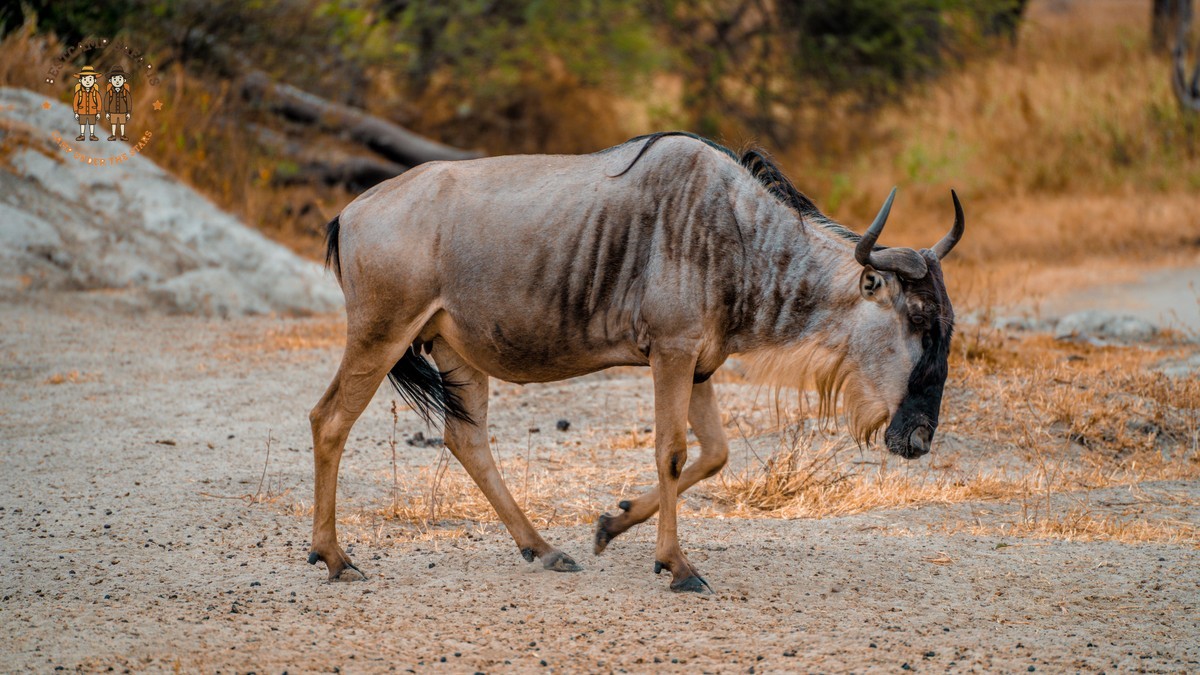
The wildebeest migration is the reason many people book their trip a year ahead. But you have been to the Mara before. You know the secret.
The migration herds cross the Mara River from July to October. This is the high season. Park fees double, and camps fill up. The wildebeest are in the Maasai Mara from August to October. The river crossings are dramatic.
For a quieter trip, come in June or November. The herds are moving, the calving season is over, and the crowds are thinner. January and February are also underrated. The Mara is green, prey is easy to find, and predators are active.
For the northern parks like Samburu and Meru, the wildlife is concentrated around the Ewaso Ng’iro River year-round. You do not need the migration for these areas.
Ideal Safari Trip Length from Jamaica
You are traveling far. Do not rush.
A first safari should be at least 7 days on the ground. For a repeat visitor who wants off-the-beaten-path camping, plan for 10 to 14 days. This gives you time for the flight, a few days in one camp, and a move to another region.
Here is a sample rhythm for a 12-day trip from BestCamp:
- Days 1-2: Arrive in Nairobi, recover from the flight.
- Days 3-5: Samburu National Reserve. Dry country, elephants, reticulated giraffes.
- Days 6-8: Drive south to Nanyuki, then the Laikipia Plateau. Evening fly-camp in the bush.
- Days 9-10: Walk in the Chyulu Hills, sleep in a mobile tent under the stars.
- Days 11-12: Fly to the Maasai Mara. Two full days of game drives.
- Day 13: Fly back to Nairobi, catch your evening flight home.
For a full breakdown, read our guide on [the ideal safari trip length for Kenya].
Safety for Jamaican and Caribbean Travelers
Kenya is a safe country when you follow common sense. Travelers of African descent will find a warm welcome. Kenyans are curious about the Caribbean, and they love the music and the food.
Keep your valuables at camp. Do not walk alone in Nairobi after dark. Use hotel taxis or rideshare apps. On safari, always follow your guide’s instructions regarding animals and walking routes.
The political situation is generally stable, but check your embassy’s travel advisory before you go. Protests are rare and usually localized. Your tour operator will know the latest.
What to Pack: From Tropical Jamaica to Safari Kenya
Jamaica is hot and humid. Kenya is dry and can be cold at dawn and dusk, especially on game drives.
For morning and evening game drives, the temperature can drop to 12°C (54°F). In the middle of the day, it can be 28°C (82°F). You need layers.
Pack:
- A lightweight fleece jacket for early mornings.
- A windbreaker or down vest for the open vehicle.
- Long pants and closed-toe shoes.
- Neutral colored clothes, tan, olive, beige.
- A warm hat and gloves for July and August mornings.
- Sunscreen, lip balm, and sunglasses.
- A buff or scarf for dust.
Do not pack heavy jeans. They are hot and slow to dry. Bring cotton and quick-dry fabrics. Laundry service is available at most camps.
Featured Camps and Conservancies
As a repeat Africa visitor, you want more than a standard lodge. You want canvas, firelight, and the sound of hyenas on the wind.
In Samburu, look for the small camps along the river. They set up seasonal tents under acacia trees. In Laikipia, the private conservancies have wide open plains with little traffic. You can walk with guides and track black rhino on foot.
In the Chyulu Hills, the fly-camps are the highlight. They are small, mobile, and leave no trace. You sleep on a raised cot under a mosquito net. The stars are so bright you can read by them.
These camps cost anywhere from USD 400 to USD 800 per person per night on a full board basis. That is a general range, as prices vary with season and exclusivity. The fee includes game drives, walking safaris, meals, and most drinks.
The BestCamp Safaris Difference
We do not sell itineraries. We build trips for how you travel.
At BestCamp, we handle the logistics so you can focus on the experience. We book your internal flights, your park fees, and your camp reservations. We meet you at the airport and make sure your visa stamp is correct.
We camp the way you want to camp. If you want a fly-camp with no fence between you and the dawn, we do that. If you want a comfortable bed and a hot shower under the stars, we do that too. We work in small groups, and we are flexible.
For our Jamaican clients, we add a touch of home. We can arrange for a Rasta guide who knows the cultural history. We can organize a Nyabinghi drum session around the fire. We bring fresh coconut from Mombasa for the journey.
We are not just a tour operator. We are your ground team in Africa.
Final Pre-Trip Checklist
- Apply for your Kenya eTA online.
- Book flights from Kingston or Montego Bay with a layover.
- Get your yellow fever shot and antimalarial tablets.
- Pack layers, a warm jacket, and neutral clothes.
- Bring new US dollars for tips.
- Download a Swahili phrasebook.
- Tell your camp about veggie or Ital meal preferences.
- Confirm your safari dates and park fees.
- Buy travel insurance with medical coverage.
- Call your bank about foreign transaction fees.
You know that feeling when the plane descends into Nairobi, and the tea fields below the wing are green and endless? That is the moment you realize you are home. We are here to make sure the rest of your trip is just as smooth.
Plan Your Kenya Safari with BestCamp
Ready to start planning? We will take care of the camps, the drives, and the details. Send us your travel dates and the kind of safari you are thinking about, and we will craft a route just for you. We work with local guides, private conservancies, and small camps. You bring the curiosity, and we will bring the canvas tent.
Reach out to the BestCamp team through the contact page, or ask us about any of our Kenya safari routes. Your homecoming is waiting.


