 Adventure Tours
You have decided Kenya is the place. Good call. The savannah, the wildlife, the light. But now the questions pile up. How much does it cost? How many days do I need? Should I book with a Czech travel agency or a local Kenyan operator? And what does mobile camping actually mean?
This Kenya safari planning guide for Czech speakers answers those questions. I have spent hundreds of nights in Kenyan tented camps. I know what it feels like to wake at 5am to the sound of a hyena calling. I know the exact weight of a canvas tent door in the wind. This is the planning guide I wish someone had given me before my first trip.
Let us start with the biggest question.
How Much Does a Kenya Safari Cost?
Your budget shapes every other decision. A safari can cost anywhere from USD 200 to USD 2,000 per person per day. The difference comes down to accommodation, park fees, and the type of guiding.
Park entrance fees take a big chunk. Kenya Wildlife Service and Narok County raised non-resident fees in October 2025. Use these current figures when planning.
| Park or Reserve | Non-Resident Fee per Adult per Day |
|---|---|
| Masai Mara National Reserve (Jan-Jun) | USD 100 |
| Masai Mara National Reserve (Jul-Dec) | USD 200 |
| Amboseli National Park | USD 90 |
| Lake Nakuru National Park | USD 90 |
| Tsavo East or Tsavo West | USD 80 |
| Nairobi National Park | USD 80 |
| Chyulu Hills National Park | USD 40 |
Note that Masai Mara is run by Narok County, not Kenya Wildlife Service. The fee doubles in peak season because that is when the wildebeest migration crosses the Mara River.
Private conservancies like Naboisho or Mara North charge roughly USD 80 to 150 per person per night. That fee is usually bundled into your lodge or camp rate.
For budget travelers, expect USD 250 to 400 per person per day all inclusive. That means staying in basic camps, driving between parks in a shared safari vehicle, and eating camp food.
Mid-range safaris cost USD 400 to 700 per person per day. You get comfortable tented camps with en-suite bathrooms, private game drives, and better food.
Luxury costs USD 700 to 1,500 per person per day. Think star-beds under the sky, private guides, gin and tonics at sundown, and fly-camping in the bush.
Choose the tier that fits your comfort level. There is no shame in budget camping. You still see the same lion as the person paying five times more.
How Many Days Do You Actually Need?
Most first-timers make one mistake. They try to do too much. Kenya is huge. The distances eat your time.
The sweet spot for a first safari is 7 to 10 days on safari, not including flights. If you have less than 5 days, you will spend most of your time in a vehicle staring at the road, not the animals.
Read more about how many days you actually need for a Kenya safari to match your length to your interests.
A classic 7-day itinerary looks like this:
- Days 1-2: Nairobi arrival, then fly or drive to Amboseli. See elephants against Mount Kilimanjaro.
- Days 3-5: Fly to the Masai Mara. Three full days of game drives, a hot air balloon ride, and a visit to a Maasai village.
- Days 6-7: Drive to Lake Nakuru for rhinos and flamingos, then back to Nairobi for your departure flight.
Add more days if you want to visit Samburu or Laikipia in the north, or Tsavo in the south. Each extra park adds at least 2 to 3 days of travel time.
Where to Go: Which Parks Should You Pick?
Kenya has many parks. For first-timers, I recommend two or three at most.
Masai Mara National Reserve is the crown jewel. It is an extension of the Serengeti ecosystem. From July to October, the wildebeest migration fills the plains. Even outside migration, the game viewing is superb. Lions, cheetahs, leopards, and all the big cats live here.
Amboseli National Park is famous for its elephant herds and views of Kilimanjaro. The park is smaller than the Mara, so animals are easier to find. It is perfect for a first day of safari because you start seeing wildlife immediately.
Lake Nakuru National Park is a rhino sanctuary. You will see both black and white rhinos here. The lake attracts flamingos and pelicans. It is a good stop between the Mara and Nairobi.
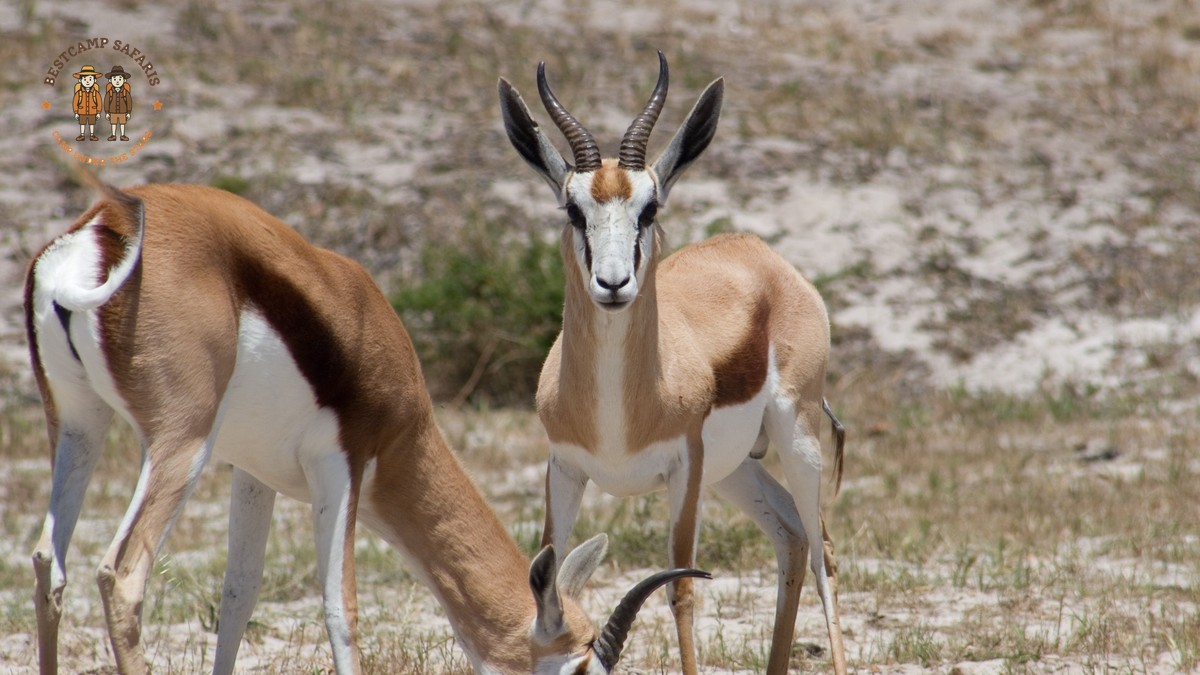
Tsavo East and Tsavo West are enormous and wild. They see fewer tourists than the Mara. The landscapes are dramatic, with red earth and lava fields. Man-eater predators live here historically.
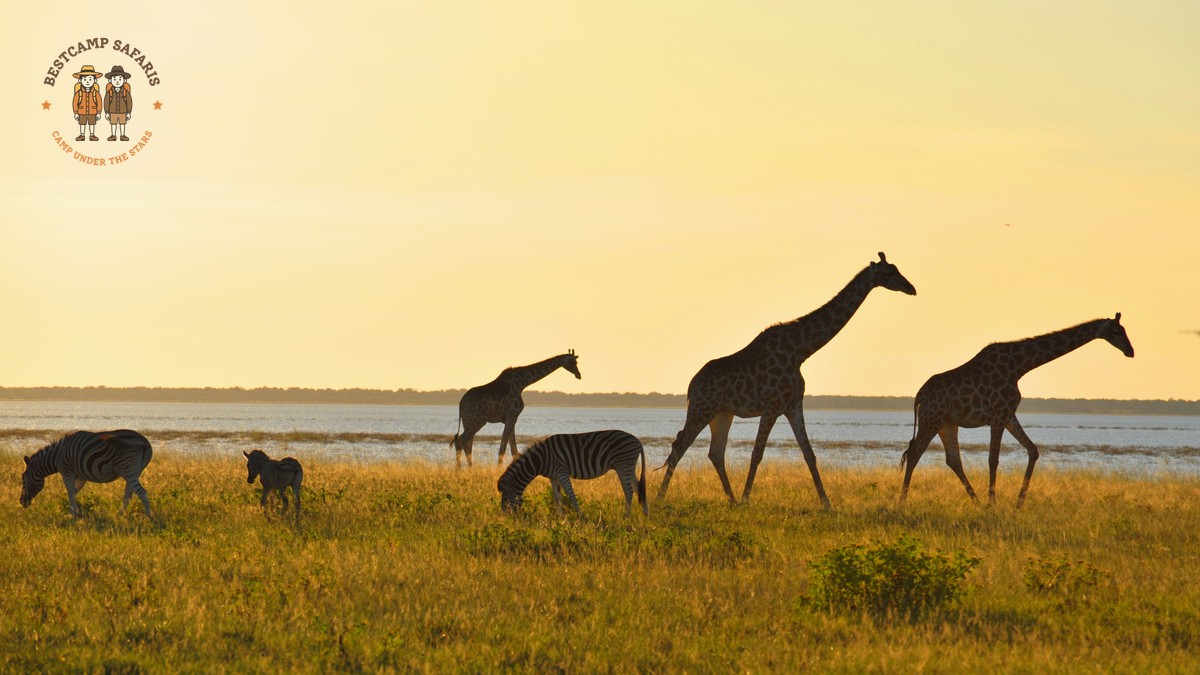
Samburu and Buffalo Springs in the north are dry, rocky, and home to species you will not see elsewhere. The reticulated giraffe and Grevy’s zebra are unique to this region.
Laikipia and the private conservancies offer a different experience. Less crowds, walking safaris, night drives, and excellent guiding. The fees are higher but the quality is consistent.
Choose your parks based on what you want to see. The big cats plus elephants point to the Mara and Amboseli. Rhinos add Lake Nakuru. A unique northern experience points to Samburu or Laikipia.
How to Book: Czech Agency or Local Kenyan Operator?
This is the question every Czech traveler asks me. It deserves a straight answer.
A Czech travel agency resells Kenya safaris. They book you into camps that a Kenyan operator runs. They add a markup for their services. You pay more, but you get the comfort of booking in Czech, paying in CZK, and having someone local to complain to if things go wrong.
A local Kenyan operator like BestCamp Safaris runs the actual camps. We own the tents, employ the guides, and set the prices. You pay less than what a Czech reseller charges because you skip the middleman. Your money goes directly into the Kenyan economy.
Does the Czech agency speak Czech? Yes. But your guide in Kenya will speak English anyway. Good guides speak English fluently. Many speak German, French, or Spanish too. Czech is rare but some operators offer it on request.
The real question is customer protection. The Czech agency must follow Czech consumer law. A local operator follows Kenyan law. To protect yourself, use a well-reviewed operator with verifiable history, clear contracts, and a solid payment process. Ask for references and check independent reviews.
For a first trip, your guide matters more than your booking channel. A great local guide is worth more than a Czech-speaking salesperson who has never slept on the ground in the Mara.
My recommendation is to book with a trusted Kenyan operator directly. You get better value, more authentic experiences, and your money supports local families. Just do your due diligence first. Read our questions to ask before booking a safari operator to vet any company properly.
The BestCamp Safaris Difference
BestCamp Safaris runs mobile tented camps, not brick lodges. A mobile camp moves with the wildlife. When the migration shifts, we shift with it. You wake up in the middle of the herds, not at a permanent lodge thirty minutes away.
Mobile camping is not roughing it. You sleep on a proper bed inside a canvas tent. You have a flush toilet and a hot shower. A chef cooks three meals a day. But you sleep under canvas, and at night the sounds come close. I have lain awake listening to lions hunt two hundred meters from my tent. That is the point.
Our camp team sets up camp before you arrive. They know the routine. They pour your morning tea at 5am, load the game drive vehicle by 6am, and have biscuits ready for the first stop. When you return mid-morning, hot breakfast is waiting. Bush showers are solar heated. Buckets of hot water appear at sunset.
Fly-camping is our specialty for the adventurous. Guides walk you to a simple campsite with a mattress, a mosquito net, and a campfire. No walls. No fence. You watch the stars and hear everything. It is the closest you will ever get to sleeping wild.
We camp in the Mara, Amboseli, Laikipia, and Tsavo. Ask us about current campsite locations when you book. Weather moves us.
Visa, Flights, and Getting to Kenya
Czech citizens need an eTA to enter Kenya. It costs about USD 34 and takes a few days to process. Apply online at the official Kenyan eTA portal at least two weeks before your trip. Do not use third-party agents that charge more.
Fly into Jomo Kenyatta International Airport in Nairobi. Direct flights from Prague have grown in recent years. More often you will connect through Istanbul, Dubai, or Addis Ababa. The flight takes about 8 to 10 hours with one stop.
From Nairobi to the parks, you have two options. Road transfers are cheap but slow. Nairobi to Masai Mara is roughly 270 km by road, taking 5 to 6 hours. The last stretch is a bumpy dirt road.
Domestic flights take 45 minutes. Scheduled flights leave Wilson Airport in Nairobi daily to the Mara’s main airstrips like Musiara, Kichwa Tembo, or Ol Kiombo. Safari light aircraft are small but safe. Consider a flight for the first or last transfer to save a full day of driving.
Internal flights cost roughly USD 150 to 250 per segment. Book them together with your safari.
Health, Safety, and Vaccinations
Visit your doctor 6 to 8 weeks before departure. Required vaccinations include yellow fever. Recommended ones include hepatitis A and typhoid. Malaria tablets are essential for all of Kenya.
The malaria risk is high in most safari areas. Use mosquito repellent, sleep under the treated net in your tent, and take your tablets. Cover up at dusk.
Drink only bottled or filtered water. Our camp provides safe drinking water throughout the day. Do not drink tap water anywhere.
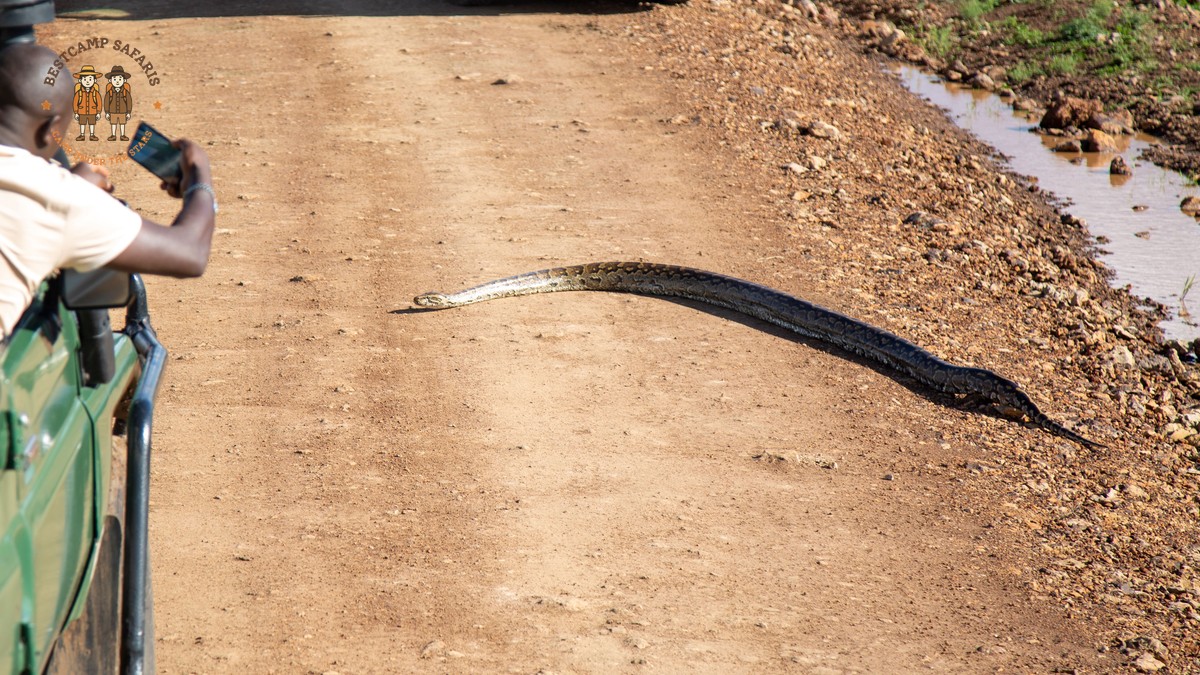
Kenya is safe for tourists. The safari circuit is well developed. Camps have staff, guards, and protocols. The biggest risks are roads and wildlife, not people. Respect your guide’s instructions during game drives, especially with elephants and buffalo.
Currency and Cash: What to Bring
Kenya uses the Kenyan Shilling (KES). But the safari industry quotes prices in US dollars for international visitors. You will get the best rate by withdrawing KES from an ATM in Nairobi or paying by card.
For park fees, you pay per day in dollars. Carry some fresh USD cash in small bills for tips and park payments. Credit cards work in larger towns and camps but always carry cash as backup.
Most of your expenses are covered if you book a fully inclusive safari. Tipping is extra. A general rule is USD 5 to 10 per guest per day for your guide, and less for camp staff. Check with your operator for their tipping policy.
Read more about what currency and cash to bring on safari to avoid withdrawing too much or too little.
Language and Communication
English is an official language in Kenya. Everyone in tourism speaks clear English. Swahili is useful for greetings but not required. Your guide will speak English fluently.
The camp staff speak English too. Czech is rare. If you book a private safari, request a Czech-speaking guide in advance. Availability is limited, so ask early.
Airports, hotels, and restaurants all work in English. You will not have language barriers.
What to Pack for a Kenya Safari
Packing for a safari is simpler than people think. Focus on layers, sun protection, and neutral colors. Avoid bright colors and white. Camouflage is forbidden for civilians.
Give yourself half a packing day and you will be fine.
- Long-sleeved shirts and long trousers for evenings. They protect against mosquitoes and cool winds.
- Shorts and t-shirts for daytime drives.
- A warm fleece or down jacket for 5am game drives. Mornings are cold in the savannah.
- A wide-brimmed hat and sunglasses.
- Sunscreen and lip balm with SPF.
- Comfortable walking shoes for camp and fly-camps.
- A small headlamp for night walks to the bathroom.
- Binoculars. 8x or 10x magnification is ideal.
- A camera with extra batteries and memory cards.
- Plug adapter for the UK-style three-pin socket.
- Personal medications and a small first aid kit.
Leave behind dressy clothes. The camps are casual. Jeans and a fleece work everywhere.
Combining Safari with a Beach or Gorilla Trekking
Most travelers combine a 7-day safari with 3 to 4 days on the Kenyan coast. Diani Beach near Mombasa is white sand and turquoise water. Fly from the Mara to Diani via Nairobi. The whole trip takes 10 to 12 days.
For gorilla trekking, add Rwanda to your itinerary. Fly from Nairobi to Kigali, spend two days trekking in Volcanoes National Park, then return home. This adds 4 days and a separate budget. Gorilla permits are expensive, roughly USD 1,500 per person. Book months in advance.
Start Your Kenya Safari Planning Guide for Czech Speakers
Planning your first safari feels like lifting a heavy backpack. But once you get it arranged, the weight disappears. You fly in, and the bush does the rest.
BestCamp Safaris operates mobile camps across Kenya’s best wildlife areas. We handle everything: park fees, flights, guiding, meals, and camp logistics. You just pack your bag and show up in Nairobi.
We work with Czech-speaking travelers every season. We can connect you with a Czech-speaking guide on request and explain every cost in both USD and CZK.
If this guide raises more questions than it answers, that is normal. Send us your questions through our contact page and we will reply honestly. Or look at our safari trips to see what a mobile camping adventure includes.
The savannah is waiting. The lions do not care where you are from. They only care that you show up quietly, respectfully, and on time. We will make sure you do.


