
 Adventure Tours
Extra cost fly camping Kenya questions come up on almost every planning call I take, usually right after someone falls for the idea of a fenceless night under canvas.
I still remember walking into a fly camp in Laikipia after dark, guided only by a paraffin lamp swinging from the guide’s hand. No fence, no generator hum, just canvas domes tucked under an acacia and the sound of someone stacking firewood for the night. That memory is why people ask me this question more than almost any other: how much extra does a night like that actually cost?
Most tour operator websites dodge the number. They talk about “authentic” nights under the stars and list multi-day package prices, but they rarely say what the fly camp portion adds to your bill. So here it is, plainly, with the trade-offs that go along with it.
What Fly Camping Actually Is
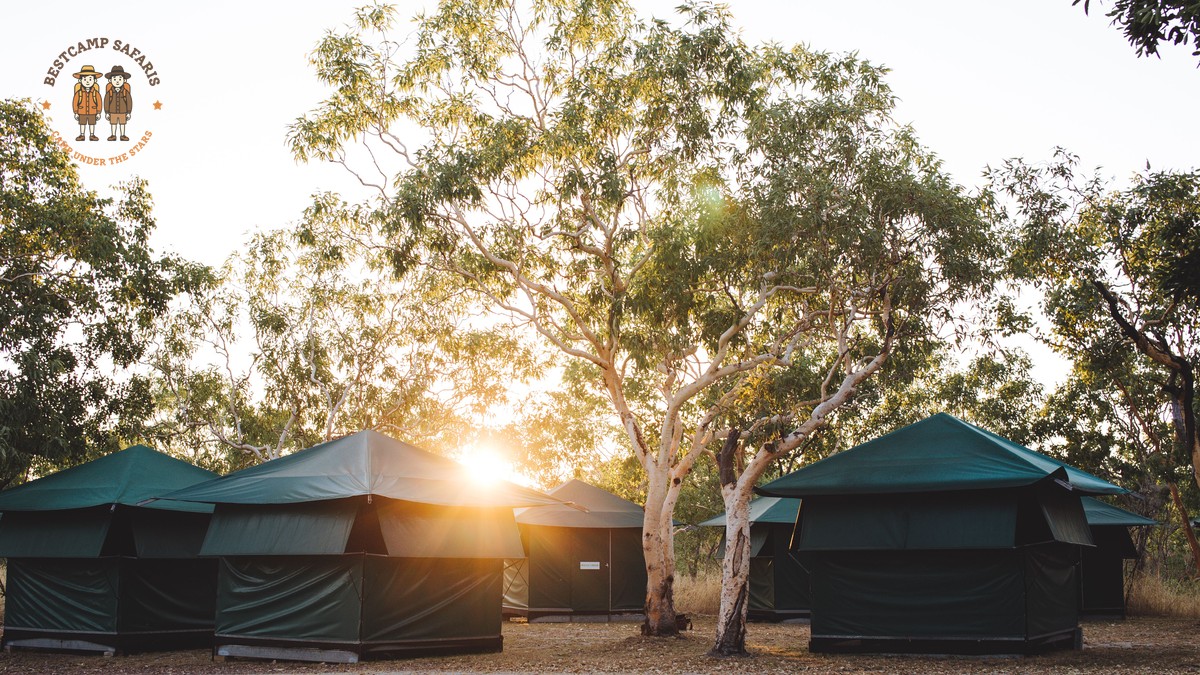
A permanent tented camp has fixed structures. Concrete bathroom floors, a bar tent, staff quarters that stay put all year. A mobile camp moves a few times a season, following game or river levels, but it still uses proper canvas tents with real beds and plumbing.
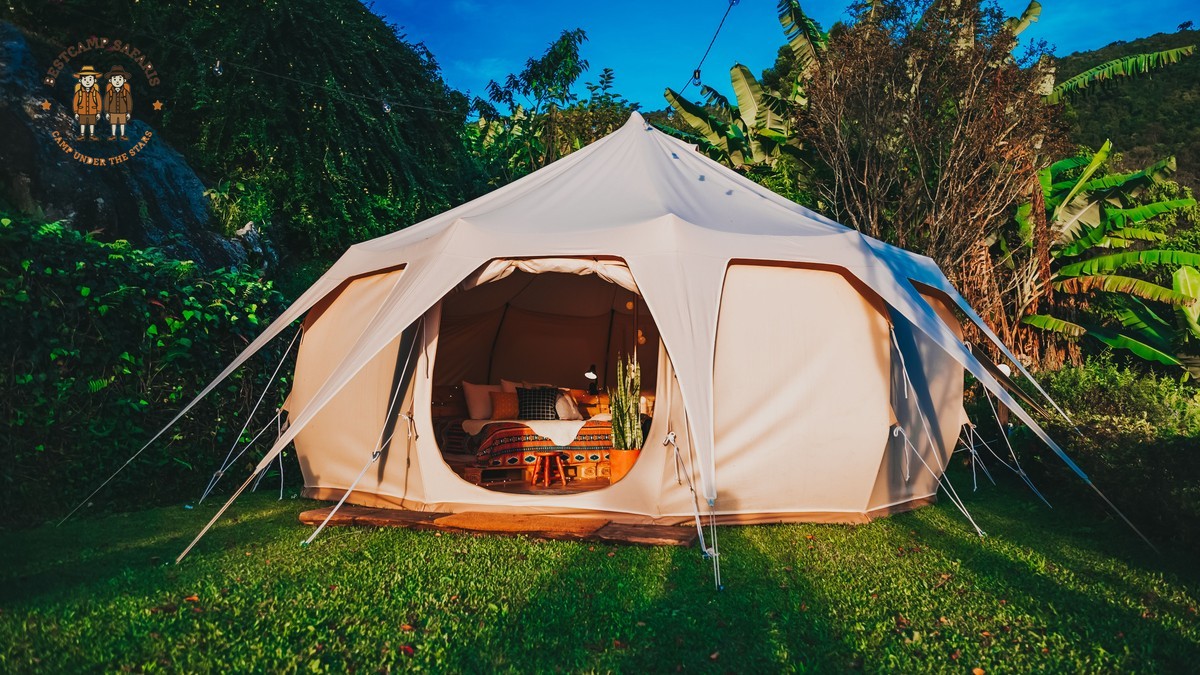
Fly camping is smaller and lighter than both. It is usually two to six small dome or A-frame tents, a folding camp bed or bedroll in each, and a simple bucket shower and long-drop toilet set up just for your stay. Crews strike the whole thing the next morning and it leaves almost no trace. If you want a fuller sense of the difference before you book, this guide to what to expect at a Laikipia mobile camp walks through the mobile camp side of that comparison.
Fly camping is also usually a one or two night add-on to a longer stay at a permanent or mobile camp, not the whole trip.
The Real Number: What Fly Camping Adds Per Night
Here is the figure most pages hedge on. Across Laikipia, Samburu, and the Mara conservancies, a fly camp night typically adds USD 200 to 300 per person, on top of your normal camp rate, when the operator charges for it at all.
Some camps in Laikipia and Samburu fold one fly camp night into a longer package at no extra charge, especially on stays of four nights or more. Others bill it as a flat supplement per person per night. A few charge a fixed group rate for the whole setup instead, usually USD 800 to 1,500 for a camp of up to six guests, split between however many people join.
These are indicative ranges, not fixed prices. Every operator sets its own rate, and it depends on the number of nights, group size, and how far the crew has to walk or drive equipment in.
What the Fee Actually Buys
That USD 200 to 300 is not just for sleeping outside. It pays for:
- A dedicated crew, often four to six people, who carry in tents, bedding, a camp table, and cooking gear by vehicle or on foot
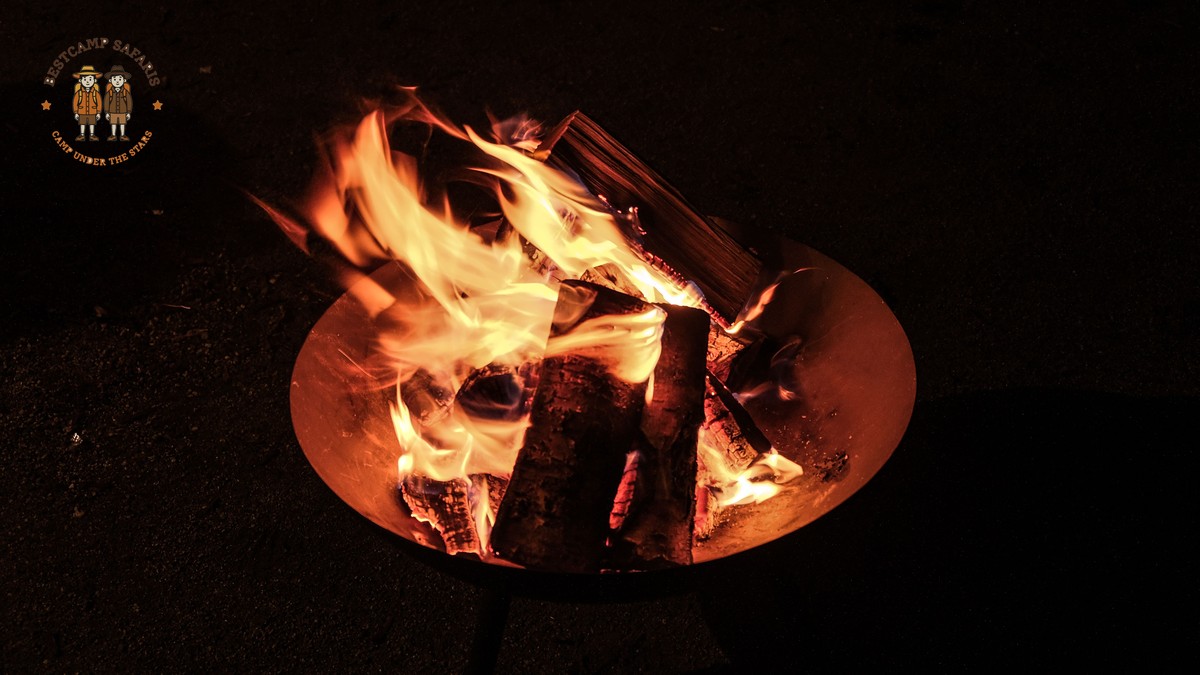
- A camp cook preparing a full dinner and breakfast over an open fire or gas burner, not a packed lunch
- A bucket shower filled with hot water on request, and a private long-drop toilet, both built just for you
- An armed ranger or experienced guide who stays awake near camp through the night
- Breakdown the next morning, usually before your 6am game drive, so the site is cleared by mid-morning
That staffing ratio is the real cost driver. A permanent camp spreads its kitchen and housekeeping staff across dozens of guests a night. A fly camp crew works for four to six guests only, for one or two nights, then packs up and does it again somewhere else.
Where You Can Fly Camp in Kenya
Fly camping is not available everywhere. It needs private land or a conservancy with flexible camping rules, which rules out the main blocks of the Masai Mara National Reserve itself.
| Area | Fly camping available | Typical extra cost (pp/night) | Best paired with |
|---|---|---|---|
| Laikipia (Borana, Loisaba area) | Yes, widely offered | USD 200-280, sometimes included | Walking safaris, horseback riding |
| Samburu (private conservancies) | Yes, seasonal | USD 220-300 | Riverine game viewing, cultural visits |
| Mara North Conservancy | Yes, select camps | USD 250-300 | Wildebeest migration season |
| Naboisho Conservancy | Limited, by request | USD 225-300 | Big cat sightings, night drives |
| Masai Mara National Reserve | No, reserve rules prohibit it | Not applicable | Day game drives only |
Conservancy fees are separate from the fly camp fee and get bundled into your nightly rate. Naboisho and Mara North conservancy fees usually run USD 80 to 150 per person per night on top of the camp rate. If your trip does dip into the Masai Mara National Reserve itself, budget USD 100 per adult per day from January through June. That rises to USD 200 per adult per day from July through December during the migration season. The reserve is run by Narok County Government, not Kenya Wildlife Service.
Sleeping Without a Fence
This is the part people ask about once the invoice questions are settled. Fly camps have no perimeter fence and no solid walls, just canvas and mesh netting. You will hear hyenas, sometimes hippos if you are near a river, and occasionally something larger moving past at a distance.
Camps manage this with a ranger on watch through the night, a strict rule against leaving your tent alone after dark, and a whistle or radio by your bed to call for an escort. If you need to reach the toilet at 3am, you call out and someone walks you there with a torch. It sounds nerve-wracking the first time. By the second night, most guests find it is one of the reasons they came. For a longer look at how camps handle this, read our guide to sleeping in a truly wild, unfenced bush camp. Our notes on staying safe in a tented camp at night spell out the safety routine in full.
Where a Fly Camp Night Fits in an Itinerary
A common pattern for a 7 night Kenya safari looks like this. Two nights at a Laikipia lodge, one fly camp night nearby, three nights in Mara North or Naboisho Conservancy, one more night back near Nairobi before flying out. The fly camp slots into a walking safari day, since you are already on foot and away from the vehicle by the time evening comes.
Drive and flight times matter here too. Nairobi to Nanyuki, the usual gateway to Laikipia, is roughly a 40 minute flight or a 3 to 4 hour drive. Nanyuki to most Laikipia conservancies adds another 30 to 60 minutes by road. Nairobi to the Mara conservancies runs about 45 minutes by light aircraft, or 5 to 6 hours by road on a long game drive route.
Extra Cost Fly Camping Kenya: Is It Worth It?
One fly camp night is usually worth the money. It breaks up a longer stay, gives you a genuinely different sleep experience, and the crew effort behind it is easy to see and appreciate for a single night.
Three fly camp nights in a row rarely is. The novelty fades, the lack of a real shower gets old by day three, and you are paying a premium staffing rate every night instead of once. Most experienced guides, including our team, recommend one night, two at most, folded into a longer safari built around permanent or mobile camps.
Skip it entirely if you are traveling with young children who need a stable routine, or if broken sleep before an early game drive genuinely ruins your day. There is no wrong answer here, just a clearer one now that you have the number.
The BestCamp Safaris Difference
We do not upsell fly camping as a mystery add-on with a price you find out about later. When we build your itinerary, we tell you the exact supplement for the specific camp and dates you are looking at, before you commit to anything. We have slept in these camps ourselves, so we know which ones are worth the extra cost and which ones are better as a two night stop rather than three. Our itineraries are built around real drive times and real conservancy fees, not rounded-off marketing numbers.
Plan Your Fly Camp Night
If you want to add a fly camp night to your Kenya safari, we can give you the real numbers before you decide. Get in touch with BestCamp Safaris and we will build an itinerary around it, with the actual per-night cost included from the start.


