
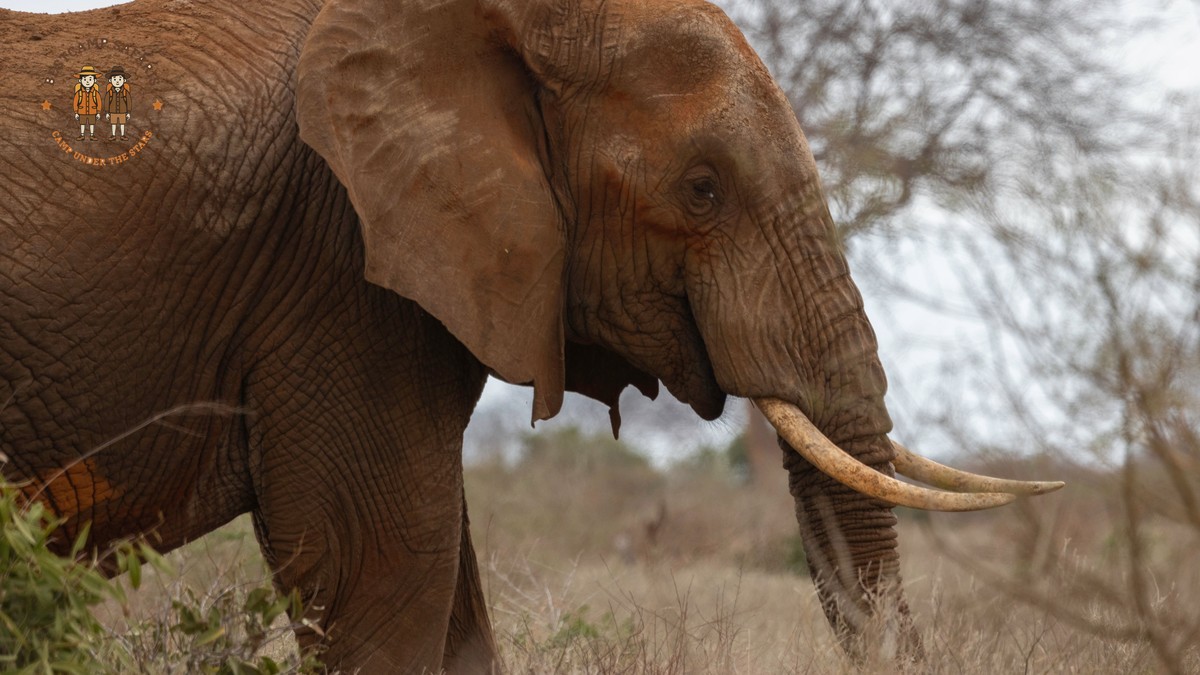
 Adventure Tours
The first thing I noticed at a Laikipia mobile camp wasn’t an animal. It was the quiet. No generator hum, no other vehicles idling nearby, just canvas moving in the wind and a fire being built for the morning kettle. If you’ve already done a lodge stay in the Mara and want something closer to the ground, a laikipia conservancy mobile camp is where that shift happens.
This piece is for travelers who’ve seen the Mara from a veranda and want the next trip to feel different. Laikipia delivers that through walking, camel support, and camps that pack up and move with you.
What a Mobile Camp Actually Is
A mobile camp is not a permanent tented camp with a concrete base and en-suite plumbing. It’s a set of dome or walk-in canvas tents, bucket showers, and long-drop or bucket-flush toilets. All of it is carried in by vehicle or camel and set up fresh at each stop. A fly camp is the lighter version, often just one or two nights, sometimes carried entirely by camel for a walking route with no vehicle support at all.
The distinction matters for comfort expectations. You won’t get a hairdryer or a minibar. You will get a hot bucket shower delivered to your tent door at dusk and a three-course dinner cooked over coals. The camp team knows the ground well enough to walk you back to your tent by lamplight after dark. What changes when you camp in a conservancy versus a reserve goes further into how the rules differ from a national reserve stay. Night drives and off-road walking are both allowed on private land but restricted in places like the Mara.
Where to Base a Laikipia Conservancy Mobile Camp
Laikipia isn’t one reserve. It’s a patchwork of private ranches, group ranches, and conservancies north and west of Mount Kenya, roughly 200 km and a 3.5-hour drive from Nairobi. By air, it’s about a 40-minute flight from Wilson Airport to Nanyuki, or closer to an hour to Loisaba’s own airstrip. Laikipia’s conservancies covers the full list, but for mobile camping specifically, four stand out.
Loisaba Conservancy has open plains and a strong lion and elephant population, with room for genuine off-grid movement. Suyian Conservancy is an independently owned property on Powys family land that borders Loisaba but runs as its own operation. It’s quieter still and home to Siruai Mobile Camp. Loldaiga Hills Ranch is rockier and less visited, good for a camp that wants real solitude. El Karama sits along the Ewaso Ng’iro River and mixes walking with river-frontage game viewing. Il Ngwesi, a community-owned conservancy, adds a strong rhino story and direct benefit to the Maasai landowners who run it.
Walking and Camel Trekking
Most Laikipia mobile camps build their days around walking, not driving. A typical route covers 8 to 15 km before lunch, with a vehicle or camel carrying water, snacks, and the packed-down camp gear behind you. Camels aren’t for riding on these trips. They’re baggage carriers, freeing you to walk with just a water bottle and binoculars.
This is where the honest trade-off comes in. Walking safaris ask more of your body than a game drive does. Uneven ground, heat by midmorning, and multi-hour days add up. How fit you need to be for a walking safari breaks down what a moderate fitness level actually means in practice. It’s worth reading before you book if you haven’t done a walking trip before.
Wildlife You’ll Actually See
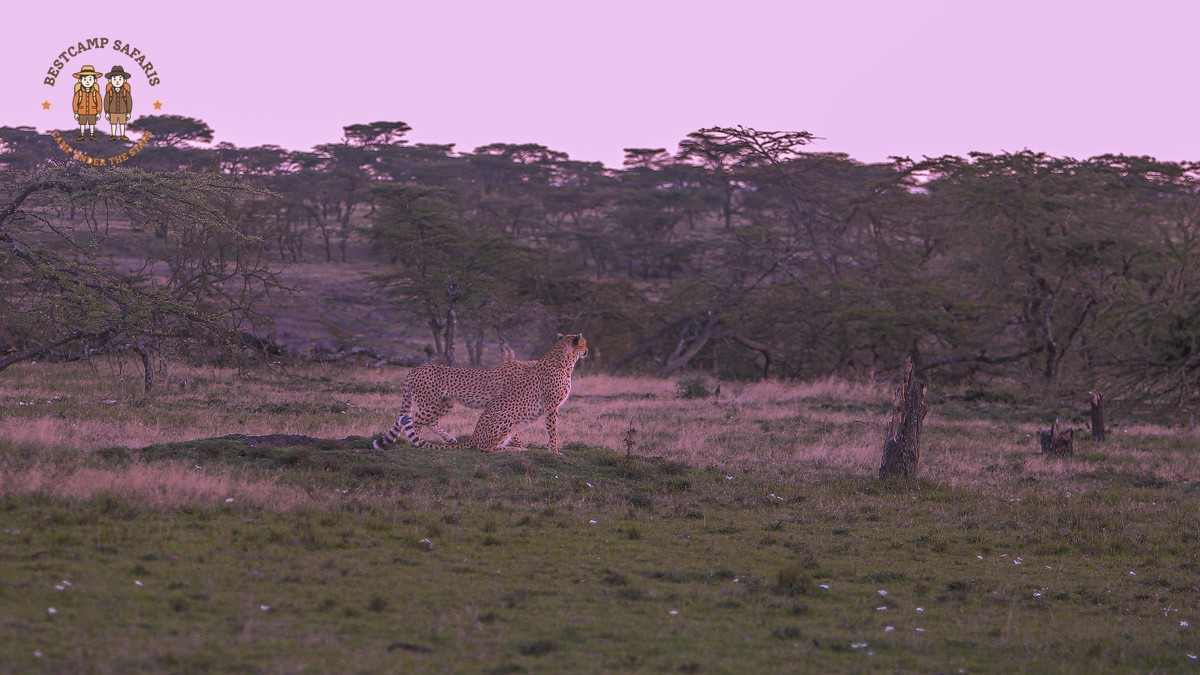
Laikipia holds the second-largest population of black rhino in Kenya, concentrated in sanctuaries like Ol Pejeta and Loisaba’s own rhino programs. It’s also one of the most reliable places in East Africa to track African wild dogs on foot. Guides use radio collars and read spoor rather than a screen. Lion, elephant, buffalo, and leopard are all present across the plateau, and reticulated giraffe and Grevy’s zebra, both rare outside northern Kenya, show up regularly.
Big Five sightings happen, but rhino aside, they’re not the headline the way they are in the Mara. This is a landscape built for slower, closer encounters rather than a checklist.
Comparing the Named Mobile Camp Operations
Prices below are indicative per person per night, high season, all-inclusive of meals, walks, and camp staff. Conservancy fees are usually bundled into these rates rather than billed separately. Where they’re not, budget an indicative USD 60 to 100 per person per night on top.
| Operation | Conservancy | Group size | Indicative price (pppn) | Access |
|---|---|---|---|---|
| Siruai Mobile Camp | Suyian | Up to 8-10 guests | USD 700-950 | Fly to Loisaba airstrip, 45-min road transfer |
| Laikipia Wilderness Camp | Ol Doinyo Lemboro Ranch | Up to 10 guests | USD 650-900 | Fly to Loisaba or Nanyuki, 1 to 1.5-hr transfer |
| Kicheche Laikipia Active | Ol Pejeta Conservancy (wilderness area) | Up to 6-8 guests | USD 500-750 | Fly or drive to Nanyuki, road transfer |
| Mobile Expeditions Laikipia Camp | Loldaiga Hills | Up to 8 guests | USD 550-800 | Drive from Nanyuki, roughly 45 minutes |
Ranges vary by season and by whether the itinerary includes camel support, so treat these as a starting point for budgeting, not a quote. Laikipia Wilderness Camp sits on Ol Doinyo Lemboro Ranch, overlooking the Ewaso Narok River, rather than inside Suyian or Il Motiok.
Best Time of Year
The long rains fall roughly March through May, and they matter more here than in drier parks. Black cotton soil turns to thick mud, and some mobile routes simply can’t move. June through October is the reliable walking window, dry ground, cooler mornings, good wildlife concentration around remaining water. The short rains in November can still work for camping but pack a rain layer. December through February is hot and dry again, good for walking but with more dust.
How Many Nights and How to Combine Conservancies
Three nights is the minimum to get real value from a mobile camp, enough for one full move and two different walking areas. Five to seven nights lets you link two conservancies. Try three nights at Loisaba or Suyian followed by three at Il Ngwesi or El Karama, each with its own terrain and wildlife focus. Combining Laikipia with a few nights in Samburu or Meru National Park afterward is a natural next step for repeat visitors. It adds variety without repeating the Mara circuit.
The BestCamp Safaris Difference
We don’t sell Laikipia as an add-on to a lodge itinerary. Our mobile camp trips are built around the walking route first, then the camps that fit it. That means we’ll tell you honestly if a property’s terrain doesn’t suit your group’s fitness level, rather than booking it anyway. Our guides have slept in these camps themselves, moved them by camel, and can tell you which stretch of the Ewaso Ng’iro runs dry by August. That ground-level knowledge shapes every itinerary we put together, not a brochure description pulled from a supplier list.
Plan Your Laikipia Mobile Camp
If a night under canvas on the Laikipia plateau sounds like the trip you’ve been waiting to take, we’d like to help you plan it. Visit our Laikipia mobile camping safaris page or get in touch through our contact page to start mapping out routes, camps, and dates that fit your timeline.
More safari planning resources
- Kenya national parks map from SafariPure
- Ol Pejeta Conservancy guide from Trunktrails Safaris
- Ol Pejeta and Sweetwaters safari package from Valley Safaris
- Big Five safari parks guide on Touring Insights
Related guides: Borana Conservancy Rhino Tracking Safari Guide.


