
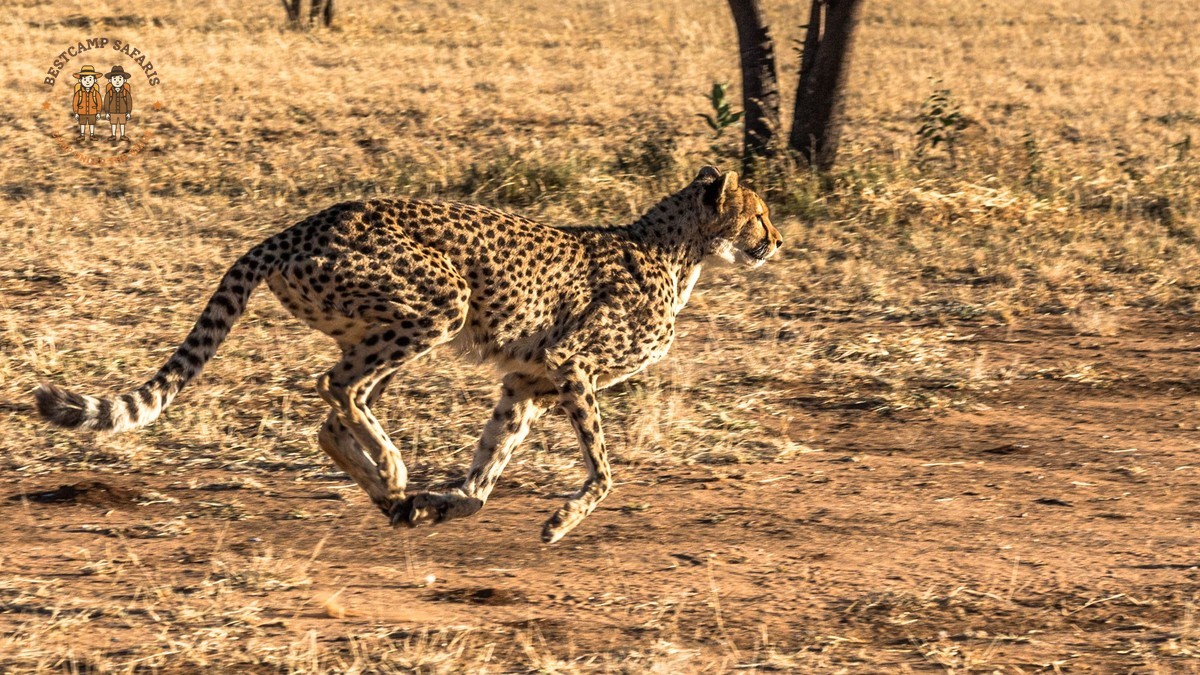
 Wildlife Tours
I still remember the first cheetah litter I photographed properly. It was late June, just past 6am, and the grass in Naboisho Conservancy was still silver with dew. Our guide cut the engine 40 meters from a termite mound. Four cubs, maybe three months old, were wrestling on top of it while their mother watched from the shade of a balanite tree. No other vehicle in sight. That morning had nothing to do with the wildebeest migration, and everything to do with knowing when cheetah cubs actually become visible.
So what’s the cheetah cubs best month in the Mara? A lot of operator pages will tell you it’s January. That answer is tidy, and it is not really backed by anything. The truth, based on how cheetahs actually breed and raise young in this ecosystem, points somewhere else. Let’s walk through it properly, because if you’re planning a photography trip around cubs, the month you pick changes everything about the shot you’ll get.
Cheetahs Don’t Follow a Fixed Breeding Season
Unlike some antelope species, cheetahs in the Mara don’t mate on a strict calendar. Females can come into season at almost any time of year, and litters have been recorded in every month. But that doesn’t mean sightings are random. Research on Mara cheetah populations shows conceptions cluster in the wetter months, roughly November through April, when prey is plentiful and females are in better condition to carry a litter.
Gestation runs about 93 days. Do the math on a November to April conception window and you land on births concentrated from roughly February through July, with a strong peak in April through June. That single fact reshapes the whole “best month” question, because a newborn cub is not a cub you can photograph.
Why Newborn Cubs Are Invisible for Two Months
A cheetah mother hides her litter in long grass or thick scrub for the first six to eight weeks of their lives. She moves them every few days to throw off hyenas, lions, and eagles, all of which kill cheetah cubs given the chance. During this stage she visits to nurse and then leaves again, often for hours, to hunt alone.
This is the part the “January is best” claims skip entirely. A cub born in January is still denned and invisible through most of February and March. It is not sitting on a mound waiting for your camera. By the time it is confident enough to follow its mother into open grassland, tumble over termite mounds, and hold still for a 600mm lens, two to three months have usually passed.
So What Is the Cheetah Cubs Best Month in the Mara?
If births peak April through June, and cubs need six to ten weeks before they’re reliably visible and mobile, the sweet spot for photographing cheetah cubs above the grass runs from roughly June through September. That is also, not coincidentally, the start of the dry season, when the grass itself is shorter and cats are easier to spot from a vehicle.
Here is the honest trade-off, month by month:
| Month | Cub visibility | Grass height | Crowds | Weather |
|---|---|---|---|---|
| January to March | Low, many litters still denned | Short to medium | Moderate | Warm, mostly dry, some short rains |
| April to May | Low to rising, newborns hidden | Tall, green season | Lowest of the year | Heavy long rains, some camps close |
| June to July | High, cubs mobile and active | Dropping fast | Rising sharply (migration) | Cool mornings, dry |
| August to September | Highest of the year | Short, excellent visibility | Peak, especially reserve side | Dry, cold at dawn |
| October to December | Moderate, older cubs and new denning starts | Medium, short rains return | Moderate | Warm, showers likely |
January does have real upsides. Camps are quieter, the light is soft, and skies are often clear. But if the goal is specifically cubs old enough to see, that quiet comes at the cost of catching litters that are still hidden in the grass. June through September gives you the best odds of an actual sighting, just with more vehicles around, especially near the river crossings.
Where in the Mara to Actually Look
The main reserve gets the migration crowds, but cheetah families are more reliably tracked in the private conservancies bordering it. Our guides spend the most time watching resident females in Naboisho Conservancy, one of the Mara’s best cheetah cub territories, where a low vehicle density rule keeps sightings calm and unhurried. Mara North Conservancy and Olare Motorogi Conservancy also hold known cheetah territories, particularly around the open plains near Aitong and the Ntiakitiak River.
Inside the main reserve, Musiara Marsh and the plains near Rhino Ridge see cheetah activity too, but with far more vehicles once the wildebeest arrive in July. Conservancies cap the number of vehicles allowed at any sighting, usually five or fewer, which matters enormously for a mother with cubs. Too much vehicle pressure can push a female to move her litter or abandon a hunt. That is part of how conservancy rules differ from the main reserve, and it is one reason cub sightings in Naboisho or Mara North often feel less rushed than a reserve sighting during peak season.
| Location | Distance from Sekenani Gate | Entry fee (non-resident) | Vehicle limit per sighting | Cheetah family reputation |
|---|---|---|---|---|
| Masai Mara National Reserve | At the gate | USD 100/day (Jan-Jun), USD 200/day (Jul-Dec) | Not strictly enforced | Good, but crowded July-Sept |
| Naboisho Conservancy | Roughly 20 km | USD 80-150/night, bundled into camp rate | 5 vehicles | Strong, several resident females tracked long-term |
| Mara North Conservancy | Roughly 25 km | USD 80-150/night, bundled into camp rate | 5 vehicles | Strong, open plains suit cheetahs |
| Olare Motorogi Conservancy | Roughly 30 km | USD 80-150/night, bundled into camp rate | 5 vehicles | Good, denser bush in places |
Note that the reserve fee jumped in October 2025, and July to December is now double the January to June rate. That price difference is worth factoring in if you’re weighing a June trip against a September one, since both fall in the higher-fee window once you cross into July.
Best Time of Day for Cub Photography
Cheetahs hunt by sight, so they are most active in the cool hours, early morning and again in late afternoon. Cubs mimic their mother’s schedule almost exactly. The best window is usually 6:30am to 9am, when the light is low and gold and the cats are still moving from a night’s rest.
We build our game drive timing around this. A 5:30am wake-up call, a flask of coffee by lamplight, and we are on the plains before the sun clears the escarpment. That golden hour light is also just better for photographs generally. For the technical side of shooting fast-moving cubs in low light, our guide to camera settings for photographing fast-moving cheetah cubs covers shutter speed and ISO choices that work for this exact window.
Telling a Cheetah Cub From a Young Leopard
At a distance, in tall grass, a young leopard and a cheetah cub can look surprisingly alike. A few quick markers help. Cheetah cubs have a long, silvery mane running down their back and neck, called a mantle, which fades as they mature. Leopard cubs never have this. Cheetah spots are solid black dots, while leopard spots form rosettes, small clusters with a hollow center. Cheetahs also carry their tail low and straight, leopards curl theirs more.
Survival Odds and Why Guides Get Protective
Cub survival in the Mara is brutal. Studies across the ecosystem put survival to independence, around 18 months old, at well under 50 percent, with some estimates closer to one in three. Lions and hyenas account for most losses. This is why experienced guides keep their distance and limit time at a den site. A stressed mother is a mother more likely to lose her litter.
Cheetahs are listed as Vulnerable by the IUCN, with an estimated global population under 7,000 adults. The Mara-Serengeti ecosystem remains one of the strongholds for the species, which makes every cub that reaches independence genuinely significant.
The BestCamp Safaris Difference
We do not chase cheetah sightings from camp to camp. Our guides know specific females in Naboisho and Mara North by sight, track their territories across seasons, and build itineraries around patience rather than radio chatter. That means fewer vehicles at a sighting, longer unhurried time with a family, and mornings timed to that 6:30am golden light rather than a rushed dash after breakfast. Our mobile camps move with the season too, so you’re sleeping closer to where the cats actually are, not where a fixed lodge happens to sit.
Plan Your Cheetah Season Trip
If cheetah cubs are the reason you’re picking dates, June through September gives you the best odds, with Naboisho and Mara North offering calmer sightings than the main reserve. Get in touch through our contact page and we will help you build an itinerary around the cats, the light, and the season that fits what you want to photograph.


