
 Adventure Tours
The first thing my daughter asked, halfway down the packed-earth track into camp, was “where’s the bathroom.” Fair question. She was seven, it was almost dark, and all she could see was a row of green canvas shapes lit by paraffin lamps. Ten minutes later she was brushing her teeth over a canvas basin with a view of the Mara plains, and by day two she’d stopped asking and started timing how fast the crew could pack a tent flat.
That gap, between what a family tent setup mobile camp actually offers and what it looks like from the outside, is what most operator pages skip. Here’s the real version, camp by camp detail included.
What a Mobile Tented Camp Actually Is
A mobile tented camp is not a permanent lodge with canvas walls. It’s a full camp, tents, kitchen, dining area, staff quarters, that a crew builds from scratch at a chosen site and takes down completely when the trip moves on. No concrete foundations, no fixed plumbing.
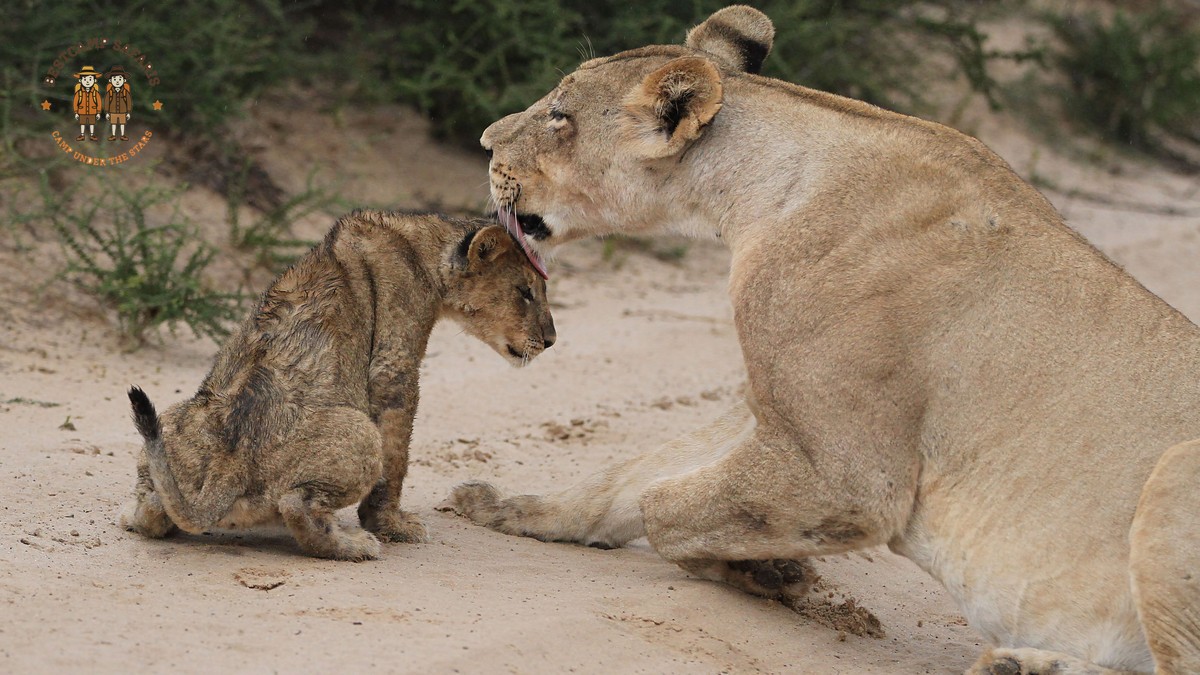
A permanent lodge stays put year-round. A mobile camp exists for your dates only, often inside a private conservancy like Naboisho or Mara North, where fewer vehicles and no day visitors mean your family can sit with a pride of lions without another car in sight.
How the Crew Sets Up and Breaks Down Camp
A team of six to ten crew members arrives ahead of guests and builds the camp in four to six hours. Groundsheets go down first, then the canvas frame, then beds, furniture, and the mess tent last.
Breaking camp works in reverse and usually takes three to four hours, done while guests are out on a morning game drive. Kids who are curious about how it works can usually watch the first ten minutes before the vehicle pulls off. It’s genuinely one of the best parts of the trip for children who like machines and process.
Family Tent Setup Mobile Camp Configurations
This is the part competitors gloss over with “many camps welcome families.” Here’s what an actual family setup looks like.
Interleading tents are two full canvas tents joined by a zippered internal canvas panel, so you can walk between them without going outside. We use this configuration most often for families with children under ten. Each tent has its own bed, so parents and kids sleep separately but stay connected.
A two-bedroom family tent is a single larger canvas structure, usually 9 to 11 square meters per sleeping area, with a shared central lounge space and one bathroom. It suits families who want everyone under one roof.
Standard interleading tents run 6 to 7 meters long by 4 to 5 meters wide per unit, plus a private canvas veranda. That’s enough room for a queen bed, a single or two singles, luggage racks, and a writing desk without it feeling cramped.
Bathroom, Shower and Toilet Facilities
No flush toilets and no hot water tap in a mobile camp. Instead you get an en-suite canvas bathroom attached to each tent, with a chemical or long-drop toilet and a canvas bucket shower filled with hot water on request.
It sounds basic until you use one. Staff heat water over a fire and hoist it on a pulley behind the tent, giving you ten to fifteen minutes of genuinely hot water with decent pressure. Read how bucket showers actually work if you want the full walkthrough before you go.
The honest trade-off: no flush toilet in exchange for a tent that sits closer to wildlife than any permanent lodge could get away with.
Safety at Night for Children
Every mobile camp we run has an askari, a night guard, stationed at the fire and on rounds between tents from dusk until dawn. Tents are never more than a short walk from the mess tent, and camps are laid out so no family tent sits at the perimeter alone.
If your child needs the toilet at 2am, you don’t walk out alone. You call out or use the torch signal the guide shows you on arrival, and an askari walks you the few meters with a flashlight. It happens most nights in a camp with young kids, and the crew expects it. For the fuller picture, see how night safety works in a tented camp.
What’s Included: Beds, Linens, Furniture
Every family tent comes with a proper bed frame and mattress, not a camp cot, plus cotton linens, a duvet or blankets depending on season, and mosquito netting sewn into the tent structure or hung over the bed.
Furniture typically includes a luggage rack, a small desk or table, a full-length mirror, and a canvas wardrobe with shelves. For babies and toddlers, ask about travel cot options for younger children when you book, since not every camp stocks them and lead time matters.
Meals and Camp Routine
Meals happen in a separate dining tent or, weather permitting, under the open sky. Breakfast is often packed up and taken into the bush, eaten at a folding table with a view instead of four walls.
A typical day: tea and biscuits at 6am, game drive by 6:30, bush or camp breakfast around 9, free time or a second drive, lunch at 1pm, rest through the heat of the afternoon, afternoon drive at 4, dinner by the fire around 7:30. Kids’ schedules can flex around nap times if you ask in advance.
How the Camp Moves Between Locations
A mobile safari typically shifts camp every three to four nights, following wildlife movement or simply changing scenery. The crew drives ahead with the trucks while your family is on a game drive, so you never watch your own tent get dismantled.
For families, we keep moves to two or three per trip rather than a new camp every few nights, since repacking with young kids adds stress that doesn’t pay off in extra views.
Minimum Ages and Which Kids Are Suited
Most mobile camps set a minimum age of six to eight years old, mainly because of night safety logistics and long game drive hours rather than the tents themselves. Some conservancies, including parts of Naboisho, allow younger children with a private vehicle and dedicated guide.
Kids who do well in a mobile camp tend to be curious, comfortable outdoors, and fine with an early bedtime. Kids who struggle are usually the ones who need a fixed nightly routine a moving camp can’t always guarantee.
Cost and What Drives Price
Price depends on the conservancy, the season, and how private you want the setup. Here’s what real numbers look like for family trips we run in Kenya.
| Location | Non-resident park/conservancy fee (2026) | Nearest airstrip | Approx. drive time to camp | Typical family tent price |
|---|---|---|---|---|
| Naboisho Conservancy | ~USD 80-150/person/night (bundled) | Ol Kiombo | 20-30 min | USD 450-700/night, family of 4 |
| Mara North Conservancy | ~USD 80-150/person/night (bundled) | Musiara | 15-25 min | USD 450-700/night, family of 4 |
| Masai Mara National Reserve | USD 100/adult/day (Jan-Jun), USD 200/adult/day (Jul-Dec) | Keekorok or Mara Serena | 20-40 min | USD 400-650/night, family of 4 |
| Amboseli National Park | USD 90/adult/day | Amboseli | 15-30 min | USD 350-550/night, family of 4 |
| Chyulu Hills National Park | USD 40/adult/day | Kiu or Chyulu | 20-35 min | USD 300-500/night, family of 4 |
These are indicative ranges, not fixed quotes. Final pricing depends on exact camp, dates, and how many nights you stay.
The BestCamp Safaris Difference
We build every family mobile camp with interleading tents as the default for children under twelve, not an upgrade you have to request. Our guides carry a printed camp map on arrival and walk each child through the route to the mess tent and back before dark, so the layout is familiar before the first night falls.
We also cap camp moves at two per family itinerary and choose conservancies like Naboisho specifically because the drive times from airstrip to camp stay under thirty minutes, which matters more than it sounds when a toddler has been traveling since dawn.
FAQs
How does a mobile safari camp actually work? A crew builds a full camp, tents, kitchen, dining area, at each site before guests arrive, and takes it down completely when the trip moves on.
Are mobile safari camps safe for kids at night? Yes, with a night guard on rounds and tents placed close to the mess tent. Children are always escorted after dark.
Do family tents have connecting rooms? Most of ours use interleading tents joined by an internal canvas panel, so parents and kids can walk between rooms without going outside.
What is the minimum age for a mobile tented safari? Typically six to eight years old, though some conservancies allow younger children with a private vehicle.
How much does a family tent setup cost? Roughly USD 300 to 700 per night for a family of four, depending on conservancy and season.
Plan Your Family’s Mobile Safari
If you’re weighing whether a mobile tented camp suits your kids, we’re happy to walk through tent configurations, camp locations, and dates together. Visit our family safari trip page or reach out through our contact page to start planning.
More safari planning resources
- Kenya family safari from SafariPure
- Best time to visit Kenya from Trunktrails Safaris
- Nairobi to Maasai Mara route guide from Valley Safaris
- Is Kenya safe to visit? on Touring Insights
Related guides: Baby Cot or Travel Crib in a Kenya Safari Tent?, Family Mobile Camping Safari Kenya: How It Works.


