 Adventure Tours
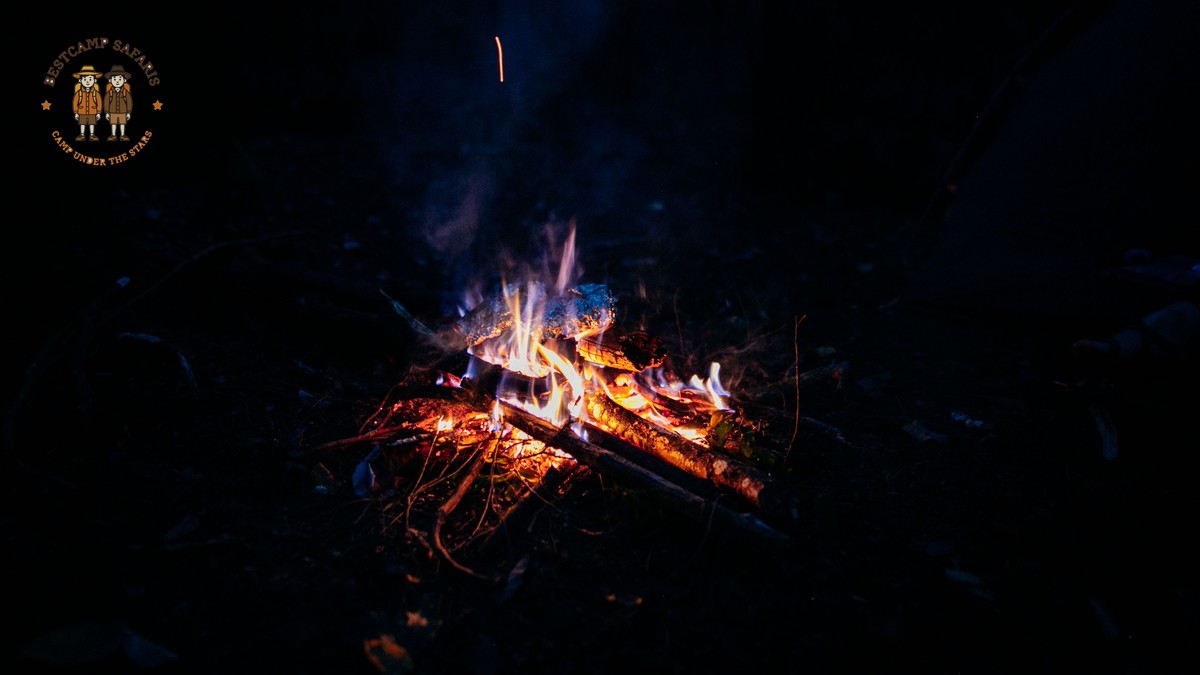
It is 5 a.m. and the camp crew is already moving. Someone stacks canvas chairs by torchlight, someone else rattles a kettle over the fire, and the radio on our guide’s belt crackles with fast Swahili. You catch one word, “simba,” and you are wide awake. You do not need to speak Swahili to know that word means something is close.
These are language tips for international travelers on a BestCamp Safaris Kenya safari, the ones that actually matter. Language worries are common before a first Kenya trip, and they are almost always overblown. This guide covers what you will hear, what is worth learning, and where the real language moments happen on a walk-in camp or fly-camp.
Language Tips for International Travelers on a BestCamp Safaris Kenya Safari: Official Languages
Kenya has two official languages, English and Swahili (Kiswahili). English is the language of business, government, and most tourism operations, so every licensed guide you meet will speak it fluently. Swahili is the national language and the one you will hear camp staff use with each other, especially away from the front desk.
Beyond those two, Kenya has more than 40 ethnic languages. Around Amboseli and the Maasai Mara you will often hear Maa, the language of Maasai communities. Near Tsavo, Kamba is common among staff. None of this matters for communication with you, since guiding is done in English, but recognizing the sound of it helps explain why camp life feels layered rather than scripted.
Do You Actually Need to Learn Swahili?
Short answer: no. Your driver-guide, camp manager, and mess tent staff will all speak workable to fluent English. Radio communication between vehicles, which is how sightings get shared across a conservancy, happens in a mix of Swahili and English, but your guide will always translate the useful part for you.
The honest reason to learn a little Swahili is not survival. It is rapport. A guest who tries “asante sana” instead of just “thanks” gets a different kind of smile from the camp crew, the kind that comes with an extra five minutes at the fire pit swapping stories. That difference is worth more than fluency.
Swahili Greetings Worth Knowing
These are the phrases that come up daily around a BestCamp Safaris camp, at breakfast, at the campfire, and when greeting staff you pass on the way to your tent.
| Swahili | Pronunciation | Meaning | When you will use it |
|---|---|---|---|
| Jambo | JAM-bo | Hello | Simple greeting, tourist-friendly |
| Habari yako | ha-BA-ri YA-ko | How are you | More natural greeting with camp staff |
| Asante sana | ah-SAHN-teh SAH-na | Thank you very much | After meals, at drop-off |
| Karibu | ka-REE-boo | Welcome | Said to you constantly, worth saying back |
| Pole pole | PO-lay PO-lay | Slowly, slowly | Bush walks, uneven ground |
| Hakuna matata | ha-KOO-na ma-TA-ta | No worries | Genuinely used, not just a movie line |
| Chakula | cha-KOO-la | Food | Mealtime chat |
| Maji | MA-ji | Water | Asking for a refill on a hot drive |
Swahili is phonetic, which is the part most first-timers do not expect. Every letter is pronounced, vowels stay consistent, and there are no silent letters to trip over. If you can read it, you can mostly say it.
Safari-Specific Vocabulary You Will Actually Hear
Game drives have their own working vocabulary, and it crosses between English and Swahili constantly. “Tazama” means look, and you will hear it the second someone in the vehicle spots movement in the grass. Animal names get used in both languages depending on the guide, so it helps to recognize a few: simba (lion), tembo (elephant), chui (leopard), nyati (buffalo), and kifaru (rhino). Those five make up Kenya’s Big Five. Twiga, the giraffe, is not one of them, but you will hear the word just as often on a game drive.
Guides also use short radio Swahili to share sightings between vehicles without tipping off every visitor in the area. If your guide suddenly picks up speed after a burst of radio chatter, that is usually why. Ask what was said. Most guides are happy to translate on the spot.
Guides, Drivers, and Camp Staff
BestCamp Safaris guides are trained to work in English as a default, but many speak three or four languages between guiding duties and home life. It is common to have a guide who grew up speaking Kalenjin or Kikuyu at home, learned Swahili in school, and picked up French or German from years of driving European guests. That range matters more in remote fly-camp settings, where your guide is also your translator with any local community you pass.
Camp staff at a walk-in tented site tend to be more comfortable in Swahili than the guiding team, simply because their daily work does not require English the way driving and interpreting wildlife does. A polite greeting in Swahili when you walk into the mess tent goes further here than at a fixed lodge with a large front-of-house staff.
Cultural Etiquette Around Language
Greetings matter more in Kenya than a quick nod. Taking a moment to greet someone properly, especially an older staff member or a community elder near a conservancy, is read as basic respect. Rushing past with a wave can come across as cold, even if that is not the intention.
Nobody expects a guest to be fluent. What gets noticed is effort. Mispronouncing “asante sana” and trying anyway lands better than staying silent out of fear of getting it wrong. Camp staff have heard every version of a mangled Swahili phrase and they still appreciate the attempt.
Food, Market, and Tipping Phrases
If your route includes a market stop or a night in Nairobi before heading out, a few transactional words help. “Bei gani” means “what is the price,” and “punguza kidogo” is a soft way to ask for a small discount. Numbers are useful too: moja (one), mbili (two), tatu (three), nne (four), tano (five), kumi (ten).
Tipping itself runs on cash and gesture more than language, and the norms are worth knowing before you go. Our guide to tipping and hidden fees on a Kenya safari covers what camp staff, guides, and drivers typically expect in KES or USD, separate from the language side of things.
Emergency and Health Phrases
A short list worth knowing before a remote fly-camp night: “Msaada” means “help,” “Mgonjwa” means “sick,” and “Daktari” means “doctor.” In practice, your guide handles any medical situation and radios camp or the nearest lodge directly. These phrases matter more for peace of mind than actual use.
Crossing Borders and Language Shifts
If your itinerary includes an overland leg, language shifts fast at the border. Crossing into Tanzania means Swahili stays useful but English fades a bit at customs windows. Our post on crossing the Namanga border has the practical details, including roughly what to expect for wait times and paperwork.
Distance, Drive Time, and What You Will Hear
Here is a rough picture of language exposure by destination, based on drive routes BestCamp Safaris runs regularly out of Nairobi.
| Destination | Approx. distance from Nairobi | Approx. drive time | Language you will hear most |
|---|---|---|---|
| Maasai Mara National Reserve | 270 km | 5 to 6 hours | Swahili, plus Maa among Maasai staff |
| Amboseli National Park | 240 km | 4 to 5 hours | Swahili, some Maa |
| Tsavo West / Tsavo East | 230 to 330 km | 4 to 6 hours | Swahili, plus Kamba among staff |
| Namanga border crossing | 165 km | 2.5 to 3 hours | Swahili, English at customs |
These figures are approximate and depend on road conditions and the exact camp location within each park or conservancy.
The BestCamp Safaris Difference
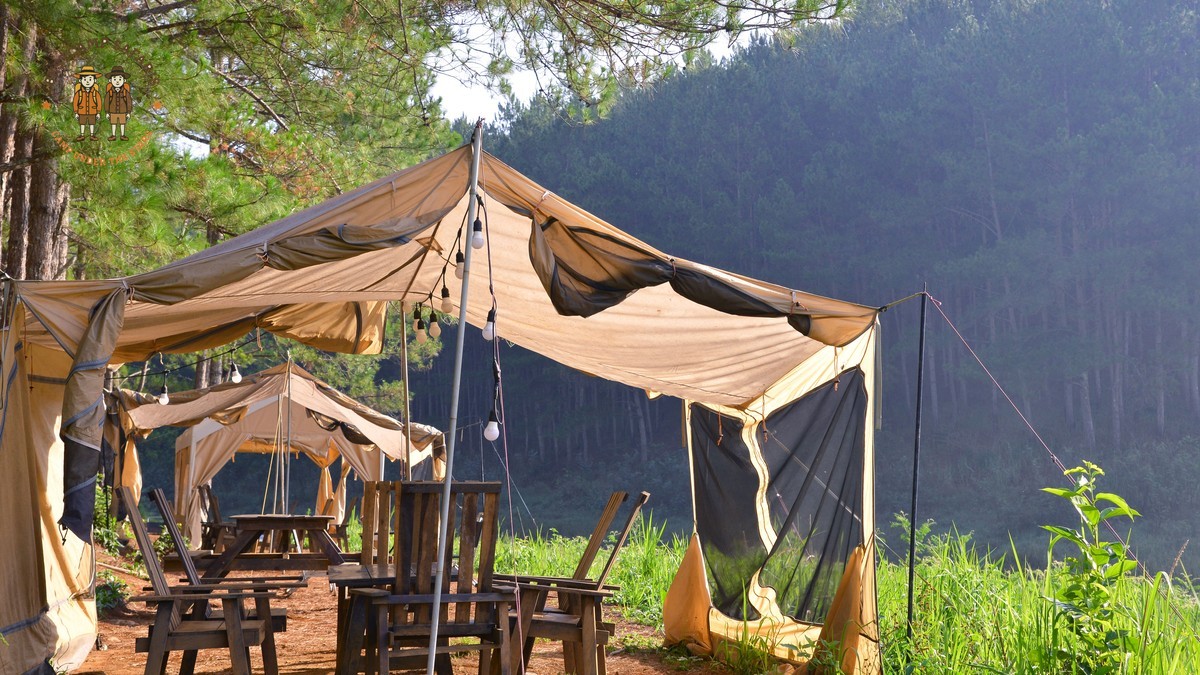
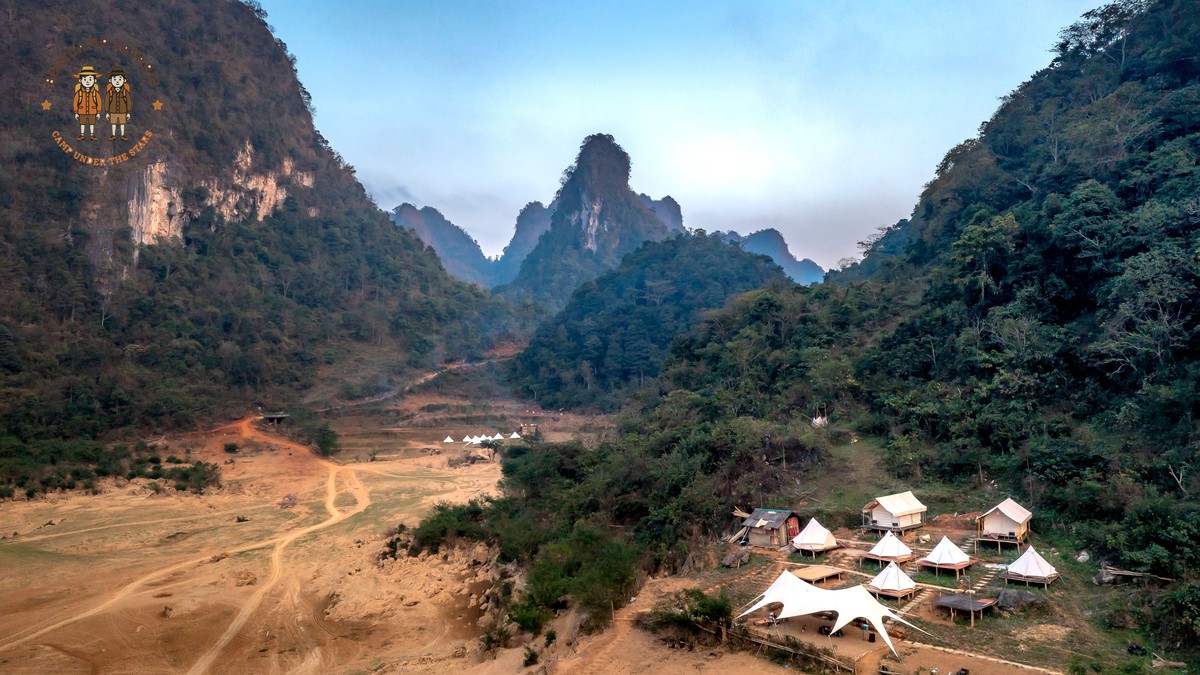
Fixed lodges tend to insulate guests from Swahili almost entirely, with front desks, printed menus, and staff trained to anticipate every question in English before it is asked. A walk-in camp or fly-camp works differently. You are closer to the crew who set up your tent, cooked your dinner over a fire, and know the ground you are sleeping on.
BestCamp Safaris guides handle the translation work so nothing gets lost, but the smaller footprint of a mobile camp means you actually interact with more Swahili speakers day to day than you would at a big lodge. That is part of the appeal for anyone who wants the real camping experience instead of a hotel with a view. If you are still mapping out when to go and what to pack, our Kenya safari planning timeline checklist is a good next stop before you book.
FAQ
Do people speak English on a Kenya safari? Yes. All licensed guides and camp management speak fluent English. Some support staff are more comfortable in Swahili.
Do I need to learn Swahili before a Kenya safari? No, but a handful of greetings and thank-yous go a long way with camp staff and guides.
Is Swahili hard to learn for English speakers? Not particularly. It is phonetic, so words sound the way they are spelled.
Will there be a language barrier at BestCamp Safaris camps? Practically no, since guiding and camp management run in English. Swahili shows up more in the background, between staff.
Is it rude not to attempt Swahili in Kenya? Not rude, but a missed chance. Even a rough “asante sana” tends to earn a warmer response.
Plan the Trip
If a mobile tented camp with real Swahili mornings and English-speaking guides sounds like your kind of safari, take a look at our Kenya safari trips or reach out through our contact page to start planning.
More safari planning resources
- Kenya safari packages from SafariPure
- Kenya wildlife tours from Trunktrails Safaris
- Nairobi to Maasai Mara route guide from Valley Safaris
- Best safaris in Kenya on Touring Insights
Related guides: What Happens If It Rains Safari? Kenya Guide & Tips.


