
 Adventure Tours
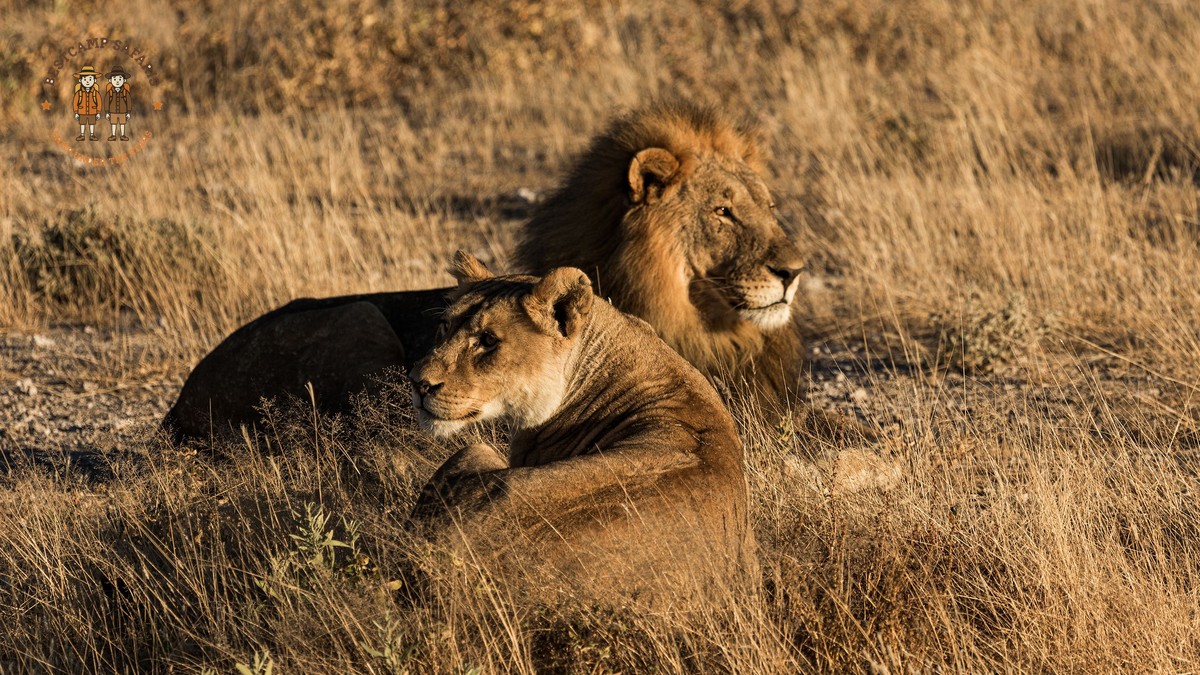
Five in the morning in a mobile tented camp sounds cold in your head and feels different in your body. A camp hand knocks softly on the canvas, sets down a tray of tea, and says “good morning” before the sky has any color at all. You hear the crew folding chairs by the fire pit, packing the breakfast boxes for the game drive ahead. That is the real texture of a Girls Trip Safari Kenya, not just the leopard in the tree later that morning, but the whole rhythm around it.
If you are staring at ten browser tabs of women-only safari itineraries right now, you already know the problem. Most show one departure date, one price, and vague safety advice. This post walks through what an actual circuit looks like day by day, what it costs at different group sizes, and what changes depending on how many friends you bring.
Trip Overview: Duration, Group Size, and Style
A girls’ trip safari in Kenya usually runs 6 to 9 days. That gives you enough time to cover two or three parks without spending half your trip in a vehicle. Group size works best between 4 and 10 women. Smaller groups get flexibility and quieter vehicles. Larger groups bring the per-person cost down, since a vehicle, guide, and mobile camp crew cost the same whether you fill four seats or eight.
Mobile camping is the style most of these trips use, and it is worth explaining plainly. You sleep in canvas tents with real beds, not sleeping bags on the ground. A crew drives ahead to set up camp before you arrive and takes it down after you leave, so you wake up somewhere new every few days. Bucket showers and long-drop or portable flush toilets are standard in the more remote sites. It is simple, but it is not rough.
A Sample 8-Day Circuit: Amboseli, Tsavo, Masai Mara, and Lake Naivasha
Here is how BestCamp Safaris typically builds this route for a group of women who want variety without constant repacking.
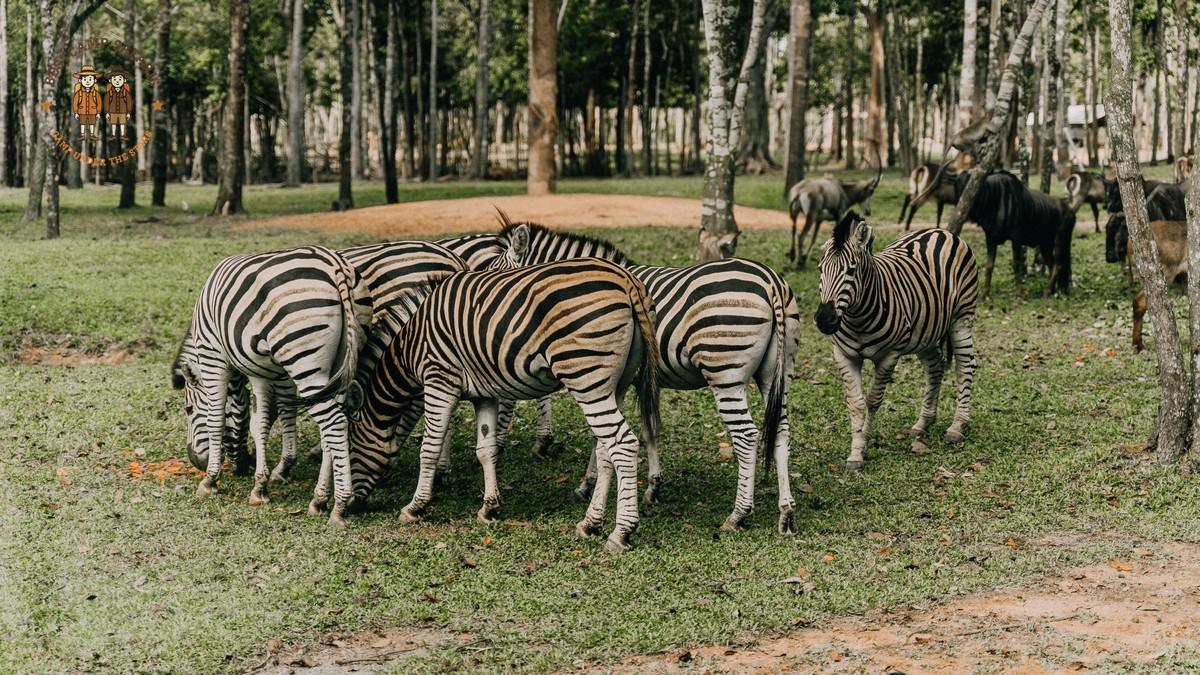
Day 1: Nairobi to Lake Naivasha. A short 90 km drive, about two hours, gets you out of the city fast. Afternoon is free for a boat ride on the lake or a walk among giraffes and zebras at Hell’s Gate National Park, where you can walk on foot without a guide inside the gorge sections.
Day 2: Lake Naivasha to Masai Mara. The drive covers roughly 270 km and takes 5 to 6 hours through Narok town. You reach camp in time for an afternoon game drive if the roads are dry.
Days 3 and 4: Masai Mara. Two full days of game drives, often based near Naboisho Conservancy or Mara North Conservancy, both known for lower vehicle density than the main reserve. This is where the Great Migration river crossings happen between July and October.
Day 5: Masai Mara to Amboseli. Driving this leg takes most of a day, so most groups fly instead, a scheduled light aircraft hop through Nairobi’s Wilson Airport that takes roughly 90 minutes total in the air.
Day 6: Amboseli. Morning and evening game drives with Mount Kilimanjaro as a backdrop when the clouds cooperate, plus a visit to Kimana or Ol Tukai area for elephant herds.
Day 7: Amboseli to Tsavo West. About 150 km, roughly 3 hours, entering through Chyulu Gate.
Day 8: Tsavo West to Nairobi. A final morning drive, then the return trip of about 240 km, 4 to 5 hours, back to Nairobi for evening flights out.
Route, Distances, and Park Fees at a Glance
Fees below reflect non-resident rates as of the 2025 update. Bring your passport for entry and expect fees paid in USD or KES at the gate or through your operator.
| Leg | Distance | Drive Time | Entry Fee (non-resident) |
|---|---|---|---|
| Nairobi to Lake Naivasha | 90 km | 1.5-2 hrs | Hell’s Gate approx. USD 30/day (indicative) |
| Lake Naivasha to Masai Mara | 270 km | 5-6 hrs | USD 100/day Jan-Jun, USD 200/day Jul-Dec (Narok County, not KWS) |
| Masai Mara to Amboseli (flight) | approx. 450 km air | approx. 1.5 hrs | Amboseli USD 90/day (KWS) |
| Amboseli to Tsavo West | 150 km | approx. 3 hrs | Tsavo West USD 80/day (KWS) |
| Tsavo West to Nairobi | 240 km | 4-5 hrs | n/a |
Conservancy stays inside Naboisho or Mara North typically add USD 80 to 150 per person per night, usually bundled into the camp rate rather than billed separately at a gate.
What It Really Costs: Twin-Share vs Single, Group of 4 vs Group of 8
This is the part most listing pages skip. Vehicle hire, a driver-guide, park fee logistics, and the mobile camp crew are fixed costs. Split among four women, those fixed costs weigh more per person than split among eight. Here is an indicative range for the 8-day circuit above, mobile camping style, twin-share tents.
| Group Size | Per Person (Twin-Share) | Single Supplement |
|---|---|---|
| 4 women | approx. USD 2,600-2,900 | approx. USD 550-650 |
| 6 women | approx. USD 2,250-2,500 | approx. USD 500-600 |
| 8 women | approx. USD 2,050-2,300 | approx. USD 450-550 |
These figures are indicative planning ranges, not a fixed quote, since park fees shift by season and fuel costs move. If two of you are happy sharing a tent and the rest want their own space, most operators will let you mix and match rather than charge everyone the single rate. Ask exactly what a quote covers before you pay a deposit. We’ve written more about hidden fees that can inflate a group safari quote, and it’s worth reading before you compare offers, along with how to compare cheap vs expensive safari operators if two quotes look wildly different for what seems like the same itinerary.
What’s Included and What’s Not
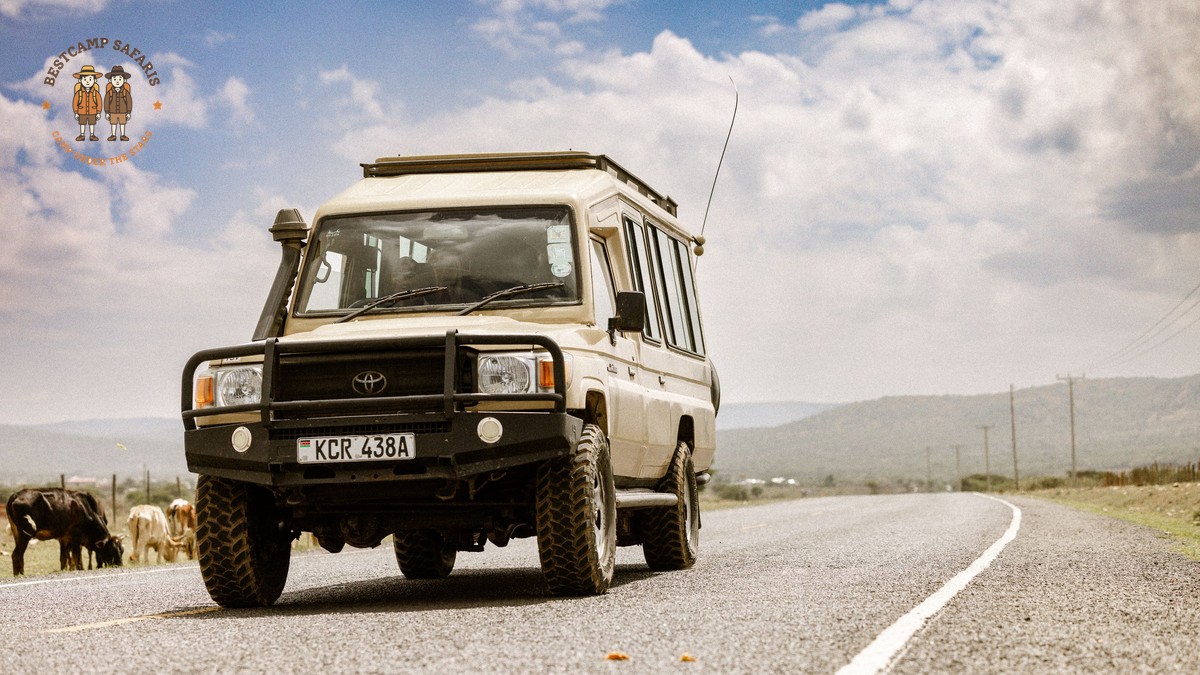
Most mobile camping packages include the vehicle and driver-guide, all camping equipment and bedding, meals from breakfast on day one through breakfast on the final day, and a camp crew who sets up and breaks down each site. Park and conservancy entry fees are usually included too, since operators pay them directly to avoid confusion at the gate.
What’s typically excluded: international flights, Kenya visa fees (currently an online eTA is required before arrival), travel insurance, alcoholic drinks, tips for the crew and guide, and any optional add-ons like a hot air balloon ride over the Masai Mara, which runs roughly USD 450-500 per person.
Best Time of Year for a Girls Trip Safari Kenya
July through October is peak season for the Great Migration river crossings in the Masai Mara, but it’s also when Narok County’s park fee doubles to USD 200 per adult per day. January through March offers drier weather, thinner crowds, and the lower USD 100 daily rate, with excellent game viewing across Amboseli and Tsavo even without the river crossings. If budget matters more than crossing footage, the first quarter of the year is the better call.
Is Kenya Safe for a Group of Women?
Yes, and this deserves a real answer instead of a generic reassurance. Kenya’s safari circuit runs on tourism, and camps, lodges, and guides are used to groups of women traveling without men. Inside parks and conservancies, your biggest daily risks are sunburn and dehydration, not crime.
The parts that actually need attention happen in transit hubs, not the bush: airport arrivals, market visits, and city stops in Nairobi. Keep valuables in a zipped daypack, agree on a group meeting point before you split up at any market, and book airport transfers through your operator rather than accepting one offered on arrival. For a longer rundown, see common tourist scams to watch for in Kenya, most of which target confused, jet-lagged arrivals rather than seasoned groups already out in the parks.
What to Pack
Pack layers. Mornings at 5am in an open-sided vehicle can hit 10°C even when the afternoon reaches 28°C. Bring neutral-colored clothing, a warm fleece or jacket for game drives, a wide-brim hat, and closed shoes for walking around camp after dark. A headlamp matters more than people expect, since camp paths are lit by staff with lamps, not streetlights. Pack a basic first aid kit with rehydration salts, and check with a travel clinic about anti-malarials and routine vaccines before you go, ideally four to six weeks ahead of departure.
The BestCamp Safaris Difference
We build girls’ trip itineraries around your group’s actual size and dates instead of pushing you into one fixed departure. Every quote breaks down the vehicle, camp, park fees, and crew costs by line item, so you can see exactly what changes if your group grows from four to eight. Our guides run these same routes year-round, which means real-time calls on where the migration herds are, which conservancy has fewer vehicles that week, and when to skip a crowded gate for a quieter one nearby. Camp crews on our mobile trips are trained specifically for solo and small-group women travelers, from tent placement to how camp security works after dark.
Ready to Plan Your Girls’ Trip?
If this circuit sounds close to what you and your friends want, or you’d rather adjust the parks, dates, or group size, we’d like to help you build it. Take a look at our Kenya safari trips or reach out through our contact page to start working out the details.
More safari planning resources
- Amboseli map and guide from SafariPure
- Masai Mara Great Migration guide from Trunktrails Safaris
- Interactive Maasai Mara map from Valley Safaris
- Maasai Mara National Reserve guide on Touring Insights
Related guides: Teenage Safari Itinerary Kenya: A Real 8-Day Plan.


