
 Adventure Tours
The first time you roll up to Namanga, it doesn’t look like much. You’ll see a dusty strip of trucks, curio stalls, and Maasai traders selling beadwork through your window while you queue for a stamp. But this is the busiest overland gate between Kenya and Tanzania. A namanga border crossing overland safari means real planning, whether you’re driving yourself, camping your way south, or timing a shuttle connection to Arusha. The details here matter more than the postcard version most blogs give you.
This guide skips the generic checklist. It covers what actually costs money, how long the queue really runs, and what changes if you’re bringing your own vehicle instead of stepping off a bus.
Namanga Border Crossing Overland Safari Basics: Where It Is and Why It’s the Main Route
Namanga sits about 165 km south of Nairobi on the A104 highway. The drive takes two and a half to three hours, depending on traffic through Kajiado. On the Tanzanian side, it’s about 105 km to Arusha, another hour and a half on tarmac. The full Nairobi to Arusha run is about 270 km. Most of it is sealed road.
Namanga is busier and better equipped than the Isebania crossing further west. Isebania links the Maasai Mara directly to the Serengeti’s western corridor. If your route runs through Amboseli, or straight down to Arusha and Kilimanjaro, Namanga is the natural choice. If you’re routing Mara to Serengeti without touching Nairobi or Arusha, Isebania saves you a detour.
Visa Options and Costs
Kenya now requires an Electronic Travel Authorization (ETA) for almost every visitor. You apply online before you travel. It costs about USD 30 per person. This is separate from any visa, even for nationalities that don’t need one to enter.
Tanzania’s tourist visa costs USD 50 for most nationalities. US citizens pay USD 100, under a reciprocal fee arrangement. You can apply for an e-visa in advance, or pay cash on arrival at Namanga in US dollars. Notes must be from 2013 or later and in good condition. Older or damaged notes may be refused.
One thing trips people up: the East Africa Tourist Visa. This single USD 100 visa covers Kenya, Uganda, and Rwanda only. It does not include Tanzania. If your route crosses at Namanga, you need a separate Tanzania visa, no matter what you hold for Kenya.
Step-by-Step: How the One-Stop Border Post Works
Namanga runs as a One-Stop Border Post. Kenyan and Tanzanian officials work from adjoining halls instead of two separate compounds. In practice, the process runs like this:
- Park and walk into the Kenyan exit hall. Get your passport stamped out.
- Move straight into the Tanzanian hall in the same building. Buy or present your visa, get stamped in.
- Handle vehicle paperwork at a separate counter, covered below if you’re self-driving.
- Clear customs and walk back to your vehicle on the Tanzanian side.
For foot and shuttle passengers, this whole sequence typically takes 30 to 60 minutes if the hall isn’t busy. Self-drive parties should budget closer to 90 minutes to two hours for the extra vehicle steps.
Documents You Need Before You Arrive
Pack these before you leave Nairobi or Arusha:
- Passport valid at least six months beyond your travel dates
- Yellow fever vaccination certificate. Tanzania asks for this from travelers arriving from, or transiting, countries with yellow fever risk. Kenya is on that list. Carry it even if nobody asks to see it
- Printed or downloaded e-visa confirmation, if you applied online
- Kenya ETA approval printout or a working phone to show it
- For drivers: original vehicle logbook, driving license, and insurance documents
Border staff at Namanga check yellow fever cards more often than at some other posts. Don’t leave yours in a bag at the bottom of the trailer.
Wait Times and the Best Time of Day to Cross
Namanga gets busy mid-morning, roughly 9am to noon. That’s when overnight buses from Nairobi and the day’s tour vehicles arrive together. Early morning, before 8am, or mid-afternoon after 2pm, tends to move faster.
Avoid crossing around major Kenyan and Tanzanian public holidays if you can. Truck and bus volume spikes, and the halls back up fast. Our own crews have queued as little as 20 minutes on a quiet Tuesday morning. On a holiday weekend, with three tour buses ahead of us, it took over two hours.
Shuttle Bus, Guided Transfer, or Self-Drive
| Option | Typical cost (one way, Nairobi-Arusha) | Time (Nairobi to Arusha) | Best for |
|---|---|---|---|
| Shuttle bus (Impala, Riverside) | USD 30-35 per person | 5-6 hours incl. border | Backpackers, solo travelers, no vehicle |
| Guided 4×4 transfer | USD 150-300 per vehicle (varies by group size) | 4-5 hours incl. border | Small groups wanting comfort and a fixed schedule |
| Self-drive / private vehicle | Fuel + permits, roughly USD 60-120 in border costs | 5-7 hours incl. paperwork | Overlanders who want their own rig and route control |
Shuttle buses like Impala and Riverside run daily. They’re the cheapest way through if you don’t have a vehicle. They also handle the border admin as a group, which speeds things along. A guided 4×4 transfer costs more, but it skips some of the queue logic. Drivers know the staff and the shortcuts.
Self-Drive and Private Vehicle Requirements
This is the part most border guides skip. It’s the one that matters most if you’re actually overlanding.
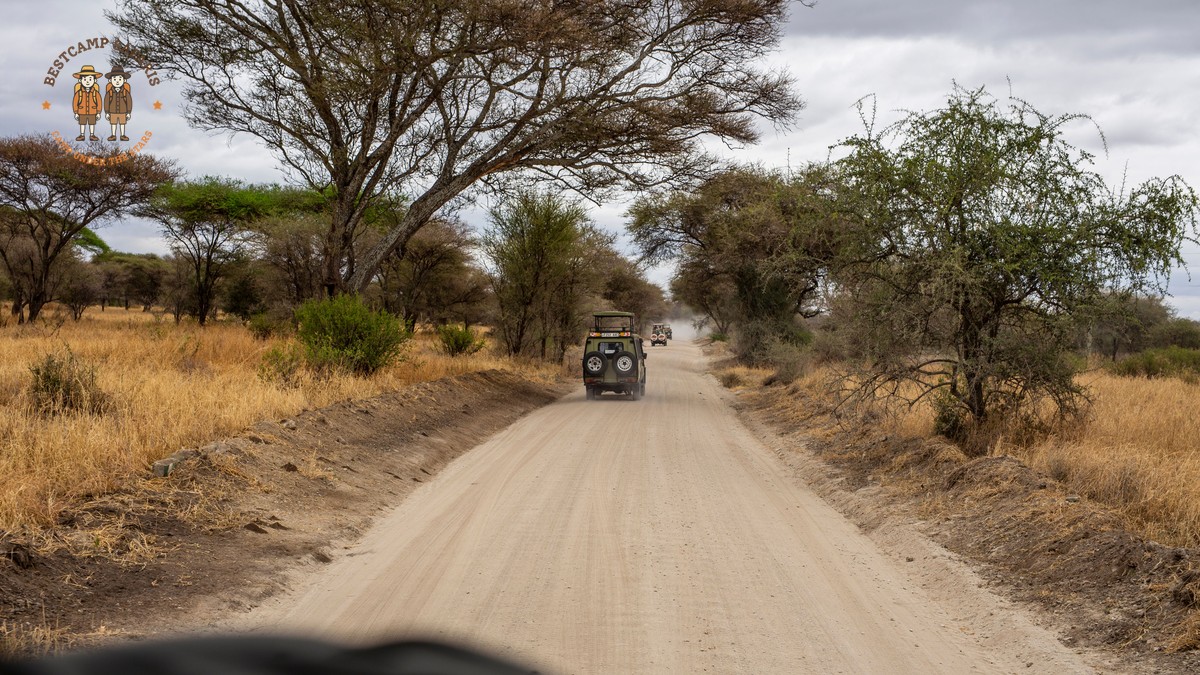
If you’re bringing a Kenyan-registered vehicle into Tanzania, you’ll need a Temporary Import Permit (TIP) at the border. Expect to pay USD 25 to 40. This fluctuates with vehicle size, so confirm the fee on the day. Treat it as an indicative range, not a fixed fee. You’ll also need COMESA Yellow Card insurance, or Tanzania-specific third-party cover bought at the border. That typically costs another USD 20 to 60, depending on how many days you need.
For guided safaris booked through an operator, the setup varies. Sometimes the same vehicle and driver continue straight through into Tanzania on one permit. Sometimes a handover happens at Namanga to a Tanzania-registered vehicle and driver. It depends on the company’s cross-border licensing. Ask your operator which applies to your trip. It changes your packing plan if your gear needs to move between vehicles at the gate.
Self-driving your own vehicle across is legal and done regularly. Budget real time for the TIP paperwork. Don’t expect the process to move at shuttle-bus speed.
Scams and Safety Tips at the Border
Namanga is generally safe. But it’s a border town, and border towns attract hustle. Unofficial “fixers” will offer to speed up your paperwork for a fee. You don’t need them. The One-Stop process is straightforward enough to handle yourself. Money changers outside the hall often offer rates that look good, until you count the notes twice. Change money inside the bank or official forex counter at the post, not on the street.
For a fuller rundown, read our post on common scams to watch for at Kenyan border posts. It covers the specific tricks and how they usually play out. Our note on hidden fees that catch travelers off guard is worth a read too, for any Kenya safari budget.
Onward Routes: Amboseli, Arusha, Serengeti, Kilimanjaro
From Namanga, you’re close to Amboseli National Park, still on the Kenyan side, roughly 80 km northeast on a mix of tarmac and graded road. Kilimanjaro is often visible from there on a clear morning. Heading south from Namanga, it’s a straight run to Arusha. From Arusha, you can continue to Kilimanjaro International Airport, or west toward the Serengeti via Karatu and Ngorongoro.
Plenty of overland routes stack Amboseli before the crossing, then Arusha National Park or Tarangire on the Tanzanian side. Namanga works as the hinge point, not a detour.
The BestCamp Safaris Difference
We’ve run this crossing enough times to know its moods. Our crews cross Namanga most often in the early morning slot, before the tour bus rush builds. We carry printed copies of every document, because phone signal at the border is patchy at best. When we run self-drive support for clients, we walk you through the TIP and insurance counters ourselves. We don’t just hand you a checklist and wish you luck.
That’s the difference between reading about a border crossing and actually doing one. Picture 6am, cold coffee in a flask, waiting for the gate to open.
Plan Your Crossing With Us
If you’re mapping a Nairobi to Arusha overland route, and want the border logistics handled by people who’ve done it, get in touch through our contact page. We’ll help you plan the crossing, the camps, and everything in between.


