
 Adventure Tours
The first thing you notice on a mobile safari camp isn’t the animals. It’s the canvas moving against your tent wall at 5am, and a voice outside saying “good morning” in a low tone, followed by the clink of a tray. That’s your wake-up call, and it means the day is starting whether you’re ready or not. That’s the rhythm behind the daily schedule mobile safari camp guests follow, and it starts before sunrise.
A mobile camp is different from a fixed lodge in one big way: it packs up and relocates every two or three days, following the herds instead of waiting for them. That changes the daily schedule in small, practical ways that most safari guides never mention. Here’s what an actual day looks like, camp-move days included.
5:15am: Wake-up call and bush coffee
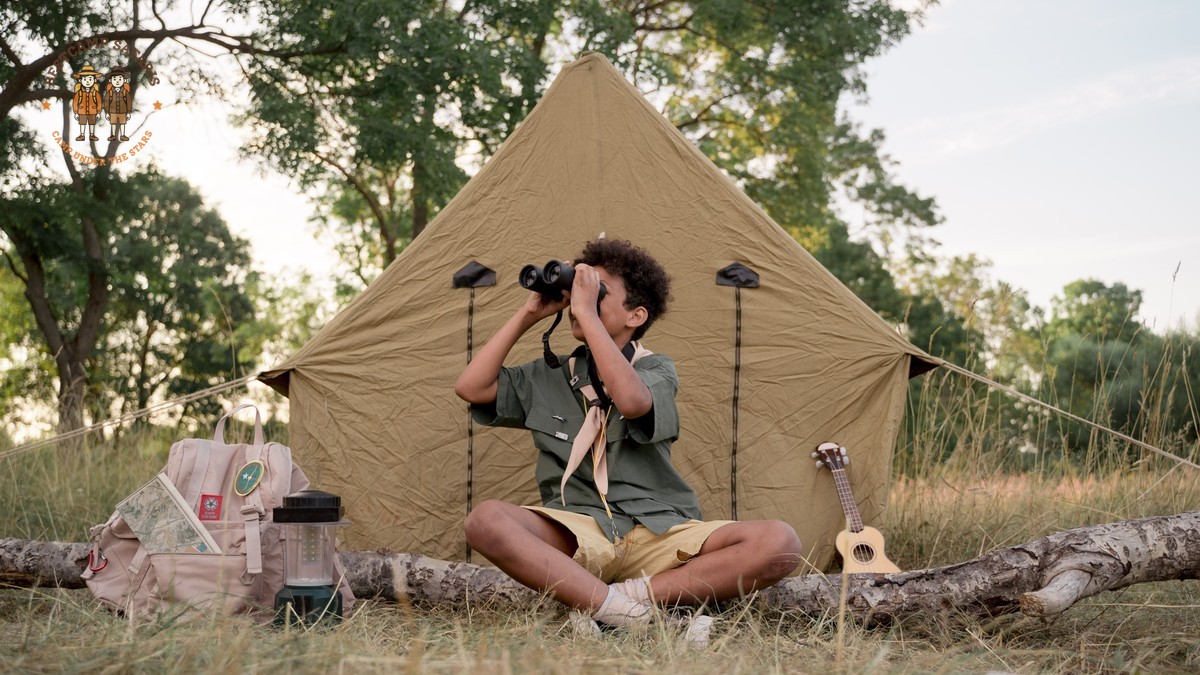
Someone from the crew comes to your tent with a lantern and a tray. Coffee, tea, and a couple of biscuits, drunk sitting on your camp bed while you find your fleece in the dark. There’s no dining bell here, no buffet lights. It’s quiet enough to hear hyenas somewhere past the tree line.
You have about 20 minutes before the vehicles start their engines. That’s enough time to layer up (mornings in the Mara or Samburu can drop to 12°C) and check your camera battery.
6:00am: Morning game drive
Drives usually leave camp between 5:45am and 6:15am, timed to reach the open plains right as the light turns gold. In the Masai Mara, that often means heading toward the Talek River or the Naboisho Conservancy border, depending on where the crew scouted the previous evening. Drives typically cover 25 to 40km and run three to four hours.
This is prime predator time. Lions are still finishing a night’s hunt, leopards are heading back to cover, and the light is soft enough for good photos. If you’re weighing morning versus evening drives, our guide to sunrise vs sunset game drives breaks down what you’re more likely to see at each end of the day.
9:30am: Bush breakfast or return to camp
Some mornings the vehicle stops at a scenic spot, a table gets unfolded, and you eat eggs and sausages under an acacia with a 360-degree view. Other mornings you drive straight back to camp for breakfast at the mess tent. Either way, expect to be eating again by 9:30 or 10am.
Watching a bush breakfast get packed away is its own small ritual. The crew folds the tablecloth, wraps the flask, and has the vehicle loaded within minutes, as if it was never there.
11:00am to 3:00pm: The midday break
This is the quietest part of the day, and it surprises first-time guests. Animals rest in the shade during the heat, so guides rest too. You’ll have three or four hours free. Most guests nap, read in the mess tent, or use the daylight to charge phones and cameras.
Charging is worth planning around. Most mobile camps run a generator for a few hours a day, often mid-morning and again in the evening, rather than 24-hour power like a fixed lodge. Ask your camp manager what the window is on arrival, and charge everything you can during it.
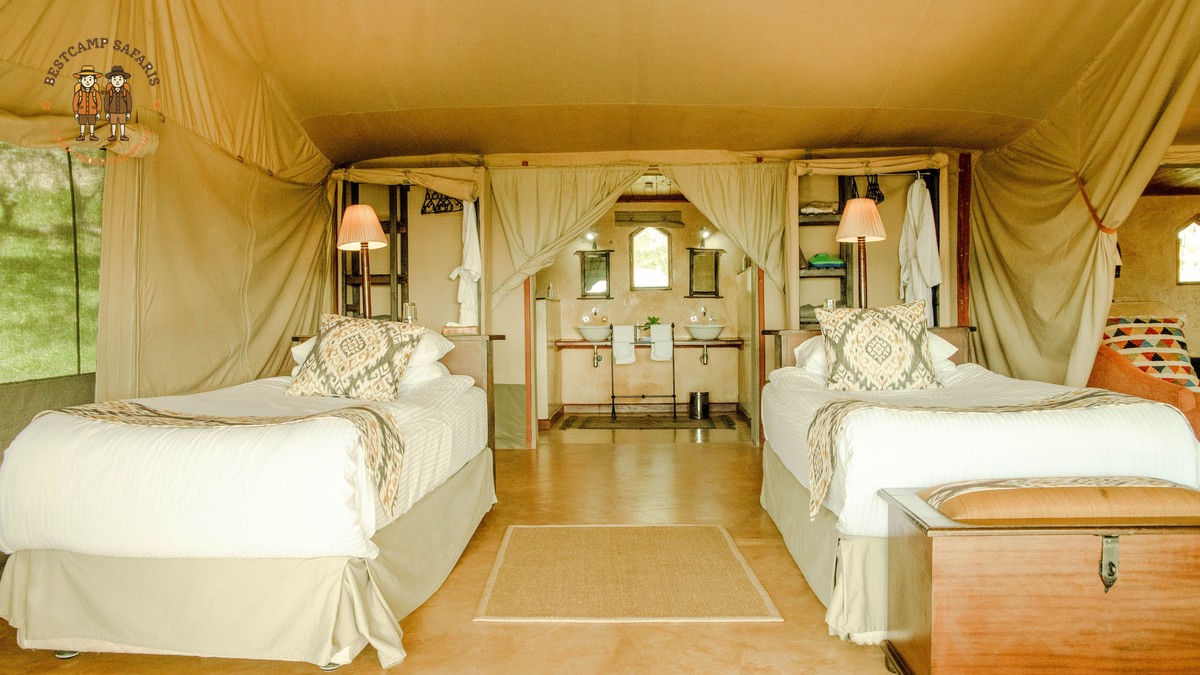
Toilet and shower setups also differ from what a permanent lodge offers. Most mobile camps use a bucket shower filled with hot water on request, and a long-drop toilet in an en-suite canvas cubicle behind your tent. If you’ve never used either, it’s worth reading what to expect from camp toilet facilities before you go, so it doesn’t catch you off guard on night one.
1:00pm: Lunch
A proper sit-down meal, usually three courses, served in the mess tent. Camp cooks working off a two-burner gas setup and a charcoal oven regularly turn out lentil soup, grilled chicken, and even fresh-baked bread. It’s one of the more surprising parts of mobile camping: the food rarely feels like camping food.
3:30pm: Afternoon tea
Tea, coffee, and cake or samosas, served about 30 minutes before the second drive. This is a short pause, more about getting boots back on than lingering.
4:00pm: Afternoon game drive and sundowner
The second drive runs from around 4pm until just after sunset, roughly three hours. Guides use this drive differently than the morning one, often tracking specific sightings reported over the radio rather than covering fresh ground. Somewhere around 6pm, most guides pull over at a spot with a view, set up a folding table with drinks, and let you watch the sun go down over the plains. This is the sundowner, and it’s one of the few fixed rituals every mobile camp keeps.
Night falls fast near the equator, usually by 6:45pm year-round, so the drive back to camp is often in the dark, spotlight sweeping the grass for eyes.
7:30pm: Dinner and boma fire
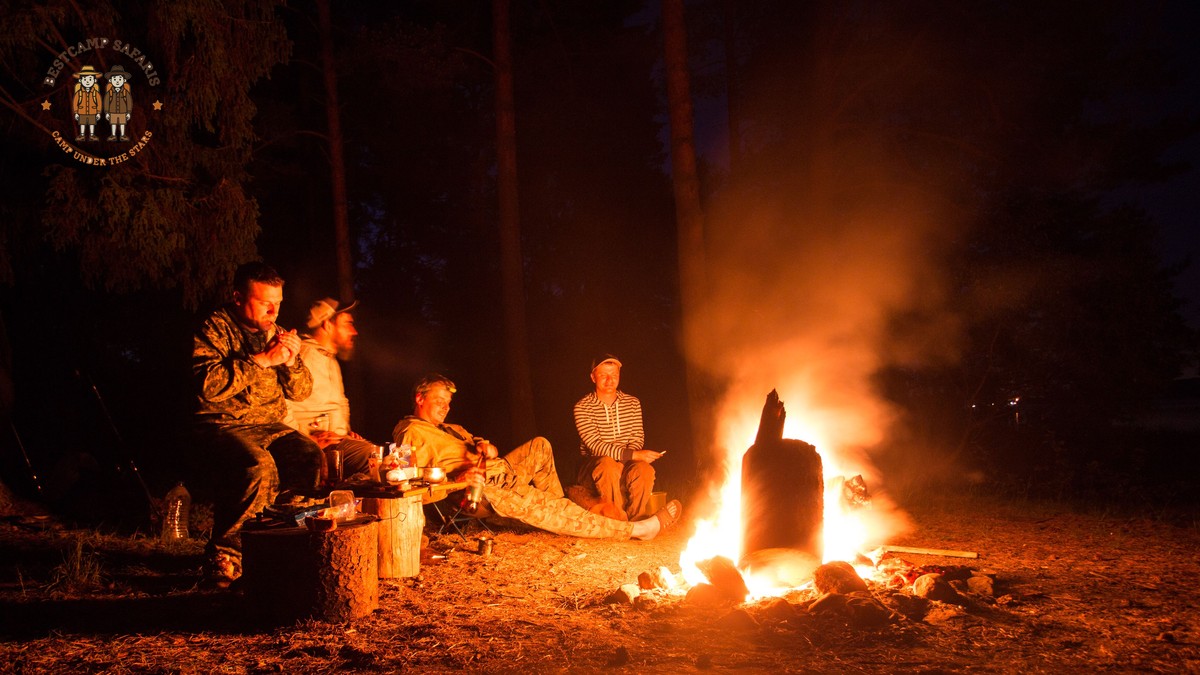
Back at camp, a fire is usually already burning in a circle of chairs, called a boma. Dinner follows around 7:30 or 8pm, then most guests linger by the fire for an hour, swapping stories about what they saw that day. There’s no entertainment beyond the fire and the sound of the bush. That’s generally the point.
9:30pm: Bedtime and camp sounds
A guide or armed ranger walks you back to your tent, since camps are unfenced and animals move through at night. Once you’re zipped in, the sounds start: insects, maybe a hyena whoop, occasionally a lion grunting somewhere across the valley. It’s closer than it sounds, and further than it feels. Camps train their guests never to leave the tent after dark without calling for an escort first.
The moving-camp day
This is the day most articles about safari schedules skip entirely, because fixed lodges never have one. Every two or three days, the entire camp relocates, sometimes 20km away, sometimes over 60km if you’re changing conservancies entirely.
On a moving day, guests don’t hang around to watch. Instead, you head out for an extended game drive, often five or six hours instead of the usual three, while the crew strikes camp behind you. Tents come down, kitchen equipment gets crated, and everything loads onto trucks that drive ahead to the new site. By the time you arrive that evening, camp is standing again, sometimes down to the same layout, with your bags already in your tent.
It’s genuinely impressive to watch a full camp reassemble from nothing in under six hours. Guides often plan the drive route so you pass near the new site late in the afternoon, timed for a sundowner practically on the new camp’s doorstep.
Daily schedule mobile safari camp: how the routine shifts
A few things change the rhythm above. Guests on a private vehicle can start earlier or later depending on what they want to see, while shared vehicles run on a fixed departure time set by the camp. Arrival and departure days are shorter too, often just one drive instead of two, to leave room for the airstrip transfer.
| Circuit | Typical park/reserve fee | Drive time from Nairobi | Camp move frequency |
|---|---|---|---|
| Masai Mara National Reserve | USD 100/adult/day (Jan-Jun), USD 200/adult/day (Jul-Dec) | 5-6 hrs by road, 45 min by air from Wilson Airport | Every 2-3 days within conservancy zones |
| Naboisho Conservancy | USD 80-150/person/night, bundled into camp rate | Adjacent to the Mara, 20-30 min transfer | Every 2-3 days |
| Samburu National Reserve | USD 70-100/adult/day (indicative, confirm at booking) | 5-6 hrs by road, 1 hr by air | Every 3-4 days, following the Ewaso Nyiro |
| Amboseli National Park | USD 90/adult/day | 3-4 hrs by road | Less frequent, camps often stay put longer |
What to pack around this routine
Given the generator windows and bucket showers, pack a headlamp, a portable power bank, and quick-dry clothing. Layers matter more than volume, since mornings sit near 12°C and afternoons can hit 30°C. A soft duffel bag, not a hard suitcase, makes the daily loading and unloading far easier on the crew.
The BestCamp Safaris Difference
We’ve run mobile camps in the Mara and Samburu long enough to know the schedule above isn’t theory, it’s what actually happens on our trips. Our guides plan moving days around real sightings, not just logistics, so the long drive on a relocation day still delivers real game viewing. We also brief every guest honestly about generator hours, shower timing, and what a long-drop toilet involves, before you’re standing in the dark trying to figure it out. A trip like our Samburu fly camp safari is built specifically around this rhythm, wake, drive, rest, drive, fire, sleep, move, repeat, rather than bolted onto a fixed-lodge itinerary.
Plan your days with us
If this rhythm sounds like the kind of safari you want, we’d like to help you plan it properly, right down to which nights fall on a moving day. Get in touch through our contact page and we’ll build a schedule around the parks and conservancies that fit your trip.


