
 Adventure Tours
You have already done the Masai Mara from a permanent lodge. You watched the wildebeest crossings from a deck with a plunge pool, and it was wonderful. Now you want something closer to the ground. Fly camping puts you there, literally a few feet from where the animals walk at night, with canvas walls instead of stone.
The question is where. Kenya vs Botswana fly camping comes down to two very different styles, and both countries do it well. This post skips the broad country comparisons you have already read and gets into the part that actually decides your trip: what a night in a fly camp costs, what it takes to get there, and what you will feel like at 5am before the first game drive.
What Fly Camping Actually Means
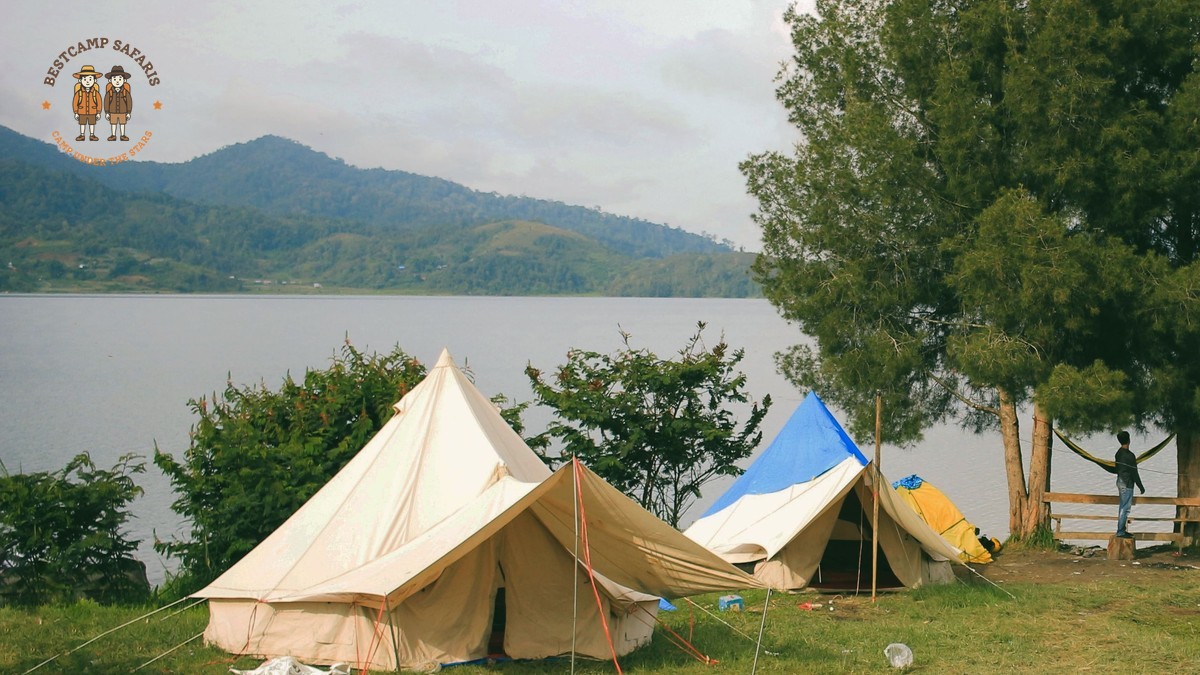
Fly camping is a small, temporary camp set up for one or two nights, usually two to four tents, a bucket shower, and a long-drop toilet dug for the occasion. Staff carry it in, set it up before you arrive, and pack it out after you leave. There is no generator hum, no wifi, and often no walls beyond canvas and a zip.
A mobile tented camp is different. It moves with the seasons, follows the wildlife migration or the dry-season water, but it stays up for weeks or months at a time and has proper plumbing, a mess tent, and sometimes a bar. Fly camping is smaller, rougher, and shorter. If a mobile camp is a small hotel that relocates, a fly camp is closer to a well-organized overnight hike with a chef.
Both are considered safe. Camps post an armed or unarmed guide at the fire through the night, tents are pitched behind a natural barrier where possible, and you are walked to your tent by lamplight rather than left to wander. Guides brief you on what to do if you hear something outside canvas at 2am, which mostly means staying still and calling out.
Kenya: Samburu, Laikipia, Meru, and Chyulu Hills
Kenya’s fly camping scene sits north of the Mara, in country most first-time visitors never see. Samburu National Reserve and the surrounding conservancies (Sera, Namunyak, Westgate) run fly-camp nights as an add-on to a base camp stay, often two nights out and back. Elephant Bedroom Camp and Sasaab both offer this, walking in with Samburu guides who track by footprint rather than radio. Our own Samburu fly camp safari follows this pattern, using a base lodge with fly-camp nights layered in.
Laikipia, west of Samburu, works similarly. Camps like Ol Malo build walking routes with camel support to carry water and gear, so you are not hauling your own pack. Meru National Park, less visited than the Mara, has open plains and fewer vehicles, and some operators run fly-camp excursions from lodges like Elsa’s Kopje. Chyulu Hills, between Amboseli and Tsavo, is volcanic and green, and pairs well with a fly camp night after time at ol Donyo Lodge or Campi ya Kanzi.
Prices vary by operator and season, but expect roughly USD 450 to 750 per person per night as an indicative range for a Kenya fly-camp add-on, often bundled with the base camp rate rather than billed separately. Chyulu Hills National Park itself charges USD 40 per adult per day in park fees, one of the lower rates in the country. Samburu and Laikipia conservancy fees run roughly USD 80 to 150 per person per night, usually folded into the camp rate.
Botswana: Okavango Delta and the Linyanti
Botswana fly camping means the Okavango Delta, the Linyanti, or the private concessions around Selinda and Khwai. Operators like Wilderness, Kwando, and Ker & Downey run guided mobile safaris where fly camping is often the whole trip, not an add-on to a fixed lodge.
The difference is scale. A Botswana fly camp might move every two or three nights, following elephant herds or a channel that only has water for part of the year. Mokoro canoe trips through the delta’s channels are the signature activity here, paddled by a poler standing at the stern, silent except for water against the hull.
Expect roughly USD 900 to 1,600 per person per night as an indicative range for a full Botswana mobile fly-camping safari, all-inclusive of activities, food, and most concession fees. It costs more because almost everything, including you, arrives by light aircraft.
Kenya vs Botswana Fly Camping: Cost and Logistics Side by Side
| Factor | Kenya (Samburu / Laikipia / Chyulu Hills) | Botswana (Okavango / Linyanti) |
|---|---|---|
| Access from hub | Road: 300-340 km, about 5-6 hours from Nairobi to Samburu; flights optional | Fly-in only: 30-45 minute light aircraft charter from Maun |
| Indicative fly-camp rate | USD 450-750 per person/night | USD 900-1,600 per person/night |
| Light aircraft luggage limit | 15 kg soft-sided bag when flying | 20 kg soft-sided bag, strictly enforced, camera gear included |
| Park or conservancy fees | Chyulu Hills National Park: USD 40/adult/day; Samburu-area conservancies: indicative USD 80-150/night, bundled | Moremi and private concessions: indicative USD 60-100/day, bundled into camp rate |
| Signature activity | Walking safaris, camel-supported treks | Mokoro poling through delta channels |
| Best season | June-October and January-February (dry, cooler nights) | May-October (dry season; delta floods peak June-August) |
The luggage limit matters more than it sounds. Both countries fly you in soft-sided bags only, no wheeled suitcases, because rigid cases do not fit the hold of a Cessna Caravan. Pack for a week in a bag that would embarrass an airline check-in counter back home.
What the Ground Actually Feels Like
A fly camp morning starts before the sun. Someone unzips your tent flap and hands in a tray, coffee, a rusk, maybe a slice of mango. You dress in the dark because headlamps disturb the birds settling into the day. By the time you walk to the fire, the camp crew is already folding the bush breakfast setup they will carry to wherever the day’s drive ends.
Showers are bucket showers, water heated over a fire and hoisted on a pulley. You get maybe eight minutes before it runs cold, so you learn to move fast. The long-drop toilet has a proper seat and a view through the canvas screen, which sounds worse than it is. At night, camp staff walk you back to your tent with a lamp, and you fall asleep to whatever is calling outside, usually nothing dangerous, occasionally a hyena close enough to hear it breathe.
This is the part the ranking listicles skip. It is also the part that makes fly camping worth doing twice.
Which One Fits Your Next Trip
If you have already seen the Mara and want to go deeper into Kenya without a huge jump in budget, Samburu and Laikipia are the natural next step. They are road-accessible, cheaper per night, and easy to bolt onto an existing itinerary. If you want to understand why Kenya safaris cost what they do before you commit, our real cost breakdown of a Kenya safari walks through where the money goes.
If your budget stretches further and you want total wilderness immersion, with fewer other vehicles and a landscape that changes by the week as water moves through the delta, Botswana delivers that in a way Kenya’s drier north cannot fully match. It costs more because you are paying for exclusivity and light aircraft access, not just the tent.
For a wider view of where repeat visitors go after their first Kenya trip, see our guide to where repeat visitors go after the Masai Mara.
The BestCamp Safaris Difference
We have set up fly camps in Samburu at 4pm with a storm coming, and we have poled a mokoro through the Okavango at dawn with mist still on the water. We plan both, but we are honest about which one fits your budget, your fitness level, and the number of days you actually have off work.
We do not pad itineraries with filler nights at a lodge just to hit a price point. If a Samburu fly camp gets you what you want in five days instead of ten, we will say so. If Botswana is worth the extra cost for your specific interests, we will explain exactly why, camp by camp, with real prices, not a vague premium tag.
Plan Your Next Fly Camp
Ready to trade the lodge deck for canvas and a campfire? Explore our Samburu fly camp safari or get in touch through our contact page to talk through Kenya, Botswana, or a combination of both.


