
 Wildlife Tours
I have woken up in a mobile tented camp in the Mara North Conservancy to rain drumming on canvas so hard I thought the tent might lift off the ground. Twenty minutes later it stopped. By the time I walked to the mess tent for coffee, the sky was pink and a hyena was calling somewhere past the tree line. That is rain on safari. Loud, short, and gone before your coffee cools.
If you are planning your first trip and wondering what happens if it rains safari style in Kenya, here is the honest version. Rain rarely ruins a safari. It changes the shape of your day a little, and in some ways it makes the whole trip better.
What Happens If It Rains Safari: Does It Cancel or Shorten a Game Drive?
No. Guides do not cancel drives for rain alone. Kenyan safari vehicles are built for this, with high clearance and, in most mobile camps, open sides or roll-up canvas panels you can drop when it pours.
What actually shortens a drive is mud, not water falling from the sky. If a track turns to black cotton soil and starts to grip your tires, your guide will reroute rather than risk getting stuck. That might mean a shorter loop, or a different route back to camp. It is a logistics decision, not a safety cancellation.
Heavy afternoon storms, common in the November short rains, sometimes push camps to start drives a little earlier or wrap up before the worst of the downpour. Your guide radios ahead to other vehicles and camp staff, so if plans shift, you will know before you feel the first drops.
How Rain Changes Wildlife Behavior and Sightings
Animals do not hide from rain the way people expect. Elephants keep browsing. Lions often lie out in it, unbothered, then shake off and hunt at dusk once it clears. What changes is water availability. When seasonal pans and rivers fill up after rain, herds spread out across the landscape instead of clustering at the few permanent water sources you see in the dry months.
That means sightings take a bit more searching in places like Amboseli National Park, where dry season crowds gather tightly around the swamps. In the rains, elephants scatter across a wider area, so your guide has to know the terrain and read fresh tracks.
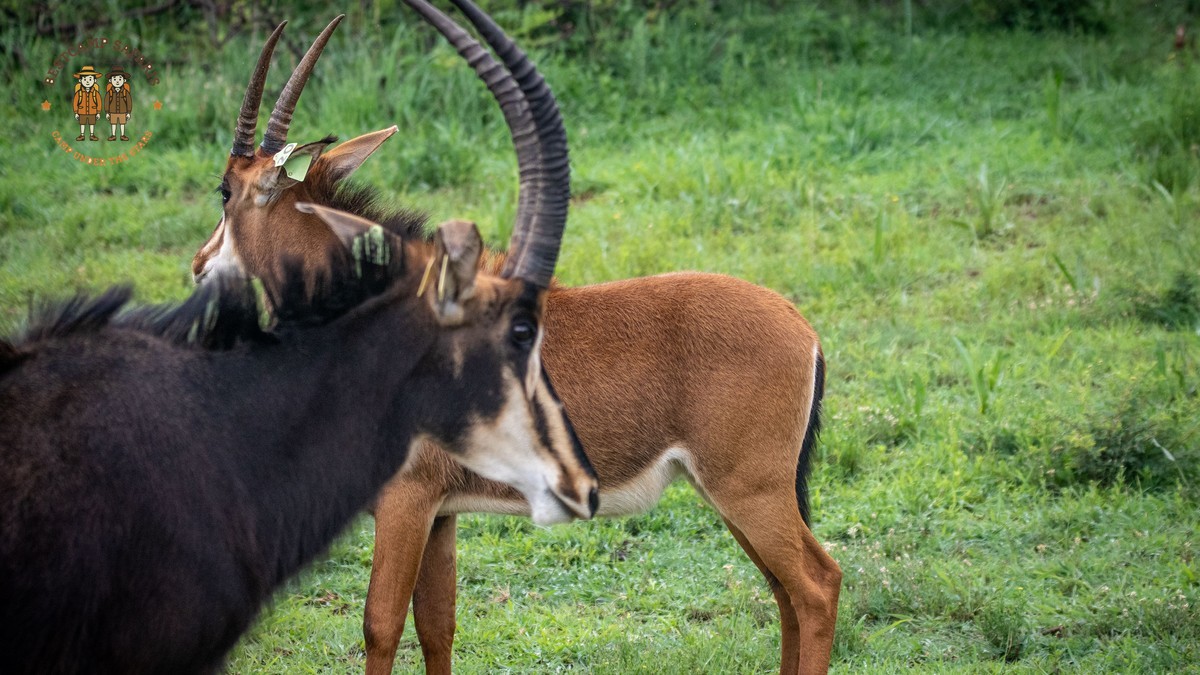
The upside is newborns. Zebra and impala calving lines up with the rains in many areas, so you see wobbly-legged babies days old, and the predators that follow them. Birdlife explodes too. Migratory species arrive, and the grass turns from dust-brown to a green that most photos of Kenya never show you.
Photography Benefits of Rain
Dry season safari photos tend to share one problem: a flat, dusty haze in the light by midmorning. Rain clears that dust out of the air completely. What is left is sharper light and skies that actually do something, with dark storm clouds stacked behind golden grass and a lit-up herd in front.
Early and late light gets even better after a storm passes, because the air is washed clean and colors read truer through your lens. If you are chasing that classic Mara shot with a rainbow arcing behind a giraffe, the rainy season is genuinely your best shot at it, not the dry months most first-timers assume are ideal.
What to Pack for a Rainy Safari
Layers matter more than any single rain jacket. Mornings in a mobile camp start cold, often 12 to 15 degrees Celsius at 5:30am, warm to the high 20s by noon, then cool again fast once a storm rolls in. Pack for all three in one day.
A few essentials worth the space in your bag:
- A packable rain shell, not a heavy waterproof coat you will never wear at midday
- A dry bag or two for camera gear, since most camps do not stock spares
- Quick-dry trousers and shirts, because cotton stays wet for hours in humid air
- Closed shoes with grip, not sandals, for walking camp paths after rain
- A change of clothes kept separate in a waterproof liner, in case your duffel gets rained on during transfers
Some camps keep a stack of ponchos at the vehicle for guests who forget theirs, but do not count on it everywhere, especially at smaller mobile camps that pack light. Since space in a safari vehicle and on light aircraft is limited, it is worth thinking about packing the right bag for wet-weather gear before you leave home.
Muddy Roads: Which Parks and Conservancies Handle Rain Best
Not every part of Kenya reacts to rain the same way. Some ground drains in an hour. Some turns to a black cotton soup that swallows tires for a day. Knowing the difference matters more than any packing list.
| Park or Conservancy | Approx. Distance from Nairobi | Road Surface | Rain Resilience | Non-Resident Fee |
|---|---|---|---|---|
| Masai Mara National Reserve | 270 km road / 45 min flight | Black cotton soil, ungraded tracks | Frequently muddy, some routes close after heavy rain | $100/day (Jan-Jun), $200/day (Jul-Dec) |
| Mara North Conservancy | 275 km road / 45 min flight | Gravel, privately graded roads | Drains fast, rarely fully closes | roughly $80-150/night, bundled into lodge rate |
| Naboisho Conservancy | 280 km road / 50 min flight | Gravel, privately graded roads | Drains fast, rarely fully closes | roughly $80-150/night, bundled into lodge rate |
| Amboseli National Park | 240 km / about 4 hours drive | Volcanic dust and sand | Firm base, usually stays passable | $90/day |
| Tsavo East National Park | 330 km / about 5 hours drive | Murram with some black cotton patches | Mostly passable, a few sections close after storms | $80/day |
| Samburu National Reserve | 325 km / about 6 hours drive | Sandy riverine terrain | Generally passable, river crossings can close briefly | indicative range, roughly $70-100/day |
The pattern holds across the country. Private conservancies like Mara North and Naboisho invest in their own road maintenance and cap vehicle numbers, so mud does not build up the way it can on the more heavily used tracks inside the main Masai Mara reserve. If a mud-free game drive matters more to you than saving on conservancy fees, that trade-off is worth discussing with your operator before you book.
Rainy Season Timing, Month by Month
Kenya has two rainy stretches. The long rains run roughly March through May, with April usually the wettest month. The short rains fall October through December, with November typically the heaviest.
Rain in either season rarely means all-day downpours. Expect a storm that builds through the afternoon, breaks hard for an hour or two, then clears to a clean evening sky. Mornings are commonly dry enough for a full game drive before any rain starts.
The trade-off for the long rains especially is real value. Camps that charge $600 or more a night in the July to October peak season often drop 30 to 40 percent for April and May stays, and you will likely spend those weeks in Amboseli or a Mara conservancy with far fewer vehicles at each sighting. If cost is a factor in your planning, it is worth reading more on lower rainy-season safari rates before you lock in dates.
Camp Life When It Rains
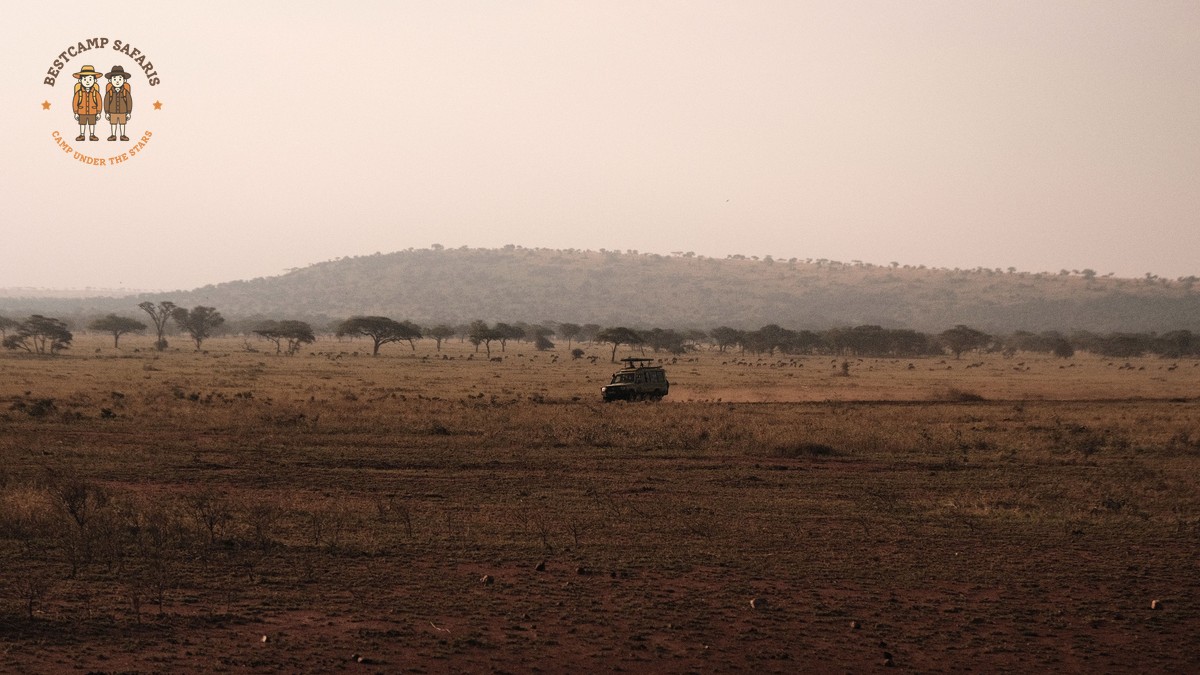
This is the part first-timers do not picture. A mobile tented camp is not a permanent lodge with a generator running a heated pool. It is canvas, guy ropes, and a team who knows how to keep you dry and warm anyway.
Staff move fast when a storm builds. Camp chairs and rugs come in from under the mess tent awning. Your bush breakfast, if you have one planned, gets packed up and moved to shelter rather than cancelled outright. At night, walking back to your tent by lamplight after dinner, with a camp attendant escorting you past where the staff have already checked for wildlife near the paths, the rain sounds different against canvas than it does against a hotel roof. Closer. More real.
Hot water bottles show up in your bed most nights during the cooler rainy months, tucked under the blankets before turnout. Some permanent camps close their pools during the coldest rain spells, but hot showers and thick towels are standard everywhere BestCamp Safaris works. Drives may start thirty minutes later some mornings to let the worst of an overnight downpour clear off the tracks, a call your guide makes based on conditions, not a fixed rule. For timing your game drive around the rain, your guide is really your best resource, since conditions shift day to day.
The BestCamp Safaris Difference
We plan every rainy season itinerary around roads we know, not just parks we like. Our guides drive these tracks year round, so they know which conservancy routes stay open after a storm and which reserve sections turn to mud by 3pm.
We also build in slack. Rainy season itineraries include buffer time between activities and transfers, because we would rather you wait an extra thirty minutes for a track to firm up than get stuck an hour from camp. And we tell you the real trade-offs before you book, not after, including which camps handle mud well and which charge less because they do not.
Ready to Plan Your Rainy Season Safari?
Rain is not a reason to skip Kenya. For a lot of travelers, it is the reason to go. Greener landscapes, newborn animals, dramatic skies, and lower rates all show up in the same few months. If you want help matching the right park and camp to your dates and budget, get in touch through our contact page and we will build the itinerary around what the weather is actually doing this season, not a guess.


