 Adventure Tours
I once spent forty minutes on my knees in the dust at Naboisho Conservancy, waiting for an antlion to finish rebuilding its sand trap. My guide crouched next to me, completely unbothered, while a line of wildebeest crossed the plain behind us without a second glance from either of us. That is the small five safari animals Kenya version of a good morning.
Everyone comes here chasing lion, leopard, elephant, buffalo, and rhino. Fair enough, they earned the name Big Five for a reason. But there is a second checklist, smaller in every sense, that rewards patience over horsepower. It is called the Small Five, and once you start looking for it, you cannot stop.
What Is the Small Five
The name is a deliberate joke on the Big Five. Each small species shares a name, or something close to it, with one of the famous five: elephant shrew, antlion, rhinoceros beetle, buffalo weaver, and leopard tortoise. South African safari lodges coined the term in the 1990s to give visitors something to hunt for between big-game sightings. Kenyan camps picked it up because the species overlap almost completely.
None of these five animals are dangerous. None require a rifle-carrying ranger. What they require is a slow vehicle, a sharp eye, or better, two feet on the ground and a guide who knows where to look.
Elephant Shrew (Sengi)
The elephant shrew, or sengi, is a small mammal with a long flexible nose that twitches like a tiny trunk. Most weigh under 700 grams, roughly the weight of a can of soda and a half. They dart through leaf litter at speeds that make them almost impossible to photograph without a fast shutter, at least 1/1000th of a second if you want the legs sharp.
You will not spot one from a moving vehicle. Sengis favor thick undergrowth in places like the acacia woodland fringing Amboseli National Park and the lugga beds around Meru National Park. A slow walk with a guide who stops every few meters gives you a real chance.
Antlion
The antlion is not an animal most people would call charismatic, until they watch one work. The adult looks like a fragile dragonfly. The larva is the real performer, digging a perfect funnel-shaped pit in loose sand to trap ants and small insects sliding down the sides.
Look for the pits themselves first, clusters of small cones in dry, sheltered sand under trees or overhangs. Naboisho Conservancy and the drier corners of Amboseli both have good populations. Once you find a pit, drop a single ant in and watch the trap spring. It takes seconds and it is oddly gripping.
Rhinoceros Beetle
Named for the horn on the male’s head, the rhinoceros beetle is one of the strongest animals on earth relative to its size, capable of lifting objects many times its own body weight. They are nocturnal and most active after rain, drawn to fallen fruit and decaying wood.
Night walks around fixed camps in conservancies bordering the Masai Mara sometimes turn one up under a torch beam. They are also drawn to camp lighting, so a beetle wandering across the mess tent floor after dinner is not unusual during the wet months of November and April.
Buffalo Weaver
The buffalo weaver is the easiest of the five to see and, honestly, the one most visitors overlook because it looks like an ordinary dark bird at a distance. Look closer and you will notice the red bill and the untidy stick nests, often built in loose colonies of a dozen or more in a single acacia.
They are common across Amboseli, the Mara ecosystem, and Tsavo. If you are on a bird-focused morning, this is the one small five species you can tick off without slowing the vehicle down.
Leopard Tortoise
Africa’s fourth largest tortoise species, the leopard tortoise can reach 40 centimeters in shell length and live well past 50 years. Its shell pattern, dark blotches on a yellow-brown background, gives it the name.
They move slowly enough that a photographer can compose a shot properly instead of firing off a burst and hoping. Look for them crossing open grassland in the cooler morning hours in Amboseli and the Mara conservancies, before the ground heats up and they retreat into shade.
Small Five Safari Animals Kenya: Where to Find Them
No single park guarantees all five in one visit. Location and timing both matter, and so does your mode of transport once you arrive.
| Park or Conservancy | Distance/Drive from Nairobi | Non-Resident Entrance Fee | Best Small Five Species |
|---|---|---|---|
| Amboseli National Park | ~240 km, 4-5 hrs by road or 45 min flight | USD 90/adult/day | Elephant shrew, buffalo weaver, leopard tortoise |
| Masai Mara National Reserve | ~270 km, 5-6 hrs by road or 45 min flight | USD 100/adult/day (Jan-Jun), USD 200/adult/day (Jul-Dec) | Antlion, buffalo weaver |
| Meru National Park | ~350 km, 5-6 hrs by road | Indicative range, roughly USD 65-75/adult/day, confirm current KWS schedule before booking | Elephant shrew, rhinoceros beetle |
| Naboisho / Mara North Conservancy | Adjacent to the Mara, bundled into camp stay | Roughly USD 80-150/person/night, bundled into lodge rates | Antlion, rhinoceros beetle (night walks) |
Fees for Masai Mara are set by Narok County Government, not Kenya Wildlife Service, and rise sharply during the July to December migration season. Build that into your budget if the Small Five hunt is part of a longer Mara stay.
Small Five vs Big Five vs Special Five vs Big Seven
Kenya’s wildlife checklists have multiplied over the years, and it helps to know which is which before a guide starts rattling off names.
- Big Five: lion, leopard, elephant, buffalo, rhino. Originally a hunting term for the five most dangerous animals to track on foot.
- Small Five: elephant shrew, antlion, rhinoceros beetle, buffalo weaver, leopard tortoise. A playful counterpart, no danger involved.
- Special Five: a Samburu-specific list of species found mainly in Kenya’s arid north, including Grevy’s zebra, reticulated giraffe, Somali ostrich, gerenuk, and Beisa oryx.
- Big Seven: the Big Five plus ostrich and cheetah, a term some southern African lodges use to round out their marketing.
None of these lists compete with each other. They just give you more reasons to keep your camera ready between sightings.
How to Actually Spot Them
A standard game drive, moving at a steady clip along main tracks, will hand you the Big Five with reasonable odds over a three or four day stay. It will almost never hand you an antlion pit or a foraging elephant shrew. Those require stopping the vehicle, getting out where it is permitted, and moving at walking pace.
This is where camp choice matters more than most itineraries admit. Camps positioned inside conservancies like Naboisho allow off-road driving and guided walks, unlike the main Masai Mara National Reserve where walking is restricted. If the Small Five checklist matters to you, ask about walking safari trails built for close-to-ground sightings before you book, not after you arrive.
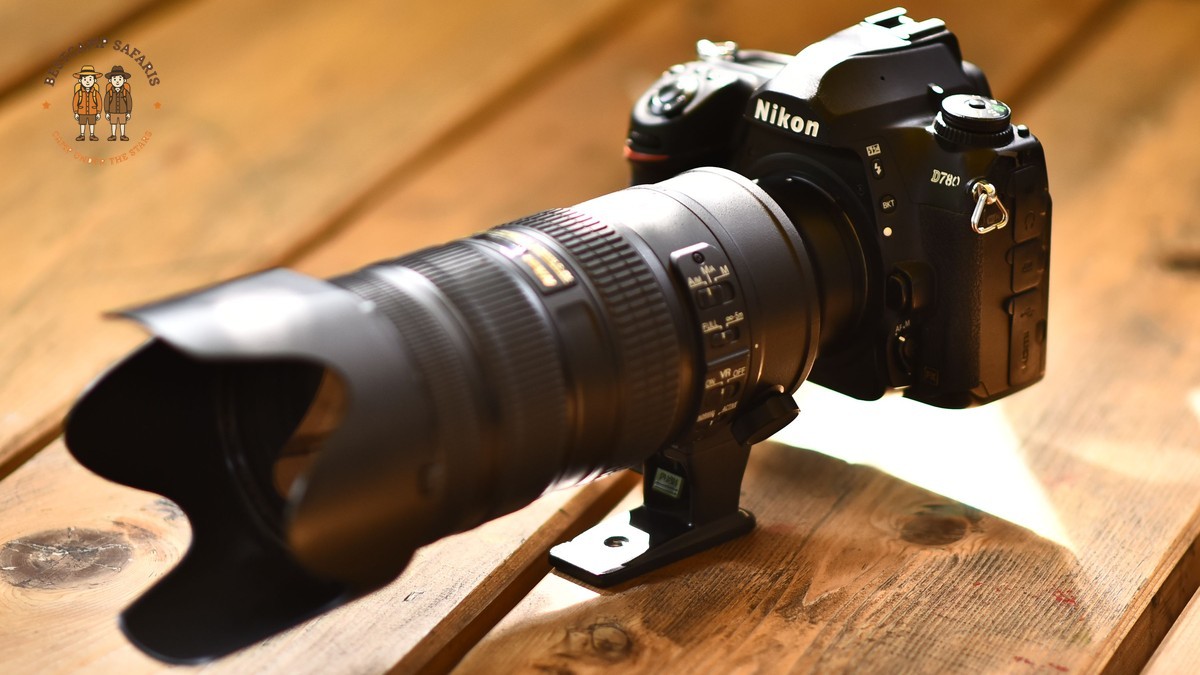
Gear matters too. Binoculars help for buffalo weaver nests and distant tortoises, but they do nothing for an antlion pit at your feet. A macro-capable lens or a zoom with close focus changes what you can actually bring home. If your camera bag needs an upgrade, it is worth reading about the right lens for photographing something the size of an antlion before your next trip.
Be honest with yourself about time. A first-time visitor with three days and one goal, seeing a leopard or a rhino, should not spend a full morning hunting antlion pits. Save the Small Five hunt for a second or third visit, or build it into a longer itinerary where the Big Five are already close to guaranteed.
Why the Small Five Matter
These five species are not filler between famous sightings. Elephant shrews and antlions sit low on the food chain and support the birds and reptiles above them. Buffalo weavers build nesting structures that other bird species reuse. Leopard tortoises graze slowly enough to shape which plants dominate a patch of grassland over decades.
A guide who can find these animals is a guide who understands the ecosystem at every scale, not just the headline predators. That is worth paying attention to, even on a first safari.
The BestCamp Safaris Difference
We brief our guides on Small Five sightings the same way we brief them on leopard territories, because we think both matter to a good trip. Our camps in Naboisho and Mara North conservancies sit in areas where walking safaris and off-road tracking are actually permitted, not just advertised.
We also pair parks deliberately. If elephant shrews and rhinoceros beetles interest you as much as lion prides, our Amboseli-Tsavo route that also covers Small Five territory gives you both landscapes without wasting driving days. Every itinerary we build accounts for how much time a real Small Five hunt takes, so you are not guessing at it alone.
Plan Your Small Five Safari
If the small five safari animals Kenya offers sound like the kind of detail you want on your next trip, we would like to help you build it properly. Get in touch through our contact page and tell us how much time you have, and we will shape an itinerary around the sightings that matter most to you.


