
 Wildlife Tours
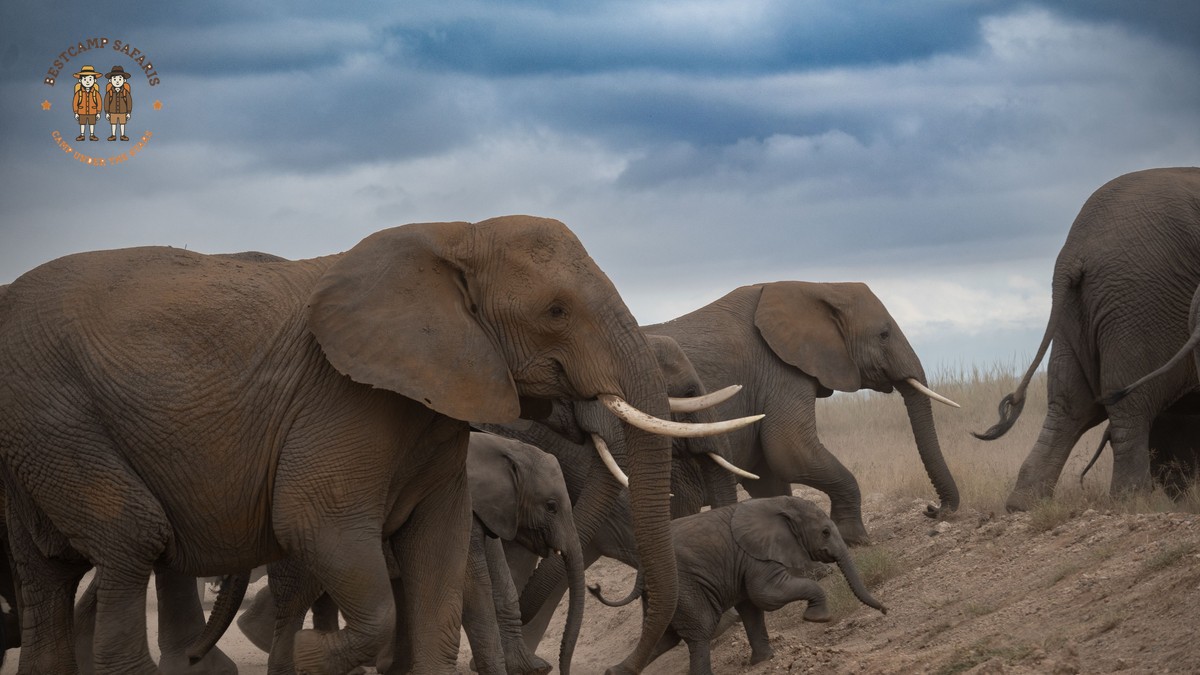
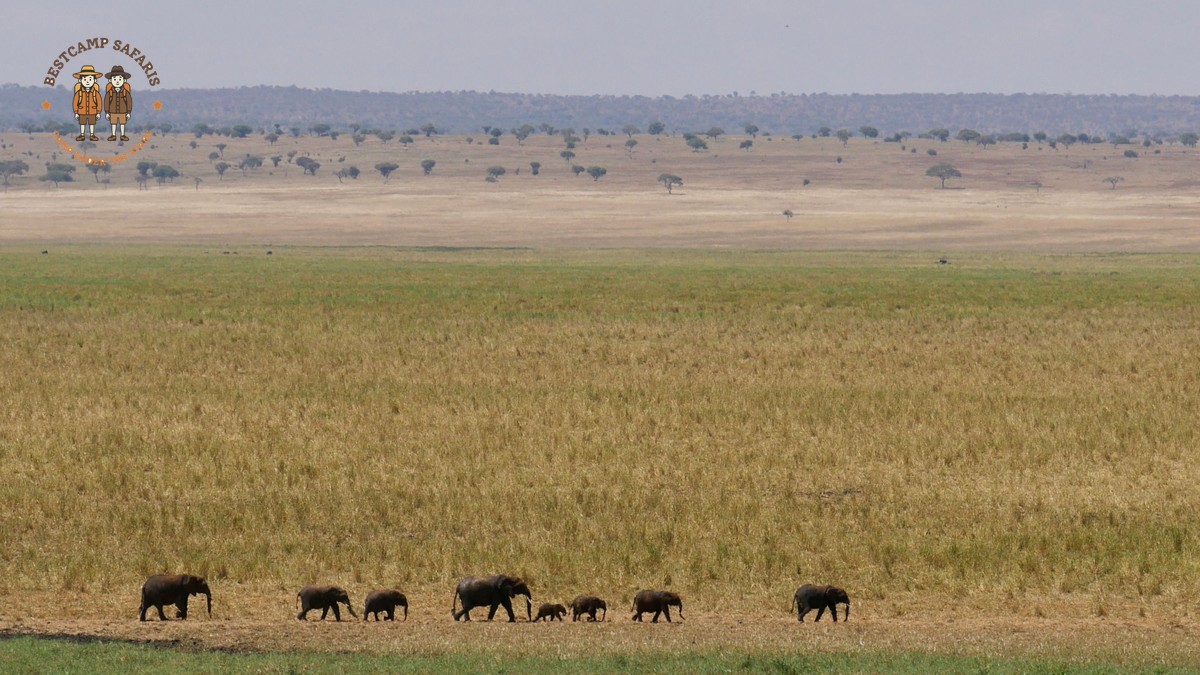
I woke at 4:45am in a mobile camp near Kitirua, canvas walls damp with dew, and heard them before I saw them. A low rumble, almost under the ground. That’s infrasound, and it’s how a matriarch keeps her family together in the dark. By the time we packed the flasks and walked to the vehicle, twenty elephants were crossing the swamp edge in a loose line, oldest female first. That’s elephant matriarch herd structure in Amboseli, working exactly as it should.
This post breaks down how these families actually organize themselves, what four decades of research in Amboseli have taught us about their matriarchs, and where a mobile camp can realistically put you in front of one at first light.
Elephant Matriarch Herd Structure in Amboseli: What Makes a Family
An elephant family here usually runs 8 to 15 animals. Related females, their calves, and a few young males not yet pushed out. The matriarch leads it. She’s typically the oldest female, often over 45, and she’s the one who decides when the group moves, where it drinks, and when it runs.
Amboseli’s swamps make this easy to watch. Unlike thick bush country, the open plains around Observation Hill let you follow a full family for hours without losing them in cover. That’s part of why researchers picked this park for the world’s longest-running elephant study.
The Matriarch’s Job: Memory, Leadership, and Decisions
A matriarch’s real value isn’t size or temper. It’s memory. She remembers where water held during the last serious drought, sometimes a drought that happened before most of her family was born. She remembers which families are safe to bunch up with and which to avoid. Research out of Amboseli found that families led by older, more experienced matriarchs had noticeably better calf survival during the severe droughts of 2009 and again in 2017.
She also reads danger. When lions approach, she’s the one who decides whether to bunch the calves in the center or charge. Watching that decision happen in real time, ears out, trunk up, testing the wind, is one of the more genuinely tense things you’ll see on a game drive.
How a Matriarch Earns Her Place
Nobody elects her. There’s no fight for the role either, not usually. Age and experience decide it. When an older matriarch dies, leadership generally passes to her eldest surviving daughter, assuming she’s mature enough to carry it. Younger elephants defer to her because she’s proven, over years, that she knows how to keep the family alive.
This is different from male hierarchy, which is settled more by size, strength, and musth condition. If you want to see how a completely different species organizes rank and territory, how lion prides organize their own territory and hierarchy makes a useful comparison on a Mara leg of the same trip.
Bond Groups and the Fission-Fusion Life
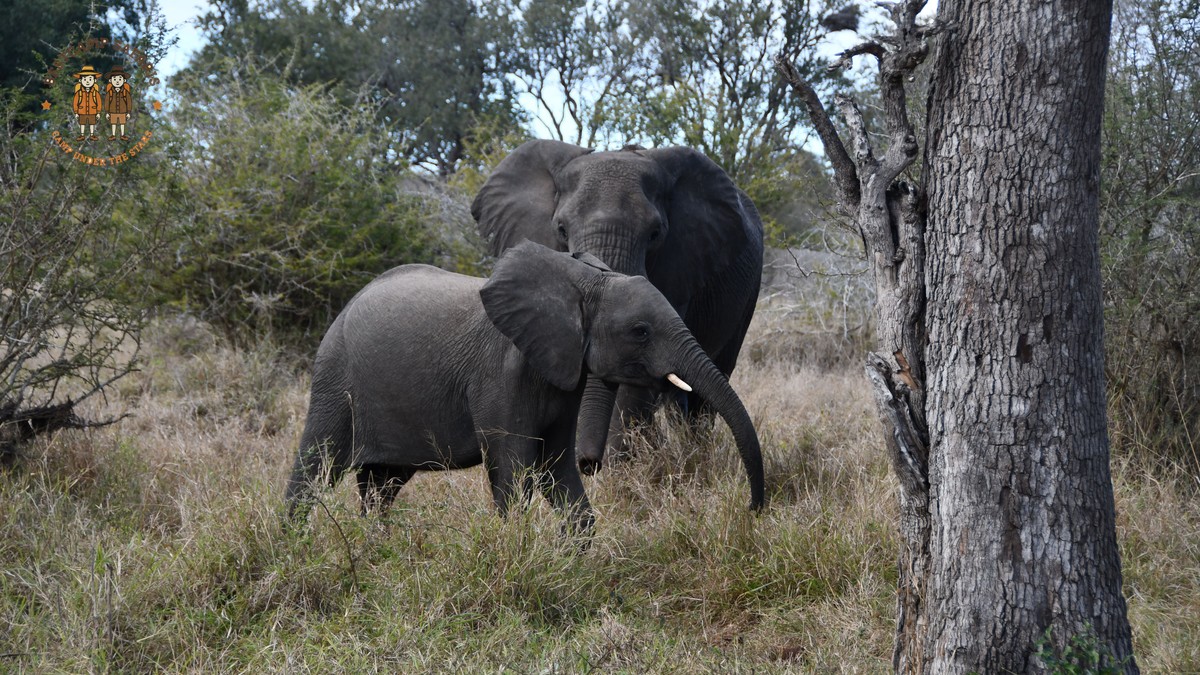
Families don’t stay isolated. Amboseli’s elephants live in what researchers call a fission-fusion society. Related families form bond groups, and bond groups sometimes merge into clans of 50 or more during the wet season when food is plentiful. Then they split apart again in dry months when the swamps can’t support that many mouths.
This matters for trip planning. A camp near the park-core swamps, Enkongo Narok or Longinye, tends to see bigger aggregations in the wet season, roughly November through May. A camp on the Kimana or Kitirua conservancy fringe usually sees smaller, quieter family units year-round, since those areas hold resident herds that don’t chase the same seasonal grass.
Where the Males Go
Young males leave the family between age 12 and 15. It isn’t dramatic. The matriarch doesn’t drive them out so much as they simply drift, testing independence, until they stop coming back. Adult bulls then live alone or in loose bachelor groups, rejoining female families only to mate.
This is also why a lone big bull sighting near Kimana feels different from a family sighting. He’s not lost. He’s just living the normal second half of a male elephant’s life.
How Elephants Talk and Grieve
Matriarchs coordinate their families with a mix of rumbles, some too low for human ears, trunk touches, and body posture. Amboseli’s researchers have documented elephants standing over the bones of dead family members, touching the skull and tusks with their trunks, sometimes for several minutes. Whether that’s grief in the way we’d define it is still debated. What isn’t debated is that it’s deliberate behavior, repeated across families and years.
The Amboseli Elephant Research Project and Echo’s Family
The Amboseli Elephant Research Project has tracked individual elephants here since 1972, making it the longest continuous study of a wild elephant population anywhere. Every elephant in the core study population has a name, a known birth date where possible, and a documented family tree.
The most famous matriarch to come out of that work is Echo, followed from the 1970s until her death in 2009 at around 60 years old. Her family, the EBs, is still tracked today, led by her descendants. Guides in Amboseli can often tell you which family you’re looking at just from ear shape and tusk pattern, a skill built directly on this research.
When a Matriarch Dies
Losing a matriarch is hard on a family, especially if she dies young or the next female in line isn’t ready. Studies from Amboseli show families led by inexperienced matriarchs are slower to respond to lion alarm calls and more likely to lose calves in bad years. Poaching that removes older, larger-tusked females does more damage to a family’s long-term survival than losing a younger animal would.
Where to Position a Camp for Matriarch Sightings
Here’s the honest trade-off. Park-core swamps give you reliable, famous, well-documented families, but you’ll share the sighting with other vehicles. Conservancy fringes give you space and better light angles, but sightings are less predictable.
| Location | Distance from Amboseli Gate | Typical Drive Time | Entry Fee (2026) | Family Sighting Odds | Crowd Level |
|---|---|---|---|---|---|
| Park core (Observation Hill / Enkongo Narok swamps) | 0-8 km | 10-25 min | USD 90/adult/day (KWS, non-resident) | High, named families like the EBs regularly seen | High, especially July-September |
| Kimana Sanctuary (conservancy) | 12-18 km | 25-35 min | Indicative USD 20-30/adult/day, varies by operator | Moderate, resident families known to local guides | Low to moderate |
| Kitirua Conservancy (western fringe) | 15-22 km | 30-45 min | Indicative USD 20-30/adult/day, bundled into camp rates | Moderate, smaller quieter herds | Low |
A mobile camp has an advantage the fixed lodges near the park gate don’t. It can move between these zones over a few nights, so you get a shot at the famous swamp families early in the trip and quieter, less crowded golden-hour light later on. If your route also touches Tsavo or Chyulu Hills, it’s worth planning a multi-park Amboseli route before you lock in camp positions.
For the actual photography, pick the right lens for photographing elephant herds before you leave home. A 100-400mm range covers both a tight portrait of a matriarch’s eye and a wide family crossing shot without a lens change costing you the moment.
The BestCamp Safaris Difference
Most Amboseli guides can find you elephants. Fewer can tell you, on any given morning, whether the EB family or a Kitirua conservancy herd is more likely to be walking into good light. Our guides track family movements daily with the conservancy rangers and the research project’s field team, so your game drive isn’t a guess.
We also build in patience. A matriarch-led family doesn’t perform on schedule, so our itineraries leave real windows, sometimes two hours, sometimes a full slow morning, rather than rushing you to the next stop. That’s the difference between a passing sighting and watching a full family cross open ground in usable light.
Plan Your Amboseli Elephant Trip
If you want mornings built around real elephant families instead of a fixed checklist, get in touch through our contact page and we’ll build a mobile camp itinerary around Amboseli’s matriarchs, their light, and their seasons.


