 Adventure Tours
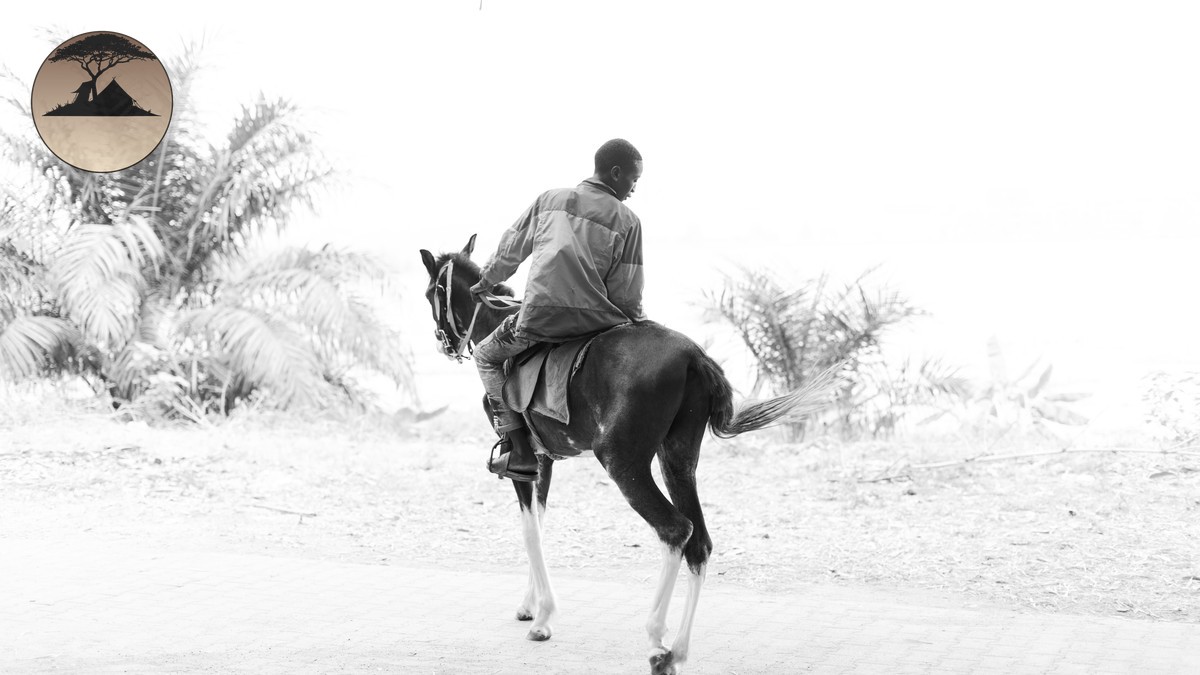
The first time I heard a zebra bark twenty meters from my stirrup, I forgot to breathe. No engine, no door, no glass between us. Just hooves on red dust and a herd that barely looked up.
That is the pull of a horseback safari in Laikipia, Kenya. You have already done the Mara from a lodge deck. You have watched lions from a Land Cruiser roof hatch. Laikipia asks something different of you: get on a horse, drop the vehicle, and move through the bush at the pace of the animals themselves.
What a Horseback Safari in Laikipia, Kenya, Actually Is
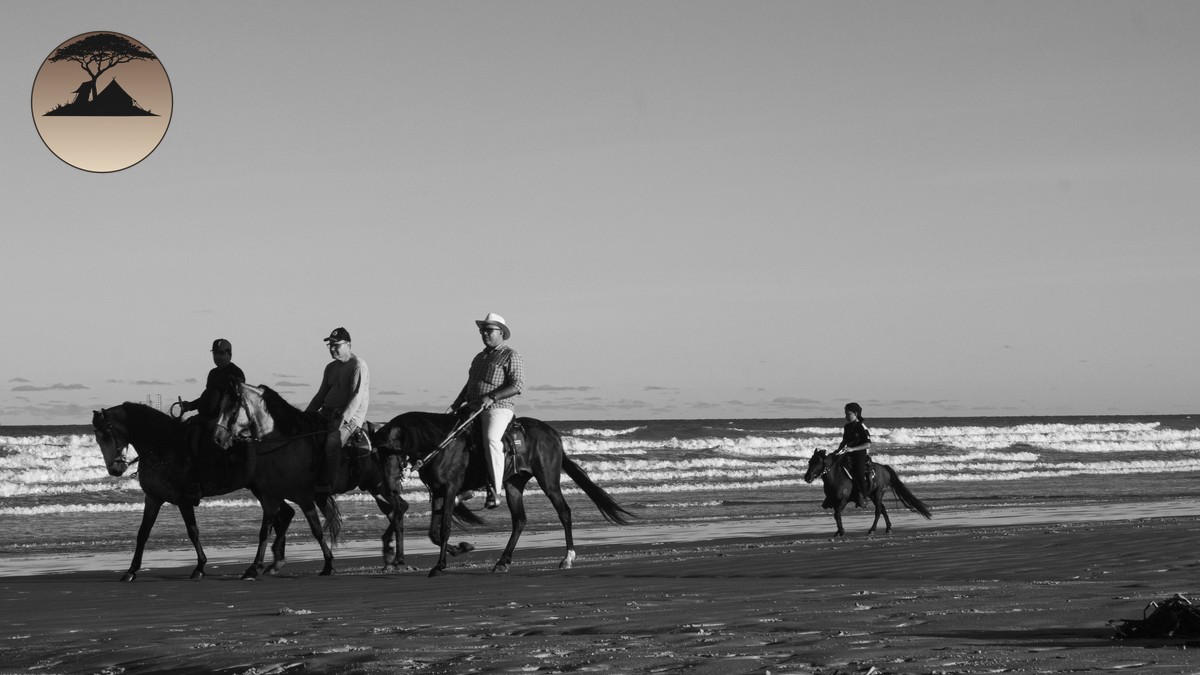
A horseback safari is not a pony ride around camp. You cover real ground, often 15 to 30 km a day, moving through open plains and acacia woodland on a trained safari horse. Unlike a walking safari, where an armed guide sets a slow, careful pace on foot, riding lets you keep up with wildlife on the move. You can trot alongside a herd of eland or canter parallel to zebra without spooking them the way a vehicle engine would.
It sits between two other experiences. A game drive gets you closer to predators but keeps you boxed in metal. A walking safari puts your feet on the ground but limits your range. Riding gives you both distance and intimacy, with a horse’s calm presence acting as camouflage.
Lodge-Based Rides vs. Multi-Day Mobile Expeditions
Laikipia offers two very different formats. Lodge-based riding means you stay at one camp, like Sosian or Ol Malo, and go out for two to four hours each morning or afternoon, returning to the same bed and hot shower every night.
Multi-day mobile expeditions are a bigger commitment. You ride for five to eight days, moving camp every night or two, with a support truck carrying tents, food, and your bags ahead of you. Suyian and parts of the Borana-Lewa corridor specialize in this style. You sleep under canvas in a different spot each night, sometimes on a fly camp with no walls at all, just a mosquito net and the sound of hyenas somewhere past the fire.
Where to Ride: Camps and Conservancies
Every horseback outfit in Laikipia operates on private conservancy land, not inside a national park. Here is how the main options compare.
| Camp / Conservancy | Ride Style | Indicative Price (USD/night, all-inclusive) | Getting There |
|---|---|---|---|
| Lewa Wilderness, Lewa Conservancy | Lodge-based, some multi-day extensions | $800-950 per person | Fly to Lewa Downs airstrip, 45 min from Nairobi Wilson |
| Borana Conservancy | Lodge-based, strong beginner program | $750-900 per person | Fly to Borana or Lewa Downs airstrip |
| Sosian, Laikipia Plateau | Lodge-based, dedicated stable | $700-850 per person | Fly to Nanyuki, then 1 hr drive |
| Loisaba Conservancy | Lodge-based, star-bed nights available | $650-800 per person | Fly to Loisaba airstrip, 40 min from Nairobi |
| Suyian, Laikipia West | Multi-day mobile expeditions | $900-1,100 per person | Fly to Suyian airstrip via Nanyuki |
| Ol Malo, Laikipia North | Lodge-based, family-friendly | $600-750 per person | Fly to Ol Malo airstrip via Nanyuki |
These are indicative ranges, not fixed rates. Prices shift with season, group size, and how many nights you book. Always confirm current rates before you commit.
Nairobi to Nanyuki is about 200 km by road, roughly a 3.5 hour drive, but most riding guests fly. It cuts the trip to under an hour and keeps horses fresh for the saddle instead of a car seat.
Why Laikipia, Not the Mara or Amboseli
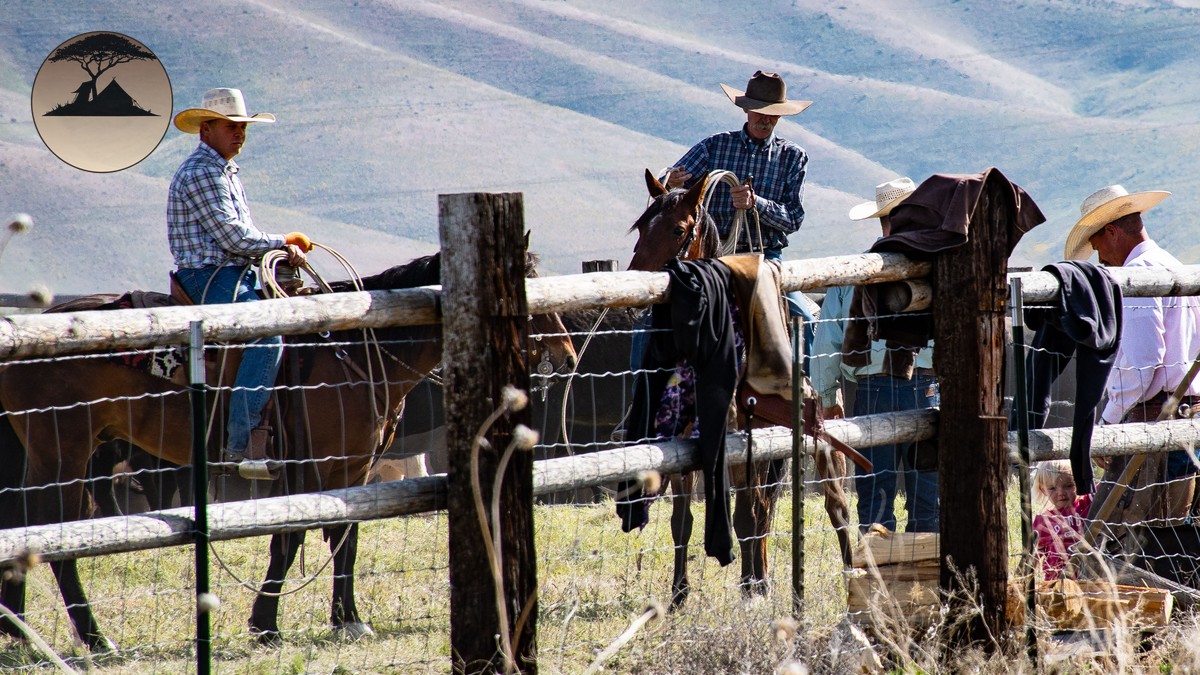
Here is something most guides skip over. You cannot ride a horse inside the Masai Mara National Reserve, Amboseli National Park, or Tsavo. National parks and reserves in Kenya restrict horses for safety and wildlife management reasons, full stop. Horseback safaris only work on private land, where individual conservancies set their own rules.
Laikipia is almost entirely private conservancy land, which is exactly why it became Kenya’s horseback riding hub. If you want to understand why horseback riding is restricted to private conservancies, it comes down to who controls access and liability on the ground. Lewa Wildlife Conservancy, one of Laikipia’s best-known horseback bases, has run mounted safaris for decades precisely because it operates outside the reserve system.
Rider Fitness and Experience Requirements
Most Laikipia outfits ask for intermediate riding ability at minimum. That means you can walk, trot, and canter confidently, and stay balanced if a horse spooks. Multi-day mobile trips, like those at Suyian, often require a canter test before booking, since you may need to move fast if you meet buffalo at close range.
Lodge-based programs at Borana and Ol Malo are more forgiving. Some run short lessons for nervous or newer riders before heading out. If you have not ridden in years, say so honestly when booking. Guides would rather match you to the right horse than manage a fall in the bush.
There is usually a weight limit around 95 kg (about 210 lbs), set to protect the horses over long days. Confirm this directly with your chosen camp, since limits vary.
A Typical Day in the Saddle
Mornings start early, often before 6 am, with tea and biscuits by lamplight while the horses are saddled nearby. You ride for three to five hours, covering open grassland and dry riverbeds, stopping to watch reticulated giraffe or a herd of buffalo from a safe distance upwind.
Midday is for resting during the heat. On multi-day trips, camp moves while you eat lunch under a fever tree. Afternoon rides are shorter, often timed to catch elephants heading to water as the light turns gold. By day three or four, expect real saddle fatigue. Thighs, seat bones, and lower backs all complain. It is honest, physical travel, not a spa holiday on horseback.
Safety Around Lions, Elephants, and Buffalo
Safety comes down to distance, wind direction, and an experienced guide reading the bush constantly. Horses can outrun most predators over short distances, and their calm body language often keeps grazing animals from reacting at all. Guides carry rifles as backup, rarely used, and keep groups well upwind of lion prides.
Buffalo and elephant get more caution than any cat. Both are unpredictable and dangerous at close range, so guides give them wide berth and will reroute a ride entirely rather than risk a confrontation. No trip guarantees zero risk. What good camps guarantee is a guide who has ridden that ground for years and knows exactly when to turn back.
Wildlife You Will See
Laikipia holds species you will not find on a standard Mara circuit. Grevy’s zebra, the largest and most endangered zebra species, live almost entirely in this region. Black rhino move through Lewa and Borana under close protection. Painted wolves, also called African wild dogs, den across the plateau in several packs.
You will also see the familiar Big Five here, minus the reliable lion sightings of denser reserves. Elephant, buffalo, leopard, and rhino are all present. Riding brings you closer to plains game especially, since zebra, eland, and giraffe treat a horse as far less threatening than an engine.
Best Time of Year to Ride
June through October is peak riding season, when the Laikipia plateau is dry and firm underfoot. Grass is shorter, which makes wildlife easier to spot from the saddle. The long rains fall roughly March through May, turning trails muddy and less rideable.
December through February offers a good off-peak window. Skies are clear, camps are quieter, and rates often drop below the ranges shown above. If you have already done peak-season Mara migration trips, this shoulder season in Laikipia is worth real consideration.
If You Would Rather Not Ride
Not every traveler in your group needs to be in the saddle. Most lodges welcome non-riders with vehicle-based game drives, guided bush walks, or simply time at the pool while riders are out. Children too young or nervous to ride can usually join a shorter lead-rein session instead.
If riding is not for you at all, consider a walking safari instead. It shares the same low-impact, close-to-the-ground feel without needing riding experience or a fitness test beforehand.
The BestCamp Safaris Difference
We do not sell horseback safaris as an add-on to a standard itinerary. We build them around your riding level, your appetite for mobile camping, and how many saddle-hours your body actually wants across five or six days. That means an honest conversation upfront about fatigue, weight limits, and whether a lodge-based stay at Borana suits you better than a multi-day expedition out of Suyian.
We also know this region beyond the brochure. Our team has slept at fly camps on the Laikipia plateau, packed up canvas before dawn, and walked into camp after dark by lamplight more times than we can count. That ground-level knowledge shapes every itinerary we put together, not just a list of camps and prices.
Plan Your Ride
A horseback safari in Laikipia rewards travelers who have already seen Kenya from a vehicle and want something closer to the ground. If the idea of riding among Grevy’s zebra and black rhino appeals to you, get in touch through our contact page and we will help you match the right camp, season, and riding style to your trip.


