
 Adventure Tours
If you’ve already done the Mara from a lodge deck, you know the drill. Vehicles stacked ten deep on a leopard sighting. A 6am wake-up call and a set drive route. It works once. It gets old fast the second time around.
That’s usually when travelers start asking about conservancies. The word gets thrown around loosely, so let’s sort out the real private conservancy vs national reserve differences, and what that means for your next trip to Samburu, Laikipia, Meru, or the Chyulu Hills.
What Is a National Reserve
A national reserve is government land, though not always run by the same government body. The Masai Mara National Reserve, for example, is administered by the Narok County Government, not by Kenya Wildlife Service. That distinction matters because reserve rules, fees, and enforcement vary by county, unlike KWS parks such as Amboseli or Tsavo, which follow one national fee structure.
Reserves are open to any licensed tour vehicle. There’s no cap on how many operators can enter on a given day, which is exactly why river-crossing season at the Mara Triangle can look like a parking lot. Off-road driving, night drives, and walking safaris are banned in almost every reserve. You stay on track, and you stay in the vehicle after dark. For background on how reserves differ from national parks in status and management, our guide on how national reserves differ from national parks breaks it down further.
What Is a Private Conservancy
A conservancy is different at the root. It’s Maasai-owned or community-owned land, leased by camp operators who pay landowners a fixed monthly rate per acre, whether or not a single tourist shows up that month. Naboisho, Mara North, and Ol Kinyei all run on this model, bordering the Mara Reserve but governed by their own boards.
Because a conservancy answers to its member camps rather than a county office, it can set its own rules. Most cap vehicle numbers, limit bed density, and allow activities the reserve forbids. Lewa Wildlife Conservancy in Laikipia works on a similar lease structure, funding both wildlife protection and local schools and clinics. You can read a closer look at Lewa Wildlife Conservancy for how that funding actually gets spent.
Activities: What You Can Actually Do
This is where repeat visitors feel the difference immediately.
| Activity | National Reserve | Private Conservancy |
|---|---|---|
| Game drives on marked tracks | Yes | Yes |
| Off-road driving | No | Usually yes |
| Night drives | No | Usually yes |
| Walking safaris | No | Usually yes |
| Fly camping / mobile camps | No | Yes, in most conservancies |
| Bush breakfasts away from vehicle | Rare | Common |
Night drives matter more than people expect. Genets, aardvarks, and hunting leopards are active after dark, and you simply won’t see them from inside a reserve at 7pm. Walking safaris change the pace entirely too. In Lewa or Ol Pejeta, walking with an armed ranger past fresh elephant dung teaches you more about tracking in twenty minutes than a week of driving ever could.
Crowds and the Vehicle-Cap Math
At a popular Mara Reserve sighting during migration season, it’s common to count fifteen to twenty vehicles around a single pride. In Naboisho or Mara North, most conservancies cap it at four to five vehicles per sighting, sometimes fewer, and enforce a minimum distance between camps.
Samburu National Reserve, north of the Mara and less crowded overall, still runs on open-access rules. Vehicle numbers there are typically lighter than the Mara simply due to lower visitor volume, roughly 8 to 12 at a strong sighting on a busy day (indicative, varies by season). That’s still a different experience than a conservancy limit written into camp policy.
Wildlife Density and Behavior
Reserves generally hold higher raw animal numbers, especially during the July-to-October wildebeest migration through the Mara. That volume is the whole draw for river crossings. But animals in high-traffic reserve zones tend to habituate to vehicles differently, sometimes more relaxed around cars, sometimes pushed toward quieter corners.
Conservancies, with lower vehicle density and permitted off-road tracking, often produce closer and calmer sightings even with fewer total animals per square kilometer. Predators in Ol Kinyei and Naboisho are used to a handful of familiar vehicles rather than a rotating crowd, which shows in how little they react to an engine.
The Honest Cost Breakdown
Headline lodge rates rarely include the fees stacked on top. Here’s what the landed daily cost actually looks like, per adult, using current 2026 figures.
| Location | Type | Entry / Conservancy Fee (non-resident) | Season Note |
|---|---|---|---|
| Masai Mara National Reserve | County-run reserve | USD 100/day (Jan-Jun); USD 200/day (Jul-Dec) | Fee doubles for peak migration months |
| Naboisho Conservancy | Private conservancy | USD 80-150/person/night, bundled into camp rate | Set by camp, not fixed government fee |
| Mara North Conservancy | Private conservancy | USD 80-150/person/night, bundled into camp rate | Set by camp, not fixed government fee |
| Amboseli National Park | KWS national park | USD 90/day | Flat rate year-round |
| Lewa Wildlife Conservancy | Private conservancy (Laikipia) | Roughly USD 100-150/night, indicative, camp-dependent | Bundled, confirm at booking |
| Samburu National Reserve | County-administered reserve | Roughly USD 70-100/day, indicative | Confirm current rate before booking |
| Chyulu Hills National Park | KWS national park | USD 40/day | Lower fee, fewer visitors overall |
The gap between a Mara Reserve stay and a bordering conservancy stay narrows more than people assume once you factor in the reserve’s doubled peak-season fee. A July stay in the Mara Reserve at USD 200 a day can cost more per person, per day, than a Naboisho camp charging USD 150 a night all-inclusive of conservancy fee. For the mechanics of where that conservancy money actually lands, see how conservancy fees actually work.
Conservation and Community Impact
This is the part that doesn’t show up in a brochure. Conservancy lease payments go directly to Maasai and Samburu landowners, often families who gave up grazing rights to keep the land wild. That income is steady, paid whether the camp is full or empty, which gives families a reason to keep leasing rather than fence and farm.
Reserve fees fund county government operations and reserve management, which matters too, but the money doesn’t flow to individual landowners the same way. Both systems support conservation. They just support different people.
Named Places Worth Knowing
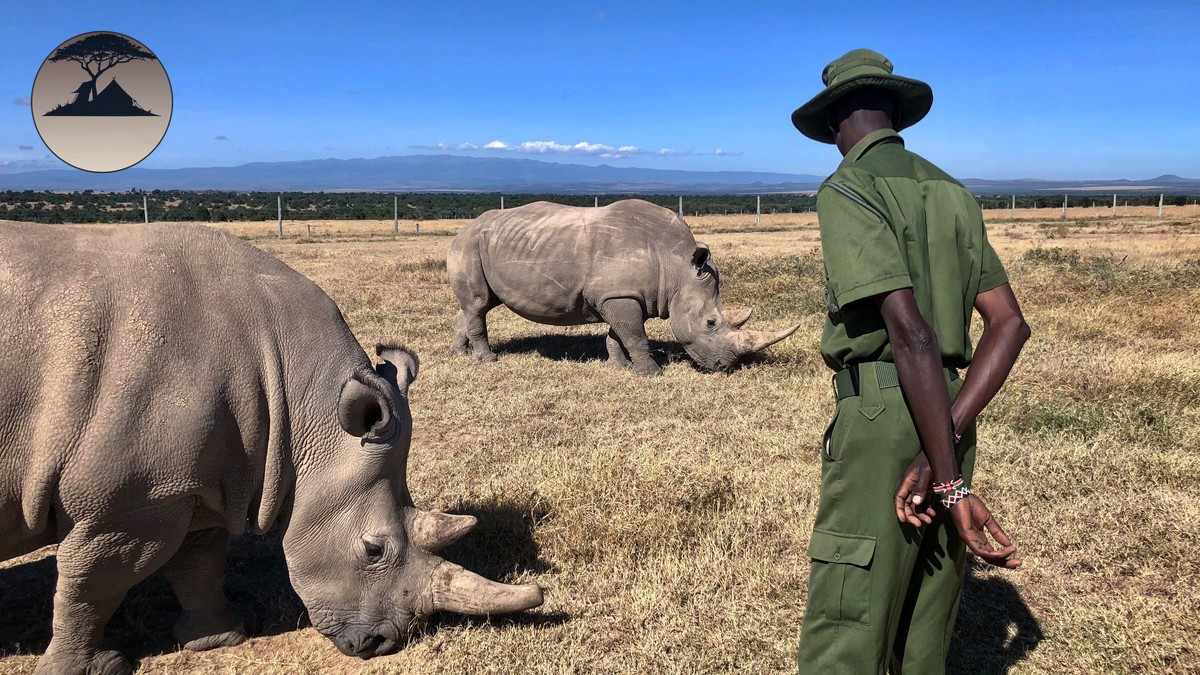
Beyond the Mara conservancies, repeat visitors chasing something quieter should look at Meru National Park, one of Kenya’s least-visited big parks despite healthy rhino and elephant numbers. Laikipia’s Ol Pejeta Conservancy mixes rhino sanctuary work with night drives and a chimpanzee sanctuary, a rare combination.
For something further off the map, the Chyulu Hills area near Amboseli runs fly camps on private and community conservancy land bordering the national park. Waking up in a canvas tent on the Chyulu ridge, with cold camp coffee brewing while the mist still sits in the valley, is not something you get inside a reserve boundary.
Private Conservancy vs National Reserve: Which Is Right for You
If you want the river-crossing spectacle, or you’re working with a tighter budget, a reserve during shoulder season still delivers. If you’ve already seen that and want night drives, walking safaris, and quiet sightings, a conservancy is worth the premium.
For a repeat visitor eyeing Samburu, Laikipia, or the Chyulu Hills, the honest answer is neither one alone. Mix a Mara conservancy stay with a Lewa or Ol Pejeta add-on in Laikipia, or pair Amboseli with a Chyulu fly-camp night. Families with young kids often do better in a reserve lodge with a pool and set routine. Photographers and honeymooners tend to prefer conservancy exclusivity and the option to park close, off the marked track, for as long as the light holds.
Combining Both in One Itinerary
You don’t have to choose once and stay locked in. A common route runs three nights in a Mara conservancy for walking and night drives, then two nights inside the reserve itself timed for a river crossing, then on to Laikipia for rhino tracking and a change of landscape entirely. The logistics take some coordination between camps and airstrips, but it’s routine for operators who know both sides well.
The BestCamp Safaris Difference
We’ve slept in both. Mobile tented camps in the Chyulu Hills with a star bed under open canvas, and reserve lodges with a set 6am wake-up knock. We build itineraries around what you’ve already done, not a standard package. If you’ve seen the Mara from a lodge, we’ll route you toward conservancy walking safaris, Lewa’s rhino tracking, or a Samburu extension you haven’t tried yet, and we’ll tell you honestly where the reserve still wins over the conservancy, and where it doesn’t.
FAQs
Is a private conservancy worth the extra cost? For most repeat visitors, yes. Night drives and walking safaris alone justify it, and the true cost gap is smaller than headline rates suggest, especially against Mara Reserve peak-season fees.
Can you do night drives in a national reserve? No. Reserves close to vehicle traffic after dark. Night drives are a conservancy activity.
Is the Masai Mara a national park, national reserve, or conservancy? The Masai Mara itself is a national reserve, run by Narok County Government. The conservancies bordering it, like Naboisho and Mara North, are separate private entities.
Do conservancies and reserves have the same wildlife? Largely yes, since most conservancies border reserves or parks with no fencing between them. Animals move freely across the boundary.
How do conservancy fees work? Fees are usually bundled into the nightly camp rate rather than charged separately, and a share goes directly to the landowners leasing that land. Full detail is in our how conservancy fees actually work guide.
Ready to build a trip around the experience you actually want this time? Visit our Kenya safari trips page or get in touch and we’ll start mapping it out.


