
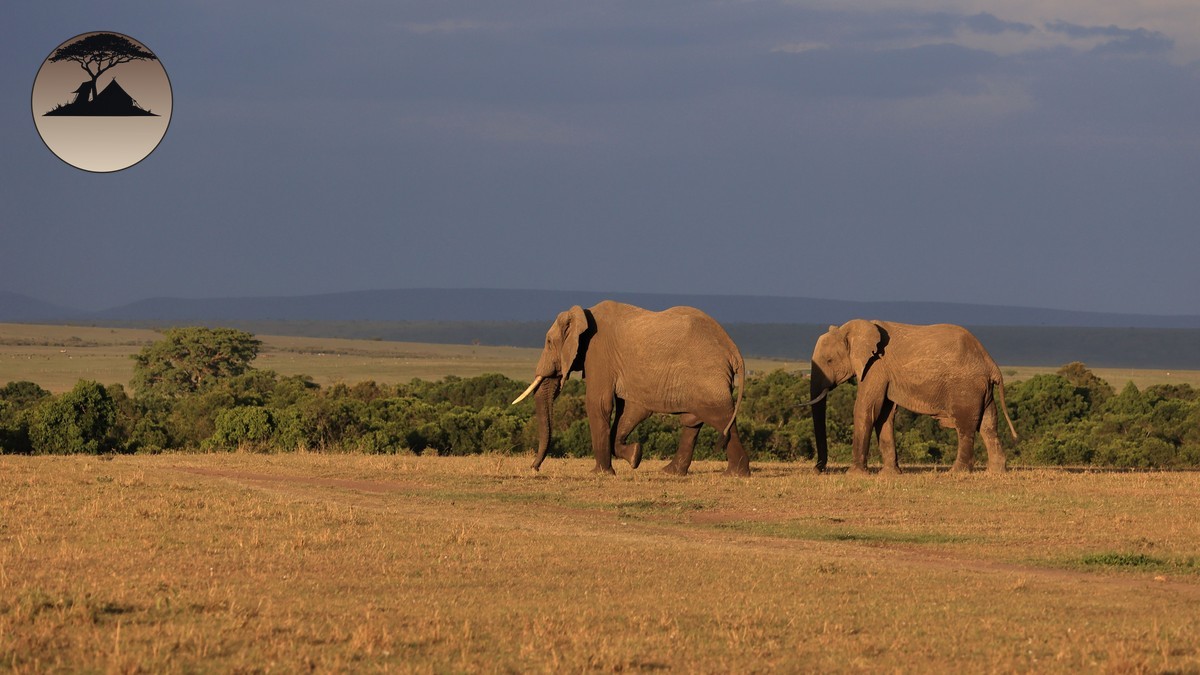
 Adventure Tours
I still remember the first time I heard a hippo grunt from inside a canvas tent instead of a Land Cruiser. No engine, no glass between us. Just the sound carrying across camp at 5am while someone rattled a kettle over the fire. That’s the difference a walking safari makes. You stop watching Kenya through a window and start standing inside it.
This guide covers the best walking safari trails Kenya has to offer, and skips the brochure talk. It names actual trails, actual distances, and what conservancies actually charge, so you can plan a walking trip that matches your fitness and your patience for dust and heat.
Why Walk Instead of Drive
A game drive covers ground fast. You might see 30 kilometers of bush in three hours and tick off lions, elephants, and a leopard if you’re lucky. A walking safari covers maybe 5 to 12 kilometers in that same window, and the pace changes everything.
You read tracks instead of just spotting animals. Your guide points out a leopard’s pug marks pressed into red dust from the night before, or dung beetles rolling a ball twice their size. You smell wild sage when you brush past it. Sightings are not guaranteed the way they are from a vehicle, since animals hear and smell you well before you see them. That trade-off is real, and any operator who tells you otherwise is selling you something.
Where Walking Safaris Are Actually Allowed
This matters more than most articles admit. The Masai Mara National Reserve itself bans walking on foot, full stop, because predator density is too high and Kenya Wildlife Service rules restrict it inside the main reserve. What you can walk is the conservancy land bordering the reserve, places like Naboisho, Ol Kinyei, and Mara North. These community-run conservancies set their own rules and license armed rangers to walk with guests.
Amboseli National Park doesn’t permit walking either, for similar reasons, elephant density and open terrain make foot encounters risky. The community conservancies around it, like Kimana, do allow guided walks.
Samburu National Reserve follows the same pattern as the Mara. Walking happens in the surrounding community conservancies, such as Kalama and West Gate, not inside the reserve boundary.
Laikipia is different territory entirely. It’s mostly private and community conservancy land, not national park, so walking is built into how camps like Lewa Wildlife Conservancy and Borana Conservancy operate day to day. If you want to understand how these access fees work across regions, our how conservancy fees work in Kenya guide breaks down what you’re actually paying for.
Hell’s Gate National Park stands alone as the one park where you can walk, and even cycle, without an armed escort in most areas. Few large predators live there. It’s also one of the cheapest entries into walking safari country. Non-resident park fees run around USD 26 per adult per day (confirm current KWS rates before you go, as they shift).
Best Walking Safari Trails Kenya Offers, By Region
Naboisho Conservancy, Masai Mara. Camps like Kicheche Naboisho and Naboisho Camp run half-day walks of 5 to 8 kilometers most mornings. Some also run occasional overnight fly-camp treks that push 10 to 12 kilometers between the main camp and a satellite bush camp. You sleep under canvas with no walls between you and the sounds of the plains, just a mesh window and a paraffin lamp.
Ol Kinyei Conservancy. One of the original Mara conservancies to reintroduce fly-camping. Porini Camp guests can walk into a temporary camp set up for one or two nights. It’s carried in on foot or by donkey, with a proper bucket shower and a long-drop toilet dug fresh for the stay. Daily distances run 6 to 10 kilometers.
Lewa Wildlife Conservancy, Laikipia. Lewa is the name most associated with rhino tracking on foot in Kenya, since it holds one of the country’s largest black rhino populations. Guided tracking walks here run 2 to 5 kilometers at a slow, deliberate pace, built around following fresh spoor rather than covering distance. For the full picture of routes, fees, and what a stay looks like, see our Lewa Wildlife Conservancy walking safari guide.
Borana Conservancy. Borana neighbors Lewa and shares an unfenced boundary with it. Multi-day walking safaris here cover 8 to 15 kilometers a day across volcanic hills, with fly-camps moved ahead of you by a support vehicle or mule train.
Hell’s Gate National Park. Short, self-guided or ranger-led walks run 3 to 8 kilometers through the gorge. The route passes Fischer’s Tower and the cliffs that inspired scenes in The Lion King’s artwork. No armed guide required in the main gorge area, which keeps costs down.
Half-Day vs Multi-Day Walks
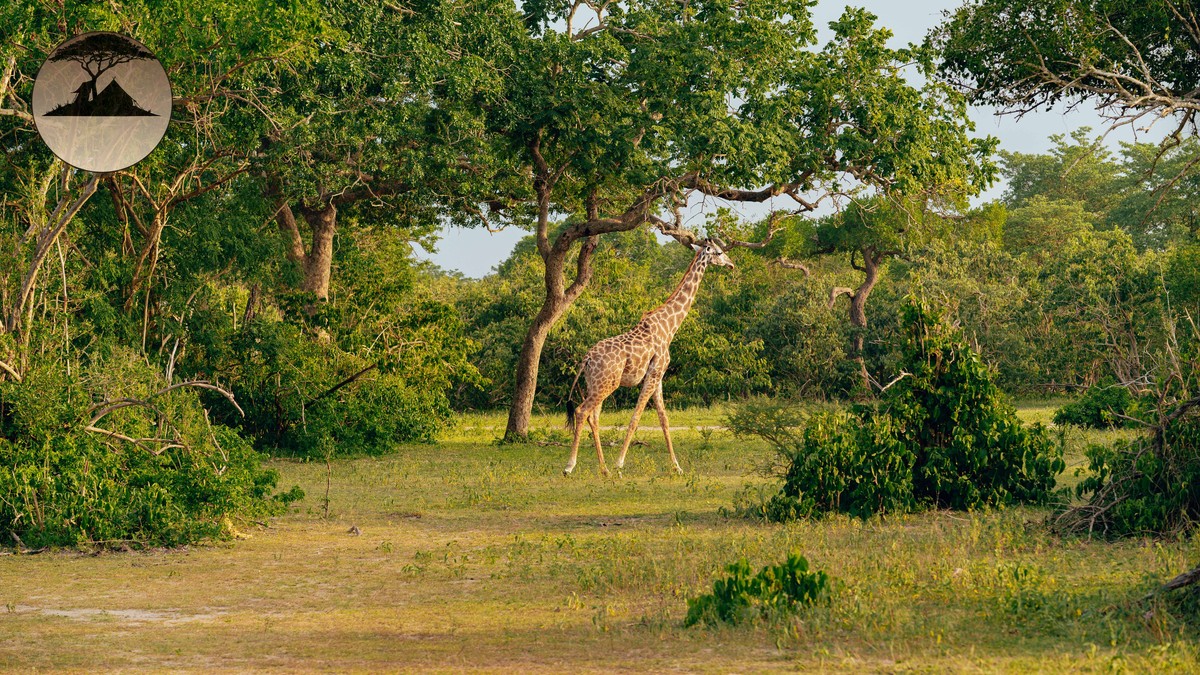
A half-day walk, usually 2 to 4 hours before breakfast, suits most fitness levels and works well as one activity within a wider safari. A multi-day trek, spread over 2 to 4 nights with fly-camping between points, asks more of you. Expect 8 to 15 kilometers a day in heat that can hit 30°C by midmorning, carrying just a day pack while porters or a vehicle handle the rest.
| Region/Trail | Walking Allowed | Typical Daily Distance | Conservancy Fee (indicative, per person/night) | Armed Ranger Required |
|---|---|---|---|---|
| Naboisho Conservancy, Mara | Yes | 5-12 km | USD 80-100 | Yes |
| Ol Kinyei Conservancy, Mara | Yes | 6-10 km | USD 70-90 | Yes |
| Lewa Wildlife Conservancy | Yes | 2-5 km (rhino tracking) | USD 100-135 | Yes |
| Borana Conservancy | Yes | 8-15 km | USD 100-130 | Yes |
| Hell’s Gate National Park | Yes | 3-8 km | USD 26 park entry | No (main gorge) |
| Masai Mara National Reserve | No | n/a | n/a | n/a |
| Amboseli National Park | No | n/a | n/a | n/a |
Fees above are indicative ranges based on typical conservancy rates and change with season and camp, so confirm current pricing before booking.
Safety, Guides, and Who Can Walk
Every conservancy walk in the Mara, Laikipia, and Samburu regions goes out with a licensed guide and an armed ranger. The ranger usually carries a rifle for genuine emergencies, not as a photo prop. Guides train for years to read animal behavior and keep groups at a safe distance, and a good one will turn a walk around long before it turns risky.
Most camps set a minimum age for walking safaris around 12 to 16, though this varies by operator and by how close the walk goes to dangerous game. Check our minimum age requirements for walking safaris piece if you’re traveling with kids, since the rules differ enough between camps that it’s worth checking before you book.
Packing and Fitness Notes
You don’t need marathon fitness, but you do need to walk comfortably for 2 to 4 hours on uneven ground in heat. Pack broken-in boots, not new ones. Bring layers, since Laikipia mornings can dip to 10°C before climbing past 25°C by noon. Neutral colors matter more than on a drive, since bright clothing and dark blues that attract tsetse flies both work against you on foot. A wide-brim hat, at least 2 liters of water capacity, and a headlamp for camp at night round out the basics.
What a Walking Safari Costs
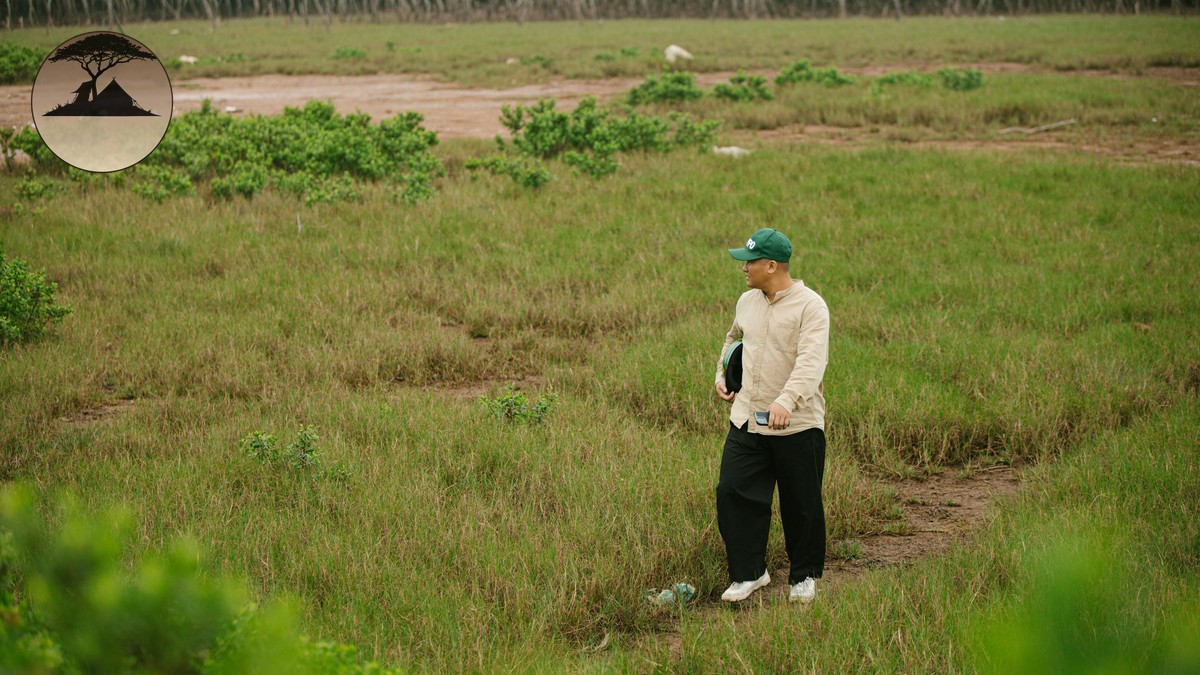
Budget walking safaris built around Hell’s Gate day trips can run under USD 100 a day including park fees. Full fly-camping treks in Naboisho or Borana typically land between USD 450 and 700 per person per night, with meals, guiding, and camp gear included. That price reflects the small-group, high-staff-ratio nature of the experience. Add-on rhino tracking mornings at Lewa are often bundled into a lodge stay rather than priced separately.
The BestCamp Safaris Difference
We build walking itineraries around actual trail conditions, not just camp brochures. That means telling you honestly when a route is flat and easy, and when it climbs volcanic scree in Borana instead. It also means being upfront that foot sightings depend on wind, luck, and a good guide, not a guarantee. We work directly with the conservancies and ranger teams named in this guide. That means the fly-camp you sleep in has been checked by someone who has actually spent a night in it.
Plan Your Walking Safari
If a walking safari sounds like the trip you’ve been putting off, we’d like to help you build it properly, region by region, camp by camp. Have a look at our walking safari trips or get in touch through our contact page to start mapping out your route.


