
 Wildlife Tours
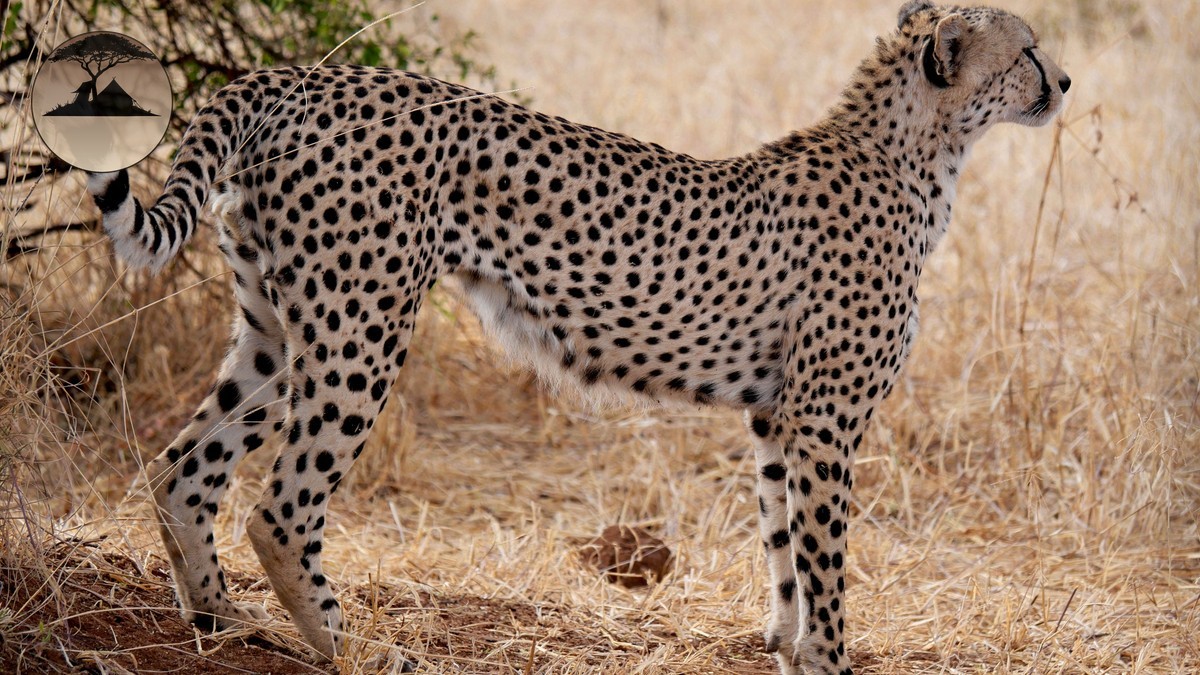
I was in a Land Cruiser on the Mara North Conservancy at 6:40am when our tracker, Joseph, held up his hand and pointed at a termite mound 400 meters off. A female cheetah stood on top of it, scanning the grass. Her radio collar caught the first light. Twenty minutes later she was flat out after a Thomson’s gazelle, and I had the shot I’d been chasing for three days.
This is what a properly run cheetah tracking safari Kenya trip looks like when the details are right. That kind of morning is not luck. It is the result of knowing which patch of Kenya to be in, which trackers talk to each other, and what time the light actually works. This guide covers all three.
Where Cheetahs Actually Live in Kenya
Cheetahs need open ground to run. That rules out thick bush and puts the Masai Mara ecosystem, Amboseli, Samburu, Ol Pejeta, Tsavo, and Lake Nakuru National Park at the top of most lists. But “the Masai Mara” is not one place. It is a public reserve plus a ring of private conservancies, and the difference matters more than any generic listicle admits.
Inside the government-run Masai Mara National Reserve, vehicles must stay on track. During peak season, a good cheetah sighting can draw fifteen vehicles within minutes. That crowding pushes cheetahs to hunt at odd hours or abandon a stalk altogether.
The conservancies bordering the reserve, Mara North, Naboisho, Olare Motorogi, and Ol Kinyei, cap vehicle numbers and allow licensed guides to go off-road. That means you can follow a cheetah through a stalk instead of watching it disappear over a ridge. Lewa Wildlife Conservancy, one of Kenya’s key cheetah conservation areas, works the same way further north, with added tracking data from its long-running monitoring program.
Ol Pejeta Conservancy, near Nanyuki, has one of the highest cheetah densities in Kenya relative to its size, at roughly 90,000 acres. Samburu National Reserve, drier and dotted with doum palms, holds a smaller but resident population. Amboseli has fewer cheetahs but excellent visibility, with Kilimanjaro as a backdrop. Tsavo is vast and cheetah sightings there take patience. Nakuru’s cheetahs share the acacia woodland with a dense predator population, so competition from lions and hyenas is higher.
Distances, Fees, and What You Actually Get
| Location | Distance from Nairobi | Drive time (or flight) | Approx. daily conservation fee (2026, non-resident) | Cheetah tracking access |
|---|---|---|---|---|
| Masai Mara National Reserve | 270 km | 5-6 hrs by road, 45 min by air | $80 | On-track only, high vehicle density |
| Mara North Conservancy | 275 km | 5-6 hrs by road, 45 min by air | $100 | Off-road permitted, capped vehicles |
| Naboisho Conservancy | 265 km | 5-6 hrs by road, 40 min by air | $100 | Off-road permitted, cheetah-ID monitoring |
| Ol Pejeta Conservancy | 200 km | 3.5-4 hrs by road | $90 | On-track mostly, some guided off-road |
| Samburu National Reserve | 345 km | 5-6 hrs by road, 1 hr by air | $70 | On-track only |
| Amboseli National Park | 240 km | 4-5 hrs by road, 45 min by air | $60 | On-track only |
| Lake Nakuru National Park | 160 km | 2.5-3 hrs by road | $60 | On-track only |
Prices are indicative and change with park authority updates, so treat them as a planning range rather than a quote. The pattern that matters is this: conservancy fees run 20 to 40 percent higher than public park fees, but they buy off-road access and far fewer vehicles per sighting. How conservancy fees fund the off-road access trackers need to follow cheetahs is worth understanding before you book, because it changes what your money is actually doing.
How Trackers Actually Find Cheetahs
Good trackers do not just drive around hoping. Many conservancies around the Mara work with cheetah monitoring programs that photograph and catalog individual cats by their spot patterns and tear-mark shape, similar to how the Mara Cheetah Project has tracked known females and their cub litters for over a decade. Guides share radio updates across camps each morning, so a mother with three-month-old cubs seen near the Olare Orok riverline on Tuesday can often be relocated by Thursday.
Some cheetahs wear radio collars fitted for research, which gives trackers a rough bearing even before they spot fur in the grass. But most tracking still comes down to reading tracks in dust, watching where gazelle herds are nervous, and checking termite mounds and fallen trees, the lookout points cheetahs use because they hunt by sight, not scent.
A cheetah’s top speed is around 100 to 120 km/h, but it can only hold that pace for 20 to 30 seconds before overheating. That short window is why positioning the vehicle before the chase starts matters more than reacting once it begins.
Best Time of Year to See Cheetahs
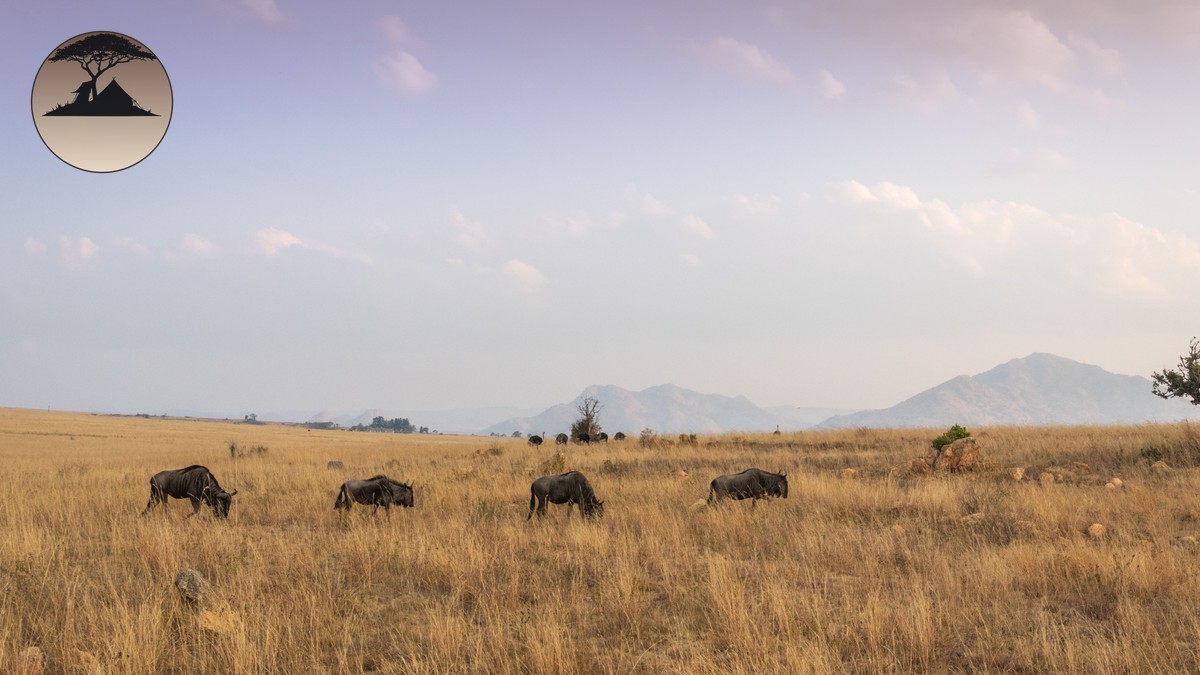
Dry season, from late June through October, is the strongest window. Grass is shorter, prey gathers near remaining water, and visibility is best for both viewing and photography. This period also overlaps with the wildebeest migration crossing into the Mara from the Serengeti, which draws cheetahs toward the same open plains.
January through March is calving season for wildebeest and gazelle on the southern plains, and it is one of the best times to see a cheetah hunt, since mothers target the newborns. Rain is possible but usually brief, and the light after a shower can be extraordinary for photographs.
April and May are the long rains. Grass grows tall, tracking gets harder, and some camps close. If your priority is cheetah photography specifically, avoid this window.
Golden Hour and Camp Positioning
Cheetahs hunt mostly in the two to three hours after sunrise and again in the hour before sunset, avoiding the heat of midday. That lines up almost exactly with the light photographers want. A camp pitched 20 minutes from open cheetah habitat, rather than 90 minutes from it, buys you an extra hour of usable light each end of the day.
This is where mobile tented camps earn their keep. A permanent lodge sits in one spot all season. A mobile camp can move with the migration or with a known cheetah family, cutting drive time to almost nothing. Positioning your camp for golden-hour cheetah photography covers how we choose those sites week to week.
I still remember walking back into camp after dark, lamplight strung between the mess tent and my canvas, the smell of the campfire before I even saw it. Mornings start around 5am, with tea brought to your tent flap before the sky lightens. That routine, not just the sighting itself, is what makes a tracking safari feel different from a checklist tour.
Cheetah Tracking Safari Kenya: What It Costs
Budget camping safaris in public reserves run roughly $150 to $250 per person per day, including park fees, a shared vehicle, and basic meals. Mid-range trips with a private guide and better camps run $350 to $600 per day. Conservancy-based trips with off-road access, smaller guest numbers, and dedicated trackers typically run $600 to $1,000 per day. A 6 to 7 night trip combining a conservancy and one public reserve is enough time for a realistic chance at a hunt, though nothing in the wild is guaranteed.
Cheetahs Under Pressure
Fewer than 7,100 cheetahs are estimated to remain in the wild across Africa, according to widely cited IUCN-linked range estimates, with Kenya holding a few hundred adults across its main populations. Habitat loss, conflict with livestock herders, and competition from lions and hyenas, which kill a significant share of cheetah cubs before they reach adulthood, are the main pressures. Conservancy fees and monitoring programs are direct, practical responses to that decline, which is one more reason they matter beyond your own sighting odds.
The BestCamp Safaris Difference
We do not promise a cheetah on day one. What we do is build the itinerary around where cheetahs have actually been seen in the past two weeks, using conservancy tracker networks rather than guesswork. Our mobile camps relocate to follow known cheetah families when reports come in, so you are not locked into one fixed lodge for a week. Guides carry cheetah-ID references from local monitoring projects and know which individuals are raising cubs right now. We also build in slower mornings and unhurried afternoons, because patience, not speed, is what actually produces a good cheetah encounter.
Frequently Asked Questions
Where is the best place to see cheetahs in Kenya? The Mara conservancies, especially Mara North and Naboisho, offer the best combination of cheetah density and off-road access. Ol Pejeta is the strongest option outside the Mara ecosystem.
Is it possible to see a cheetah hunt on a short safari? Yes, though nothing is guaranteed. A 6 to 7 night trip with two or three days in a conservancy gives realistic odds during dry season.
Can you go off-road for a cheetah hunt? Only in private conservancies with licensed guides. The public Masai Mara National Reserve requires vehicles to stay on marked tracks.
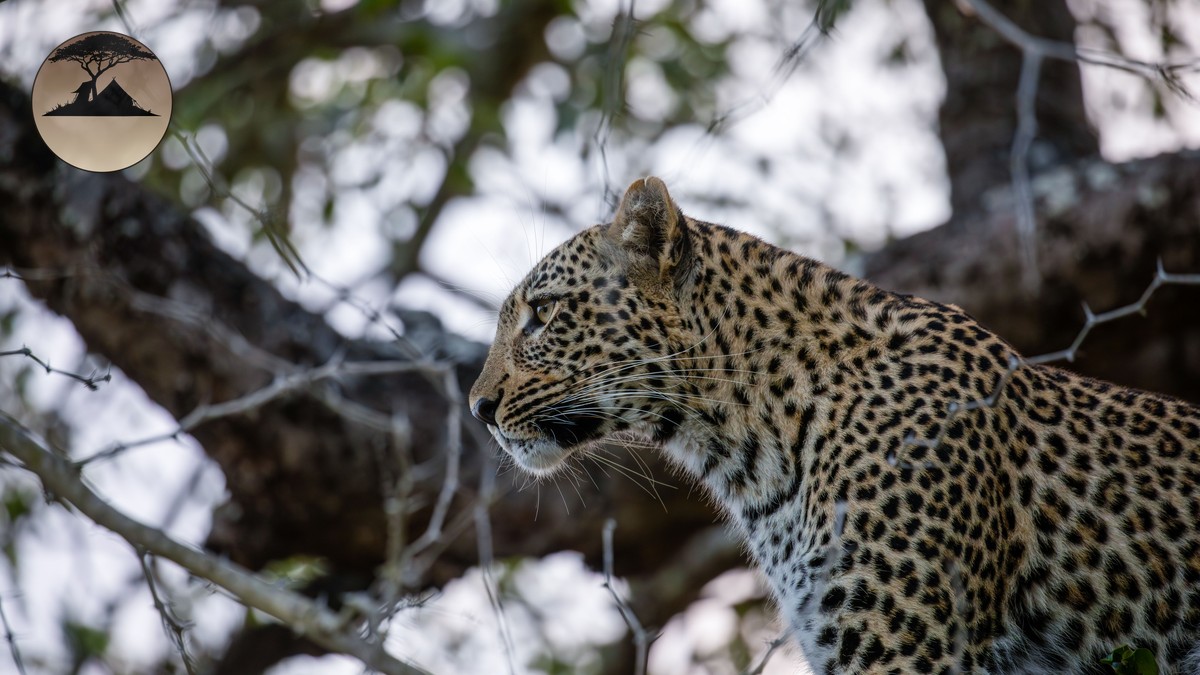
How do you tell a cheetah from a leopard? Cheetahs have solid black spots, tear-mark lines from eye to mouth, and a lean build for speed. Leopards have rosette-shaped spots and a heavier, more muscular frame, and they favor trees over open ground.
Plan Your Cheetah Tracking Safari
If you want mornings built around real tracker reports, camps that move with the cats, and light that actually works for your camera, we can put together an itinerary around it. Have a look at our Kenya safari tours or get in touch through our contact page to start planning.


