
 Adventure Tours
If you’ve already watched a wildebeest crossing from a lodge deck in the Mara, you know what a full game count feels like. Lewa Wildlife Conservancy asks a different question. Can you sit still at 5am in a canvas tent, hear a rhino cropping grass twenty meters from your guy rope, and call that the highlight of the trip? For a lot of second and third-time Kenya travelers, the answer turns out to be yes.
This Lewa Wildlife Conservancy safari guide is for you if you’ve done the Mara and Amboseli and want Samburu, Laikipia, or Meru next. Lewa sits at the center of that shift, and it rewards people who already know what a good safari looks like.
Lewa Wildlife Conservancy Safari Guide: From Cattle Ranch to Rhino Stronghold
Lewa started life as Lewa Downs, a cattle ranch run by the Craig family in Meru County. In 1983, the family fenced off 5,000 acres as a sanctuary called Ngare Sergoi and moved in 15 black rhinos threatened by poaching elsewhere in Kenya. That sanctuary grew, formally became Lewa Wildlife Conservancy in 1995, and now covers roughly 62,000 acres, about 250 square kilometers with the adjoining Ngare Ndare Forest.
In 2013, UNESCO extended the Mount Kenya World Heritage Site to include Lewa and Ngare Ndare, recognizing the corridor as critical habitat linking Mount Kenya to the northern rangelands. That’s not a marketing line. It’s a legal designation tied to elephant migration routes that still move through the conservancy today.
Where Lewa Sits, and How Big It Really Is
Lewa lies in Meru County, north of Mount Kenya and south of Isiolo, in the Laikipia-Meru ecosystem. The core conservancy is unfenced along its western boundary with Borana Conservancy, so wildlife moves freely between the two, effectively doubling the roaming space to around 93,000 acres.
That matters for game drives. You’re not boxed into a single block. Guides radio between conservancies and can push into Borana for a leopard sighting or a better angle on elephants without leaving protected land.
The Wildlife: Rhinos, Grevy’s Zebra, and the Big Five
Lewa’s rhino numbers are the real draw. The conservancy now holds around 280 rhinos, roughly split between black and white rhino, and accounts for more than 12% of Kenya’s eastern black rhino population. Sightings on a two or three night stay are close to guaranteed, which is not something you can say about most parks.
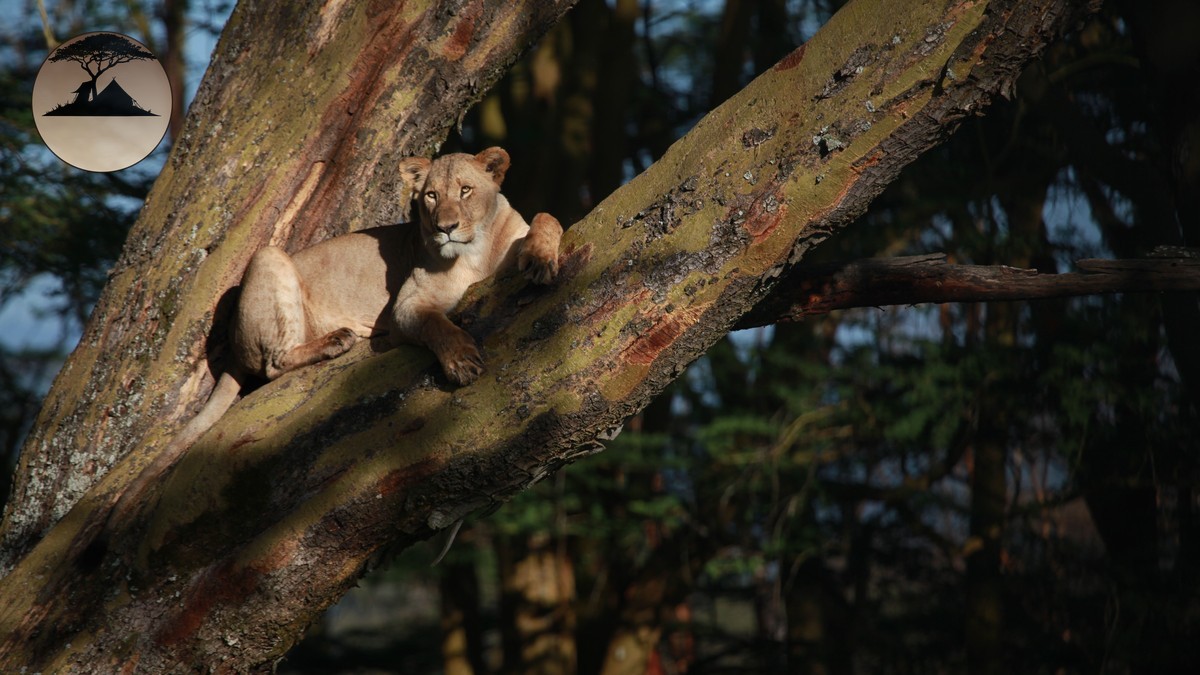
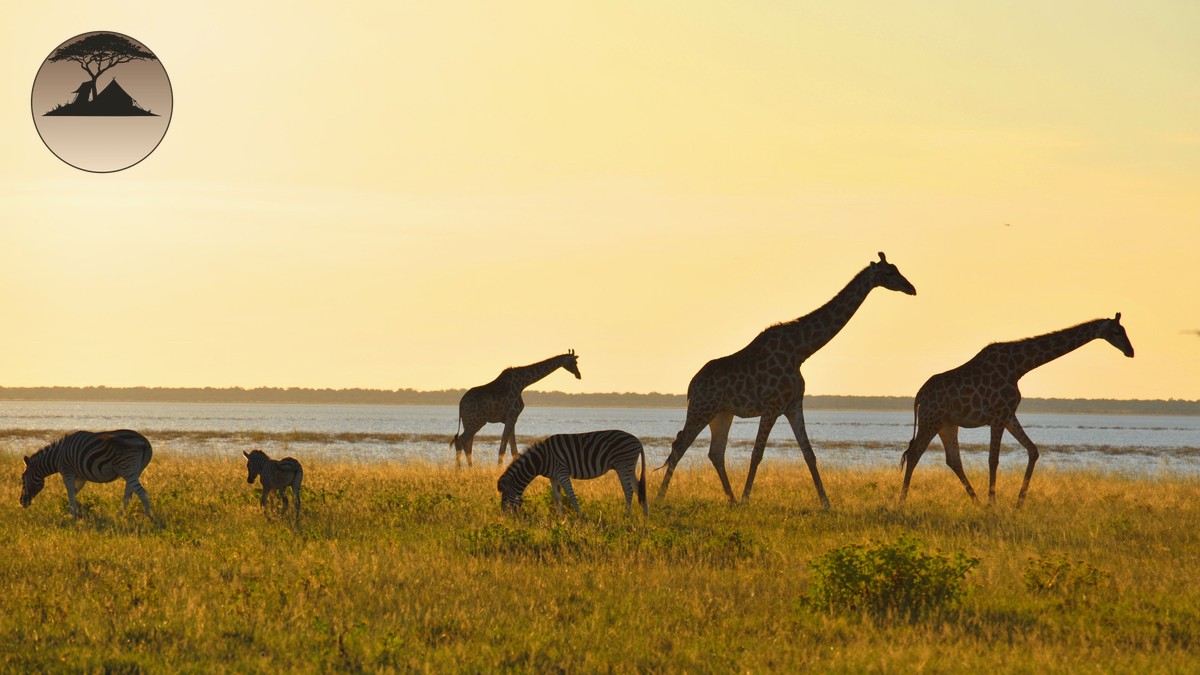
Lewa also holds the largest single population of Grevy’s zebra anywhere, close to 350 individuals, about 15% of the world’s total of this endangered species. You’ll also find lion, elephant, buffalo, and leopard, plus reticulated giraffe and the striped Sitatunga antelope in the wetter patches near Ngare Ndare. Density is lower than the Mara. Diversity and rarity are higher.
Getting There: Fly In or Drive the Thika Road
Most visitors fly. Scheduled flights from Nairobi’s Wilson Airport land at Lewa Downs Airstrip in about 45 minutes, with connections available through Samburu, Meru, or the Mara on the same circuit.
Driving takes about 4 hours from Nairobi via Thika Road and Nanyuki, covering roughly 240 km. It’s a manageable self-drive for travelers who want to break the journey at Nanyuki for lunch and a look at Mount Kenya, but most repeat visitors flying in on a multi-stop itinerary skip the road option to save a half day.
When to Go
The dry seasons, June to October and January to February, give the clearest game viewing and the most comfortable walking conditions. Grass is short, water is scarce off the rivers, and animals cluster near permanent sources.
The long rains fall from March to May, and short rains hit in November. Camps stay open year-round, rates drop in the shoulder months, and birdlife peaks after rain. If you’ve already chased peak-season crowds in the Mara, Lewa’s April and November weeks are worth a look. Fewer vehicles, greener light for photos, and lower camp rates.
Activities You Won’t Get in a National Park
This is where Lewa earns its place on a repeat visitor’s list. Because it’s a private conservancy, not a national park, Lewa permits activities that KWS-run parks don’t allow.
Walking safaris go out with an armed ranger and a guide, tracking rhino spoor on foot at a pace no vehicle can match. Check age requirements for walking safaris before booking if you’re traveling with kids, since most camps set a minimum age around 12.
Night game drives are the other big one. Lewa is one of the few places offering night game drives, spotlighting genets, aardvarks, and hunting leopards after dark. Horseback and camel safaris run out of Lewa Wilderness, and most camps will lay a bush breakfast or dinner table out on the plains, then pack it into the truck by lamplight once you’re done.
Where to Stay: Comparing Lewa’s Named Camps
Lewa has a handful of camps inside the conservancy, each with a distinct feel and price tier. Rates below are indicative per person per night, full board, and generally exclude the conservancy fee unless noted.
| Camp | Style | Indicative rate (USD, pp/night) | What sets it apart |
|---|---|---|---|
| Lewa Wilderness | Family-run lodge, horse safaris | ~$700-950 | Original Craig family ranch, best horseback program |
| Elewana Lewa Safari Camp | Classic tented camp | ~$650-900 | Canvas tents on stilted decks, family-friendly, solid mid-tier value |
| Sirikoi | Ultra-luxury tented camp | ~$1,400-2,000+ | Small footprint, star-bed option, high staff-to-guest ratio |
| Kifaru House | Exclusive-use private villa | ~$2,500-3,500 (whole house) | Sleeps up to 8, private vehicle and guide, total privacy |
These figures move by season and currency, so treat them as a planning range rather than a quote. All four camps sit inside Lewa’s boundary, so activities and rhino access are similar. The difference is privacy, price, and how much of the experience is shared with other guests.
2026 Entry Fees and What They Actually Cost You
Lewa charges its own conservancy fee, separate from park fees you’d pay at somewhere like Amboseli or the Mara. For 2026, the standard rate is USD 126 per person per night for guests staying overnight, and USD 198 for day visitors who aren’t sleeping inside the conservancy.
Some camp rates already fold this fee into the nightly price. Others list it separately and add it to your bill at checkout. Always ask which structure applies before you compare two camps on price alone, since a “cheaper” rate that excludes the conservancy fee can end up costing more per night. For more on how this system works across Kenya, see how conservancy fees work in Kenya. Lewa can’t be visited on a casual day trip from Nairobi. Even day visitors need to book ahead and are typically day guests of a partner camp or tour operator.
Lewa vs the Masai Mara: Is It Worth It?
Here’s the trade-off, stated plainly. The Mara has more predators per square kilometer and a wildebeest migration Lewa can’t match. Vehicle density during peak months is also higher in the Mara, sometimes a dozen trucks at one sighting.
Lewa trades raw numbers for near-certain rhino encounters, walking access, night drives, and a quieter bush. If you’ve already seen ten lion kills and three river crossings, Lewa’s slower rhythm and rarer activities are the more interesting choice on your next trip. If this is your first Kenya safari, the Mara still makes more sense as an opener.
The BestCamp Safaris Difference
We build Lewa into itineraries the way we’d plan a trip for our own second visit to Kenya, pairing it with Samburu or Meru National Park rather than bolting it onto a standard Mara circuit. We know which camps include the conservancy fee and which don’t, so your quote reflects what you’ll actually pay on the ground. And because we’ve slept in these camps ourselves, we can tell you honestly whether Kifaru House’s privacy is worth the jump over Sirikoi, or whether Lewa Wilderness’s horseback program is the better fit for your group.
Ready to Plan Your Lewa Trip?
Lewa rewards travelers who already know what they’re looking for. If you’re ready to swap another Mara lodge for a rhino-dense conservancy with walking safaris and night drives, we’d like to help you build it. Take a look at our Lewa Wildlife Conservancy safari itineraries and get in touch to start planning.


