
 Adventure Tours
I woke up at 5am in Mara North Conservancy last season with frost on the canvas and a Maasai guide already boiling water outside my tent. No fence, no floodlight, just a paraffin lamp and a hyena calling somewhere to the east. Twenty minutes later we packed a bush breakfast into the Land Cruiser, coffee still steaming, before first light hit the escarpment. That’s the kind of night you pay a conservancy fee for. Consider this our full community conservancy fees explained Kenya breakdown: real numbers, camp by camp, not a rough range pulled from a brochure.
Guests ask us constantly why a “park fee” and a “conservancy fee” show up as two separate charges, or why one camp’s quote seems to hide the conservancy cost while another spells it out. This post walks through the real numbers, camp by camp, and shows exactly how the charge lands on an actual booking.
Community Conservancy Fees Explained Kenya Style
A national park entry fee is collected by a government body. Kenya Wildlife Service runs places like Amboseli and Tsavo. Narok County runs the Masai Mara National Reserve itself. That money funds rangers, roads, and gate operations on public land owned by the state.
A conservancy fee is different. It’s charged by a private trust that leases land directly from Maasai, Samburu, or other community landowners. Mara North Conservancy, Naboisho, and Olare Motorogi all sit on land owned by individual families, not the state. The nightly fee you pay is really a visitor’s share of the rent that keeps that land under wildlife instead of fenced for farming or grazing. No conservancy, no lease payment, and that land could be under maize or cattle within a season.
Kenya National Park Entry Fees, 2026 Rates
Here’s what the gate actually costs at two of the parks travelers ask about most.
| Park | Managed by | Non-resident adult | Non-resident child | Season |
|---|---|---|---|---|
| Masai Mara National Reserve | Narok County | $100/day | $50/day (ages 9-17) | January to June |
| Masai Mara National Reserve | Narok County | $200/day | $50/day (ages 9-17) | July to December |
| Amboseli National Park | Kenya Wildlife Service | $90/day | $45/day | Year-round |
Note the Mara Reserve doubles its rate for the July to December high season, which covers the wildebeest migration. Amboseli holds one flat rate all year, which makes it easier to budget around.
What Conservancy Fees Actually Cost
Conservancy fees are set by each trust and vary more than park fees do. Based on current camp rate sheets and conservancy websites, here’s a realistic range per person per night for a non-resident adult.
| Conservancy | Region | Typical fee (pppn, non-resident) | Notes |
|---|---|---|---|
| Mara North Conservancy | Masai Mara | $80-100 | Usually bundled into the camp rate |
| Naboisho Conservancy | Masai Mara | $80-100, trending toward $120-150 | Children under 12 pay roughly half |
| Olare Motorogi Conservancy | Masai Mara | $80-150 | Highest lion density in the Mara ecosystem |
| Ol Pejeta Conservancy | Laikipia | $110 adult, $55 child (age 3-11) | Charged as a day gate fee, not per night |
| Loisaba Conservancy | Laikipia | around $150 | Camp rates run $350-$900 pppn on top |
| Sera Conservancy | Samburu border | indicative $60-100 | Community-owned rhino sanctuary; confirm exact rate with operator |
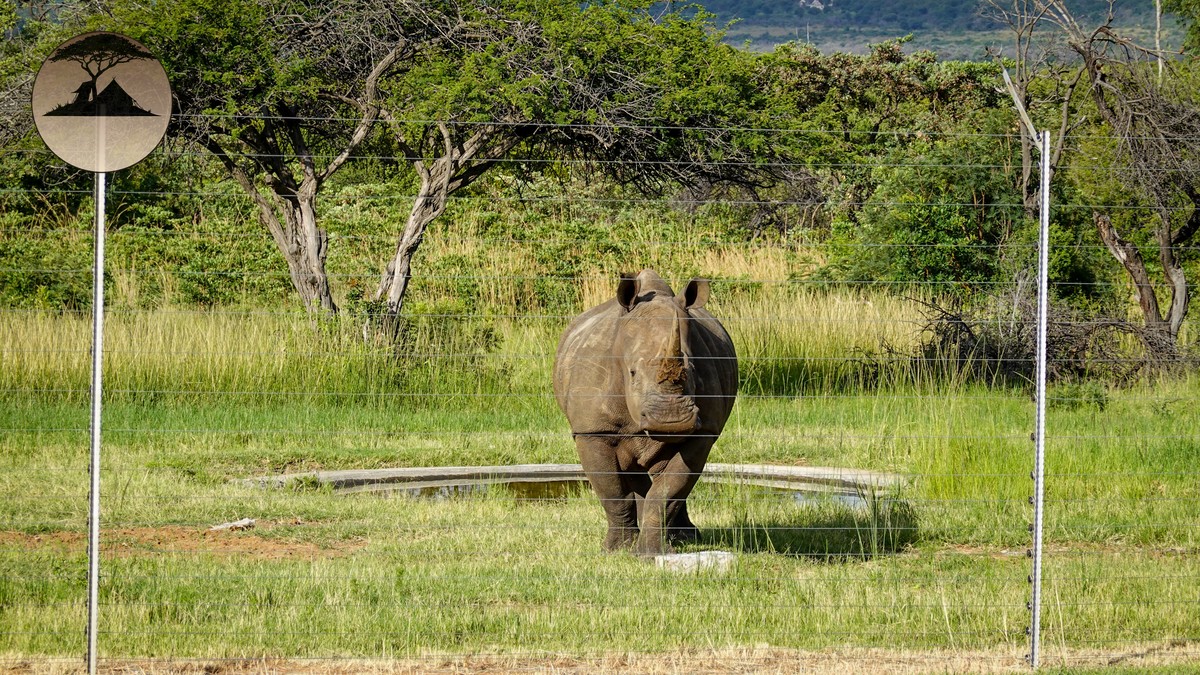
Ol Pejeta sits apart from the rest. It functions more like a fenced day-visit park with a rhino sanctuary and gate ticket, even though it’s technically a private conservancy. The Mara conservancies work on a per-night stay model instead, since most guests sleep inside the conservancy rather than driving in for the day.
Is the Fee Bundled Into Your Camp Rate?
This is the question we get most, and the honest answer is: it depends on the camp. Some Mara North and Naboisho camps fold the conservancy fee into an all-inclusive nightly rate, so you never see it as a separate line. Others, especially smaller tented operations and most Laikipia properties, bill it separately alongside the accommodation charge.
Neither approach is wrong, but it makes comparing two camps’ rate sheets tricky unless you know which model each one uses. That’s why we always ask the camp directly before we build a quote, rather than assuming a published rate already includes it.
A Real Line-Item Example
Here’s how a three-night stay at a Mara North Conservancy camp actually breaks down on a BestCamp Safaris quote, using representative rates for the conservancy:
| Line item | Rate | Nights | Subtotal |
|---|---|---|---|
| Camp accommodation, all-inclusive | $650 pppn | 3 | $1,950 |
| Mara North Conservancy fee | $100 pppn | 3 | $300 |
| Masai Mara National Reserve day visit (one day trip into the reserve) | $100 (low season) | 1 | $100 |
| Total per person | $2,350 |
Camp rates vary by property and season, so treat that $650 figure as indicative rather than fixed. The conservancy fee and reserve fee lines are the two costs that surprise people, and they’re the two we itemize on every quote so nobody is guessing what they’re paying for.
Why Conservancies Cost More Than the Park Gate
Park fees buy you a day pass. Conservancy fees buy you a different kind of access. Guest numbers are capped per camp bed, which means fewer vehicles at every sighting. Walking safaris are allowed, which they aren’t in most national parks. And night game drives are one reason conservancy fees run higher than park fees, since spotting a leopard by red-filtered light after dark simply isn’t possible inside the Mara Reserve.
The reserve itself runs on a strict 12-hour rule. Every ticket is valid from 6am to 6pm only, full stop. Conservancies aren’t bound by that clock, which is exactly why a fly-camp night out in Naboisho or Mara North can include a pre-dawn coffee stop or a dinner drive back to camp under stars. Conservancy rules on drones and activities differ from national park regulations too, so always check with your camp before you pack a drone for a Mara trip.
How the Conservancy Model Actually Works
Each conservancy is run by a trust that signs long-term leases, often 15 years, with the families who own the underlying land. Mara North Conservancy pays fixed monthly lease income to several hundred Maasai landowning families across land held by its eleven member camps. The trust doesn’t publish an exact headcount, so treat that figure as indicative rather than verified. The lease payment doesn’t shrink in a slow tourism month. It’s guaranteed by contract, which is part of what makes the model stable enough for families to give up grazing land.
Bed density is capped low, commonly cited around one guest bed for every 350 acres in the better-run Mara conservancies. That’s the structural reason conservancy game drives feel emptier than a Saturday in the national reserve, and why you can often sit alone with a pride of lions for twenty minutes instead of sharing the sighting with a dozen vehicles.
Where the Money Really Goes
This is the part most operator blogs skip. Conservancy fee revenue typically splits between two buckets: trust operations, meaning rangers, anti-poaching patrols, and conservancy management, and direct lease payments to landowners.
A commonly used model splits roughly 60 percent to the trust and 40 percent direct to the landowning families, though the exact ratio differs by conservancy and isn’t published everywhere. At Enonkishu Conservancy in the Mara ecosystem, base lease payments run near $25 per acre per year, with bonus payments in strong tourism years. Some conservation commentators have questioned whether that split is proportionate given what top-end camps charge per night, though we haven’t seen an independently audited breakdown to confirm it either way. It’s a real tension in the model, and we think travelers deserve to know it exists rather than see only a clean per-night number on a rate card.
Budgeting for the Total Trip
When you’re planning a camping or overlanding-style Mara trip, build your budget around three separate costs: the camp or fly-camp rate, the conservancy fee if it’s billed separately, and any national park day fees for excursions outside the conservancy. A five-night Mara North stay with one day trip into the reserve lands somewhere between $6,000 and $8,000 all-in. That’s the total for a couple of non-resident adults in low season, once flights within Kenya are added. Laikipia trips built around Loisaba or Ol Pejeta run higher, since camp rates there tend to sit above Mara North’s average.
Children usually save 40 to 50 percent on both park and conservancy fees, which matters if you’re traveling as a family and weighing a private conservancy against a busier national park circuit.
The BestCamp Safaris Difference
We itemize every conservancy fee, park fee, and camp rate on the quote we send you, not folded into one number you can’t verify. When a camp bundles its conservancy fee into the nightly rate, we tell you that up front and show you what the unbundled cost would be at a comparable camp, so you can judge value properly.
We also brief every guest on what a conservancy actually funds before they arrive, not after. If you’re the kind of traveler who wants to know your camp fee is reaching a Maasai family down the valley and not just a marketing budget, that’s a conversation we’re glad to have before you book, not one you have to dig for after.
Plan Your Conservancy Safari
If you want a real bush camp night, walking safaris at dawn, and a quote that shows exactly where every dollar goes, get in touch with BestCamp Safaris to start planning your Mara conservancy trip.


