
 Wildlife Tours
At 5am in Naboisho Conservancy, our guide packed the last flask of hot chocolate into a canvas bag while my daughter slept standing up against the Land Cruiser door. We had one more camp move that day. By the time we reached our next tent, after dark, walking in by lamplight, both kids were done. Not tired in a good way. Done.
That trip taught me the real question families should ask before booking a safari. It is not “which camps look best in photos.” It is about pace between camps family safari: how fast should you actually move between them?
Why Moving Too Often Is the #1 Family Safari Mistake
Every camp move costs more than a transfer fee. Bags get packed and unpacked. Kids lose the bathroom they finally figured out. A new guide has to learn what your seven-year-old actually wants to see, instead of ticking off a generic list.
Generic safari advice says three nights per camp. That number comes from adult travelers optimizing for game viewing. Families need to add a buffer for nap schedules, meltdown recovery, and the simple fact that a five-year-old does not care about crossing another park boundary.
A one-night stop, in particular, almost never works for families. You arrive tired, do one drive, and leave before anyone has settled in. I have watched parents skip an entire afternoon rest just to fit in a single extra dot on the map.
Pace Between Camps Family Safari: How Many Nights Per Camp
For families with children under 10, plan on 3 to 4 nights per camp. For families with teens who travel light and adjust fast, 2 to 3 nights can work.
The extra night matters more than people expect. On night one, everyone is adjusting to camp sounds, mosquito nets, and new food. By night two, the guide has learned your kids’ attention span and starts shaping drives around it. Night three is often when the best sightings happen, because nobody is watching the clock for a transfer.
How Many Camps Should the Itinerary Include
For a first family safari, two camps beats three. A common, well-tested pattern is four nights in the Maasai Mara ecosystem, at a conservancy like Naboisho or Olare Motorogi. Follow that with three nights in Amboseli National Park for the elephant herds and the Kilimanjaro backdrop.
Families with older kids and more safari experience can add a third stop, often Samburu National Reserve in the north. Samburu has species you will not see in the Mara, like Grevy’s zebra and reticulated giraffe.
Drive and Transfer Times With Young Kids
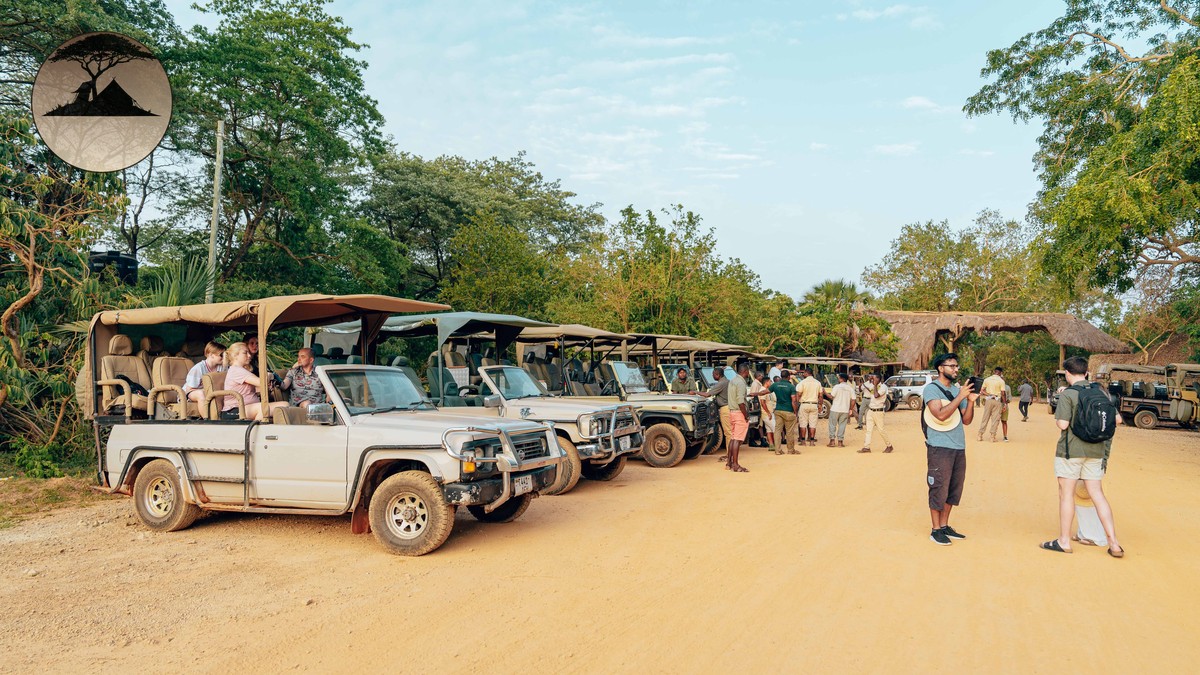
Here is what the logistics actually look like, using real routes and indicative 2026 figures. Always confirm current schedules and fees with your operator before booking.
| Route | Distance | Typical time | Notes for families |
|---|---|---|---|
| Nairobi (Wilson Airport) to Maasai Mara | approx. 250 km | 45-minute flight | Easiest transfer, minimal fuss with small kids |
| Nairobi to Amboseli | approx. 240 km | 4 to 5 hours by road, or 35-minute flight | Road route has a paved and dirt mix; flight is far kinder to toddlers |
| Maasai Mara to Amboseli | no direct road | 1.5 to 2 hours combined flight time, usually via Nairobi | Budget a full travel day, not a half day |
| Nairobi to Samburu | approx. 325 km | 6 hours by road, or 1-hour flight | Road trip is long for children under 6 |
| Within the Mara (conservancy to conservancy) | 10 to 40 km | 20 minutes to 1.5 hours | Fine as a same-day activity, not a full camp move |
| Maasai Mara to Diani Beach | approx. 500 km | Roughly 2 hours flight, via Nairobi or Ukunda airstrip | Good end-of-trip decompression stop |
Park and conservancy fees add up too. The Maasai Mara National Reserve conservation fee runs around USD 100 per adult per night in high season (indicative, confirm with Narok County rates), while Amboseli National Park charges roughly USD 60 to 80 per adult per night. These fees apply per night regardless of pace, so slower stays do not cost more in park fees, only in nights booked.
Pacing by Child Age
Toddlers (under 4): Keep total travel time under 2 to 3 hours per move, including transfer to the airstrip and any waiting. One camp move for a 7-night trip is plenty. Nap schedules and malaria prophylaxis timing matter more than variety here, and both the Mara ecosystem and Amboseli sit in malaria risk zones, so talk to your doctor before you go.
School-age (5 to 12): One flight plus a short game drive to camp works well. Avoid stacking two transfers in a single day. Kids this age enjoy the change of scenery once they arrive, but the travel itself still wears them out.
Teens: Can usually handle a longer overland leg, especially if it includes a stop for lunch or a cultural visit. Three camps over 10 to 12 nights gives teens enough variety to stay engaged without feeling rushed.
How Many Total Nights Should the Trip Be
Given the long-haul flight most families take to reach Kenya, 6 to 7 nights on the ground is the practical minimum to make the trip worthwhile. Nine to twelve nights is the sweet spot for two to three camps plus a few days of downtime.
Cutting the ground time short to save money almost always backfires. Families end up paying premium international airfare for a trip that feels rushed the moment they land.
Combining Safari With Beach Time
Adding three or four nights at the coast gives kids a chance to swim, nap, and decompress after early wake-up calls. Diani Beach, south of Mombasa, is a common choice. It also breaks up the itinerary so the safari portion does not have to carry every unit of rest.
At the coast, and at any camp where you’re staying several nights, it helps to think ahead about keeping devices charged. Older kids and teens will want their tablets working by the pool.
Is It Cheaper to Add a Stop or Extend a Stay
Adding a one-night stop usually means an extra light aircraft transfer, often USD 150 to 300 per person depending on the route, plus a lost half day of activities on both ends. Extending an existing stay by one night costs only the camp’s nightly rate, with no transfer fee and no lost activity time.
For a family of four, the math often favors staying put. One extra one-night camp can cost 600 to 1,200 dollars in transfer fees alone, before you even count the nightly rate. Extending a stay by a night at a mid-range family camp, often 400 to 700 dollars per night all-inclusive, delivers more actual safari time for similar money.
The BestCamp Safaris Difference
We build itineraries around how families actually travel, not around how many camps look good on a map. That means checking which camps genuinely welcome children, which ones offer connecting or family-sized tents instead of just two singles pushed together, and which malaria zones apply to each leg of the route.
We also think about camp choice beyond pacing. If you’re choosing where to base a family with older kids, it’s worth reading about which parks allow night game drives. Some conservancies allow activities that national parks do not. And for parents who want a great photo at the end of a long day, camp position affects more than convenience. It shapes your golden hour photography opportunities, right from your tent deck.
Every itinerary we build starts with your kids’ ages, not a generic template. That is the difference between a trip that looks good on paper and one where everyone is still smiling on the last morning.
Plan Your Family’s Pace With Us
If you are weighing how many camps to include or wondering whether your family should move once or twice on a 10-night trip, we would like to help you work through it. Visit our family safari planning page and tell us about your kids’ ages and how much time you have. We will build the pace around your family, not the other way around.


